
Once, There Was a Garden of Eden
by Oleg Klimov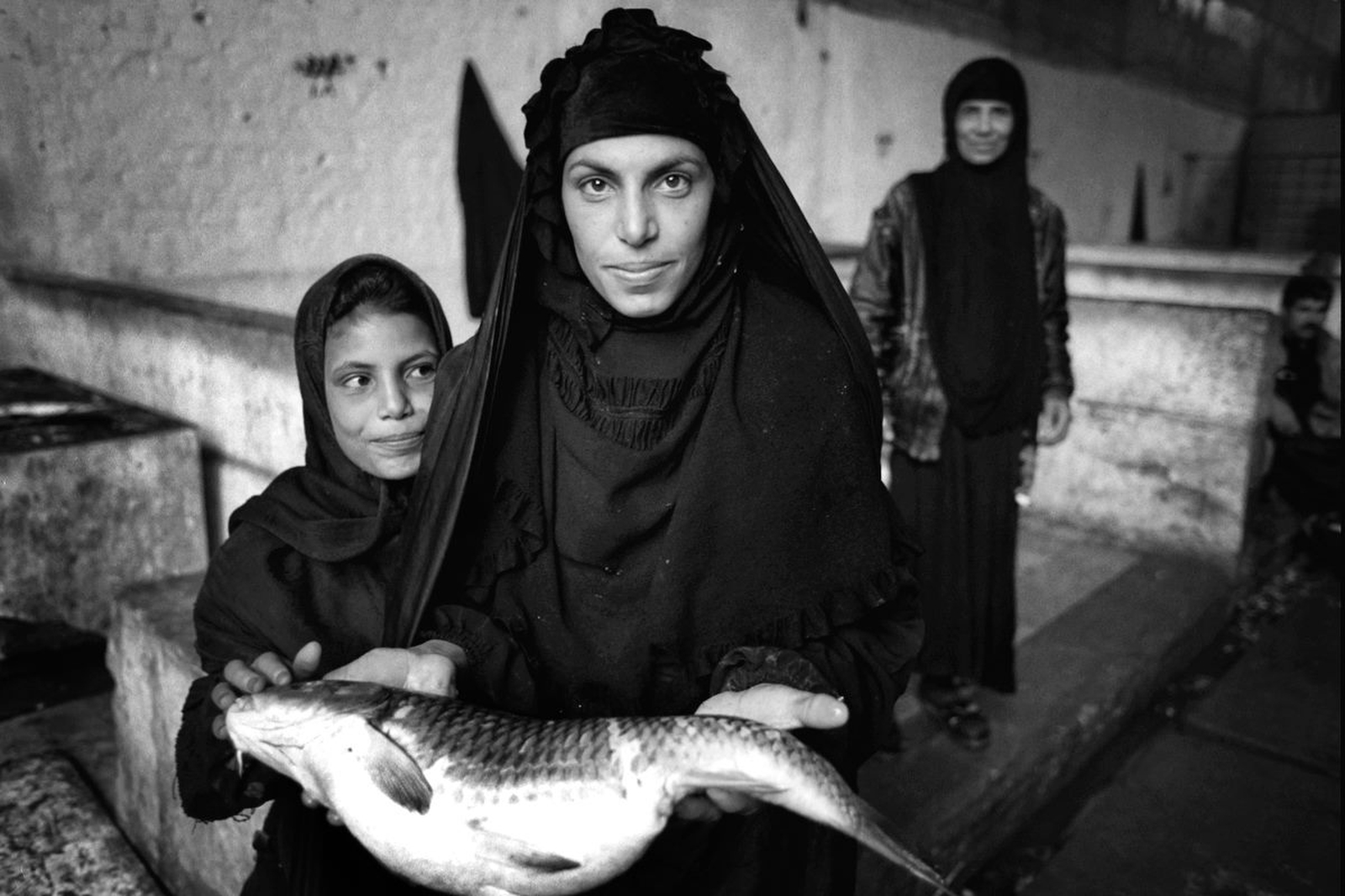
There was a time when I was searching for paradise on Earth
In southern Iraq, there is a small village in the marshy delta of the Tigris and Euphrates rivers. It’s called Qurna. According to biblical tradition, this is where the Garden of Eden once bloomed — the original home of humankind, of course, immortal.
But I wasn’t seeking immortality — or even bliss. I just wanted to satisfy my curiosity. After all, no one truly knows where Eden was — or whether it existed at all.
SUBSCRIBE TO RECEIVE NEW TEXTS AND PHOTO STORIES
BY OLEG KLIMOV
It took me a long time to get permission to travel to the area. The region was home to the so-called “Marsh Arabs,” and to various “outcasts” — opponents of Saddam Hussein’s regime, hiding from his vengeance in the wetlands. Officials were reluctant to let me go. Instead, they insisted I visit the reconstructed city of Babylon — though “without the prostitutes,” they said — and forget about looking for Eden altogether.
But I was persistent. And in the end, under the escort of Baghdad’s security service, I was allowed into Qurna.
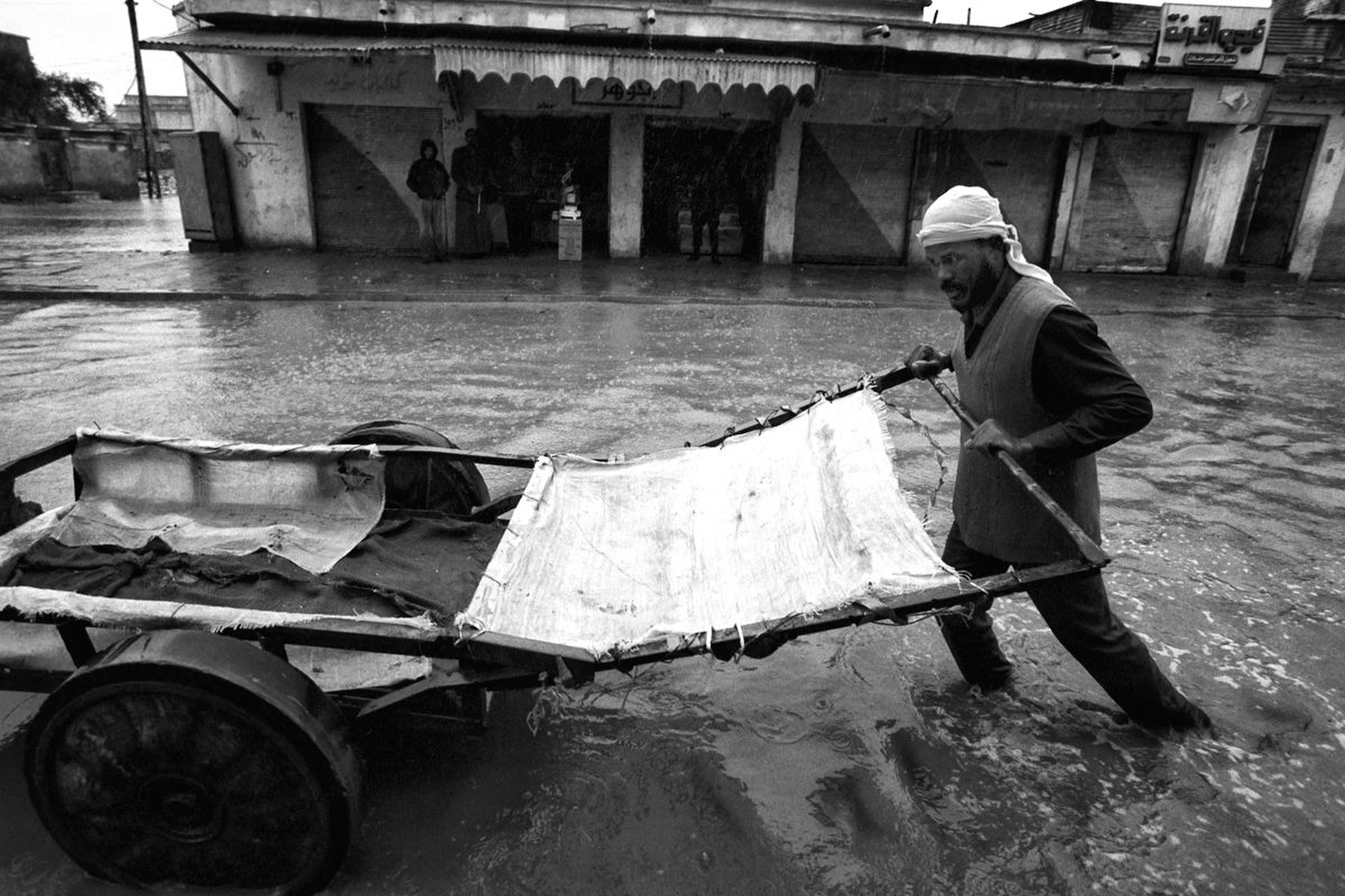
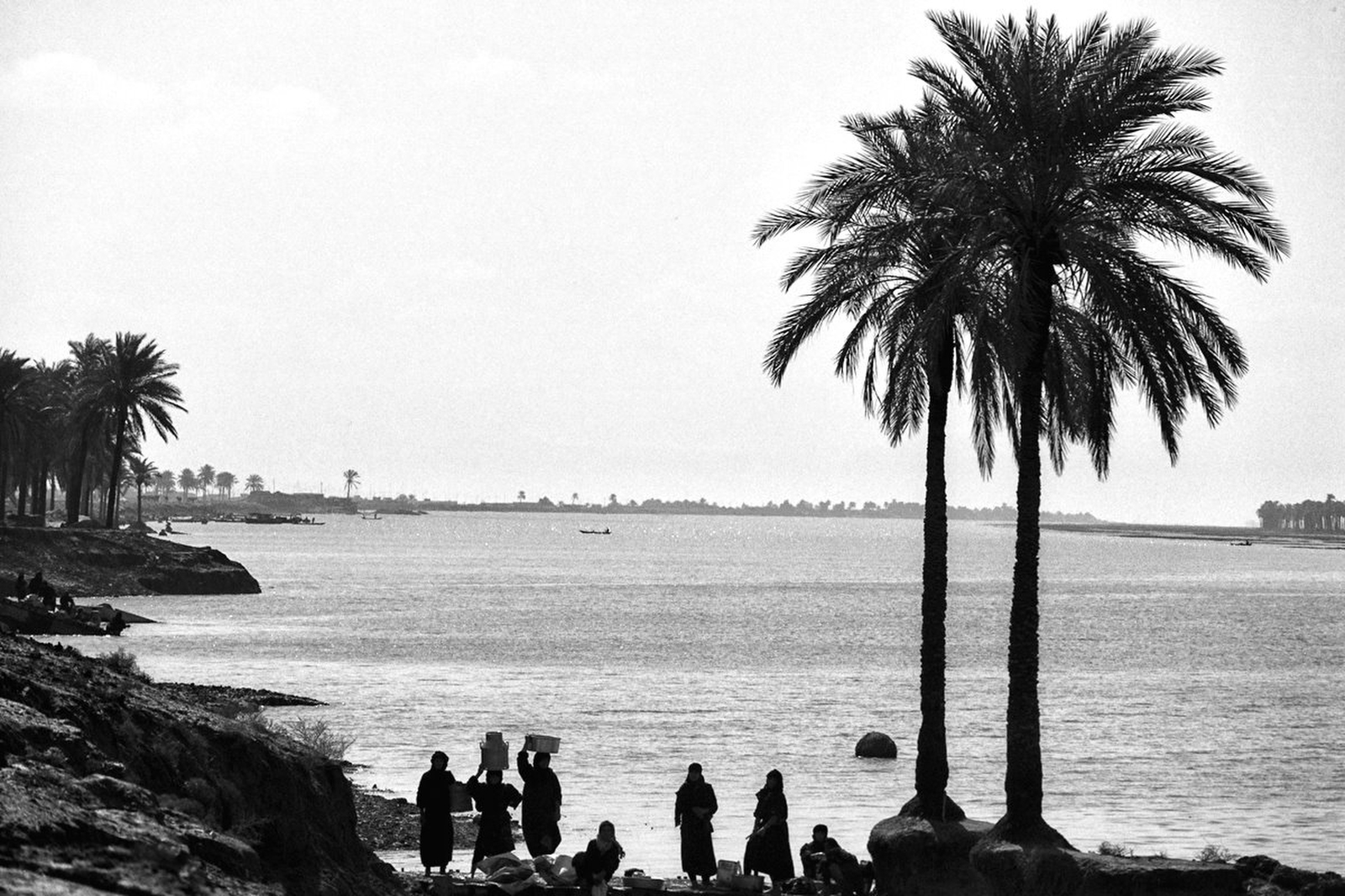
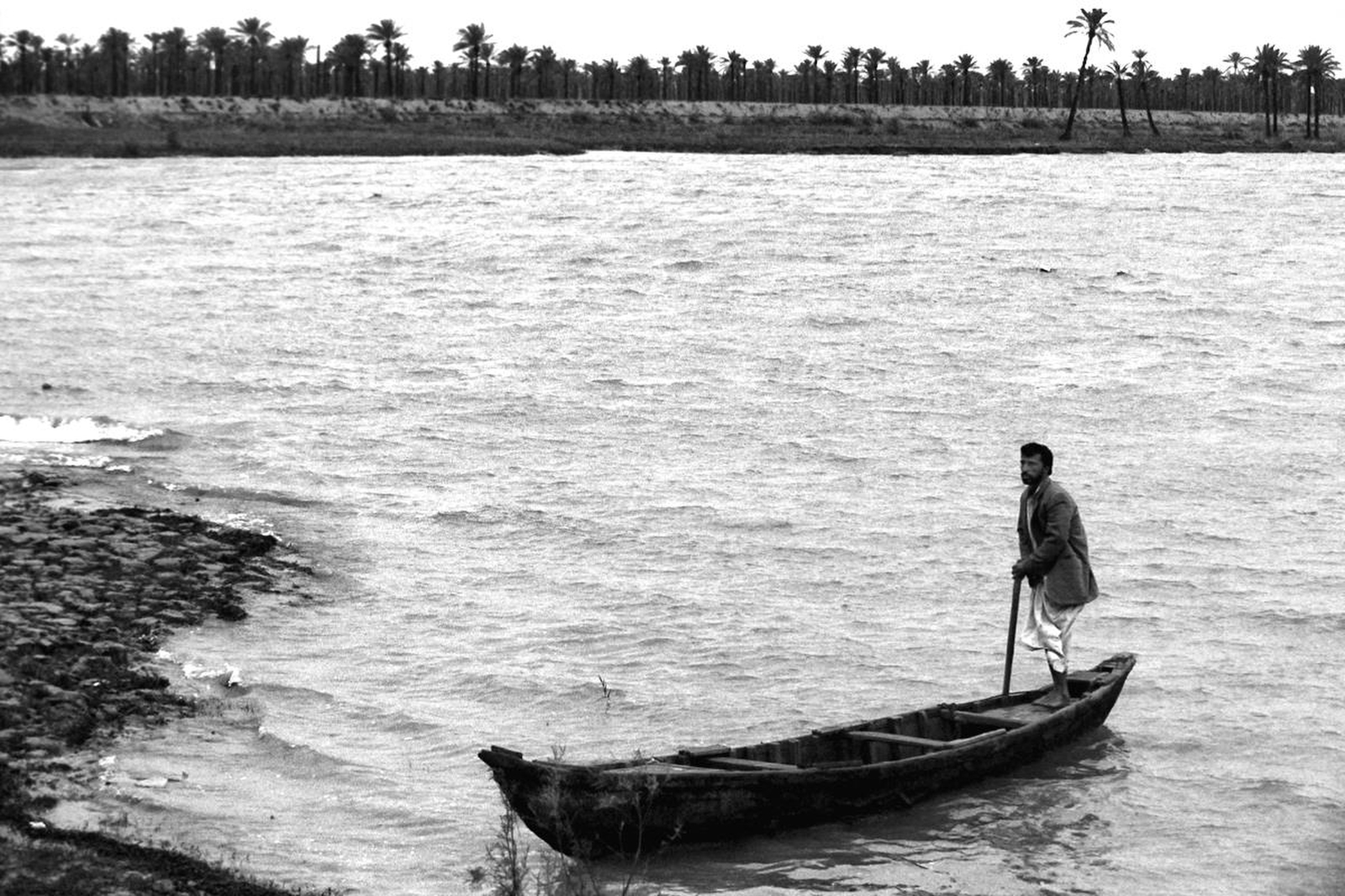
A strange thing happened the day I arrived: the Tigris and Euphrates overflowed their banks. A torrential rain began, and the delta was flooded.
“Welcome to paradise,” I said to my escort. He didn’t get the joke.
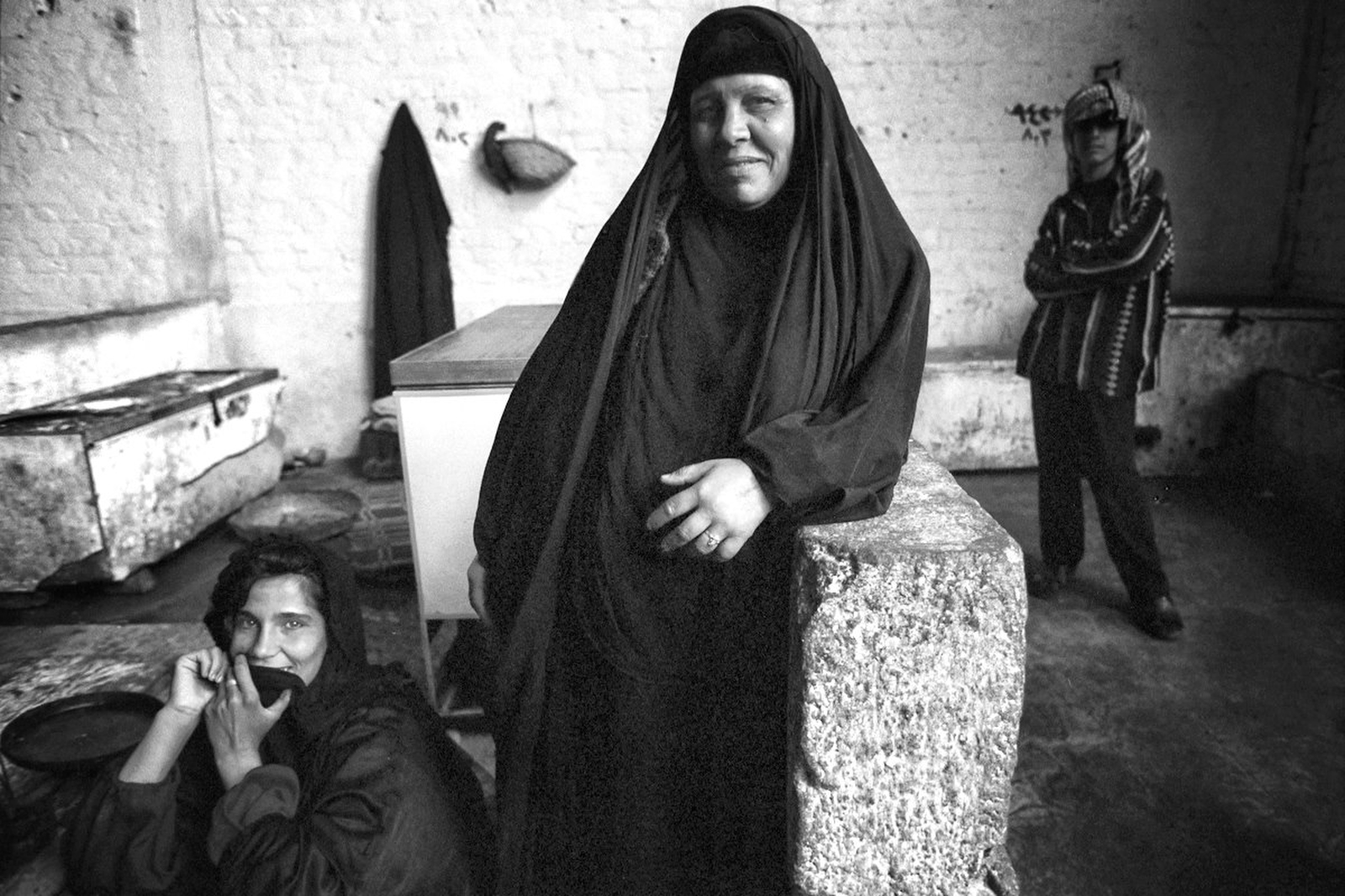
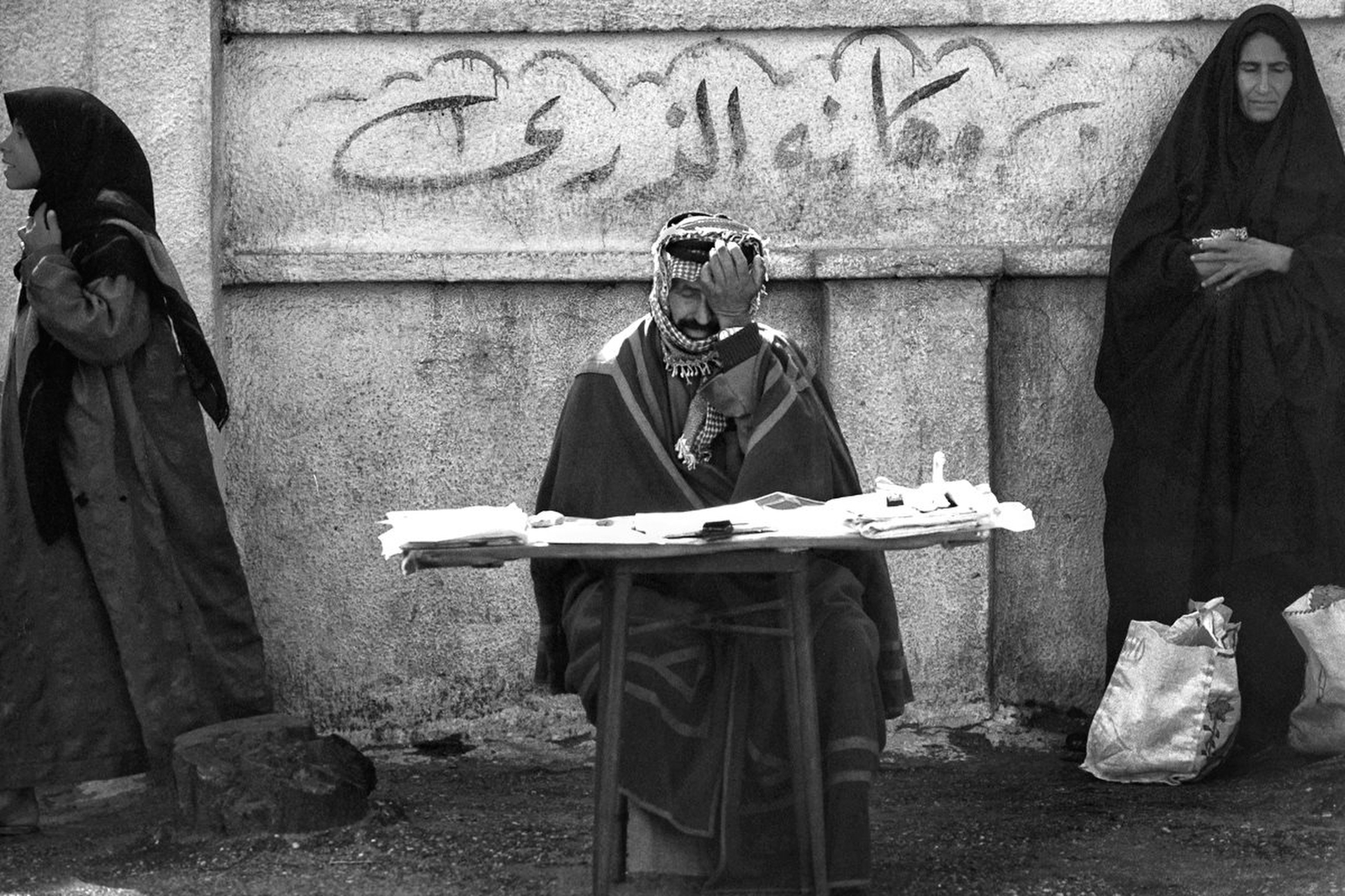
There was water and mud everywhere. The poverty was overwhelming — yet so was the kindness and openness of the “inhabitants of paradise.”
Eventually, my guards abandoned me. They didn’t want to soak their boots or wade through the muck. So I wandered freely through Eden, accompanied by a barefoot gang of local children. Somehow we managed to communicate, and they led me around — to the riverbank, to the so-called Tree of Adam and Eve. It’s real — dry as a stone, with a bronze plaque that reads: “Here were Adam and Eve.”
Later, the children brought me to a local sheikh. He spoke excellent English, was impressively large, and clearly important. At his table, he served me exotic fruit and sweets, ranted about the Americans, and on parting, gave me a traditional Iraqi robe embroidered with gold thread. Naturally, the barefoot gang was waiting outside to “escort” me with full honors.
I quickly realized I couldn’t get rid of them. So I gave in.
“You’re better than Baghdad’s security,” I said to myself, and then out loud, in Russian: “Keep leading me.”
The children screamed with joy, as if they understood — and off we went, slapping through the mud with bare feet, splashing in every direction.
To everyone I met, I asked the same question: “Do you know you live in paradise?”
Most would simply smile — openly, brightly — but none could say much about Eden. They had forgotten.
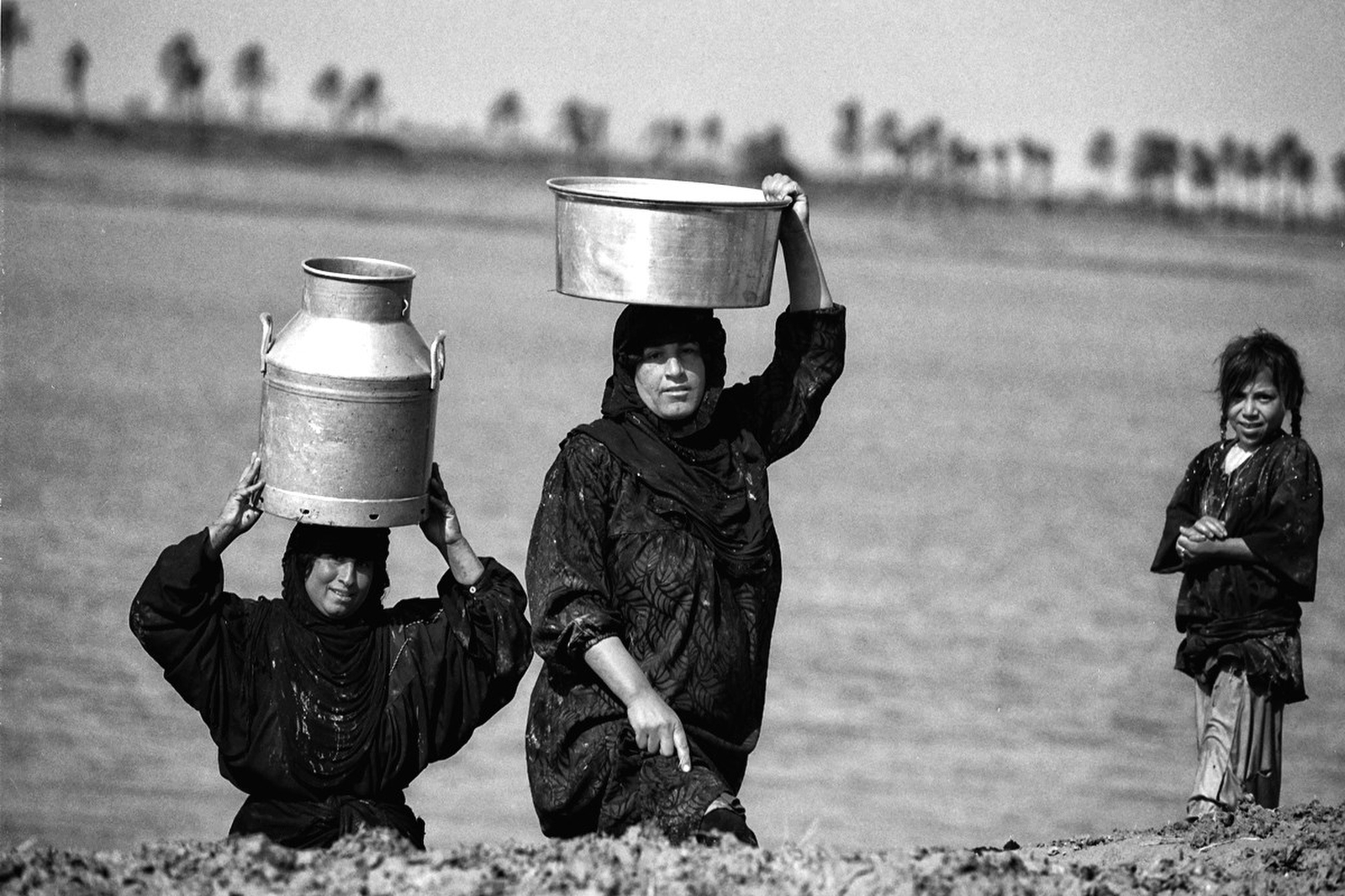
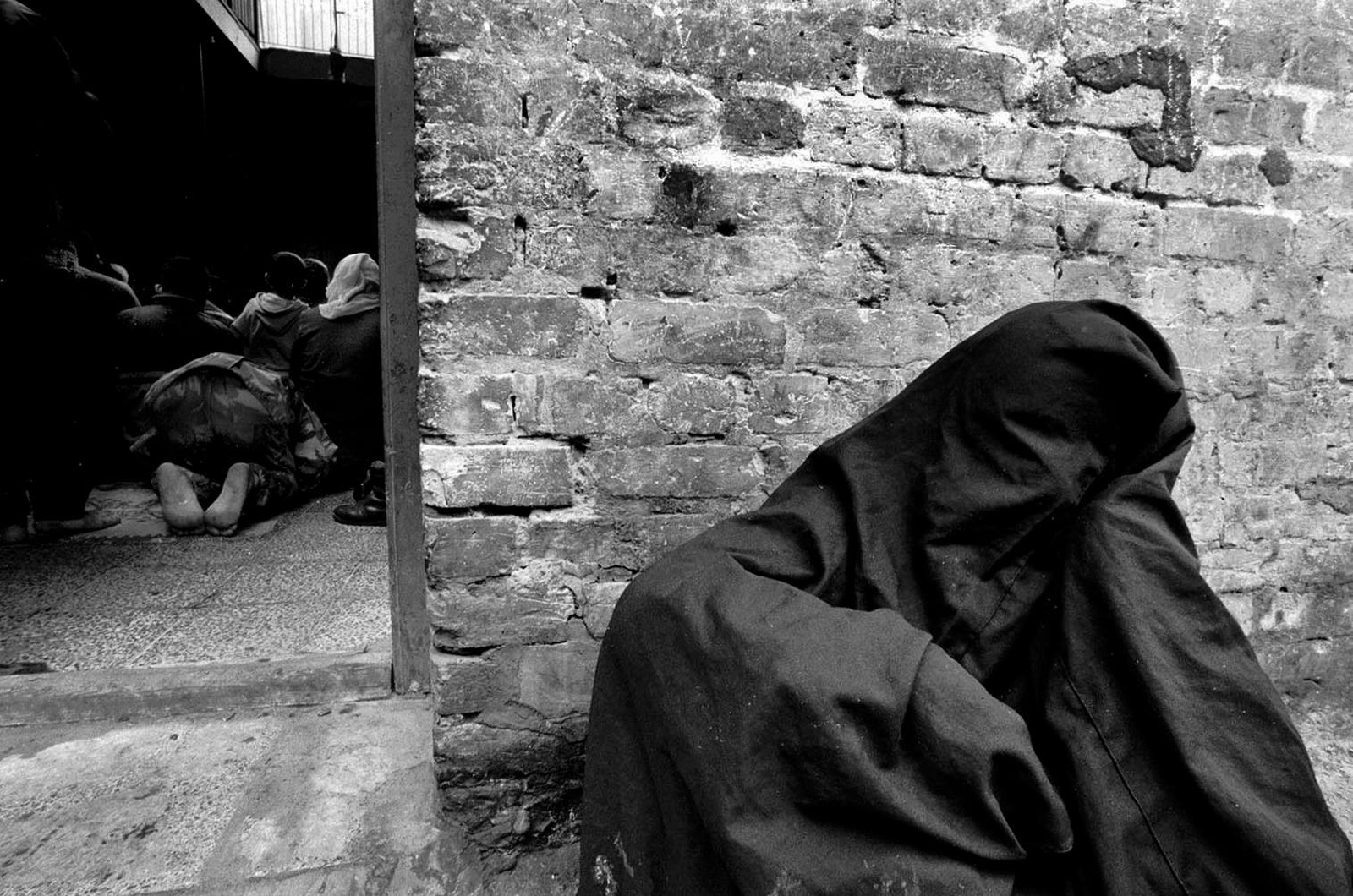
In the past hundred years, more than thirty armed conflicts have swept through this land. Thousands have died. Even after one of the largest oil fields in the Persian Gulf was discovered here, Qurna never became a Garden of Eden.
On the road back to Baghdad, I kept thinking about the ancient astronaut theory — the idea that Eden was actually a kind of natural incubator, where “gods” (in reality, extraterrestrials) conducted genetic experiments and created the first humans — in their image and likeness.
As we finally entered Baghdad, I realized: I wasn’t really looking for Eden. I was searching for a direct conversation with the Creator — a kind of dialogue that, according to the old stories, was taken away from us as punishment for excessive curiosity. Or, more precisely, for original sin.
The security service put me up in a cheap hotel called “Adam.” That was in 1997 — six years after one war, and six years before the next.
Oleg Klimov, Photographer’s Diar
Share information — help keep the world free: