
Living on the Ruins of East Prussia
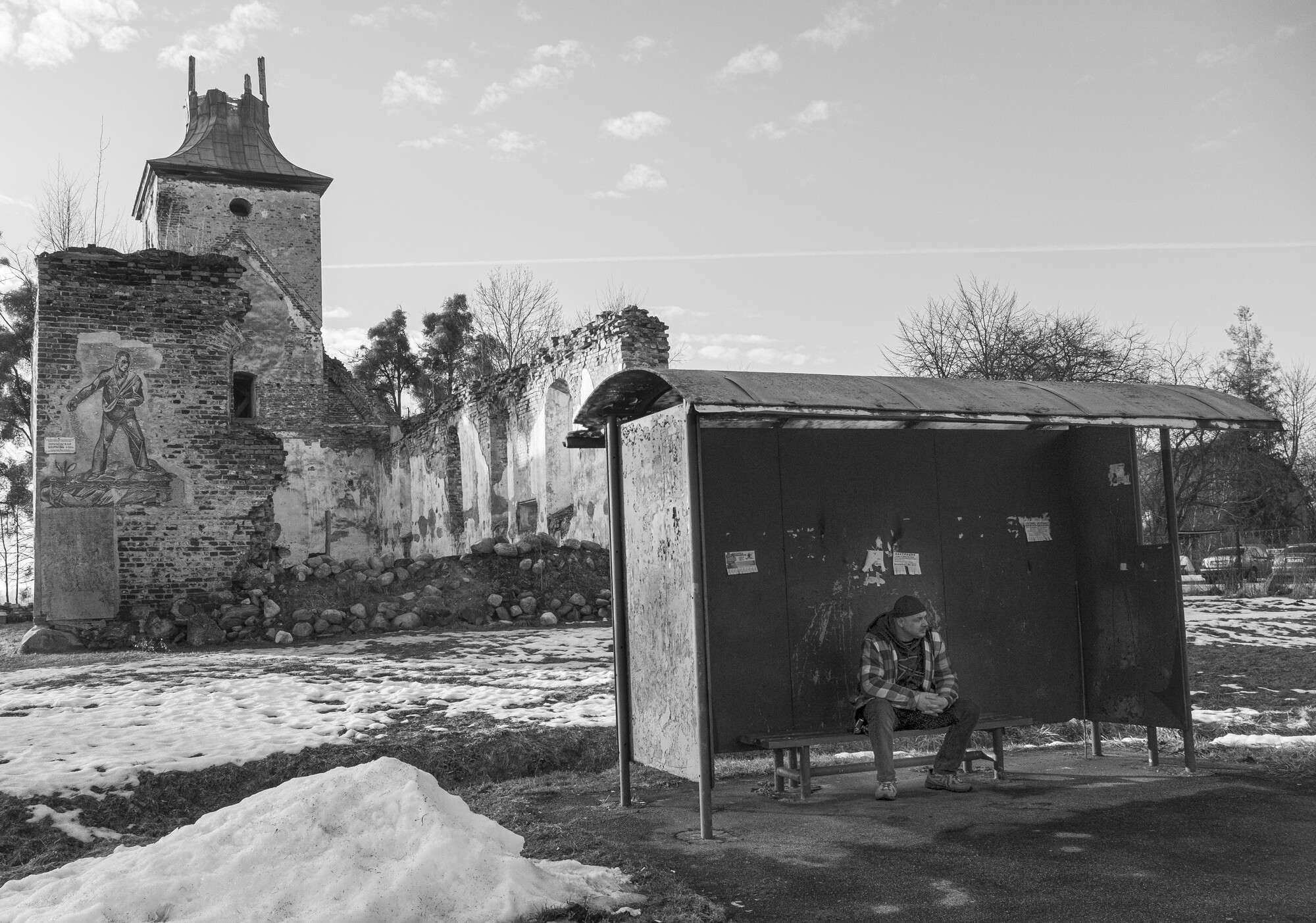
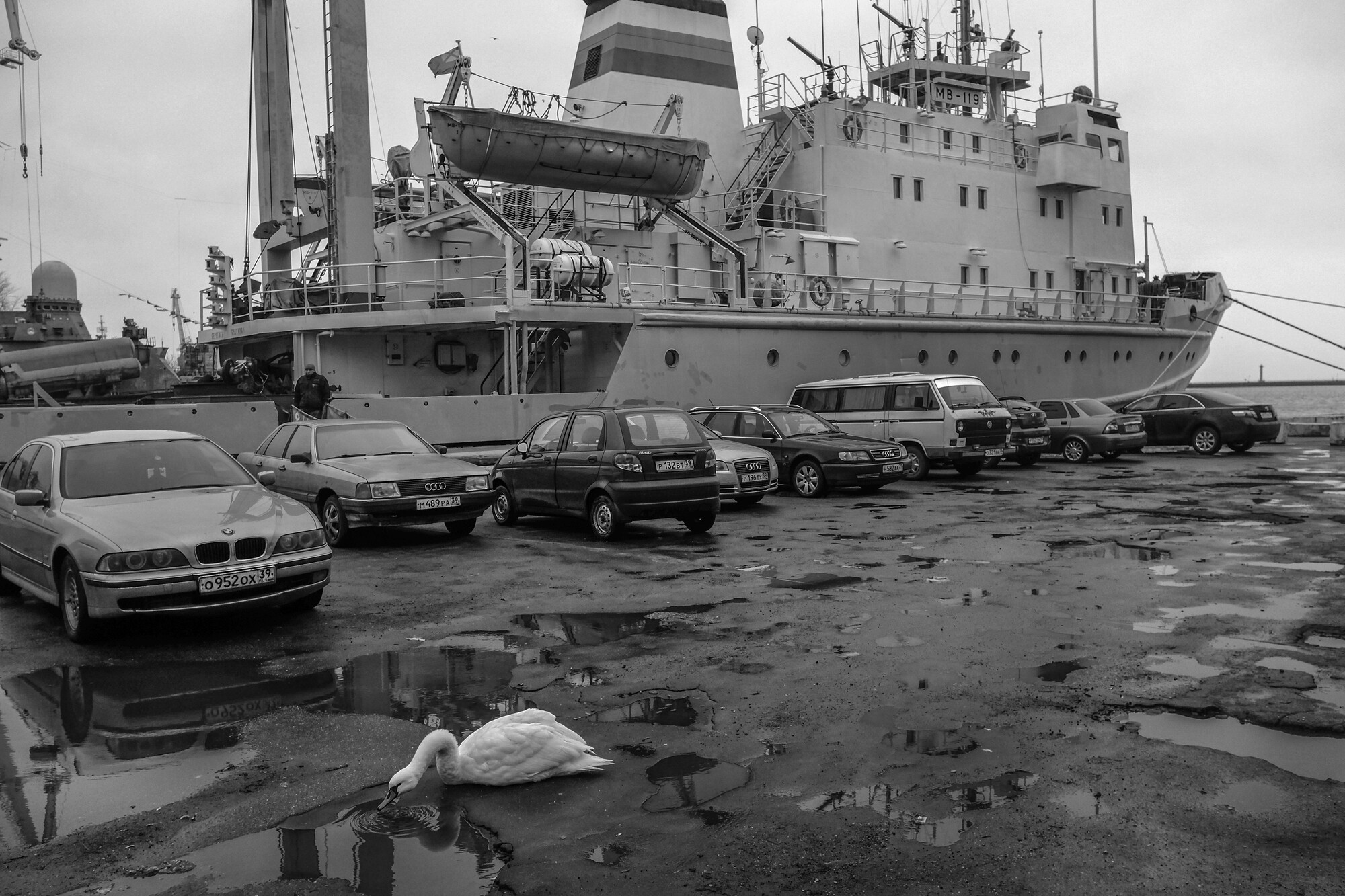
Kaliningrad Region is one of the few places in Russia where the question Who are we? is not abstract philosophy but a matter of everyday identity. Alexei S., 21, a student at Immanuel Kant Baltic Federal University, puts it simply: “I was born in an old German house. I still live there. I study at a university named after a German philosopher, and I drive an old German Volkswagen. I’ve been to Lithuania, Poland, and Germany, but I have never been to mainland Russia. So who am I?”

This former Prussian land was repopulated after the war as though it were empty. Its unfamiliar landscape was remade to fit Soviet life, while the memory of what had existed before was either violently erased or later repurposed to serve the ambitions of the state. To understand what is happening in the region today — from the hunt for so-called “Germanizers” to trials of alleged “separatists” — one has to begin with how Kaliningrad Region was created in 1946, and what it has become by 2026.
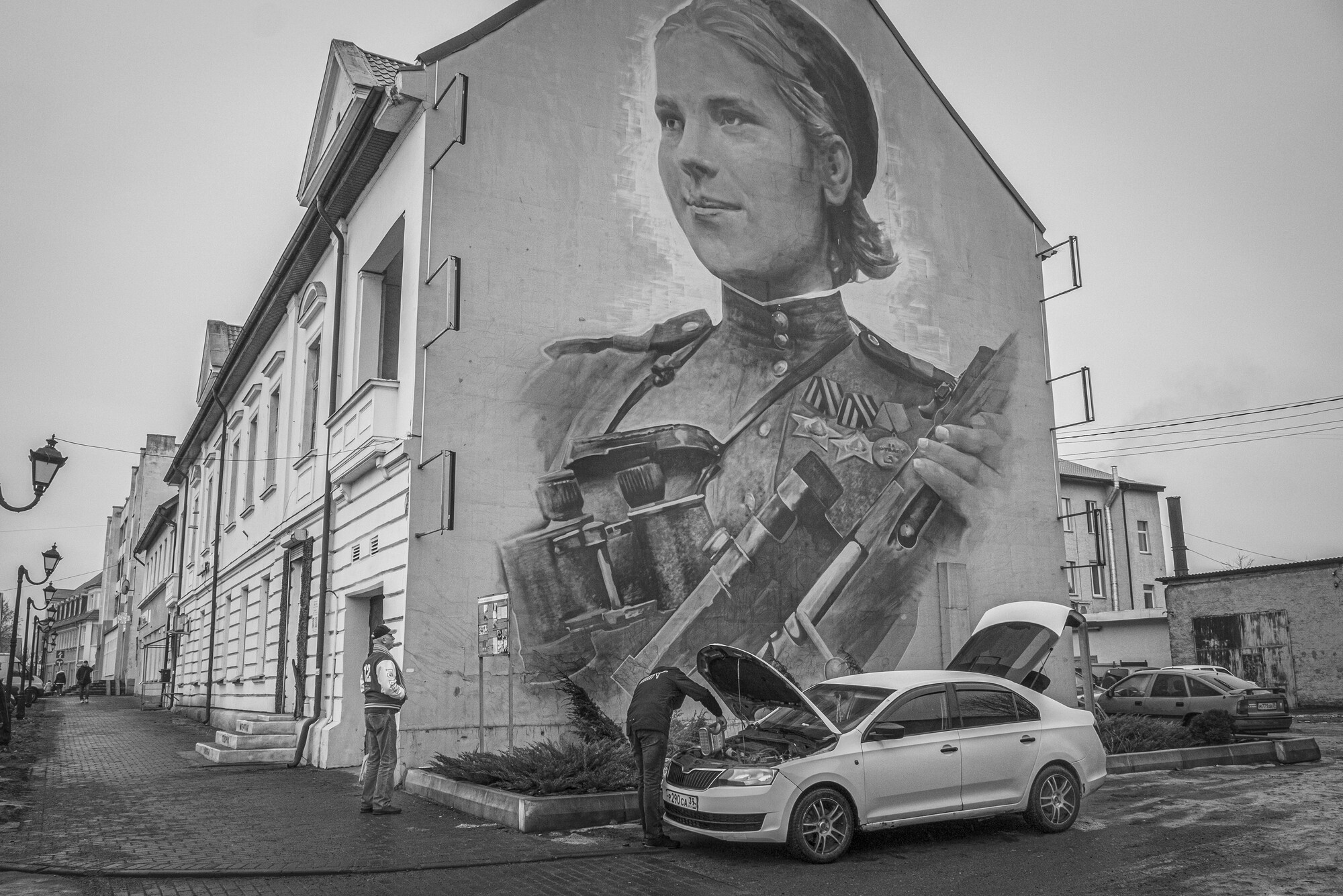
We live in an age of mass displacement. Since the start of the war, around seven million people have fled Ukraine. Many more have been driven from their homes without crossing a border. By mid-2025, forced displacement worldwide had reached 117.3 million people uprooted by war, persecution, and violence — nearly twice the number associated with the aftermath of the Second World War, when roughly 60 million people worldwide are estimated to have permanently lost their homes. (Source)
In February 2022, Russia announced what it called a “special military operation” and occupied part of the sovereign territory of Ukraine. In October of the same year, Russia’s Federation Council voted to annex the Ukrainian regions of Donetsk, Luhansk, Kherson, and Zaporizhzhia.
Even before it had fully seized these territories, Russia had already begun implementing a policy of resettlement and administrative restructuring in the occupied areas — one aimed at changing their demographic composition and binding them to the Russian state. The policy includes the forced deportation of Ukrainians, including children, the transfer of Russian citizens into occupied territory, and the confiscation of property, alongside plans to move more than 114,000 Russians into these regions by 2045. (Source)
Contemporary Russia pretends to be the legal successor to the USSR. And also inherited a long imperial experience of forcibly settling and repopulating lands acquired through war and annexation. Today, the Russian Federation is doing everything it can to secure for its occupation of Ukrainian territory something resembling a modern Potsdam. What happened to the German population of former East Prussia eighty years ago? And what kind of legacy do people in Kaliningrad Region — Russia’s exclave — live with today?
A Russian Trophy
After the Second World War, the victorious powers redrew borders and fixed new spheres of influence in Europe. Former East Prussia — German territory centered on Königsberg — was placed under Soviet control by decision of the Potsdam Conference and incorporated into the Russian Soviet Federative Socialist Republic: first as a new administrative region, then under a new name, Kaliningrad Region. East Prussia — now divided between Russia’s Kaliningrad Region and northern Poland — underwent one of the greatest migration catastrophes of the twentieth century, marked by the near-total replacement of its German population.
The same mechanism appeared elsewhere in territories absorbed by the Soviet sphere: on the Karelian Isthmus, in southern Sakhalin, and on the Kuril Islands. Borders changed, and populations were almost entirely replaced. Former residents were expelled; settlers from elsewhere in the Soviet Union arrived in their place. But on the Baltic coast this was not just a demographic shift. It became the basis of a future identity: people were beginning life on land that had only yesterday belonged to others, and they were never fully certain it would become their own.
By 1945, the ethnic composition of East Prussia had been transformed in two stages:
• Evacuation and flight (1944–1945). Of the prewar population of 2.2 to 2.6 million, only about 193,000 remained by May 1945. Most fled westward before the advance of the Red Army. (Source)
• Deportation (1947–1948). The remaining Germans were officially expelled from Kaliningrad Region to the Soviet occupation zone of Germany — the future GDR. By 1950, fewer than 14,000 Germans remained, most of them prisoners or specialists.
The first Soviet settlers in what was still East Prussia in 1945 were demobilized Red Army soldiers. Many were effectively kept there by order, as the first human support structure of the new Soviet territory.
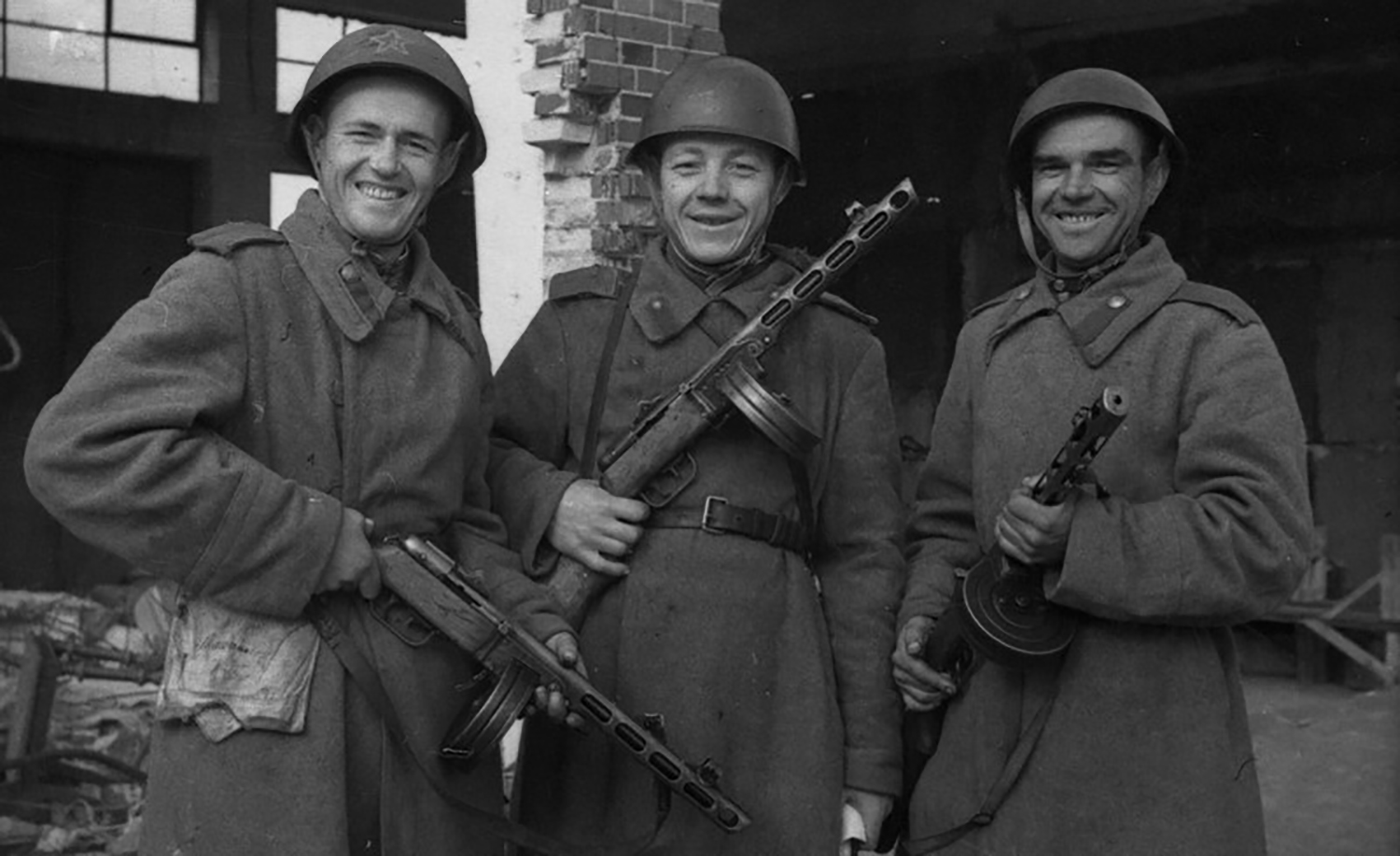
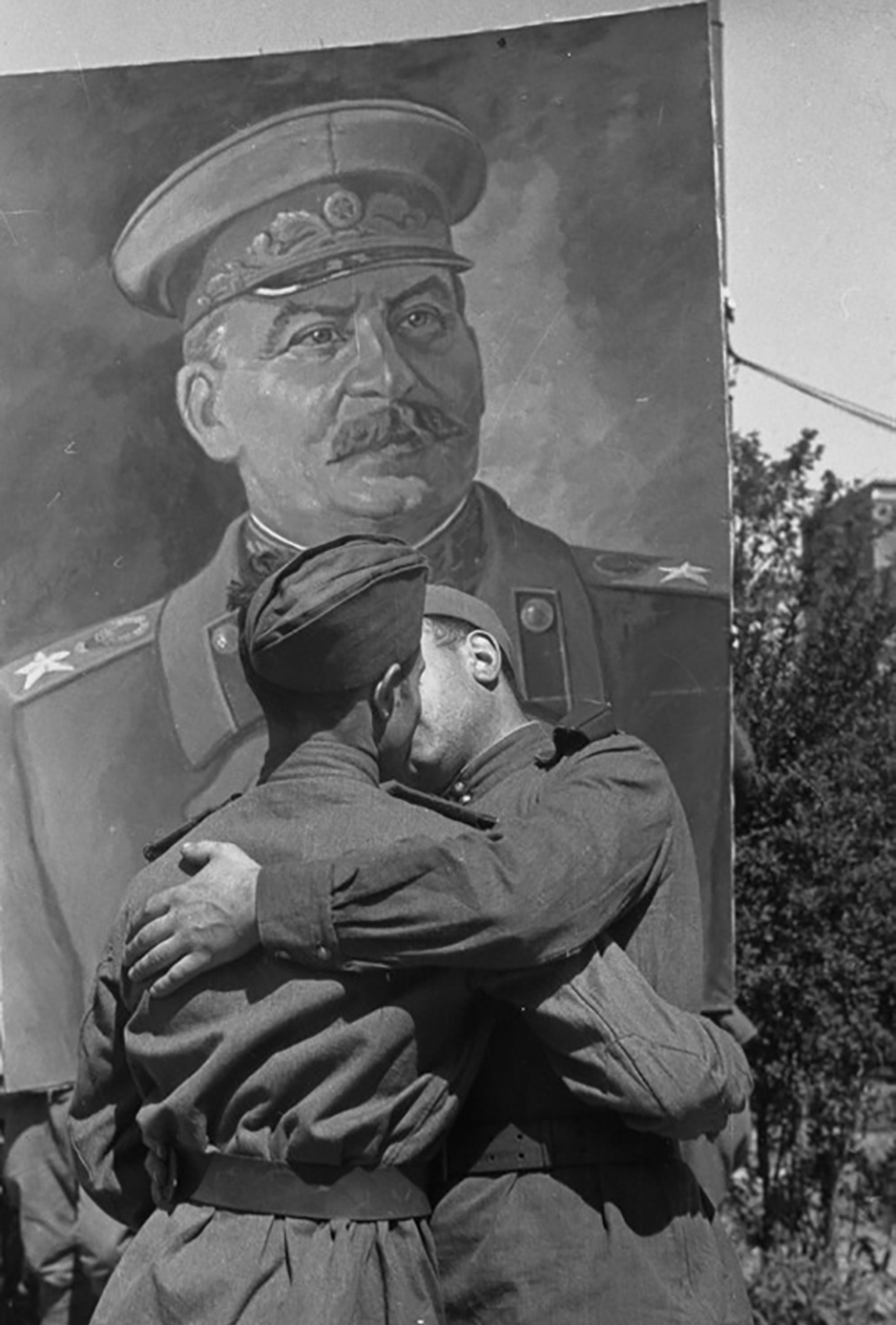
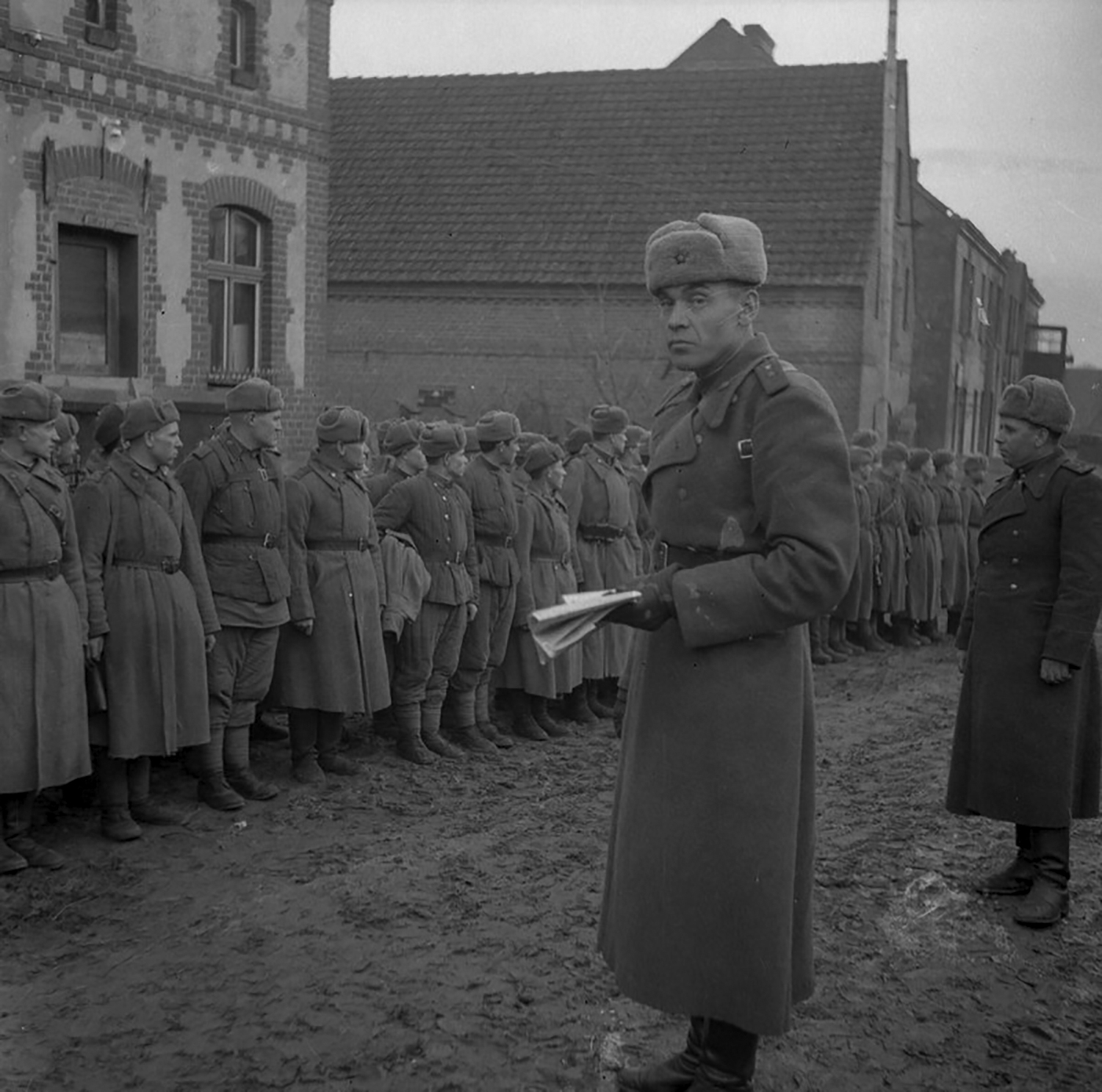
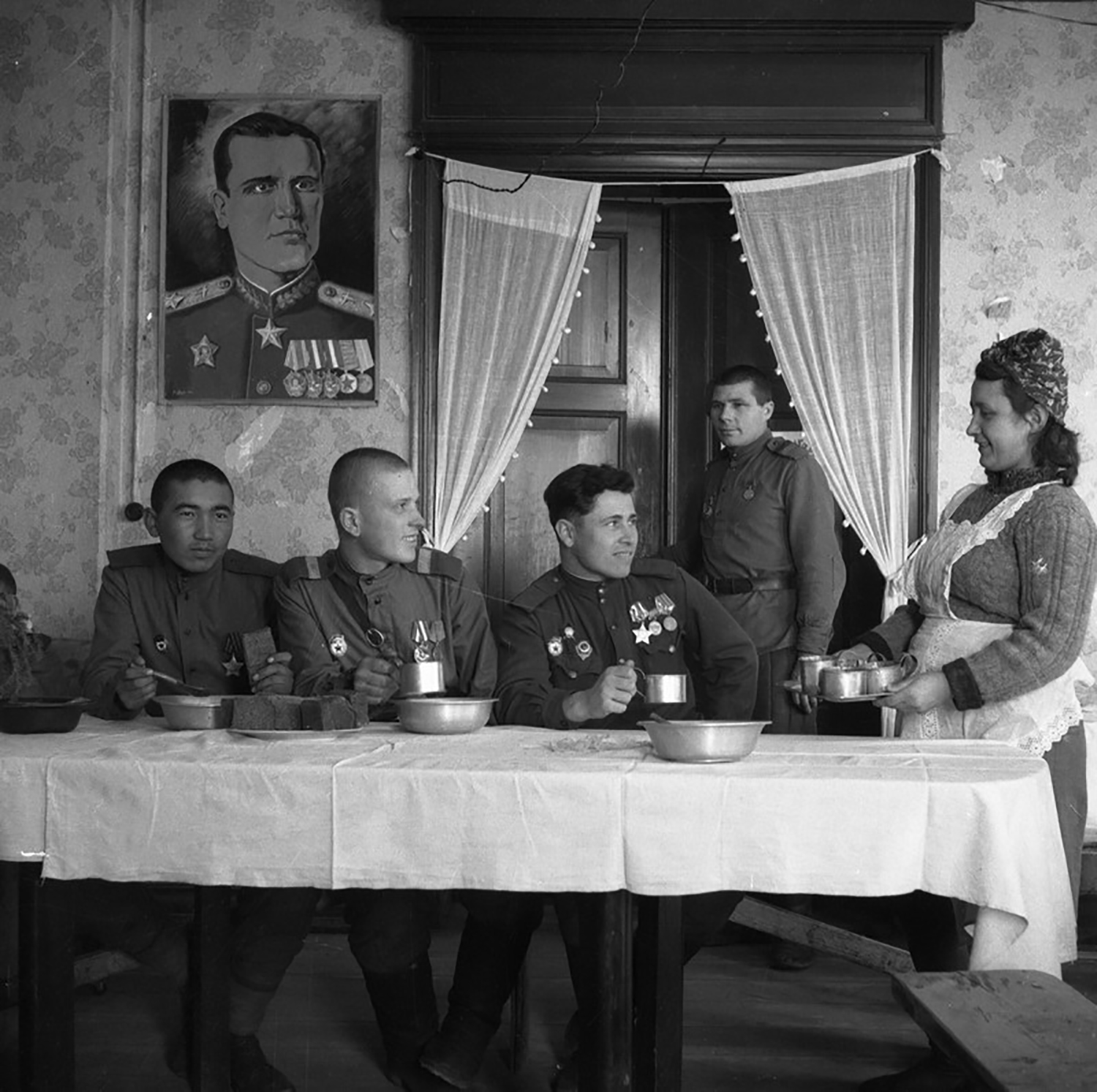
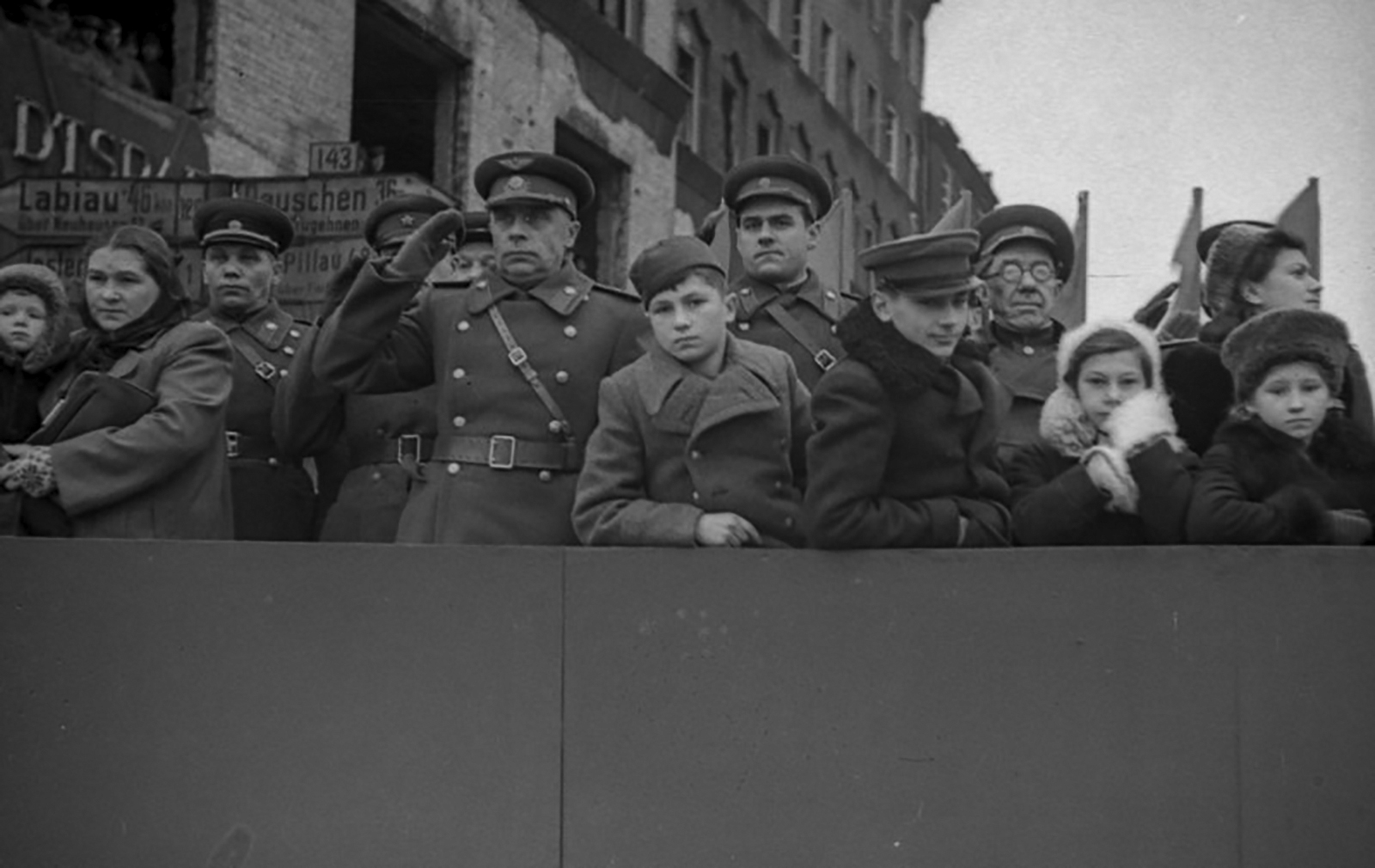
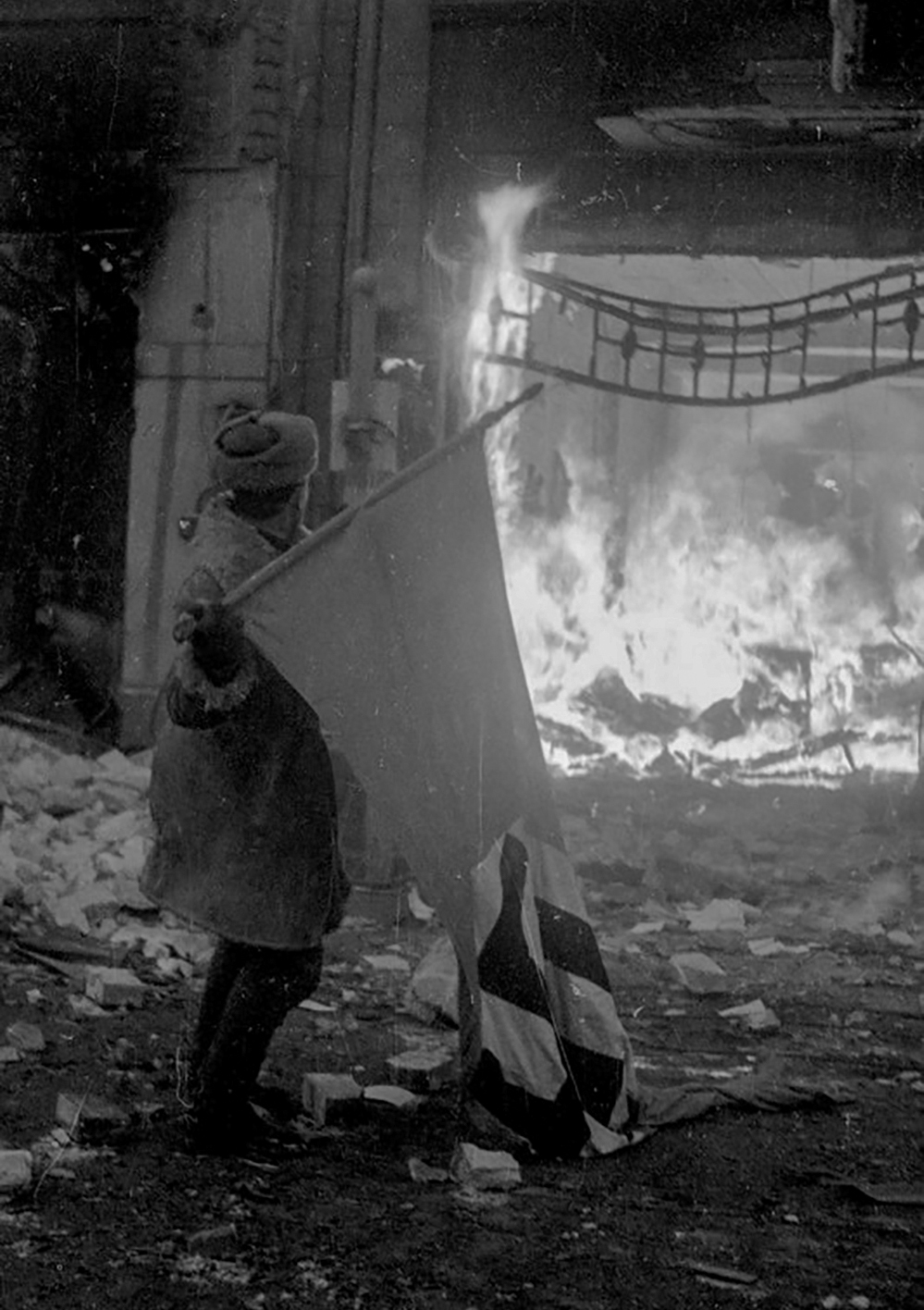
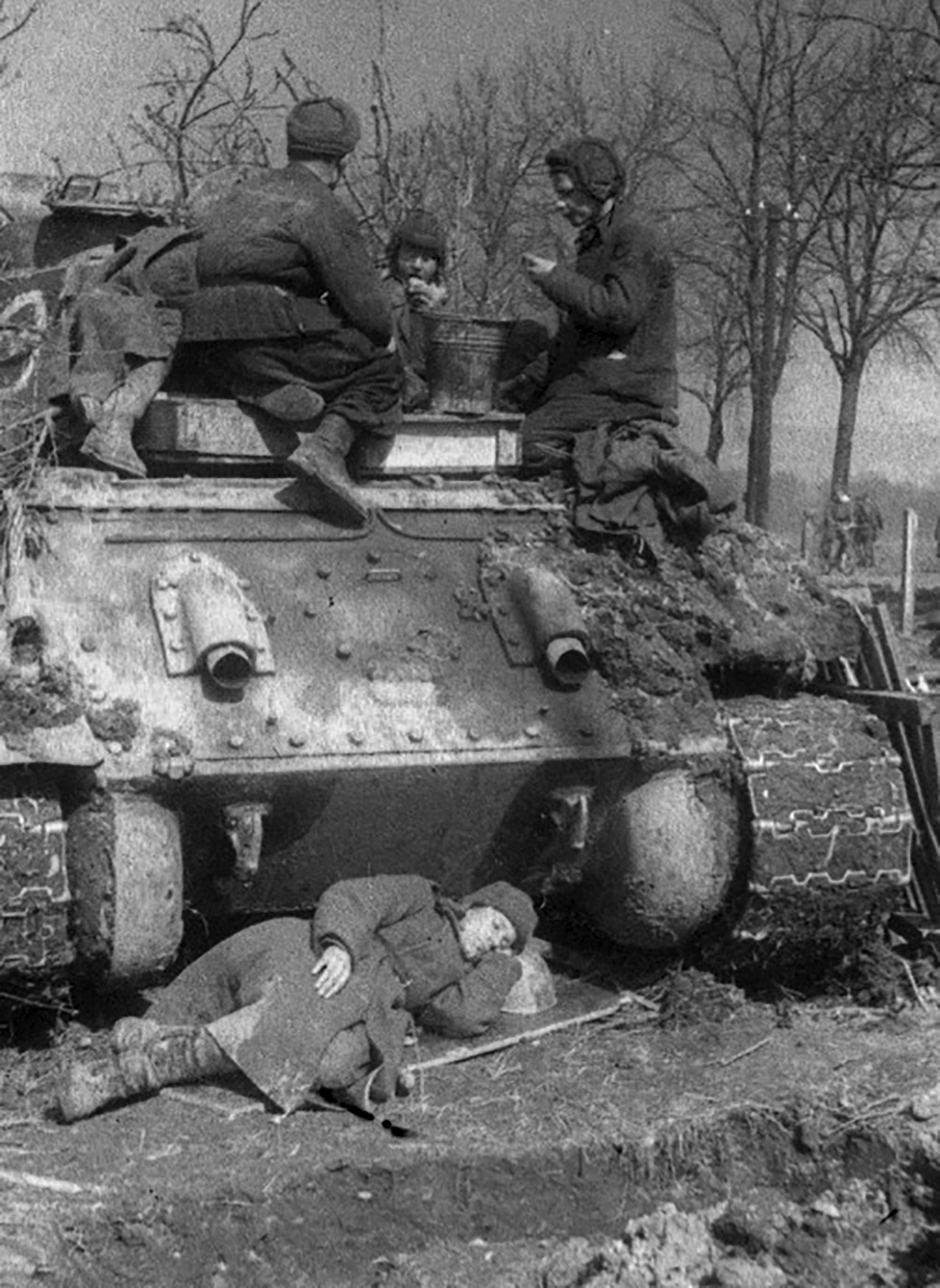
At the same time, Soviet citizens who had been taken to Western Europe for forced labor during the war were returning. Some settled in East Prussia because there was nowhere else to go: their homes, farms, and former lives had been destroyed by war.
But the main wave of settlement was organized from above — through state, party, and Komsomol campaigns, and through official permits for “permanent residence.” Most settlers came from central Russia — Gorky, Ryazan, Penza — and from Belarus. They were young, between eighteen and thirty-nine, which ensured fast natural population growth. By the early 1950s, the population had passed 500,000.
The first Soviet settlers called East Prussia a “Russian trophy.” The war had ended, but the sense of temporariness had not. Only in the summer of 1946, after the death of Mikhail Kalinin, chairman of the Presidium of the Supreme Soviet of the USSR, was the region renamed Kaliningrad Region, and Königsberg renamed Kaliningrad — although Kalinin had no connection to the territory and had never even visited it.
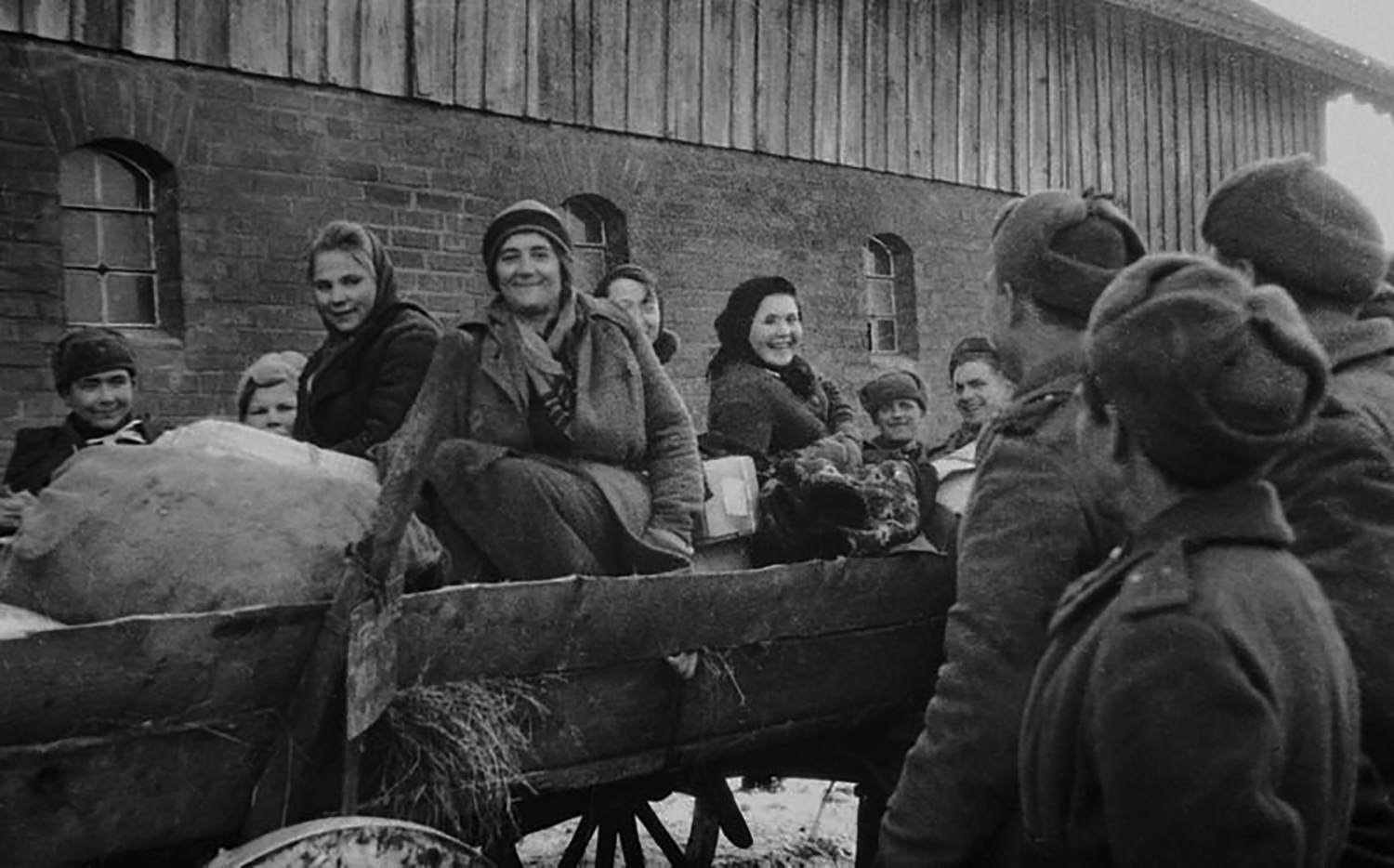
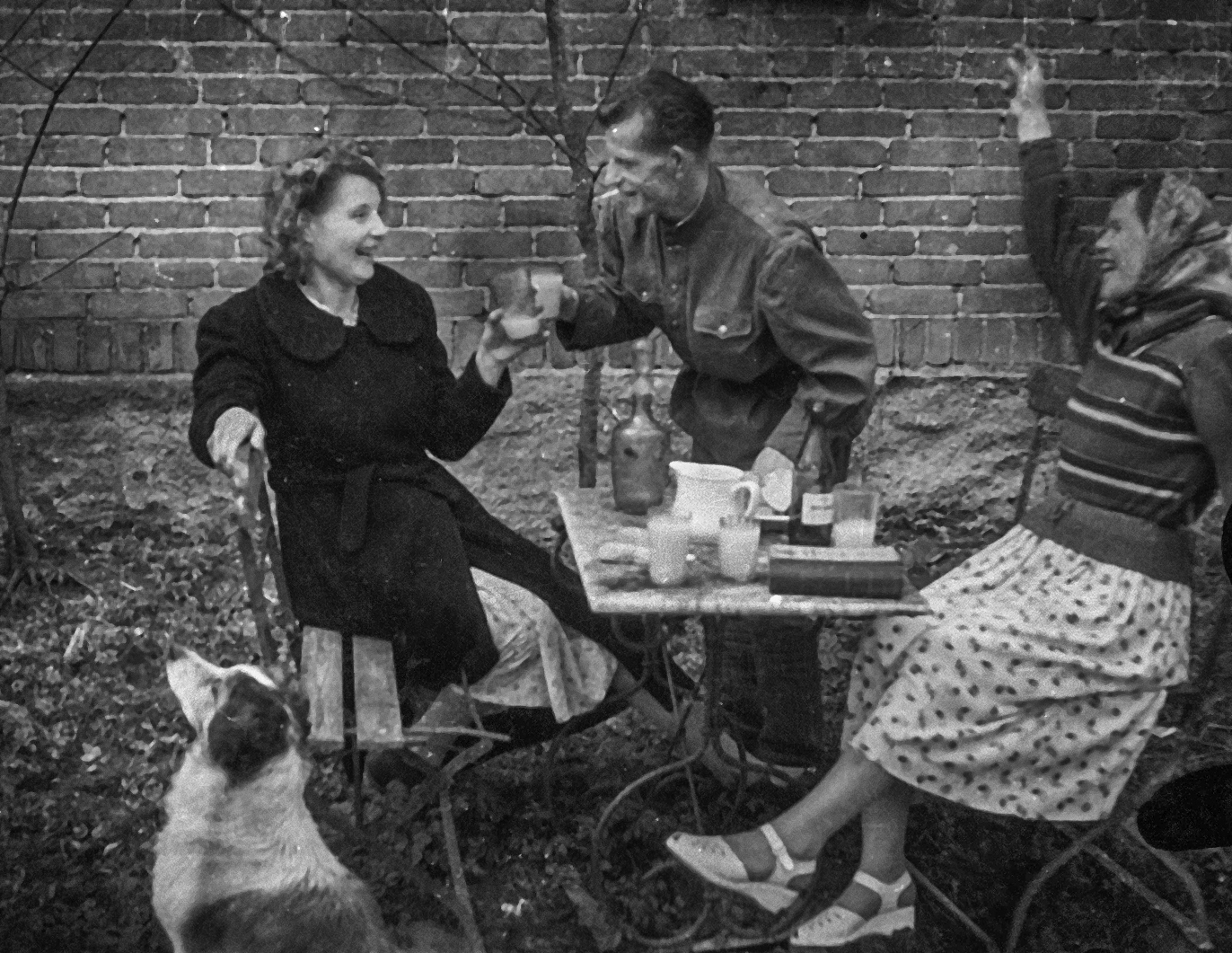
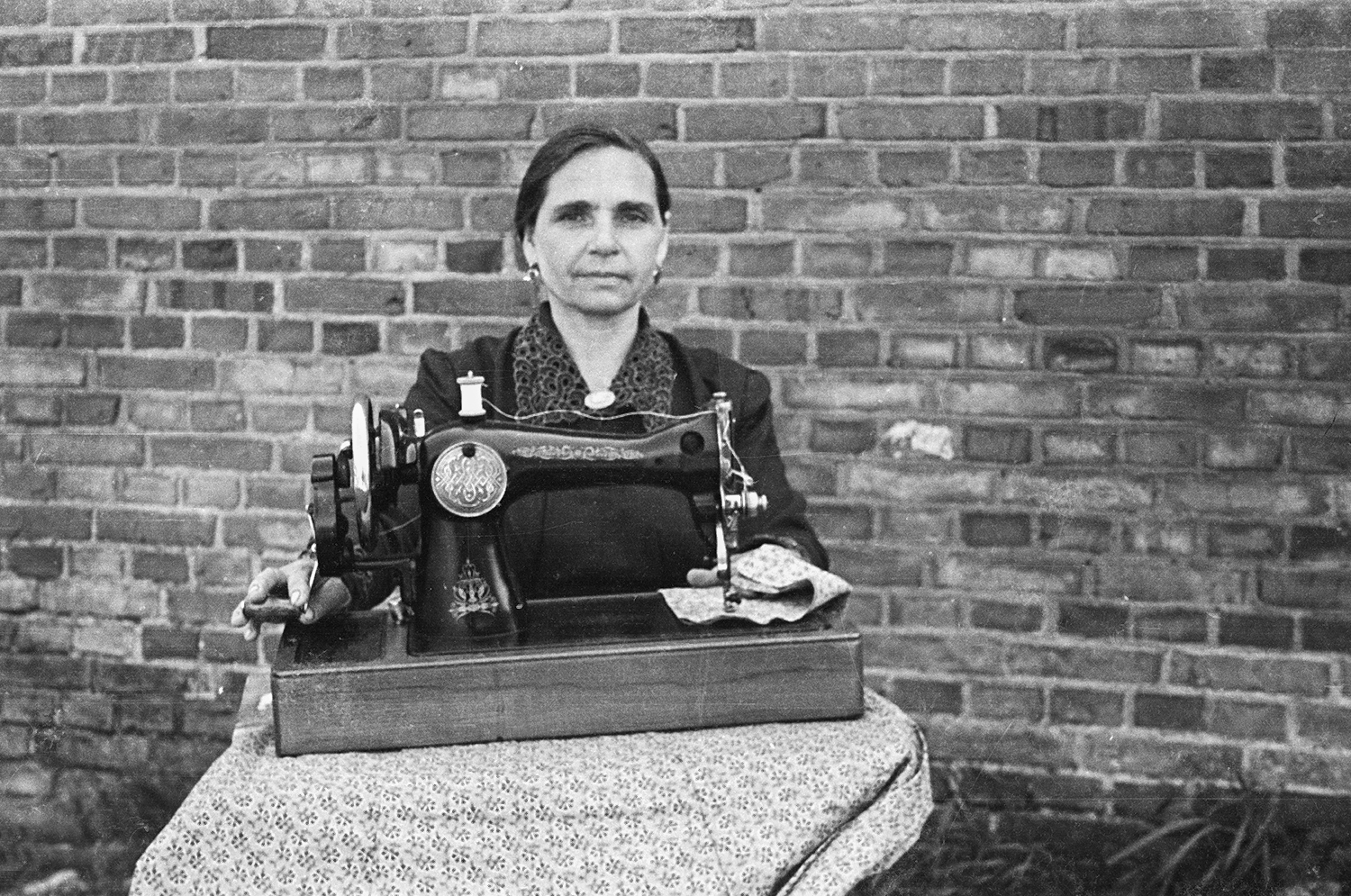
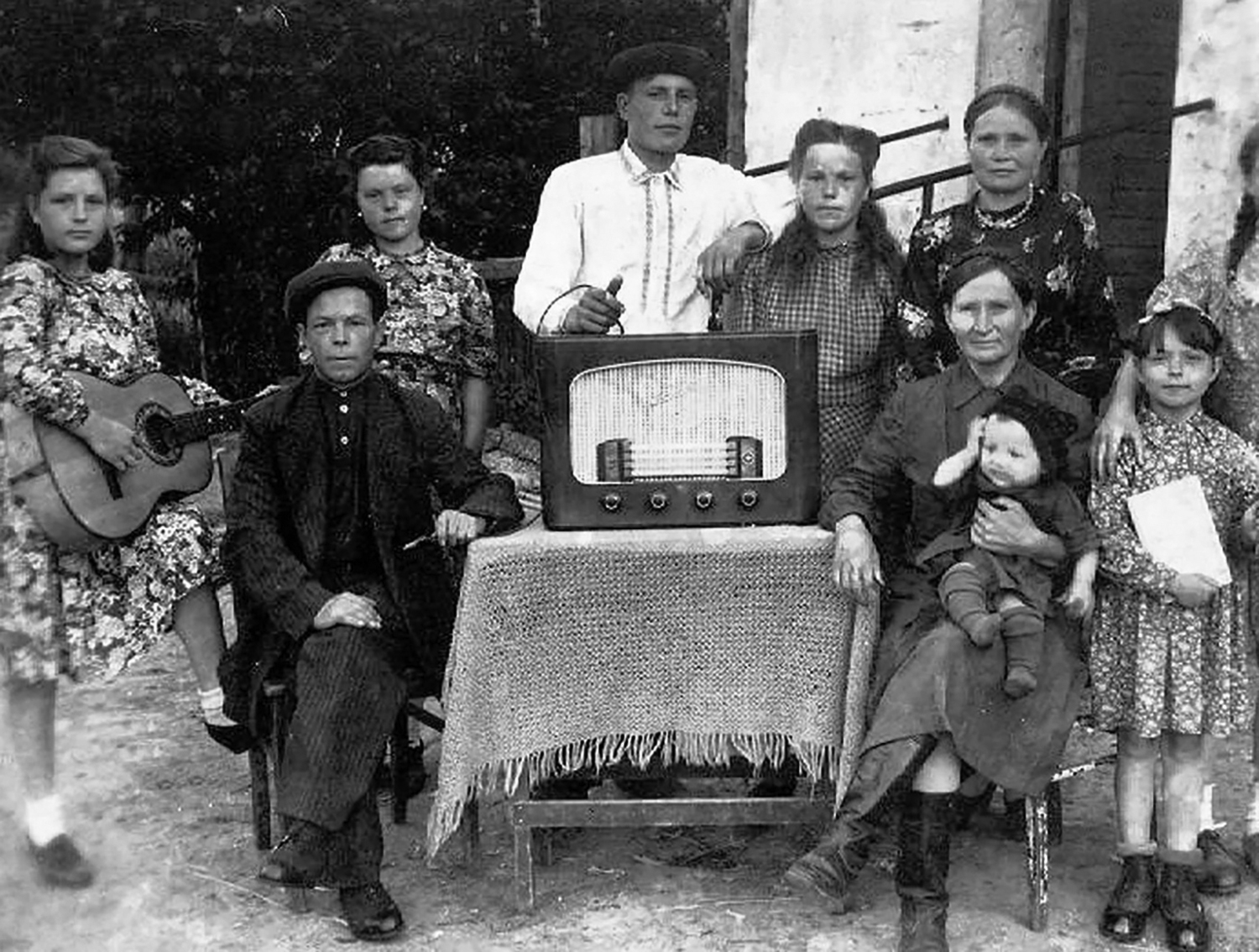
“About a million came, and a million left,” recalled Anatoly Bakhtin, an archivist in Kaliningrad. “For example, of the whole railway car that brought my parents here from Siberia, only one or two families stayed. The others went back to mainland Russia. It was not because there was nowhere to live: there were plenty of empty German houses, fully furnished, sometimes even with farms or household property intact. Nor was it because the land was poor: for Germans, East Prussia had been a ‘machine for living,’ with one of the best drainage and land-reclamation systems in Europe. Ordinary people left because they felt this was not their native soil. It was not Ryazan or Kostroma province — it was German land, and therefore, only yesterday, enemy land.”
Those who stayed often could not — and did not want to — adopt the German way of life that had been built over centuries. Houses, courtyards, and farm buildings were remade “for themselves,” in the image of the Russian village they knew. German infrastructure was perceived as alien and unintelligible. It was not mastered so much as dismantled, rebuilt, and replaced.
This was not just a cultural conflict. It was also a form of survival under conditions of near-total ignorance. In the first years, settlers behaved like scouts, exploring the territory “from ravines and raspberry thickets to drainage systems and mills,” while Soviet newspapers adopted a rhetoric of discovery: “found,” “tracked down,” “obtained.” In the towns, German technical documentation was often missing, making it difficult to restore water, sewage, and basic urban infrastructure. (Source )
The remaking of daily life was often crude. In 1947, settlers ordered 1,200 Russian stoves for urban apartments that had originally been equipped with German heating systems. Radiators were torn out and, in the best case, used as foot-scrapers at the entrance to a home. Today this sounds almost comic, but in the postwar years it was part of a larger process: an alien “machine for living” was being replaced by the familiar apparatus of Soviet life. (Source)
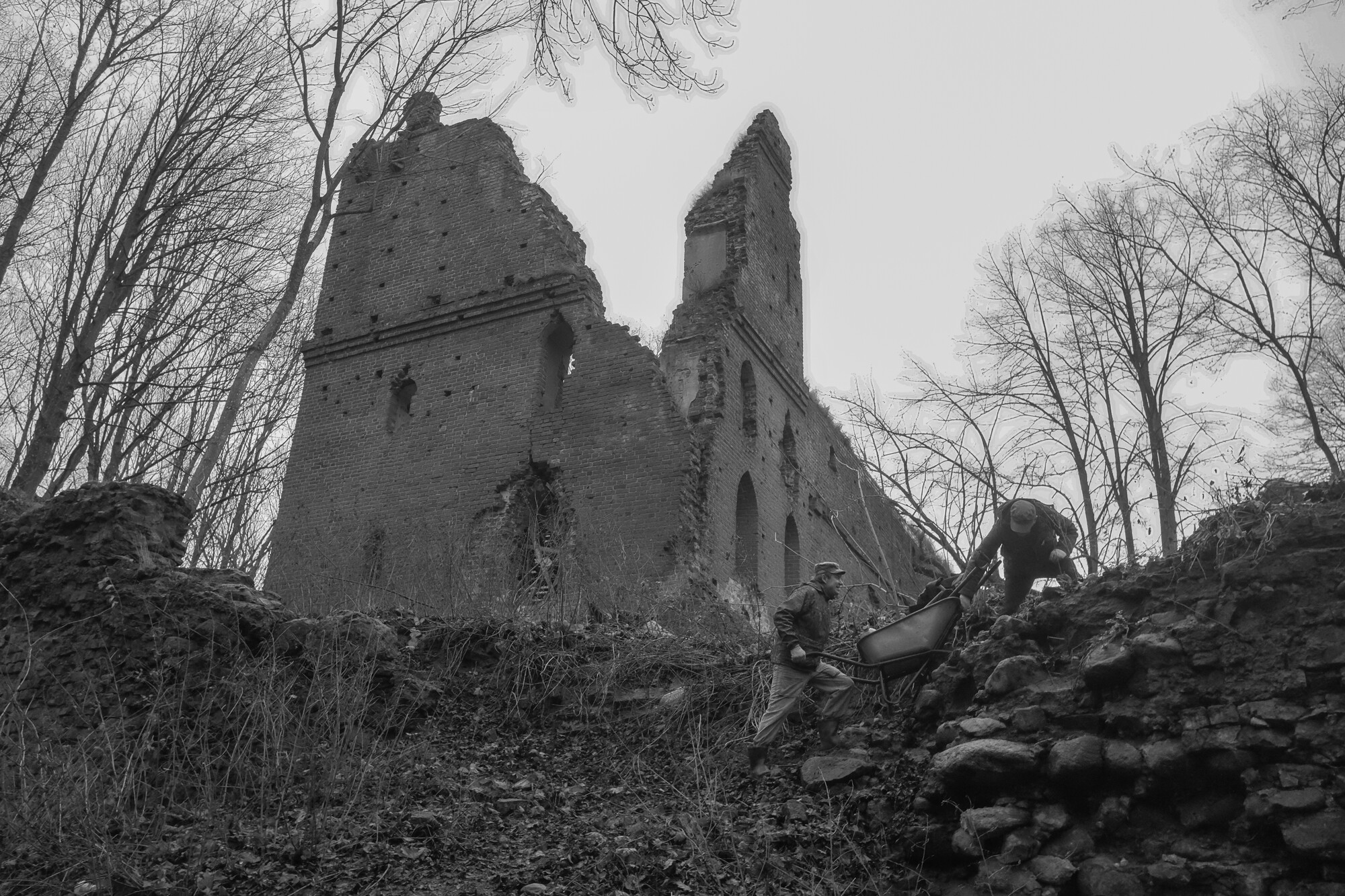
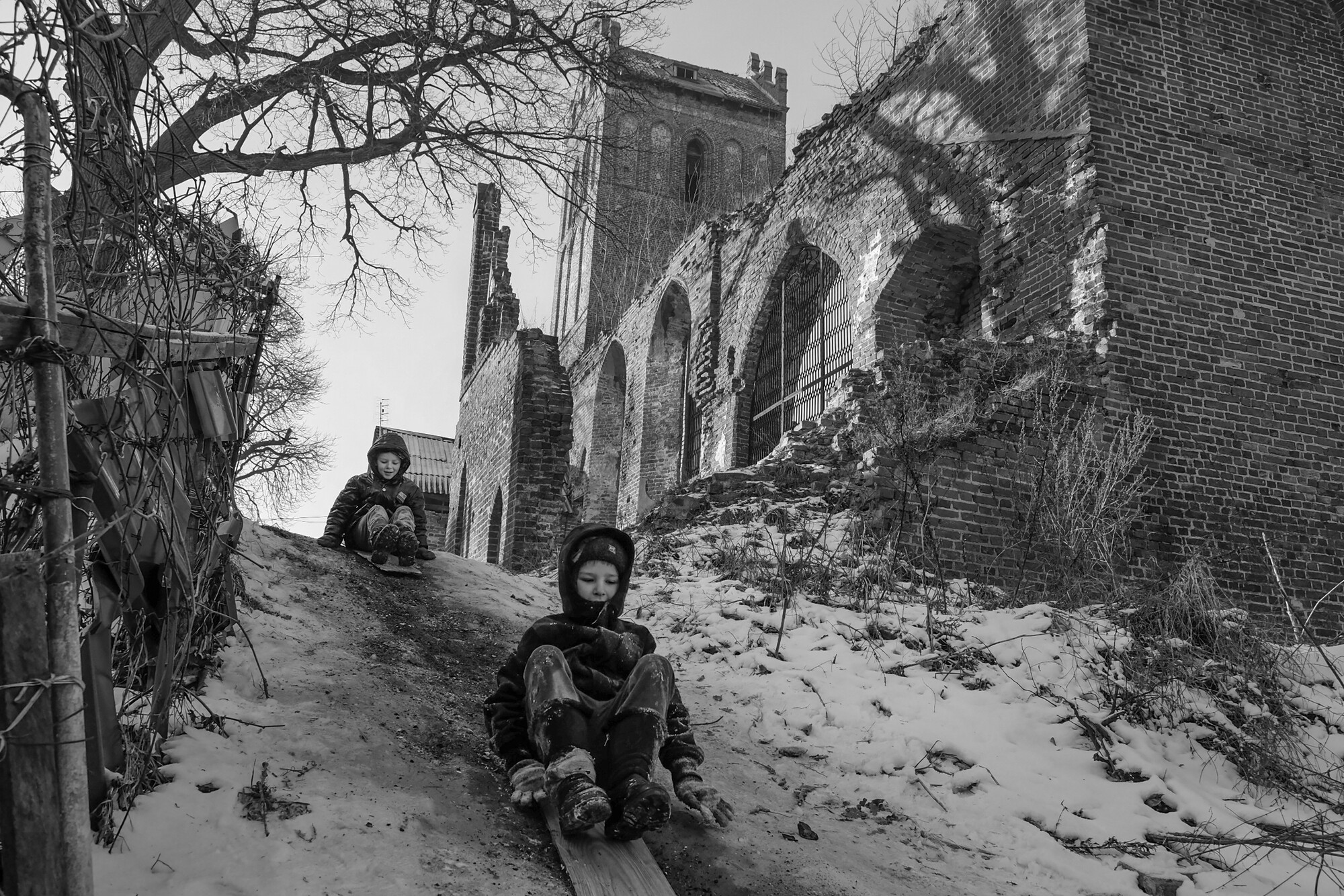
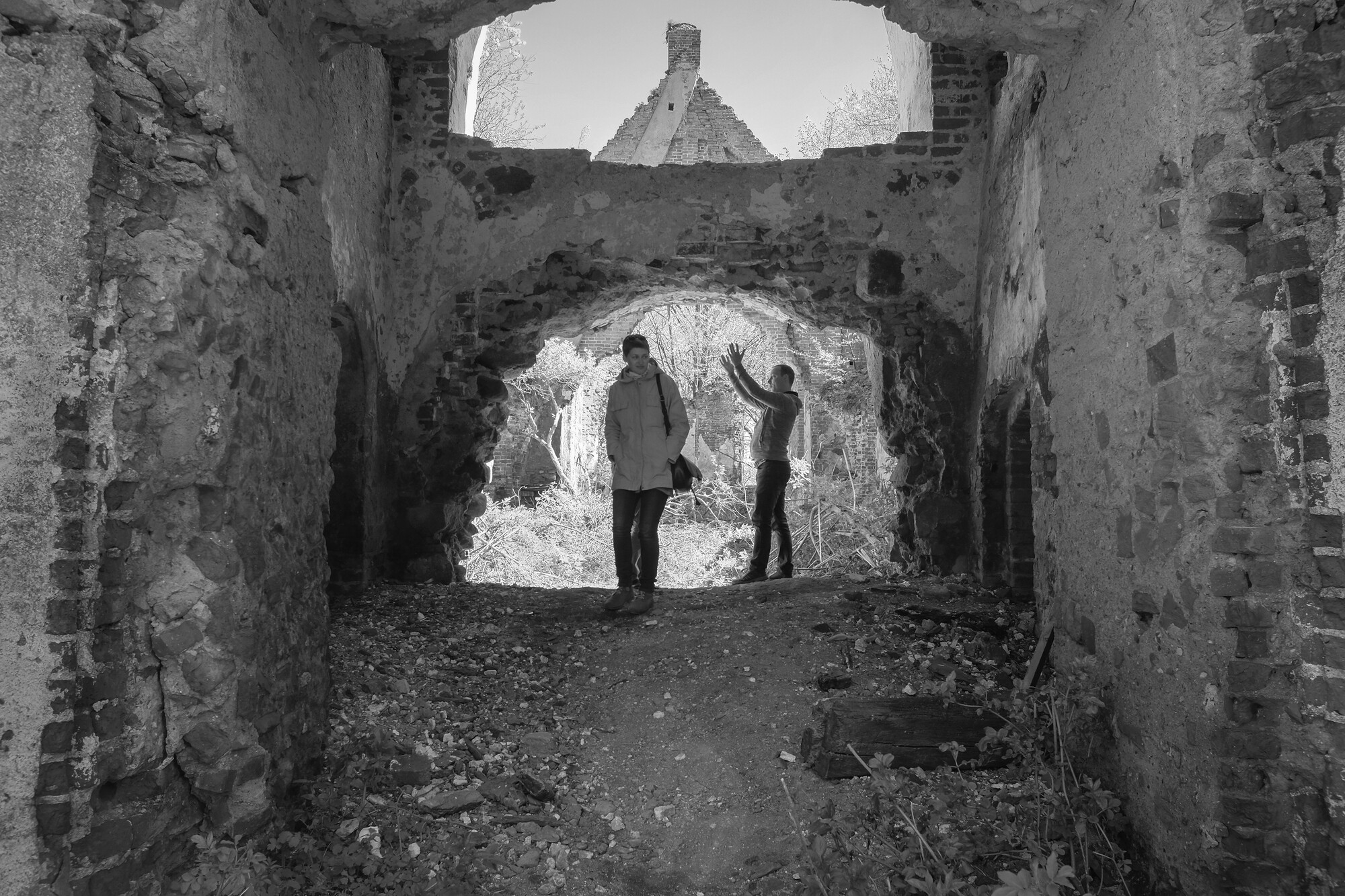
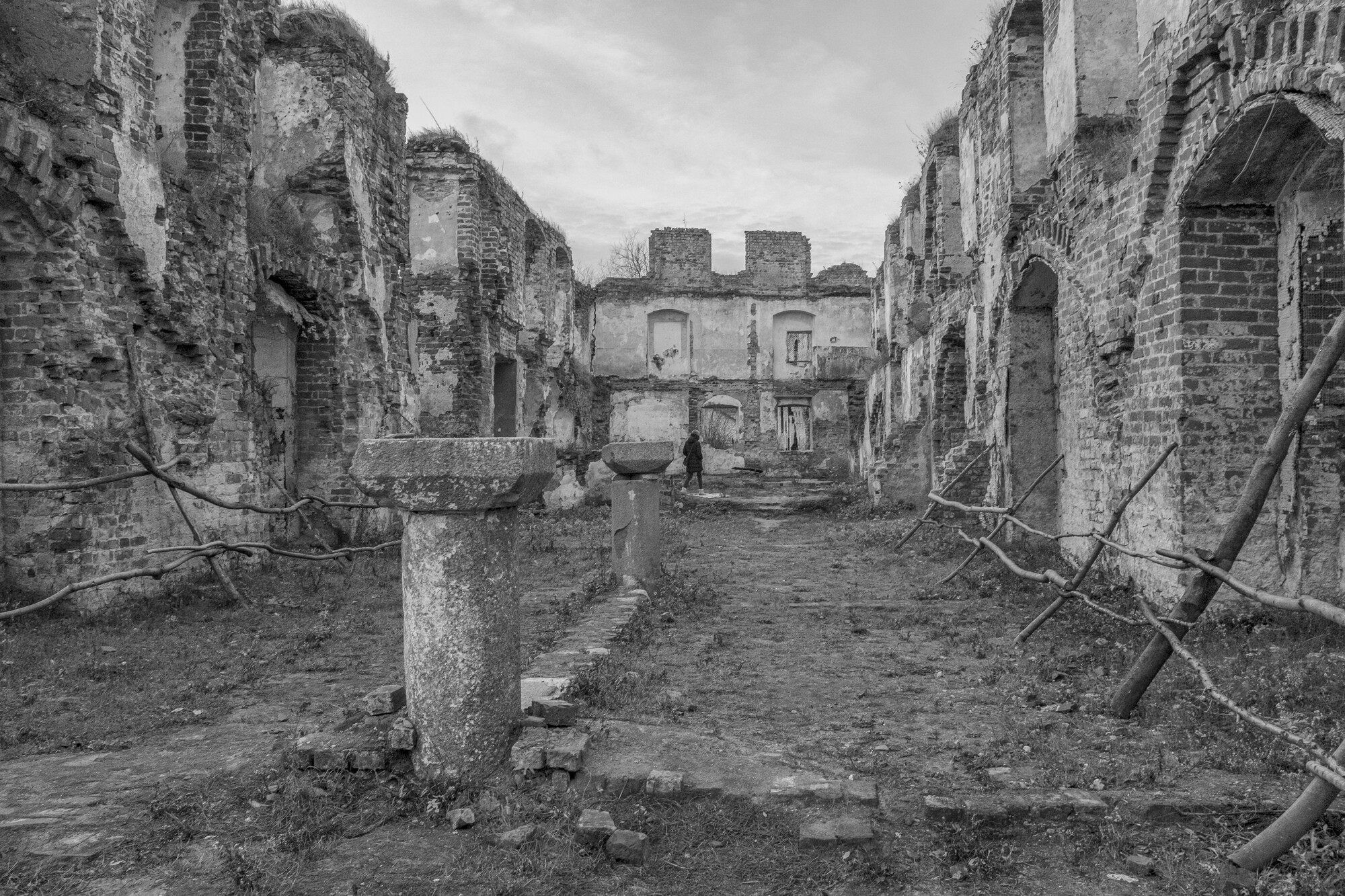
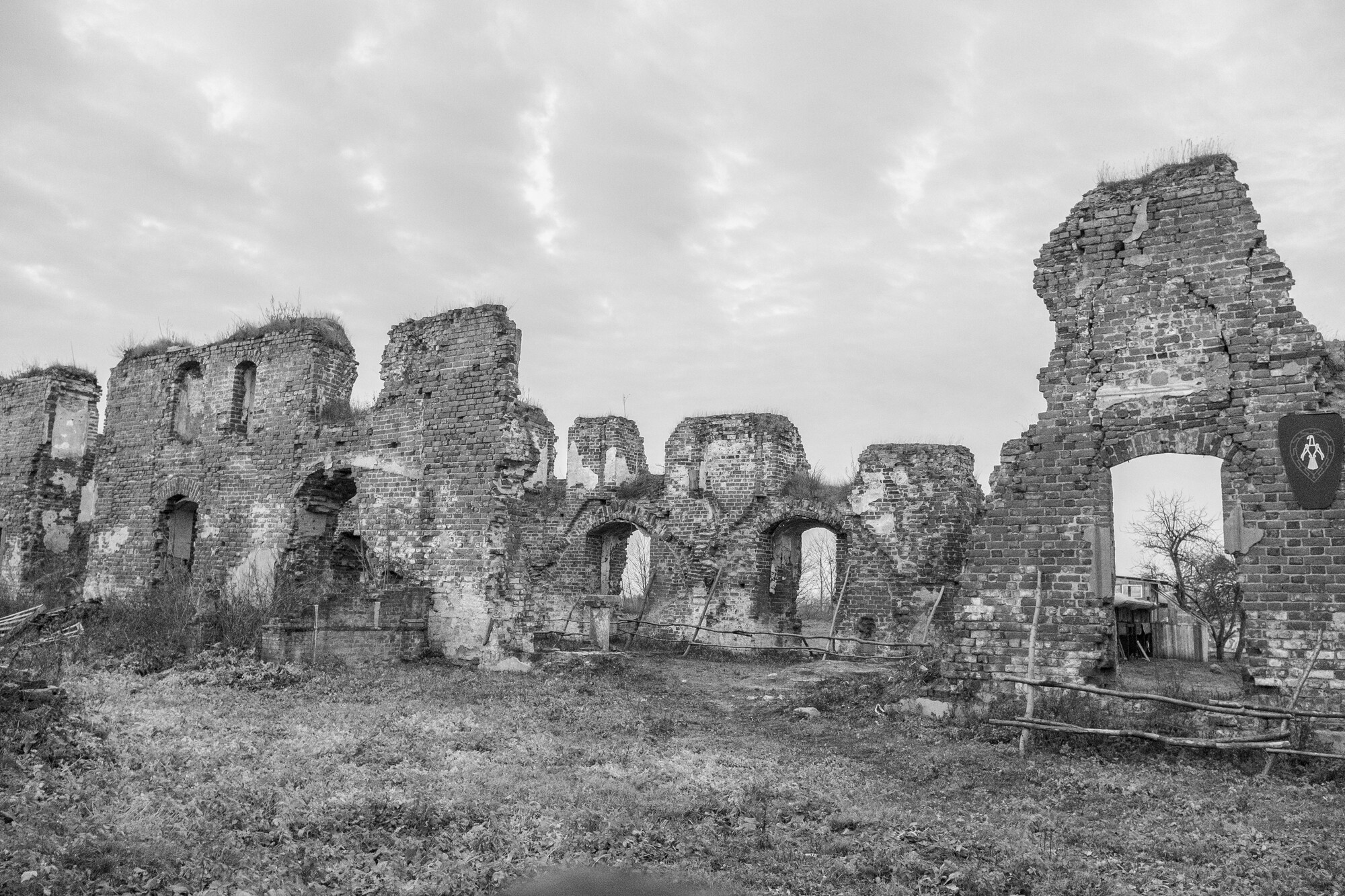
The destruction of historic brick architecture was equally telling. Many churches, castles, and farm buildings disappeared not during the war but after it — blown up, dismantled, or recycled as building material. In Soviet times, brick was shipped by barge to Vilnius, Riga, and Leningrad for postwar reconstruction, while settlers used it freely to build barracks and sheds. Today, old German brick is sold online, prized for fireplaces and interior decoration in the mansions of Moscow officials and businessmen.
The drainage system of former East Prussia offers another revealing example. Built long before the war, it was sophisticated and essential. But for new Soviet residents it looked like something strange and unnecessary. They did not understand what it was for, nor how to maintain it. It slowly collapsed — not only as infrastructure, but as a whole culture of relating to the land.
In memoirs of the first settlers, one detail returns again and again: clay drainage pipes buried in the soil were sometimes mistaken by collective farm workers for remnants of unfinished demining. Believing them dangerous, they removed them from fields and gardens. (Source: “East Prussia Through the Eyes of Soviet Settlers” )
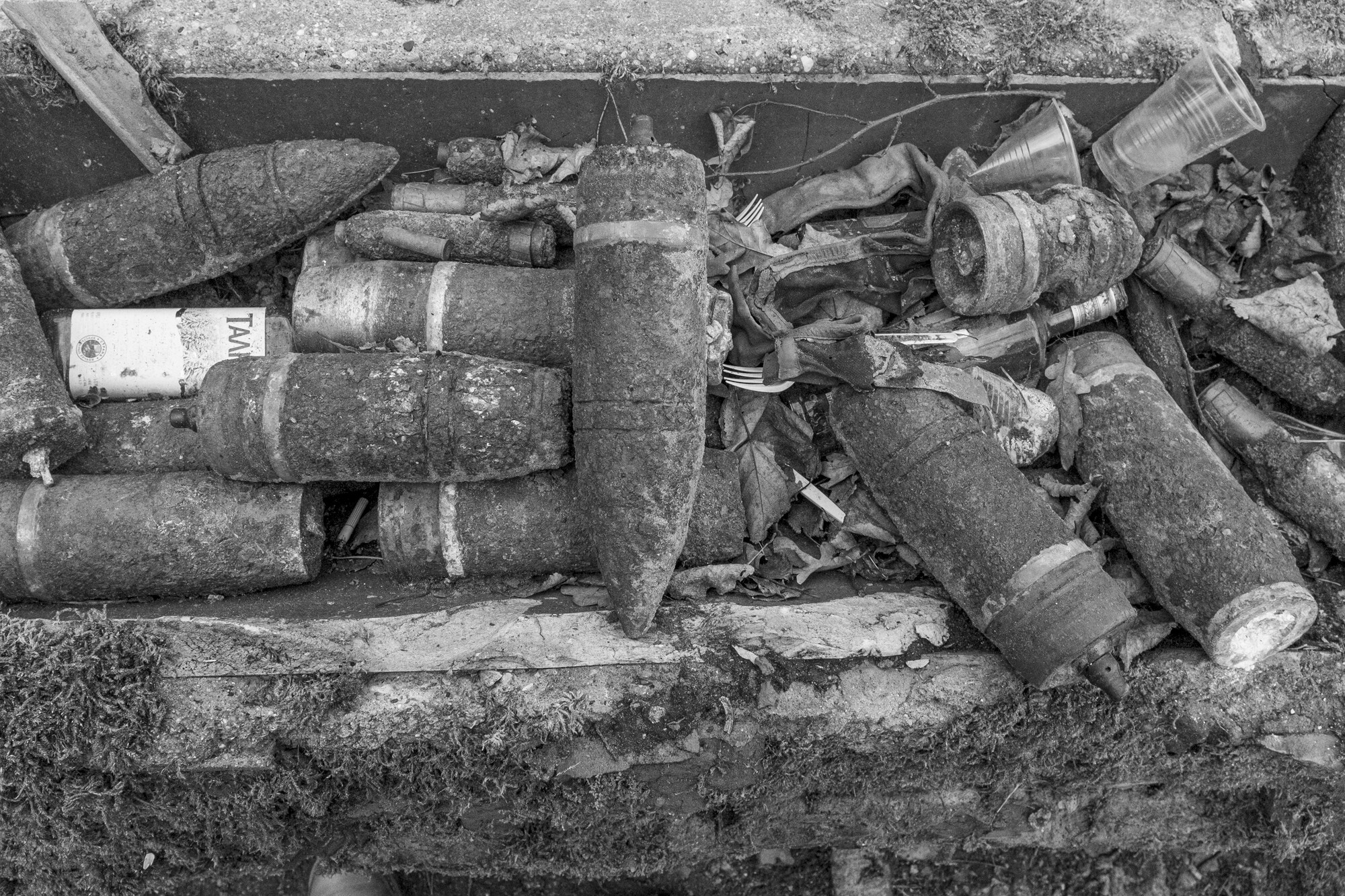
“It was not only ignorance,” Bakhtin says. “The region was saturated with weapons, mines, and bombs. As boys, we lived among this abandoned arsenal, buried everywhere in the ground. Weapons often went off when children played with them.”
What mattered was not only personal wartime experience, but also ideology. In Soviet language, East Prussia was fixed as enemy territory, and that metaphor endured for decades. The postwar remaking of the region was never simply practical. It unfolded under the assumption that what was alien had to be turned into something “our own,” and as quickly as possible.
By the early 1990s, Kaliningraders had come to believe the land was theirs forever. And that was precisely the moment when a question once considered taboo began to surface: what should be done with the German past — with what remained in stone, in names, and in cultural memory?
“Königsberg, Forgive Us” and the Window to Europe
Only by the early 1970s did second-generation Kaliningraders begin to feel that they would live here permanently. Postwar reconstruction had been completed, Sovietization was largely finished, and daily life had finally taken root.
But with perestroika in 1985, and even more after the collapse of the Soviet Union, that certainty weakened again. A region that had spent decades as a closed military outpost suddenly found itself in a world of open borders and open questions about its own past.
By the mid-1990s, in a newly free society, people began talking publicly about what had long been ignored: traces of another culture, remnants of German heritage that had survived war, Soviet remaking, and the dismantling of historic monuments.
Former residents of East Prussia and their children began returning as visitors. Kaliningraders, meanwhile, traveled to Europe more often than to mainland Russia. At the level of ordinary life, this did not feel ideological so much as geographical: the border was nearby, travel was easy, and Europe became the normal horizon of everyday experience.
A frequently cited figure says that around 60 percent of Kaliningrad Region’s residents hold international passports, against about 20 percent in Russia proper. The exact numbers may be debated, but the proportion matters: in the 1990s and 2000s, the region truly had a denser experience of travel abroad and cross-border contact than most of Russia.
It was in this atmosphere that a term first appeared which would later become an accusation: “re-Germanization.” In the 1990s it had two meanings. For some, it was a warning: the region, they feared, was drifting away from Moscow’s orbit. For others, it named a search for local identity that no longer fit inside Soviet ideological categories. In cultural life, this meant renewed interest in prewar architecture, in the German chapters of local history, and even in the return of the name “Königsberg,” if only in conversation and in books.
In that spirit, the historian Yuri Kostyashov organized a sociological field expedition with university students and faculty to collect testimonies from Soviet settlers in East Prussia. The result was the book East Prussia Through the Eyes of Soviet Settlers. In today’s Russia, that book — like many others — is effectively banned from sale.
(Source: “East Prussia Through the Eyes of Soviet Settlers”)
By the end of the millennium, cultural ties between Kaliningrad Region and Germany were expanding rapidly, often bypassing Moscow. The German-Russian House appeared in Kaliningrad. The local photographer Dmitry Vyshemirsky published a photo album with the eloquent title Königsberg, Forgive Us. This was not just an artistic gesture. It expressed a broader social mood: after borders opened and new facts about the war became public, many people wanted to say “forgive us” — not as a political formula, but as an attempt to reconcile themselves with the history of the place and with their own presence on this land.
At the same time, a border economy was emerging: small businesses near Lithuania and Poland, shuttle trade, transport services, used German cars, and the practical routines of frontier life. Regional authorities tried to promote a special economic zone. It is hardly surprising that many Kaliningraders increasingly saw themselves as people of a European borderland — sometimes with open snobbery toward arrivals from Moscow. But the period did not last.
German investment in Kaliningrad Region increasingly came to be interpreted through a single question: was Germany preparing, someday, to reclaim the territory?
“Will we be sold to Germany? …” That question, put to Vladimir Putin by a student during his 2002 live conversation with the nation, captured something essential in the regional mindset. (Source)
“[…] The West has enough time to detach this land from Russia through the slow economic and cultural integration of your region into Europe. You know how a cuttlefish slowly swallows some little worm and then digests it for a long time? […]” Putin replied.
By the 2010s, the process had reversed. Cultural themes that in the 1990s had looked like attempts to find a language of reconciliation with the past were increasingly treated as threats. They passed into the realm of surveillance, control, and suspicion.
What Was Prussian Became Russian
That reversal became visible around 2012, when mechanisms for transferring religious property came into force in mainland Russia, and historic buildings in the region — above all former German churches — began to be handed over to the Russian Orthodox Church.
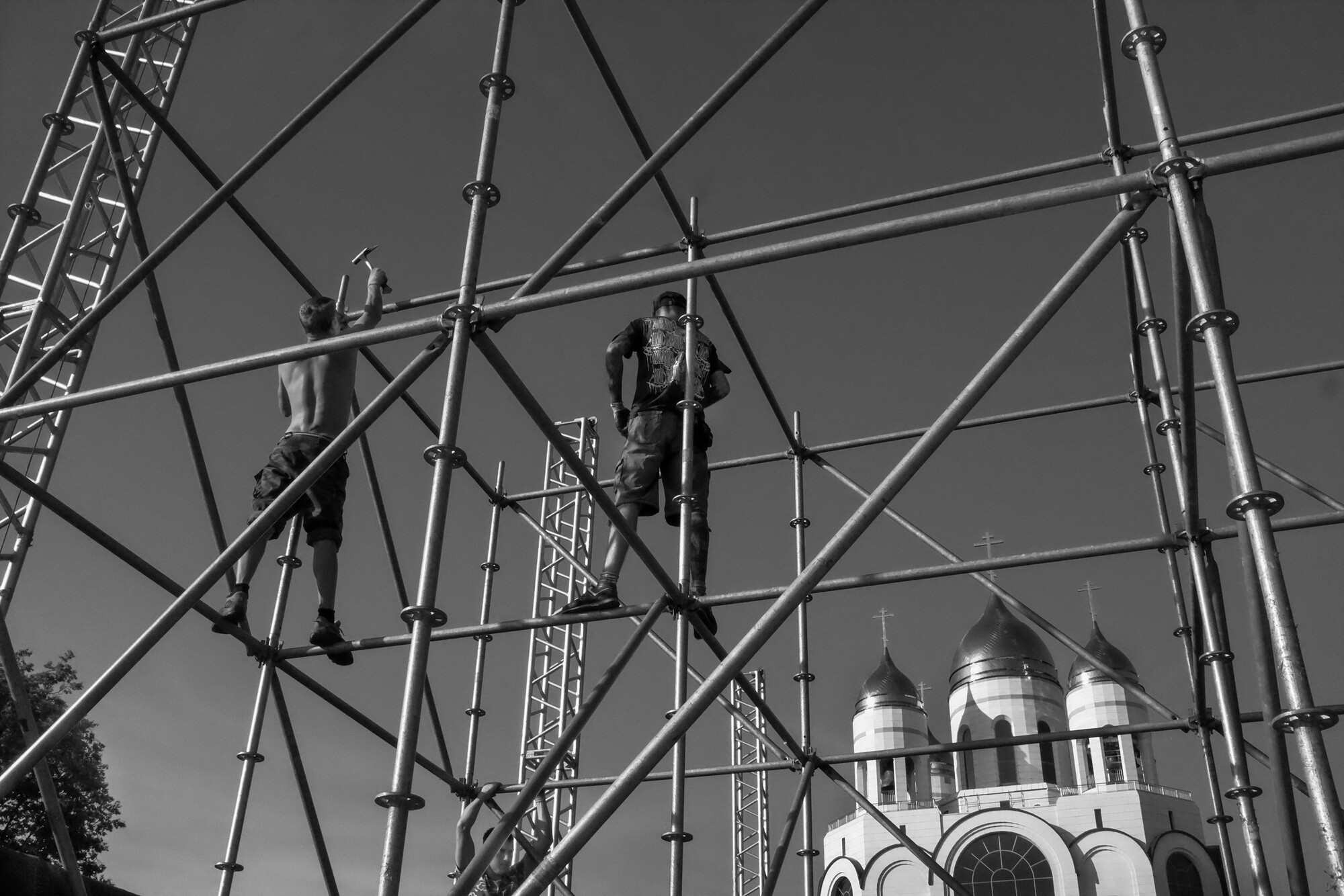
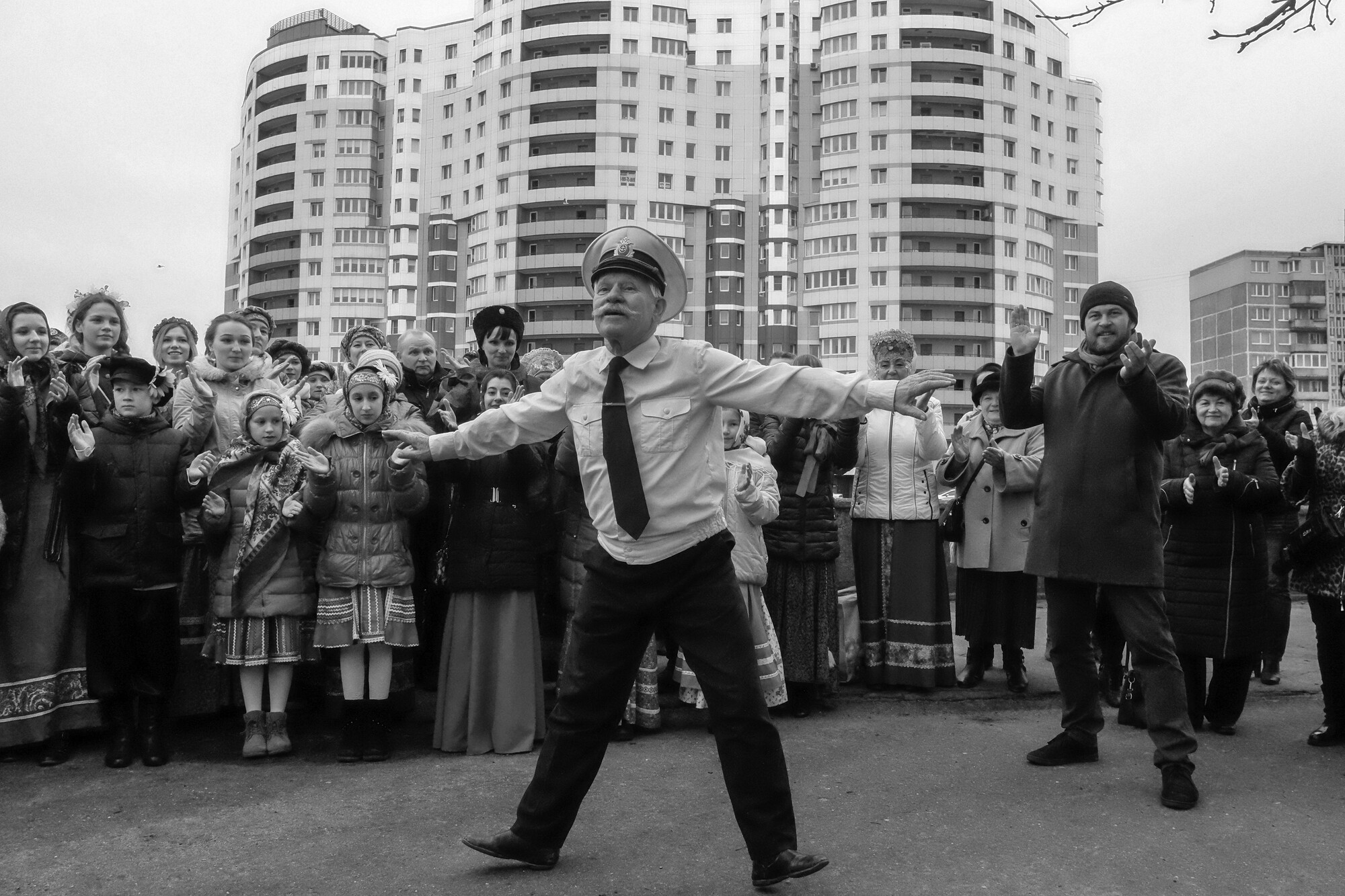
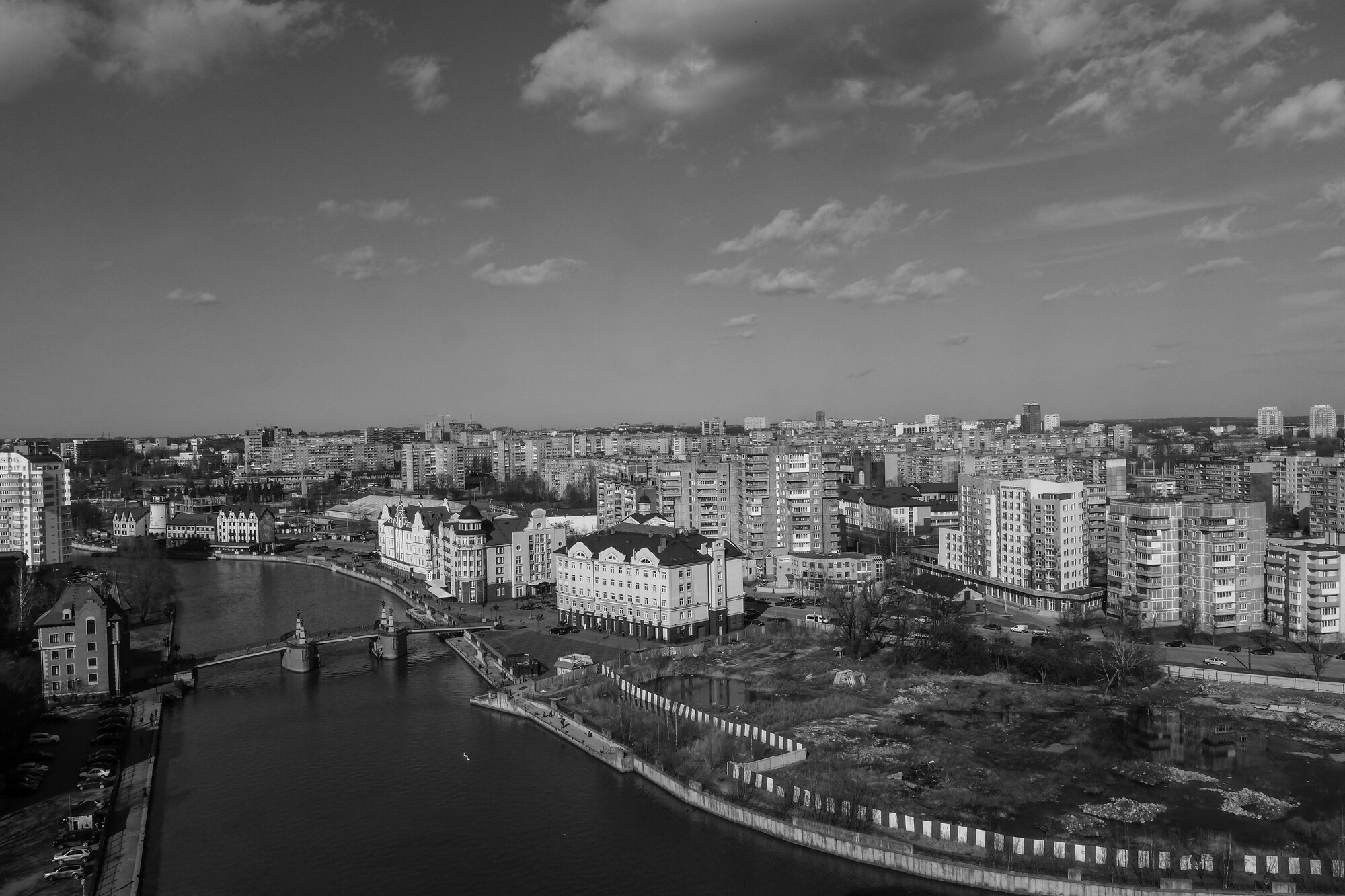
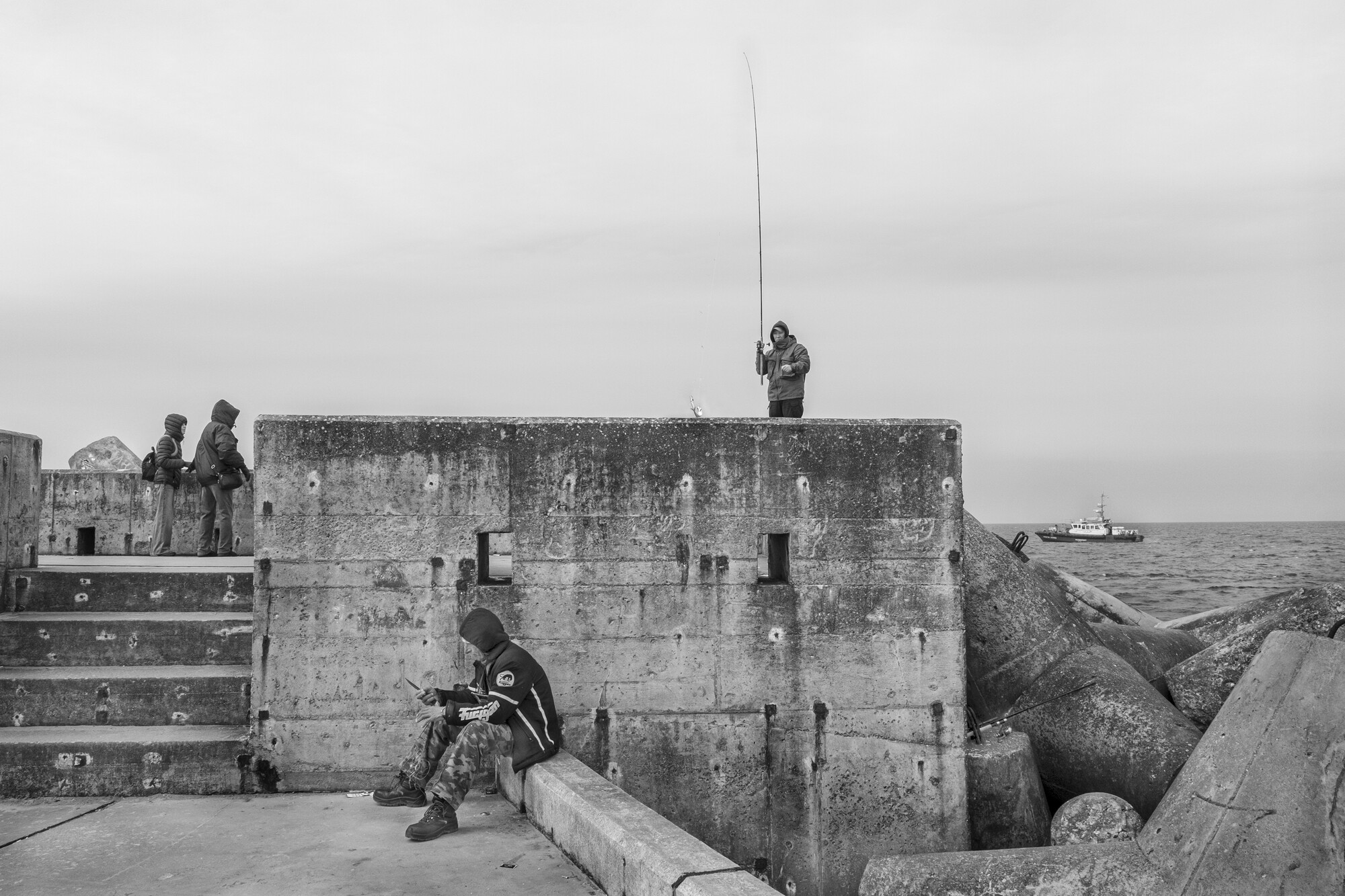
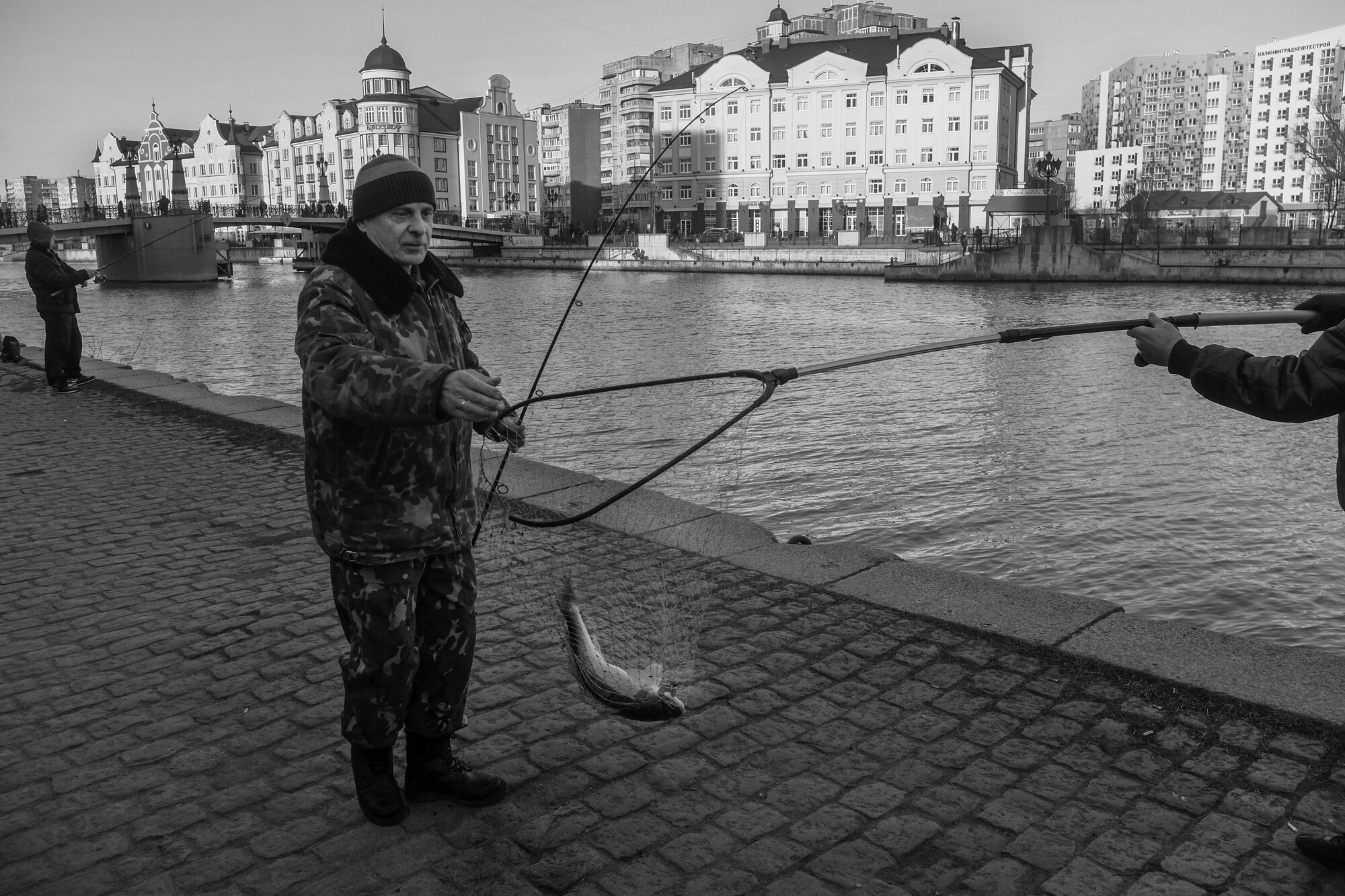
Officials transferred a whole series of cultural heritage sites to church structures, even though these buildings had never belonged to the Russian Orthodox Church. Under the law, the Church was meant to receive only those properties confiscated from it by Soviet power. Yet in Kaliningrad Region it received the Puppet Theatre (Königin-Luise-Gedächtniskirche), the Kaliningrad Regional Philharmonic (Kirche zur Heiligen Familie), the St. Nicholas Convent (Juditter Kirche), along with a number of castles and ruined structures across the region.
In theory, such a process could be described as restitution, or as the return of sacred meaning. In Kaliningrad, it looked different: another stage in the renaming and reappropriation of space, in which the German past was not treated as complex history but turned into raw material for new symbolic power. The phrase what was Prussian became Russian ceased to be metaphor. It became administrative practice.
According to Anatoly Bakhtin, some of these buildings had been restored with German money. Investors from Germany had supported specific projects. But after the buildings were transferred to the Russian Orthodox Church, many withdrew and stopped funding restoration. The reasons, Bakhtin says, were simple: trust disappeared, the rules became opaque, and Russia has very few specialists in Gothic architecture.
“There are no prospects. In five years, everything will collapse completely anyway. So it makes no difference who owns these heritage sites,” he says. What was Prussian became Russian. Just one letter changes, but behind that tiny linguistic shift lies the exhaustion of historical meaning.
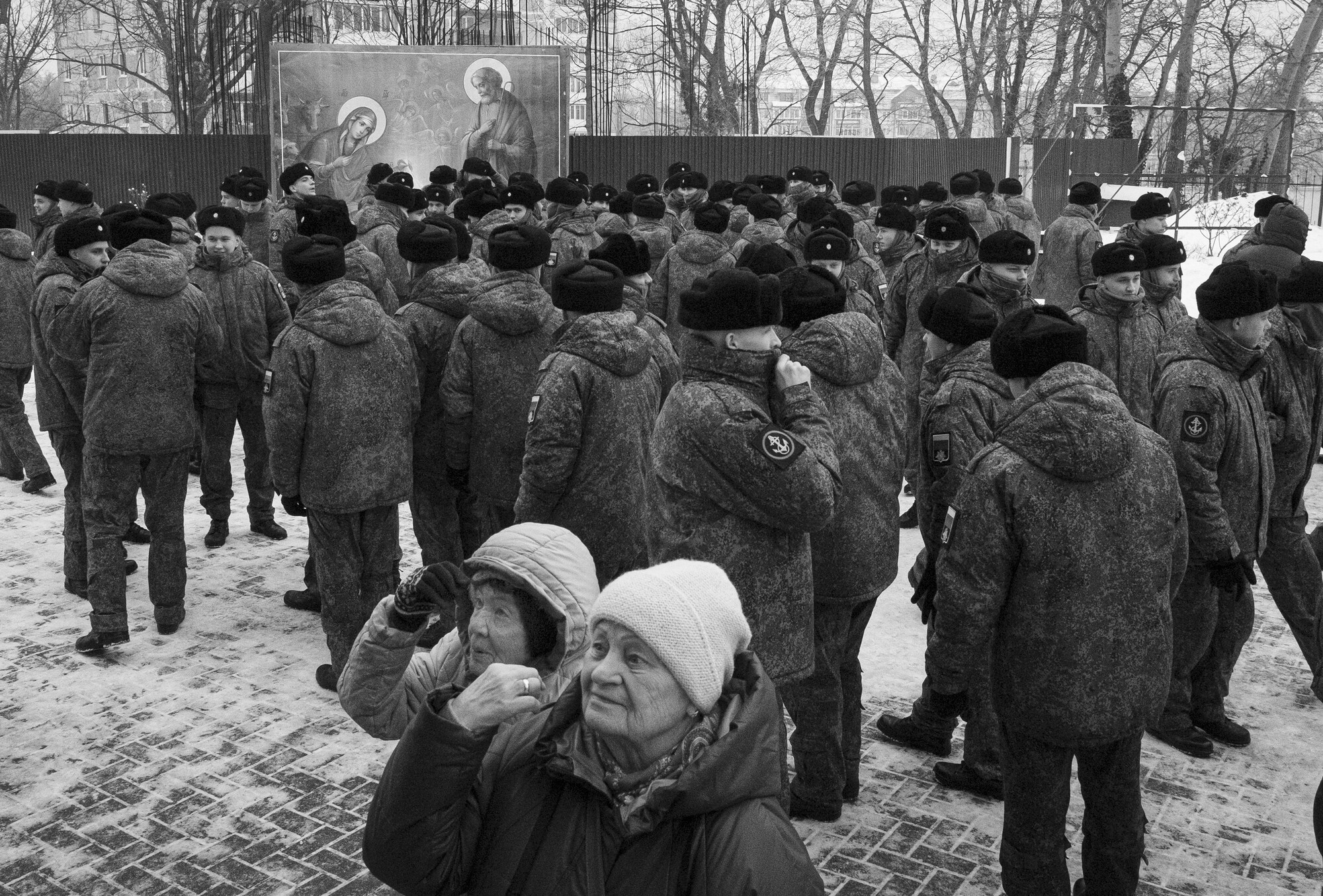
At the same time, the former East Prussia was undergoing what might be called an Orthodox baptism. At the end of 2016, a decision was taken to step up the construction of Orthodox churches and chapels in parks and public squares. Patriarch Kirill encouraged the process: Kaliningrad Region had once been his home diocese.
But after 2014 — after the annexation of Crimea — the federal center needed more effective ways of maintaining symbolic control over the exclave than soft patriarchal authority and recycled Soviet ritual. This was particularly true of the young. On Sundays, they were not going to church. They were driving across the border — into Lithuania on one side, Poland on the other — for cheaper and better food.
It was in this atmosphere that the word “Germanization” reappeared in local state media. But now it no longer described a natural search for language adequate to the place. It had become an accusation: “Germanizers.” The label was applied to people who wanted to preserve Prussian monuments, study in Europe, build professional links there, or simply look toward the future instead of the past. In that logic, any mention of prewar East Prussia could be recast as “rewriting the history of the war,” “betraying memory,” or even threatening state security. Once culture is translated into suspicion, it inevitably produces the guilty.
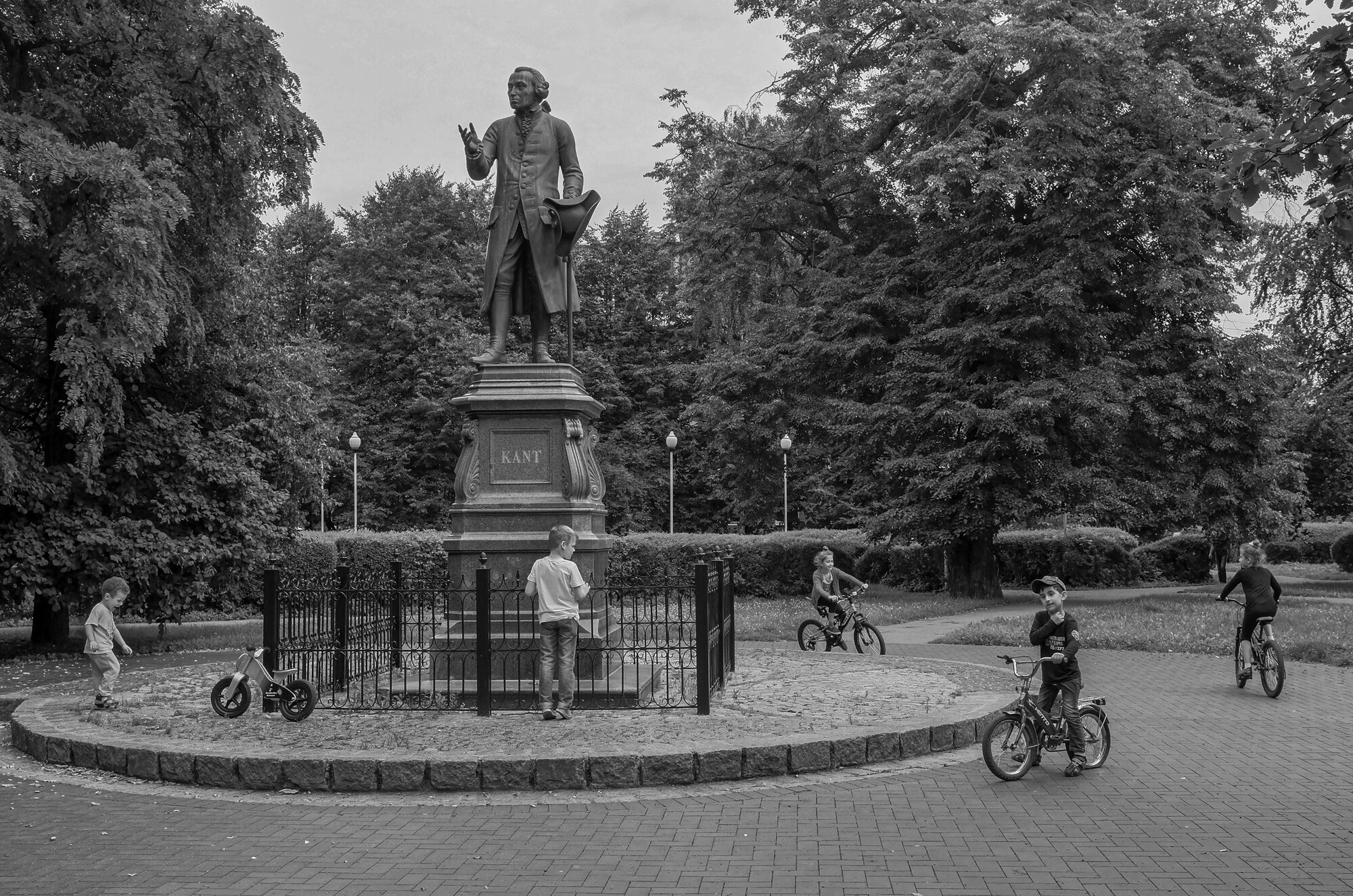
History Under Prosecutorial Supervision
The hunt for “Germanizers” in Kaliningrad Region did not begin all at once. It emerged through a series of public conflicts in which cultural matters — monuments, memorial plaques, charitable initiatives, ties to Germany — were gradually reframed as political threats. In this story, officials and security services matter. But so do regional state media, which shifted the tone from suspicion to accusation, from a dispute about the past to a matter of state security.
The poet Agnes Miegel (Source ) was a symbolic and controversial figure in East Prussian history. The point is after Hitler came to power in 1933, she joined the Nazi Party. But In Kaliningrad was placed a memorial plaque in 2016 on the house where she had once lived in Königsberg triggered a public scandal. Prosecutors ruled that commemorating a Nazi Party member was impermissible. The plaque was removed. A precedent had been set: the line between preserving memory and “justifying Nazism” was drawn in the harshest possible terms, without distinction between poetry, biography, and context. After that, any gesture connected to the region’s German past became easier to mark as politically dangerous.
The next target was the German-Russian House. Its designation as a “foreign agent,” and the fines attached to the case, did not function in public perception as mere legal procedure. They worked as moral branding: an “agent” meant someone alien, and therefore suspect. Cultural exchange, educational programs, restoration initiatives — all became suspicious simply because they were linked to Germany. (Source)
On state television, the motif became a coherent narrative of threat. The regional film Königsberg. Dislocation assembled “Germanization,” “desecration,” “nationalists,” and “separatism” into a single plot, linking them to specific people and organizations as though they were parts of one network. In such a framework, culture ceases to be culture. It becomes evidence of loyalty or disloyalty. Such media do not investigate reality so much as manufacture it, offering viewers a ready-made scheme into which new suspects can be inserted.
In this atmosphere, “Germanizer” ceased to be a metaphor. It became the role of the accused. In media logic, “love of all things German,” interest in Prussian heritage, or even public use of the name “Königsberg” could be turned into a political or criminal marker.
The criminal case against the Baltic Vanguard of Russian Resistance (BARS) was a high-profile prosecution launched in Kaliningrad Region in 2017 against a group of monarchists led by Alexander Orshulevich. The coercive machinery moved in. In the case of the BARS movement, there were searches, arrests, and prosecutions. The method was familiar: first a person is made into a character in a media story; then that character becomes a criminal defendant.
As a witness for the defense in the BARS trial, I asked the judge: “Do you really believe that these young people, recent university graduates, wanted to seize power by force in Kaliningrad Region, restore the city’s name to Königsberg, and join the European Union?” The judge did not answer — perhaps because the courtroom had burst into laughter. The verdict still came: prison terms ranging from three to eight years. (Source)
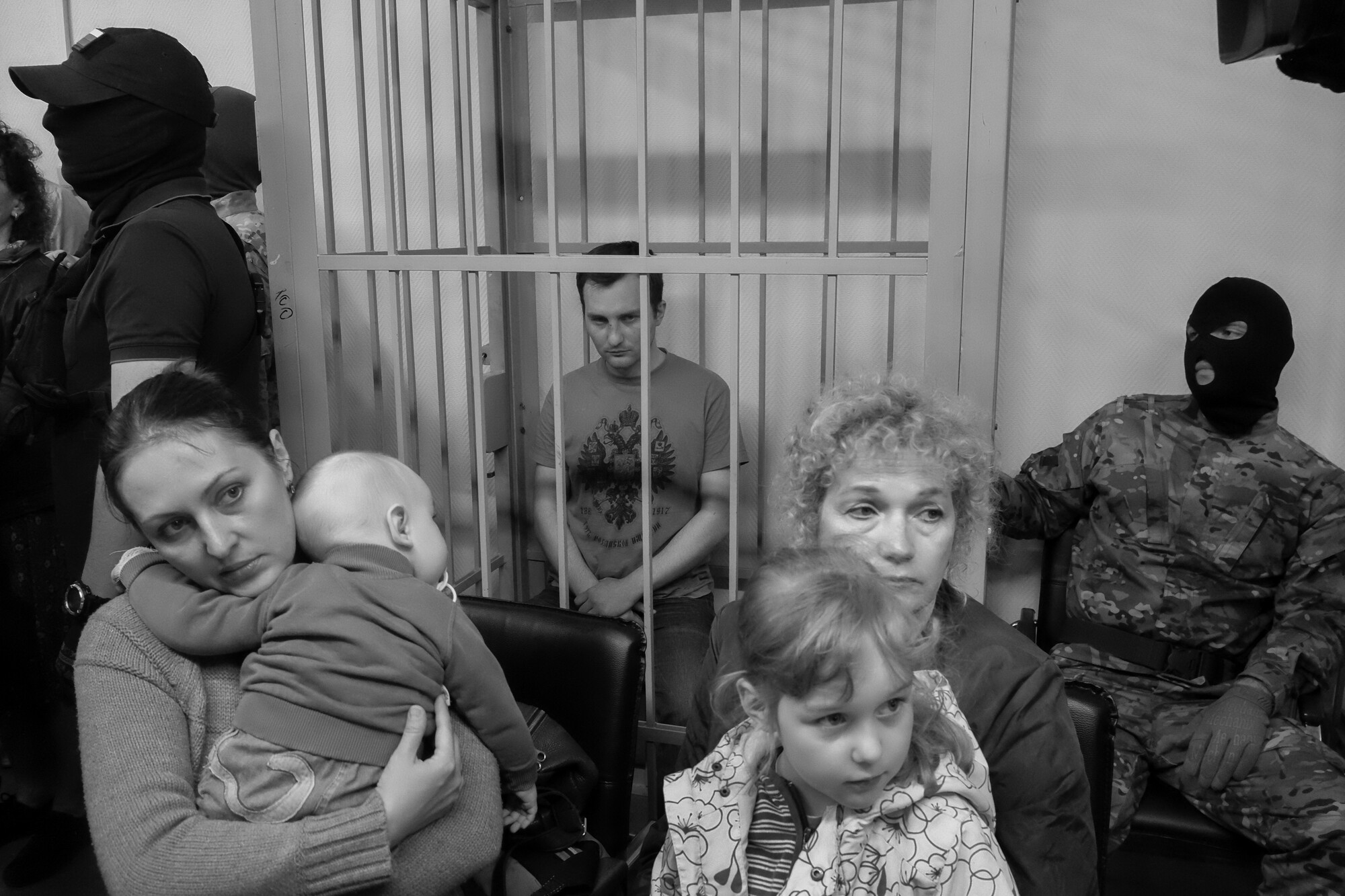
Photo by Oleg Klimov
Photographs from the courtroom show how this judicial theater works. The defendant, Aleksandr Orshulevich, stands in a cage. Nearby are his wife and children. In the same room are masked officers. What is formally supposed to be a legal procedure looks instead like a scene of force in which the family itself becomes part of the pressure. The seats are filled not with ordinary citizens but with police cadets. According to the defense, and to Orshulevich himself, his detention involved humiliation, violence, and the use of force and special means.
Maria Bontsler, a Kaliningrad lawyer who took part in the defense in many politically sensitive cases in the region, was herself sent to pre-trial detention in May 2025 on charges of “confidential cooperation with a foreign state” — a provision human rights defenders describe as a kind of lighter version of treason.
In July 2025, a UN Special Rapporteur said Bontsler should be released immediately and that her detention appeared to be retaliation for her professional and human rights work. (Source)
She has not been released. Meanwhile, the region’s public sphere is increasingly filled with cases that the security services describe as “terrorism,” “extremism,” and “sabotage.” In 2024–2025, the FSB reported arrests in Kaliningrad Region over alleged bomb plots, attacks, and acts of sabotage, including one case involving a German citizen. In such a high-threat atmosphere, cultural themes are easily translated into the language of state security: the German past becomes suspicion, interest in heritage becomes motive, and public activity becomes risk. (Sources)
At the Baltic Cultural Forum held on April 16, 2026, presidential aide Vladimir Medinsky called for a revision of German elements in the symbolism and public space of the Kaliningrad region: “As you all know, German elements are widely present in the heraldic symbols of municipalities — to the extent that the coats of arms of Baltiysk and Chernyakhovsk are, in essence, almost complete reincarnations of German heraldry,” Medinsky said. He also noted that German names appear on the websites of local authorities and public institutions, while “Königsberg motifs” persist in everyday life. “Why is there cognac called ‘Old Königsberg’? Why ‘Königsberg marzipan’ rather than our own marzipan? There are dozens of such examples,” he concluded. (Source)
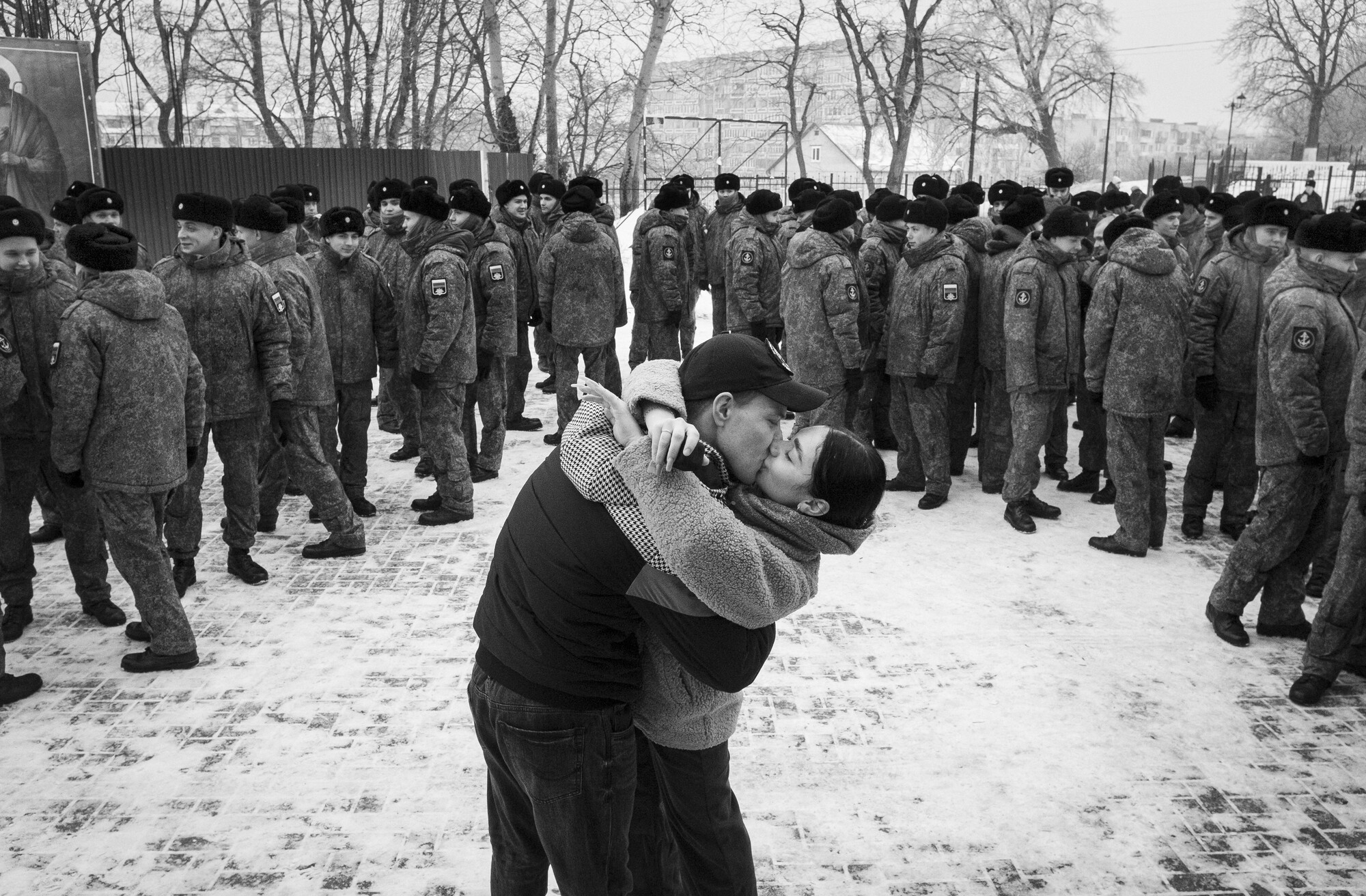
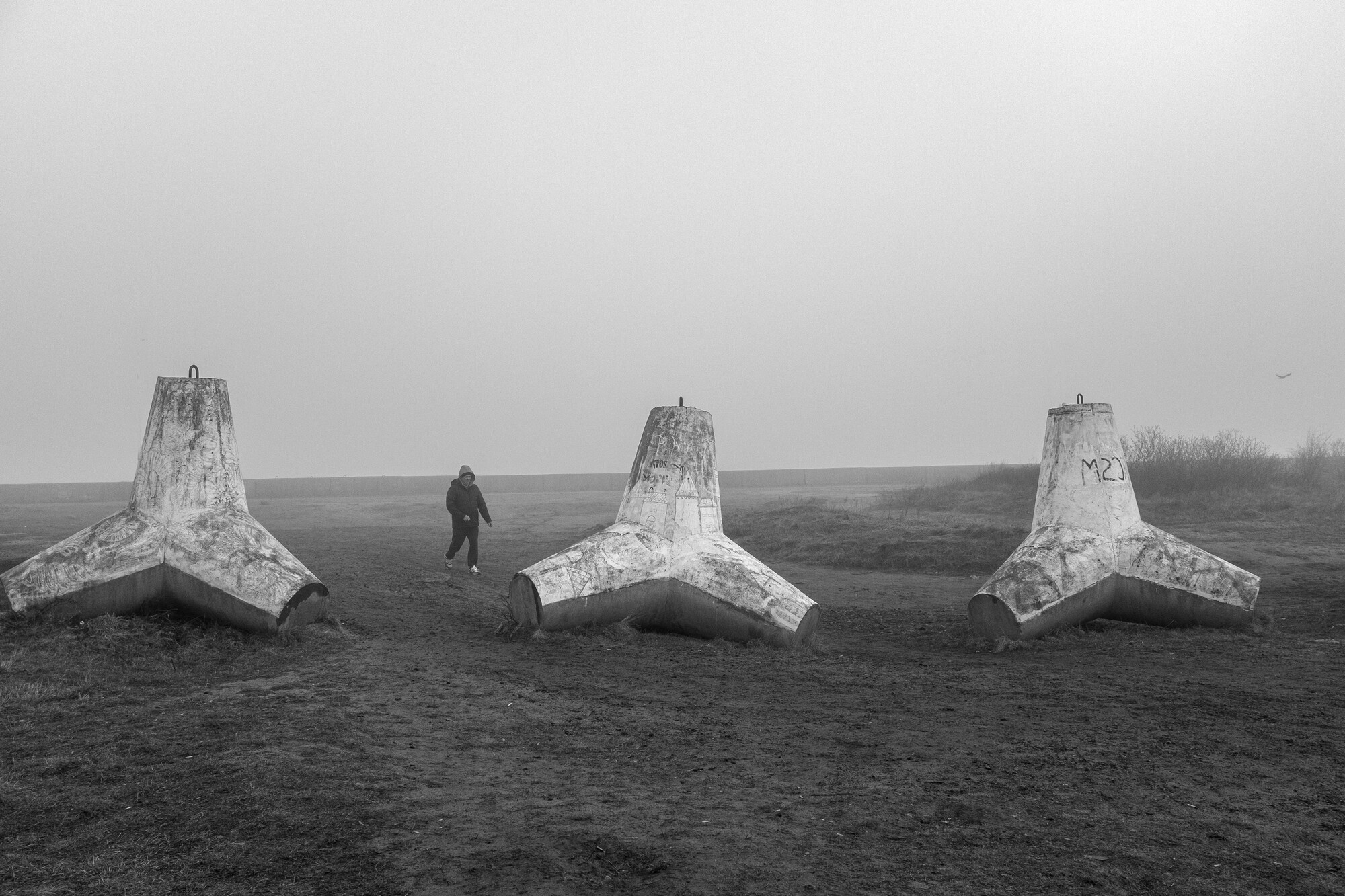
After the full-scale invasion of Ukraine in 2022, the logistics of Russia’s exclave became part of the sanctions regime. In July 2022, the European Commission clarified that transit between Russia and Kaliningrad through EU territory would remain possible only under tightly defined conditions: some rail transit was allowed under supervision, while road transit of sanctioned goods was banned. In response, sea routes became more important. The Ust-Luga–Baltiysk and St. Petersburg–Kaliningrad lines became both insurance and bottleneck. Limited ferry capacity and dependence on subsidies turned the supply of the exclave into a permanent administrative problem.
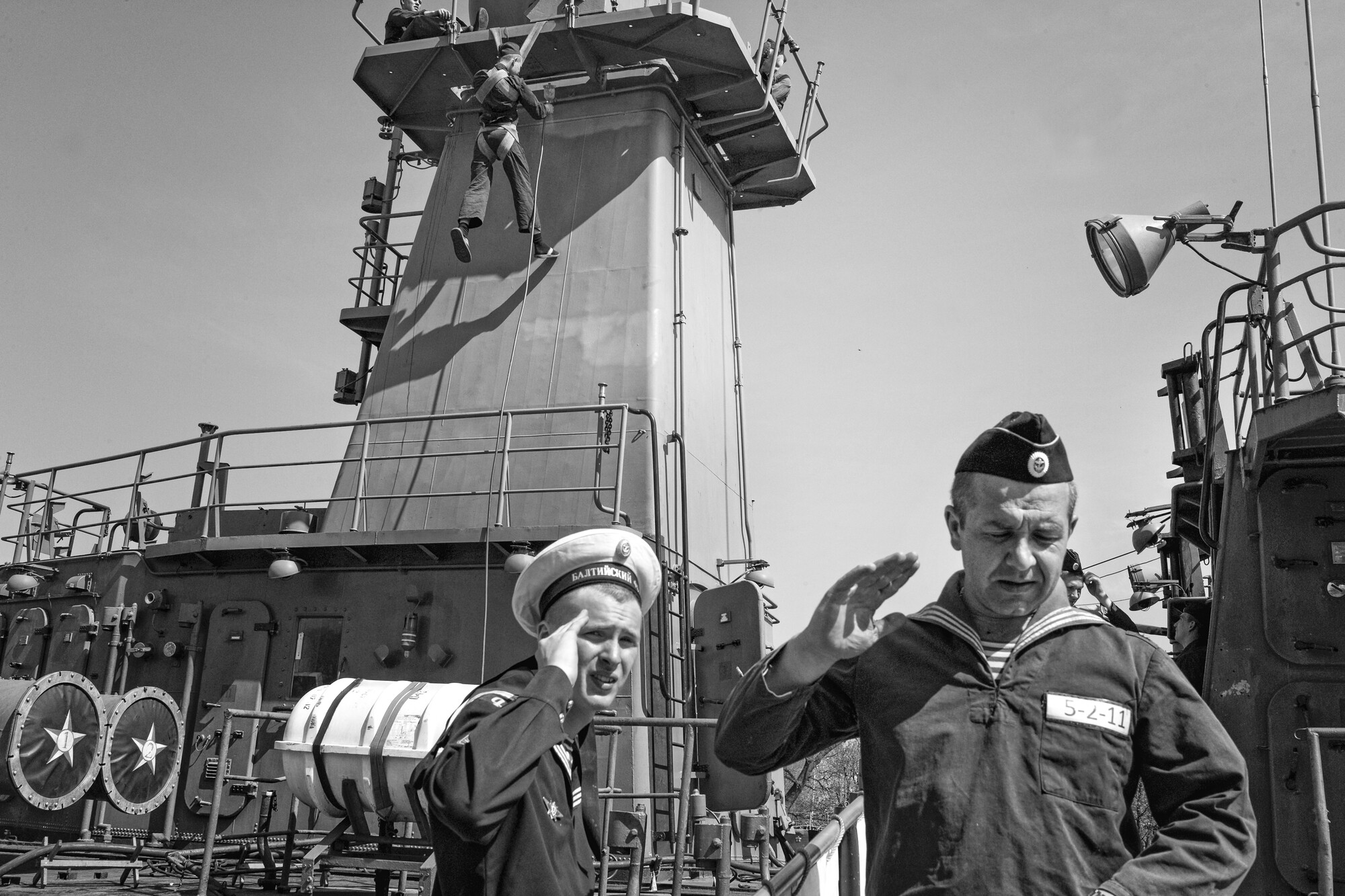
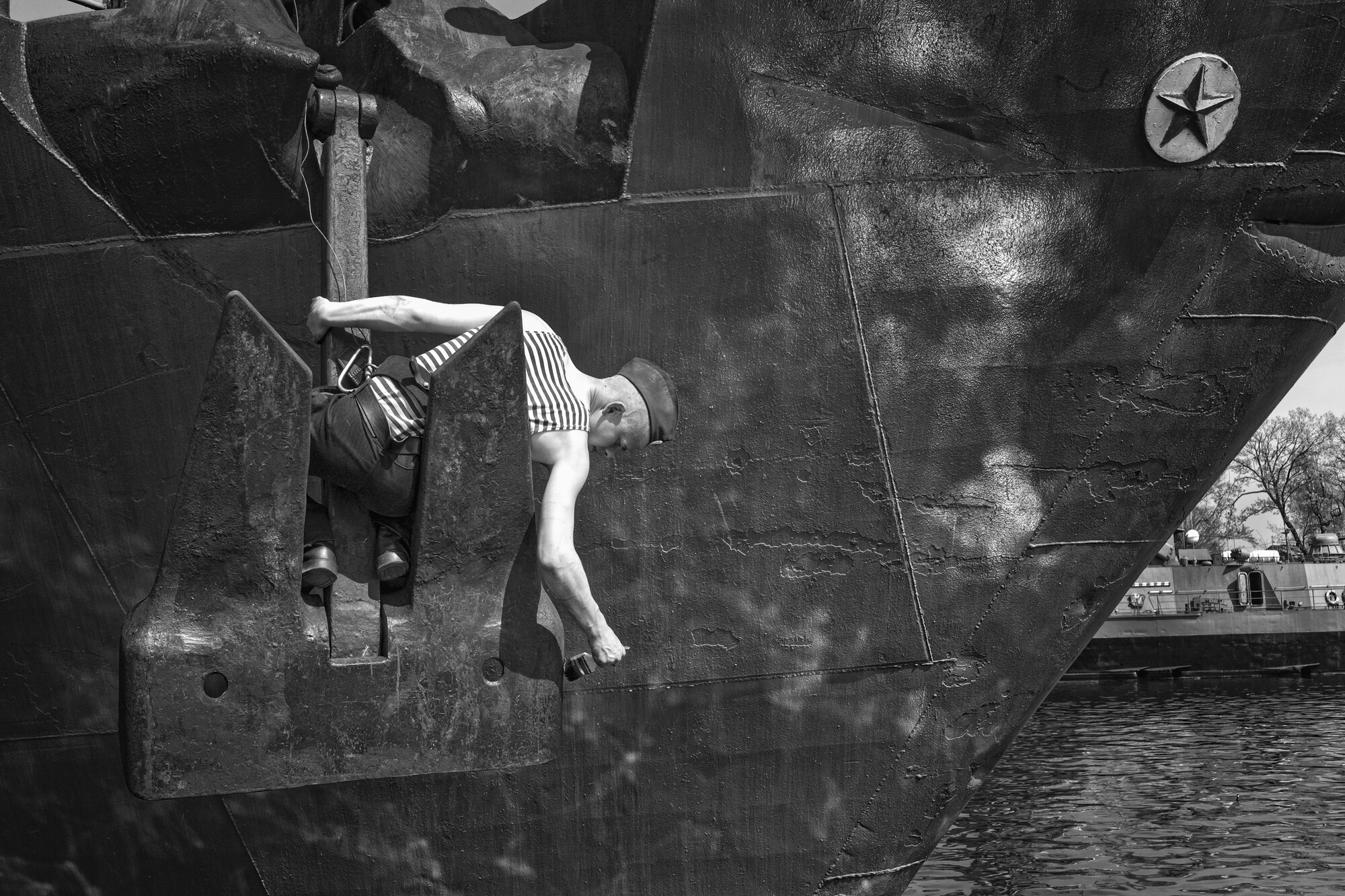
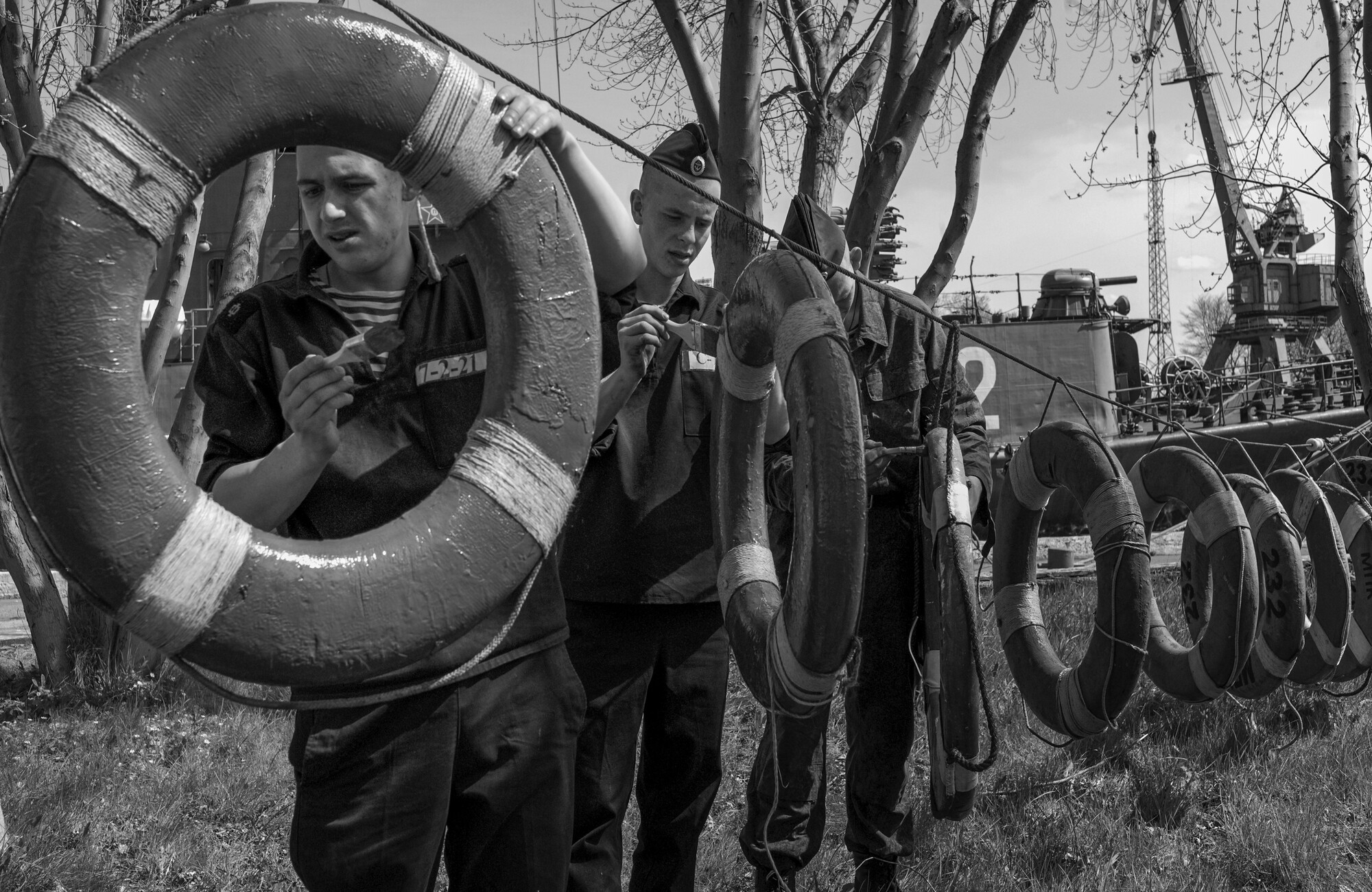
The exclave became an island. Its residents became islanders. And in European eyes, Kaliningrad once again looked less like a border society than like a Russian naval base — much as it had in Soviet times. (Sources)
Identity and the Technology of Manipulation
Even scholars do not agree on how to describe the region’s identity problem. “The search for identity, and the processes of Germanization said to follow from it, is a subject that is not only highly popular but deeply politicized,” argues the philosopher and sociologist Alexander Sologubov, drawing on the work of Professor Vladimir Malakhov on nationalism.
“We constantly observe how quickly an ideological base is stitched onto one political or economic division after another, how a conflict of interests is reinterpreted as a conflict of identities,” Malakhov writes.
The sociologist Yefim Fidrya of the Baltic Federal University agrees only partly. In his words, “the theme of Kaliningrad identity has been artificially inflated, and as a result has become a pretext for ideas of Germanization and separatism. But a distinct Kaliningrad identity is a myth, constructed in order to manipulate public sentiment.”
These positions can be framed in different academic terms — as a rupture in cultural transmission, as myth, as construct. But for an ordinary resident of Kaliningrad Region, the issue is more immediate. Once a person finds himself on conquered land, in a space marked by another history and another culture, the question Who am I? arises almost by itself. The trouble is that the answer increasingly depends on the state, which penetrates ever deeper not only into culture but into private life.
In the 1990s, the wish to say “forgive us” and the interest in German culture and heritage were ways of reconciling oneself with the place and with oneself. By the 2010s, that same interest was increasingly declared a threat, while people trying to preserve monuments, build cultural ties, or simply speak about the prewar history of the region were branded “Germanizers.” Identity ceased to be a conversation about memory. It became a tool of governance — used for mobilization into the “special military operation,” for punishment, for discipline, and for keeping the exclave inside the correct picture of the world.
In that sense, the story of Kaliningrad is not only about the past. It is about how easily culture becomes a matter of state security — and how easily a person can be made suspect for trying to understand where home is.
Oleg Klimov, long-form visual storyteller. Kaliningrad Region.
Available for Editorial Assignments
Photographer's Diary
Subscribe
Share the story — make the world freer: