
The Hospital Where War Did Not Exist
by Oleg Klimov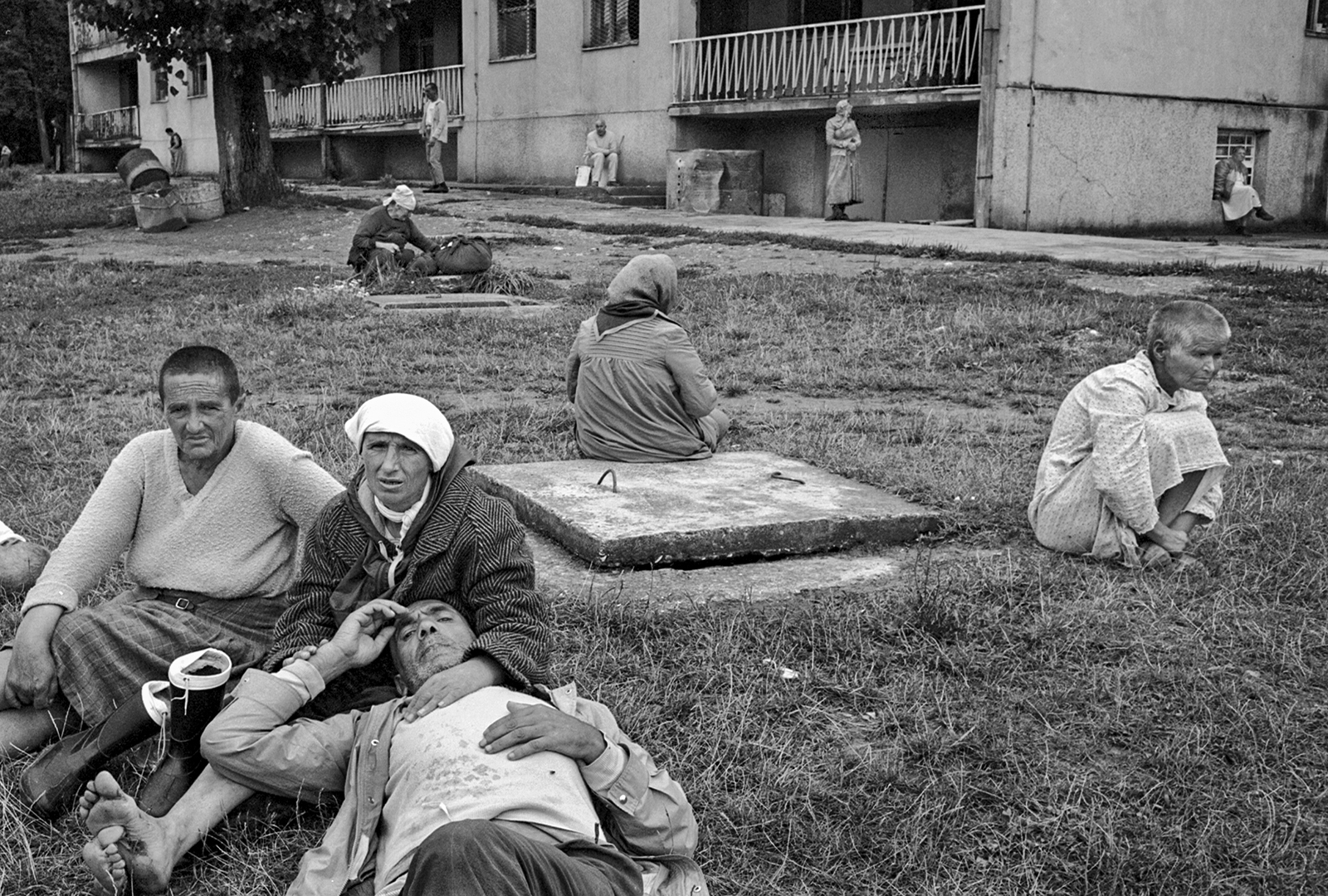
Serbs and Albanians Still Lived Together
The psychiatric hospital in Štimlje (Stimlje/Shtime), Kosovo, is a specialized institution known for the fact that during the 1999 war it operated under extreme conditions: the staff abandoned the facility, leaving behind approximately 100 adults and 35 children.
The hospital remains the only institution of its kind in the region, housing patients from different ethnic backgrounds, including Serbs, Albanians, and Roma.
(Kosovo, June — July 1999)
If I were as emotionally balanced as General Wesley Clark, I might say: I know a place in Kosovo where Serbs and Albanians can live peacefully together.
I might even disagree with the Serbian priest Amfilohije, who repeats day after day: “Evil for evil. A closed circle.”
But for those who are neither soldiers nor priests — who neither shoot nor preach — only one possibility remains: to go and look. No one is interested in your opinion.
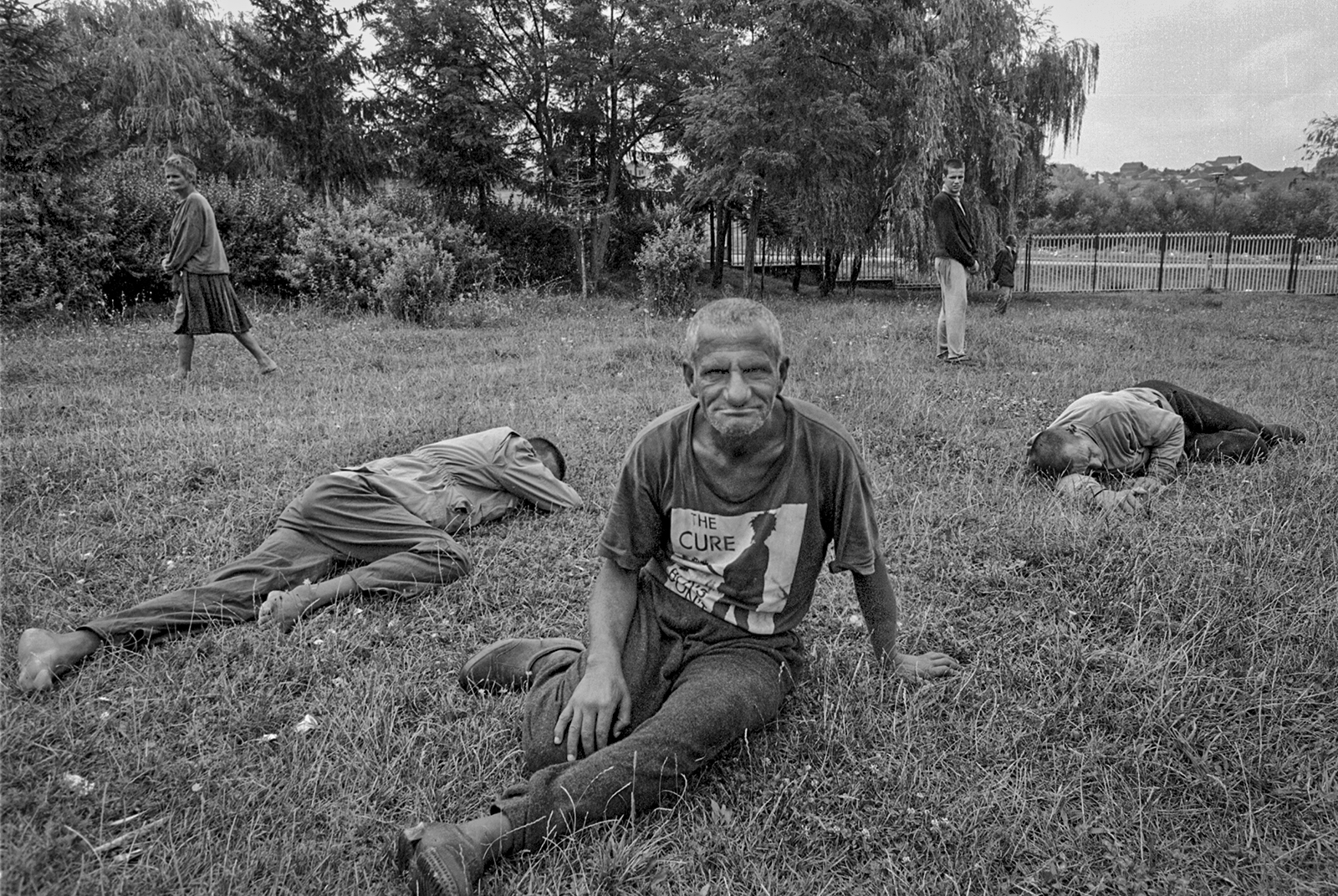
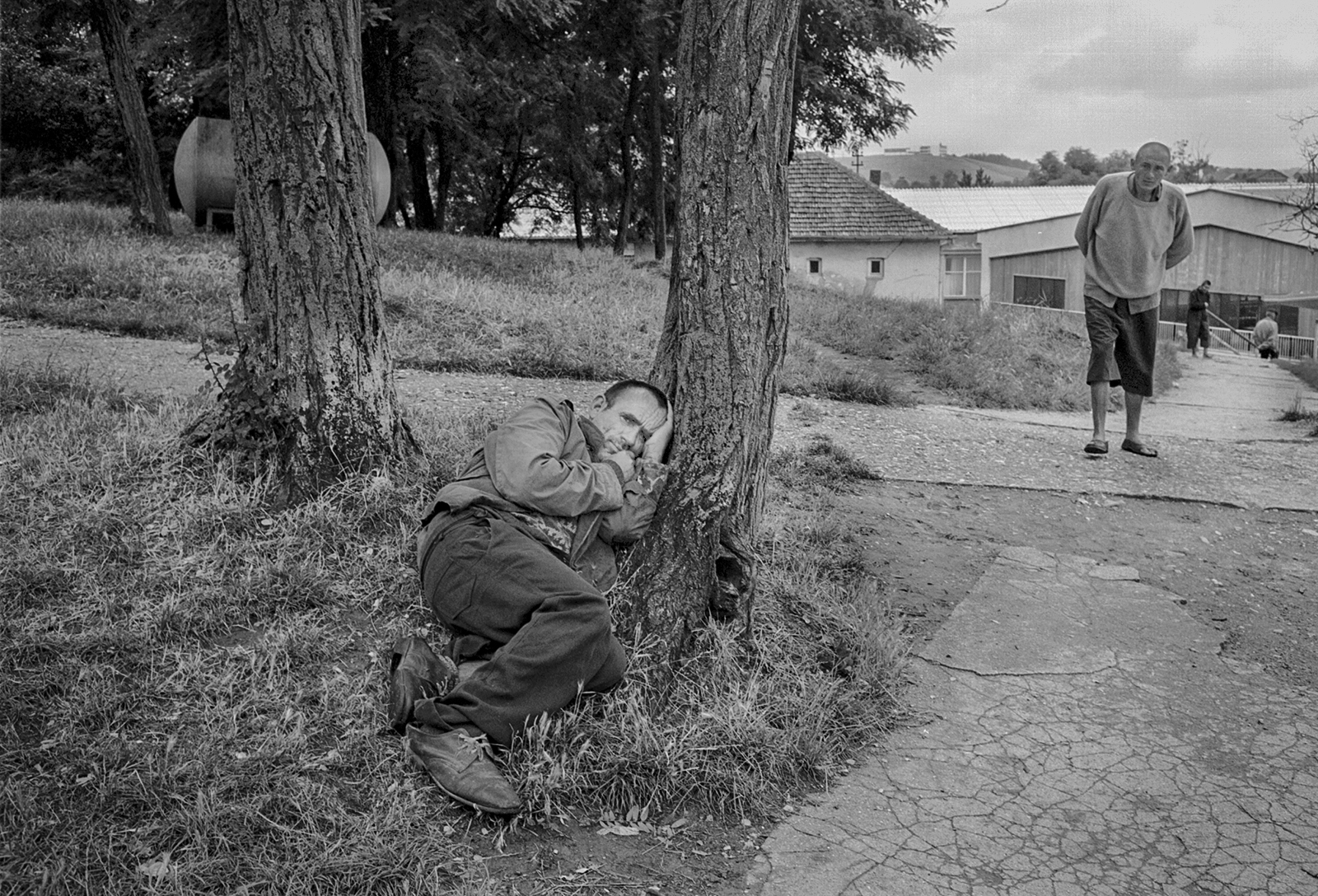
I saw a Serbian man, Vlada, walking hand in hand with an Albanian girl, Mary. I saw an Albanian old man sharing a cigarette with an elderly Serb. I saw people lying for hours on the grass, turning their faces to the sun, not arguing about whom it shines for more.
“The sun is still one for everyone,” Mary told me. “We have divided only the Earth. We were given this hospital.”
They were given the psychiatric hospital of Štimlje.
Little has changed here since the time when the territory was controlled by Serbian forces. In the first weeks of the war, when I saw these people idly lying on the grass during NATO air bombings, I had only time to think: my God, the only thing missing in their consciousness is the presence of war.
But I was hurrying toward a bomb shelter, clearly hearing the roar of aircraft and the air-raid siren.
Then, as now, they lived in another dimension — one where national hatred and killing did not fit.
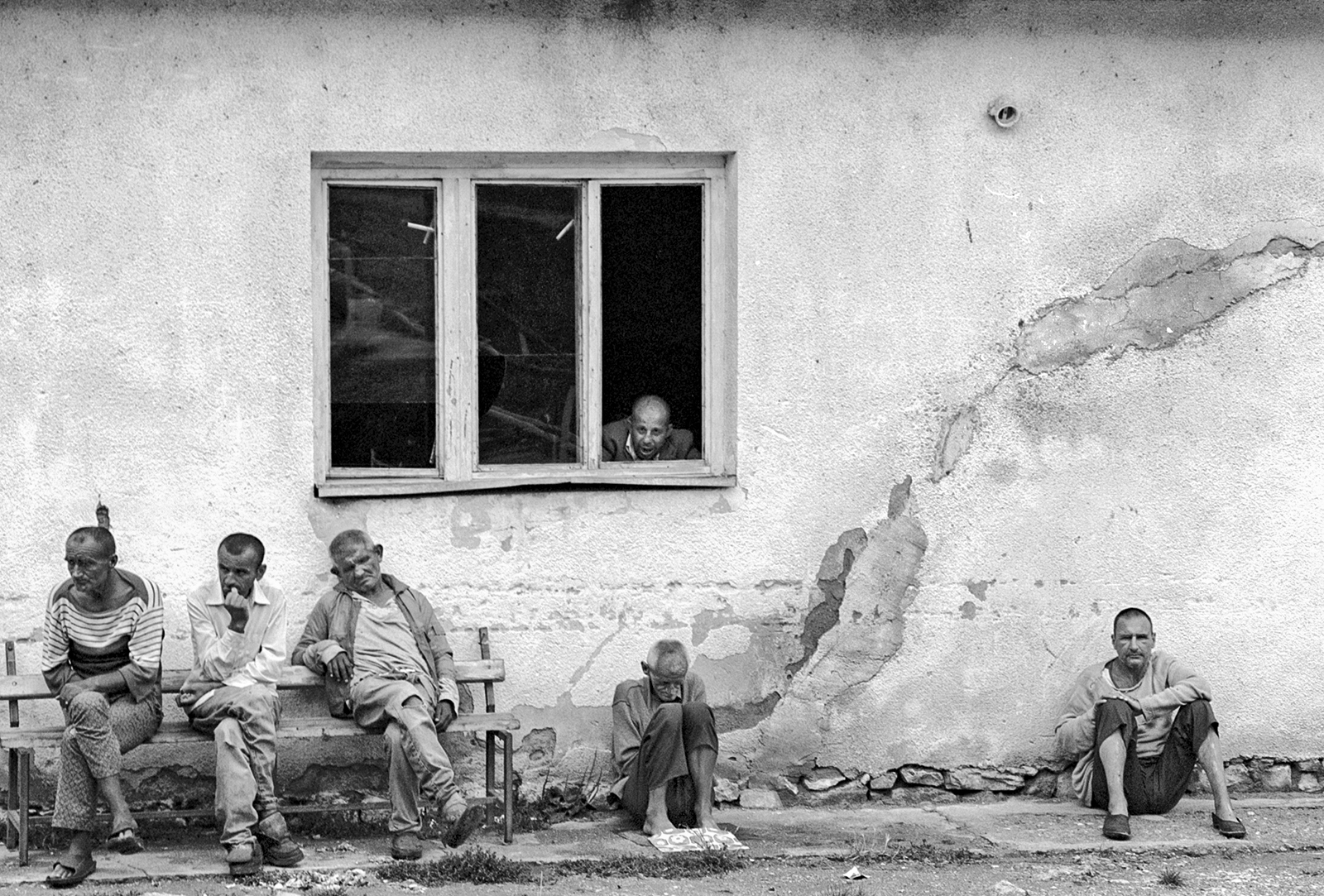
Then, as now, I found no doctors or nurses who could rationally explain what was happening. I do not know who feeds these people — or whether they are fed at all. I only saw them searching for food in garbage bins, begging cigarettes, stretching their hands through the high fence surrounding the hospital grounds.
The only person I met at the gate was a “guard” — a former patient of the institution. Former, as he explained:
“I am already cured. That is why I guard the others.”
Just beyond this barbed-wire fence, only a few steps away, hundreds of vehicles carrying humanitarian aid from many countries pass by. Thousands of people discuss humanism and human rights.
This terrible injustice was explained to me most simply by boys playing near the fence, who sometimes teased the patients or threw stones at them:
“They’re idiots. They don’t need anything. They’re already happy…”
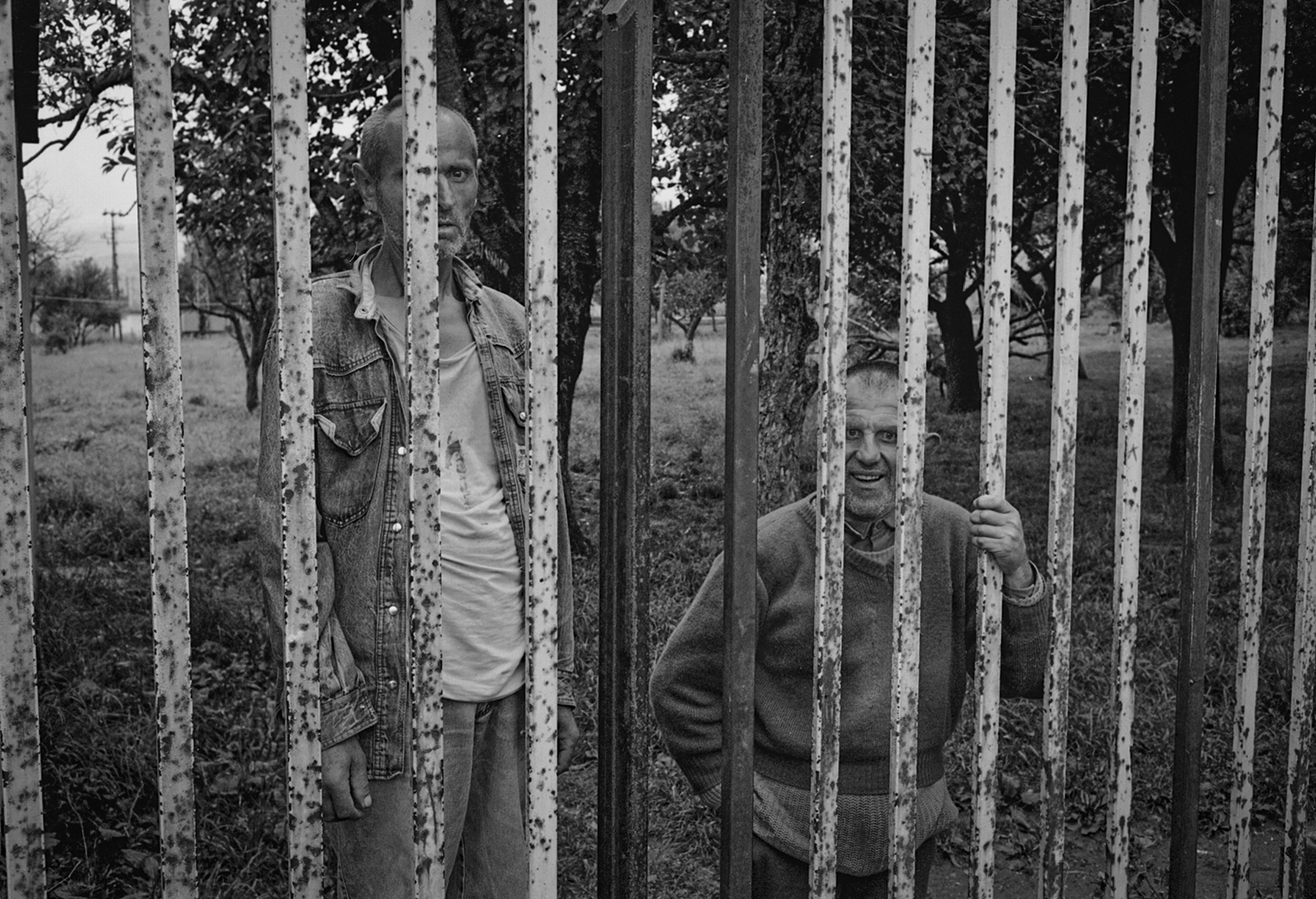
Mary, from Kosovo Polje, speaks four languages. She gladly gave me a tour of the hospital, where there was not a single doctor.
She introduced me to her friend. He was fascinated by the idea of becoming a NATO soldier and had made himself a wooden rifle.
“Before the war,” Mary said, “he wanted to be a samurai, because once we were shown an American film about them… So he made himself a big sword,” she laughed. “But in fact he’s harmless… Whatever he sees, he repeats like a parrot.”
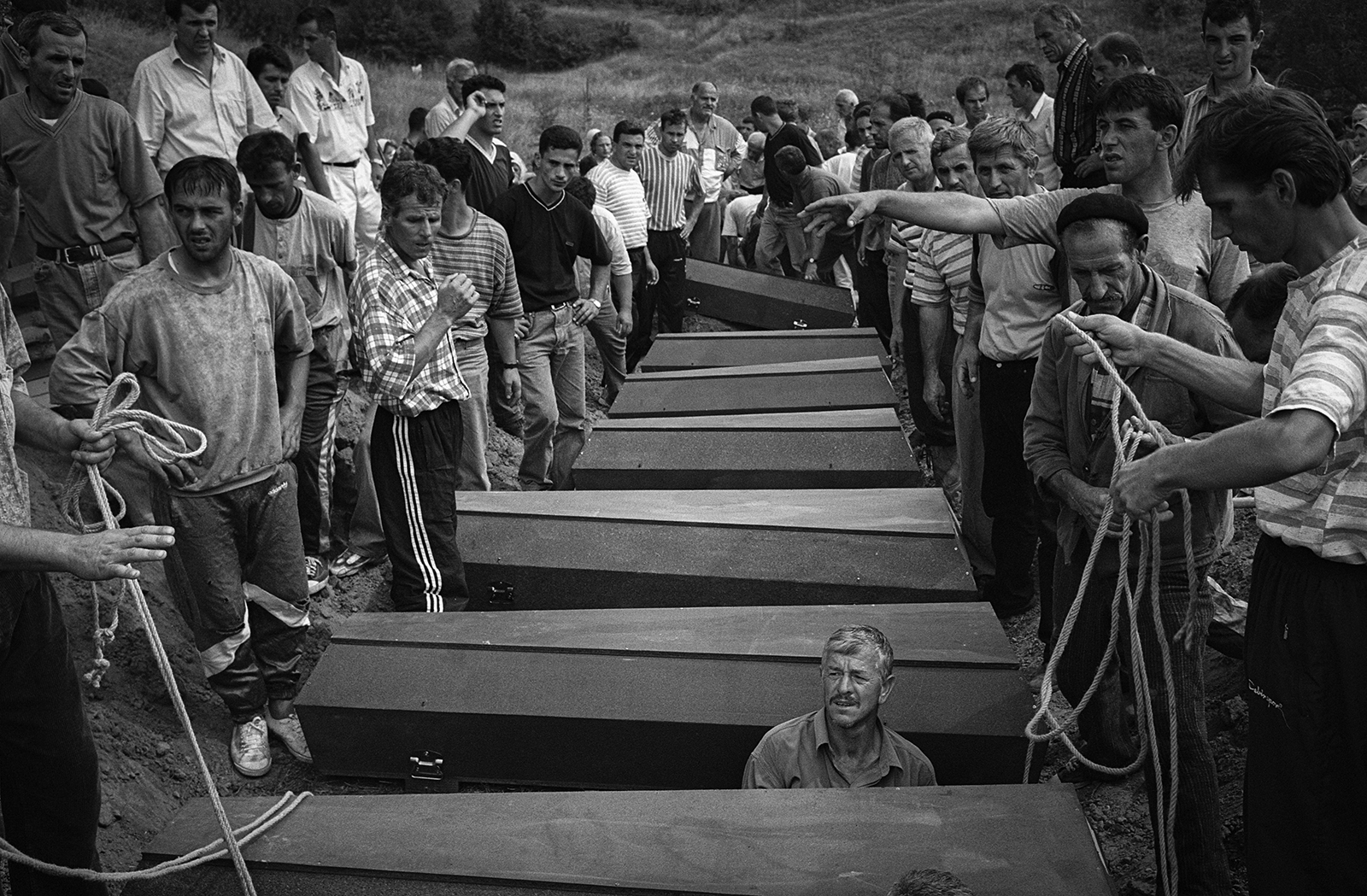
Only twenty kilometers from here, three days earlier, fourteen Serbian farmers had been killed — brutally killed.
Someone, evidently, repeated what they had once seen. Otherwise it is impossible to explain the level of cruelty with which the murders were carried out.
These were not mentally ill people. These were people who live among us — not behind a high fence guarded by a former psychiatric patient — and they did not carry wooden rifles.
We hardly notice them, because they are like us.
But if you walk and look carefully, you will inevitably meet someone who has killed — or is preparing to. Not only in Kosovo. Everywhere.
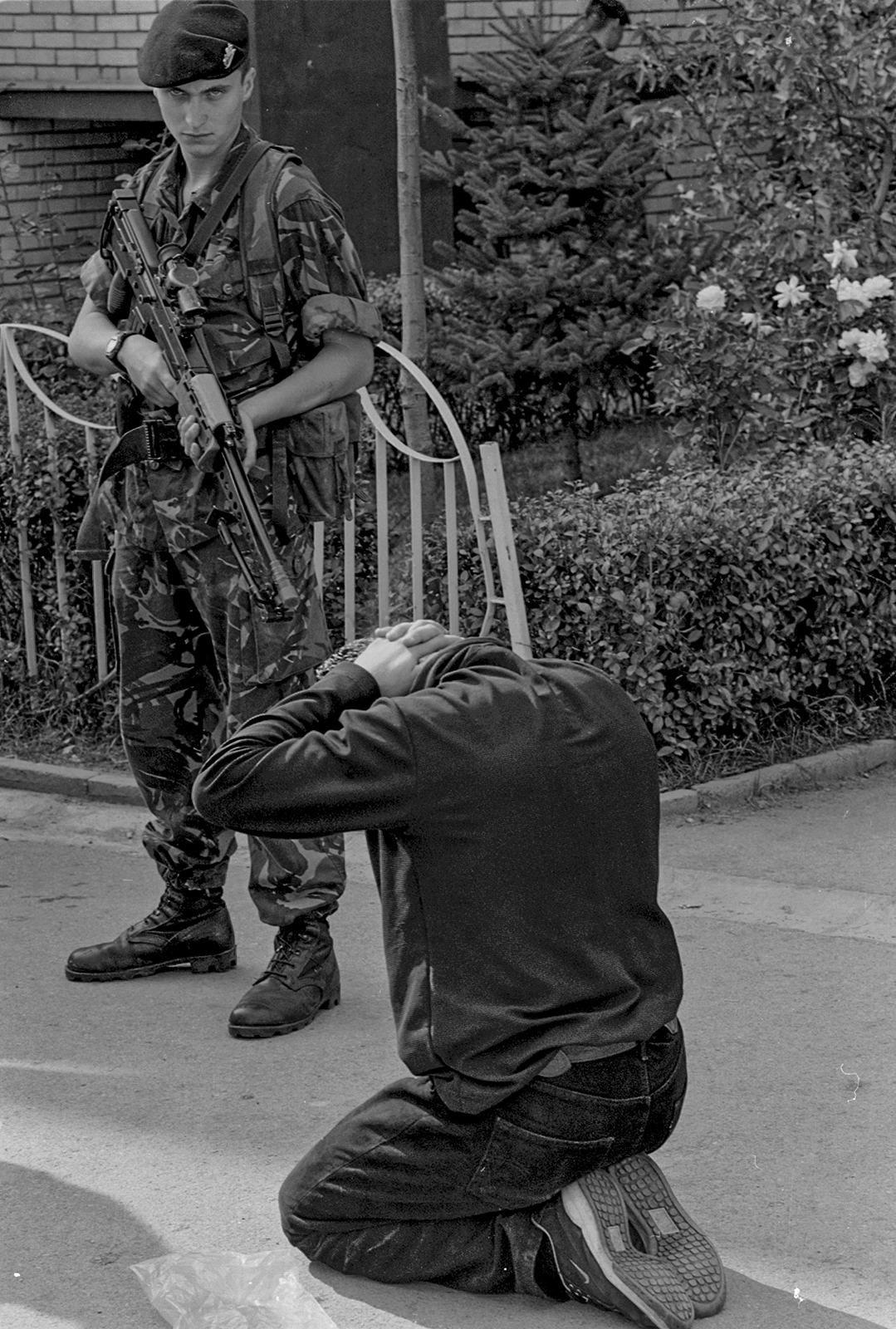
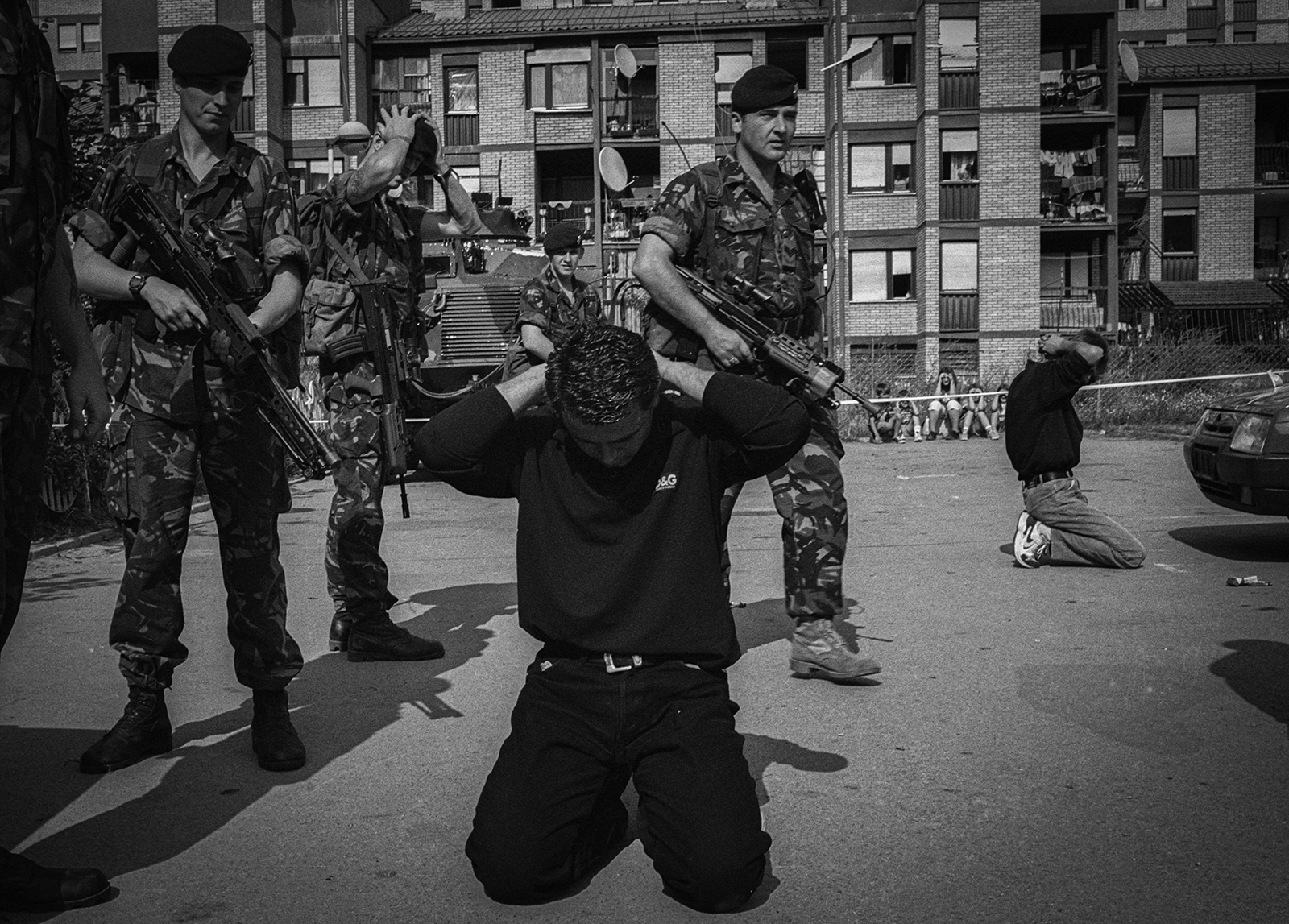
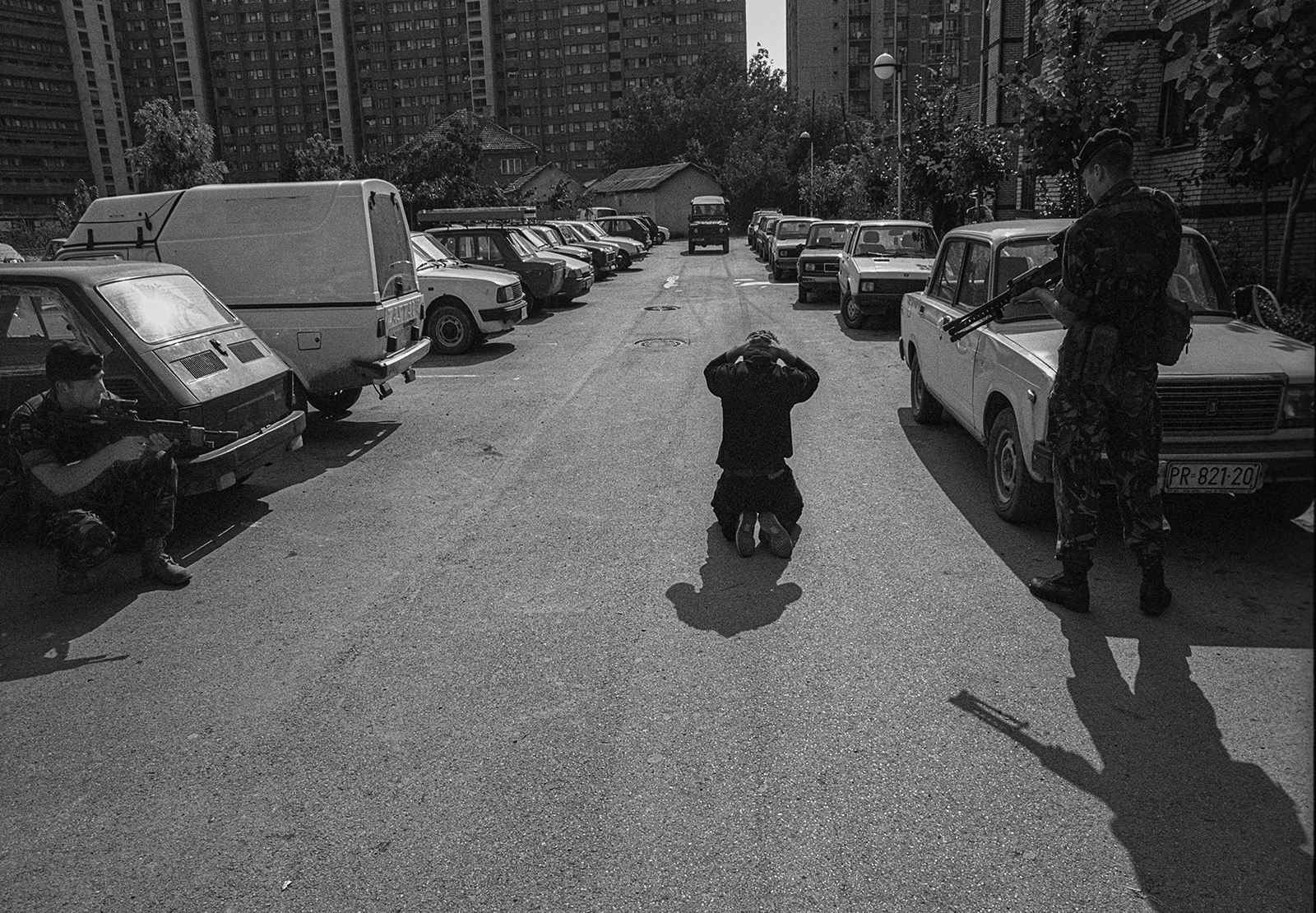
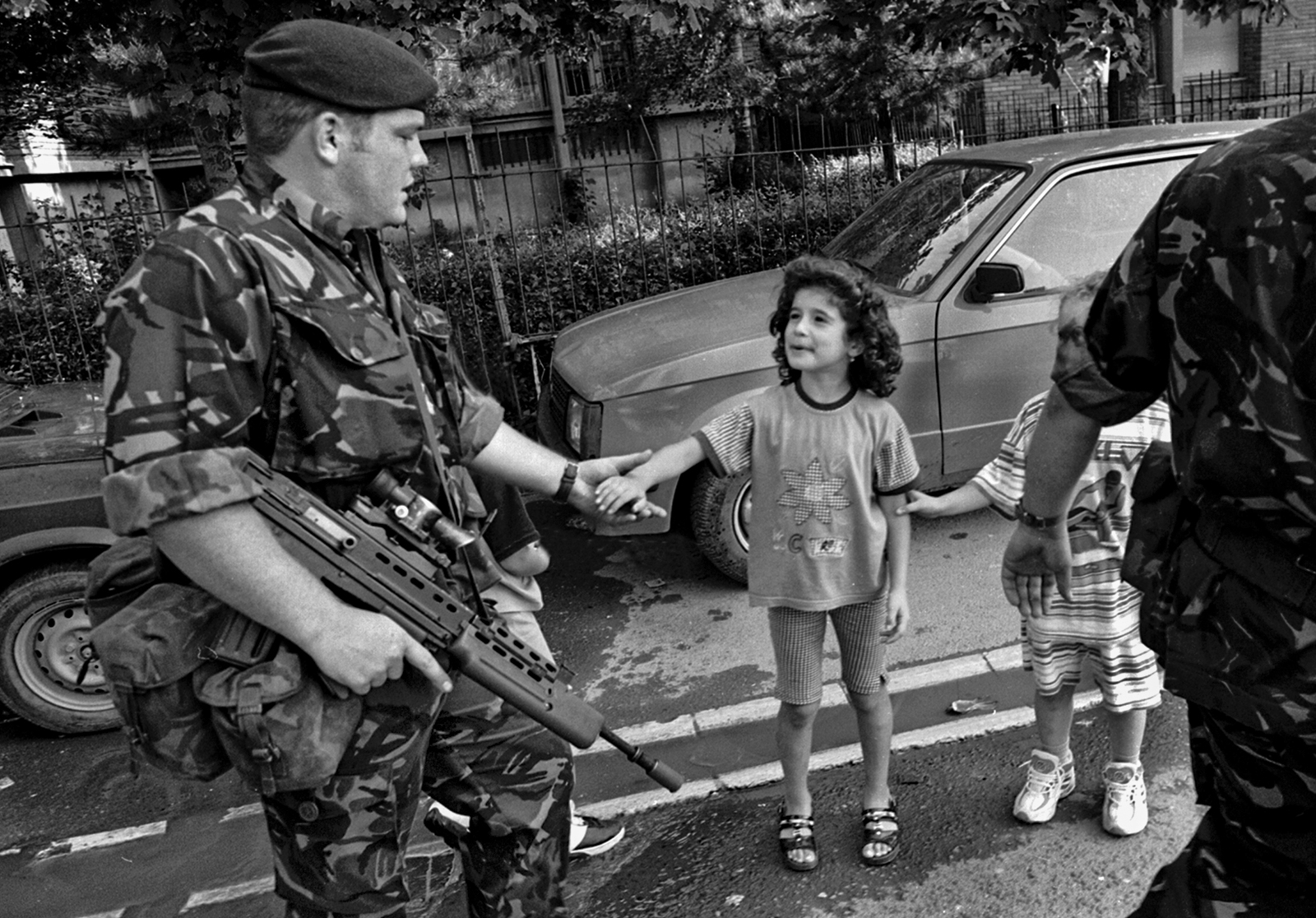
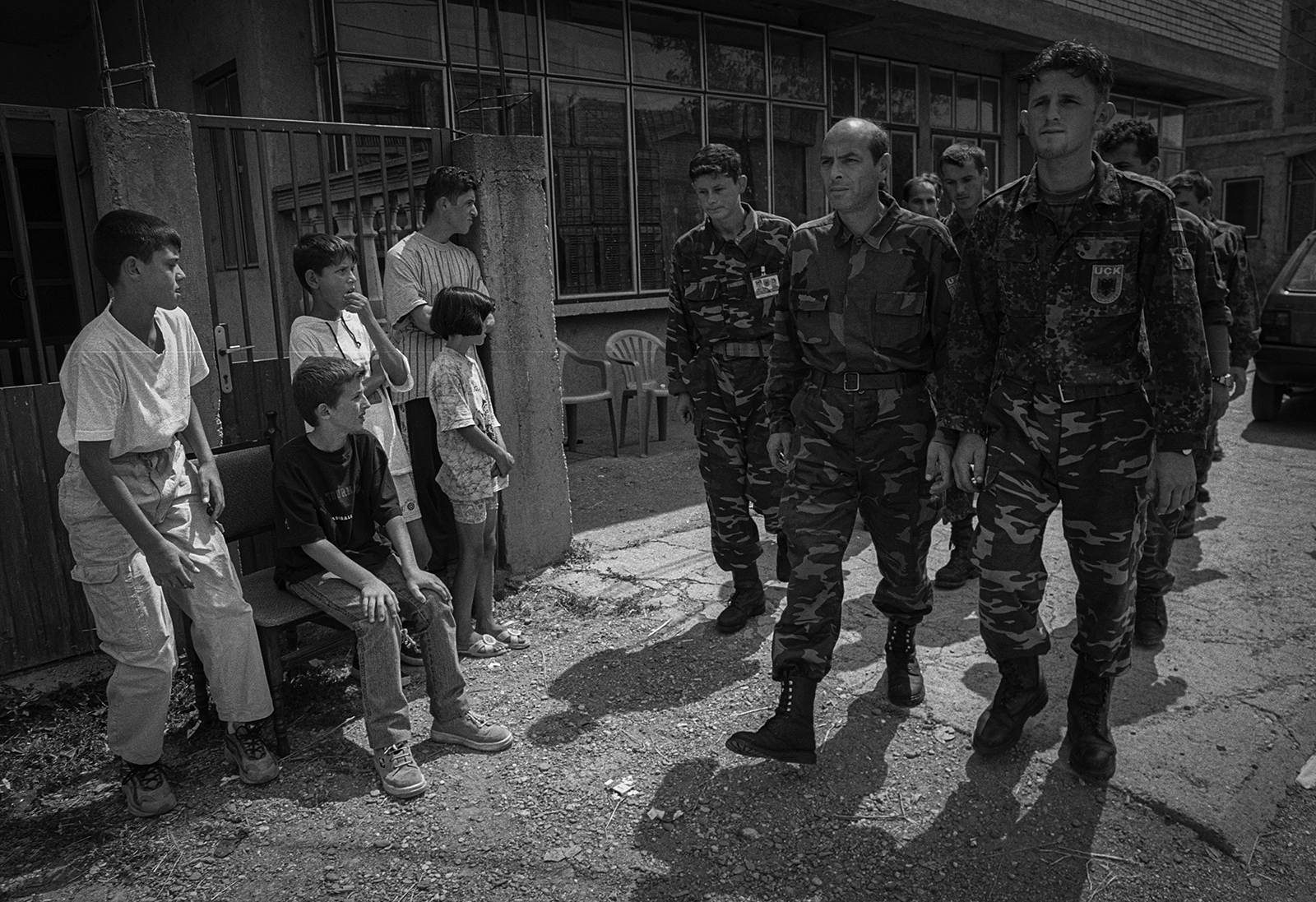
If you look, you can see KFOR representatives and many journalists trying to establish contact with the families of the murdered.
In the small village of Gracko, dozens of journalists stand by the fence of almost every house, filming with long telephoto lenses because they cannot enter — whether out of delicacy or for other reasons.
It all resembles a situation in which some people cannot understand others, and no one can explain why this is happening.
KFOR soldiers are more confident in their approach. They can enter a courtyard, sit at the table, even drink to the memory of the dead, trying to understand what happened.
I was present at such a meeting. I simply entered the house and sat down at the table.
“No one invites you to funerals — people come on their own,” I explained to the Serbs.
Later KFOR soldiers arrived. They offered condolences and began speaking in a kind of Serbian-English, clarifying details.
The wife of the murdered man, Ivica (born 1970), was able to identify her husband in the morgue in Pristina by his teeth — that was all that remained of his head. Killing had not been enough; their bodies had then been crushed by tractors, as she explained.
When KFOR asked whether anyone might have seen what happened and could testify, almost all the Serbs were certain someone must have seen — but would hardly tell.
“We are peasants,” said an old Serb. “You will leave, and we will remain.”
“If I tell you one more thing, I will lose my homeland or they will just kill me,” the interpreter translated from Serbian.
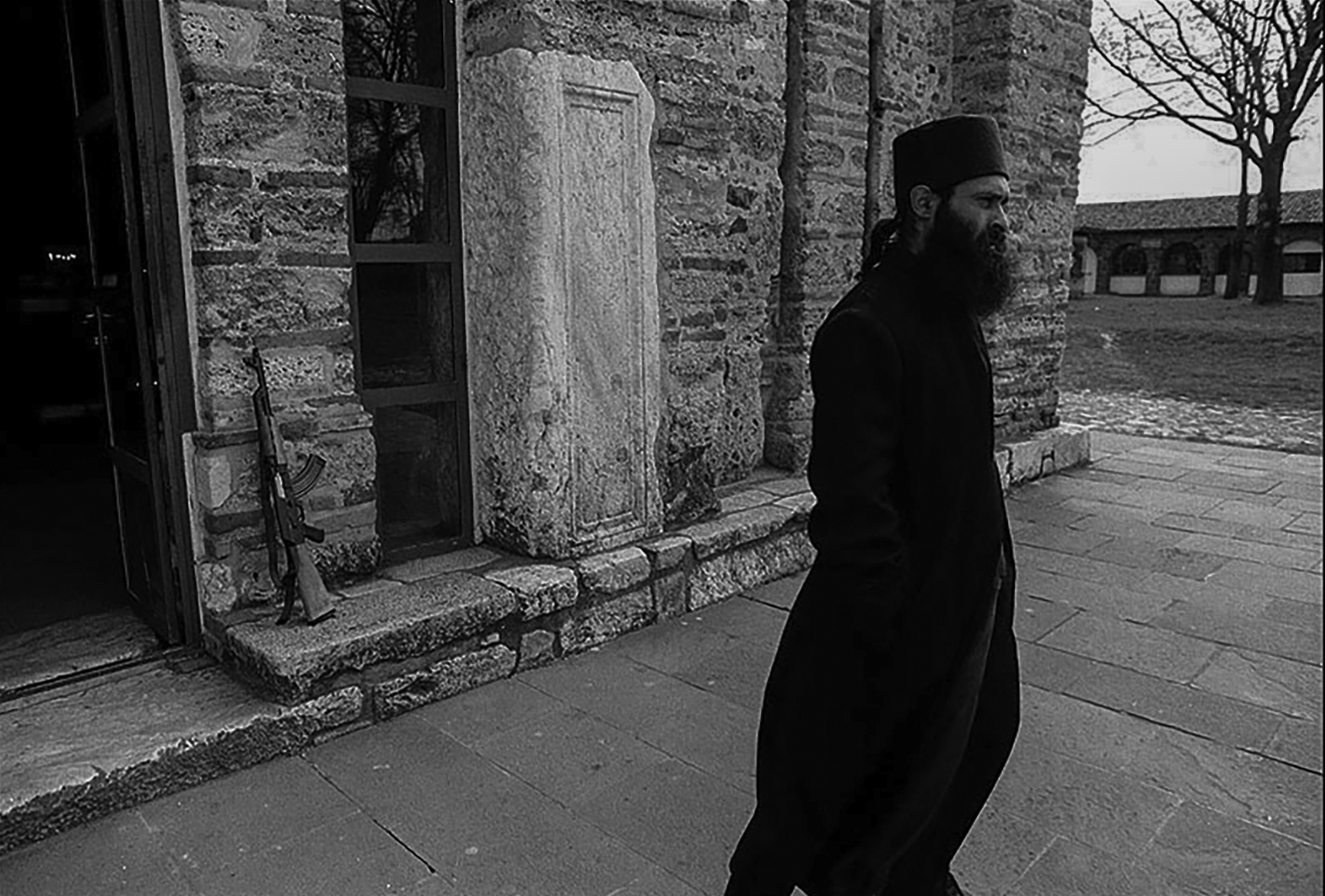
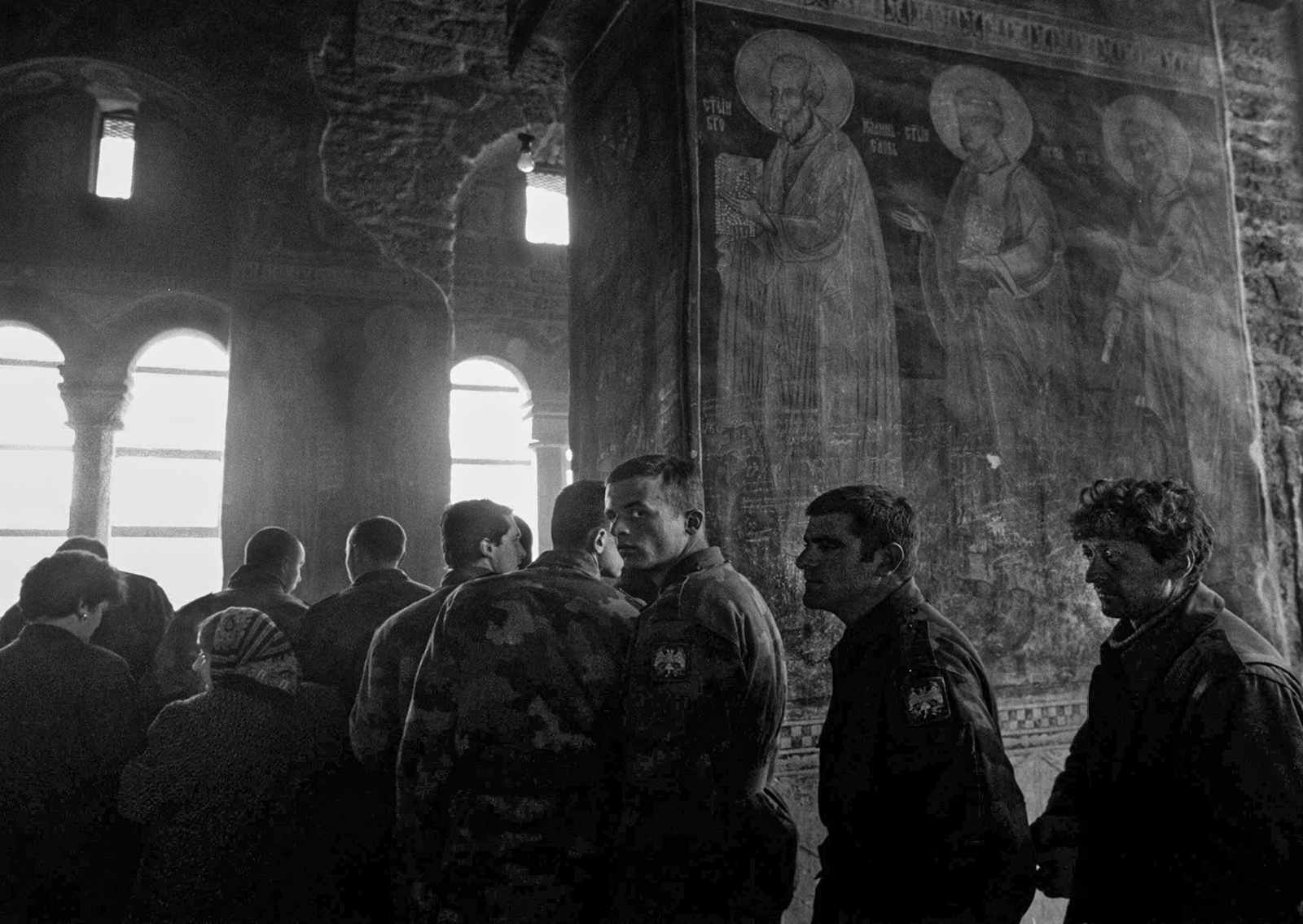
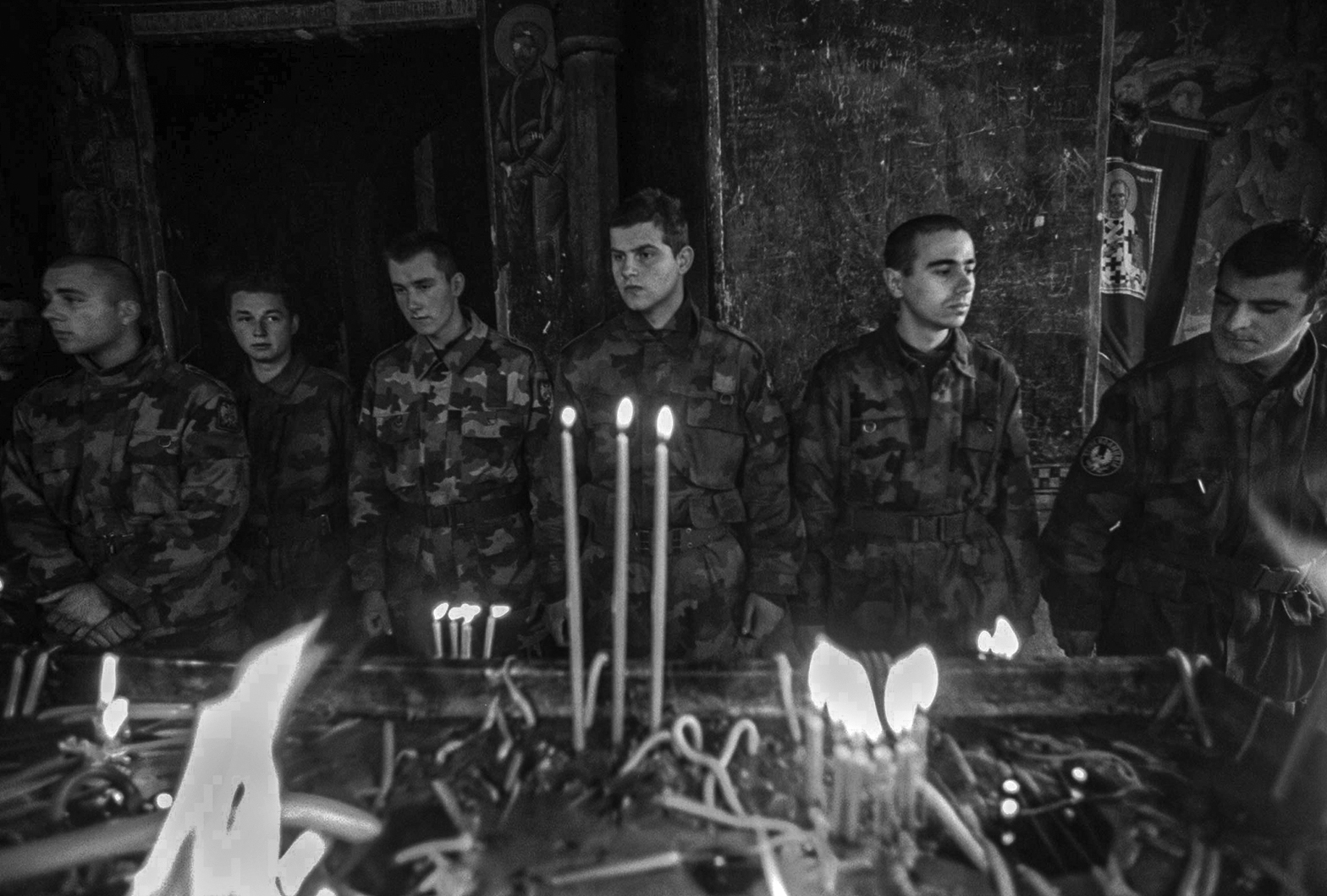
A KFOR representative asked me to leave, given the delicacy of the conversation. I did not argue — I simply left.
I did not want to participate in what was happening. I only wanted to look.
Two months earlier, when the territory had belonged to the Serbs, and now as well, I saw only injustice and monstrous cruelty.
And only in one place — the psychiatric hospital in Štimlje — did I encounter reasonable people: a little strange, but kind and not cruel.
Or perhaps they seemed strange to me.
Like with everyone else, when we parted we said goodbye and kissed each other. No one asked my nationality or my country. I did not have to explain which religion I followed — Islam, Christianity, or Democracy.
No one asked — unlike the Serbs, Albanians, or KFOR soldiers, with whom I also had to embrace.
Oleg Klimov
Photographer’s Diary
Grand Hotel, Pristina, Kosovo