
Wall Against Wall
by Oleg Klimov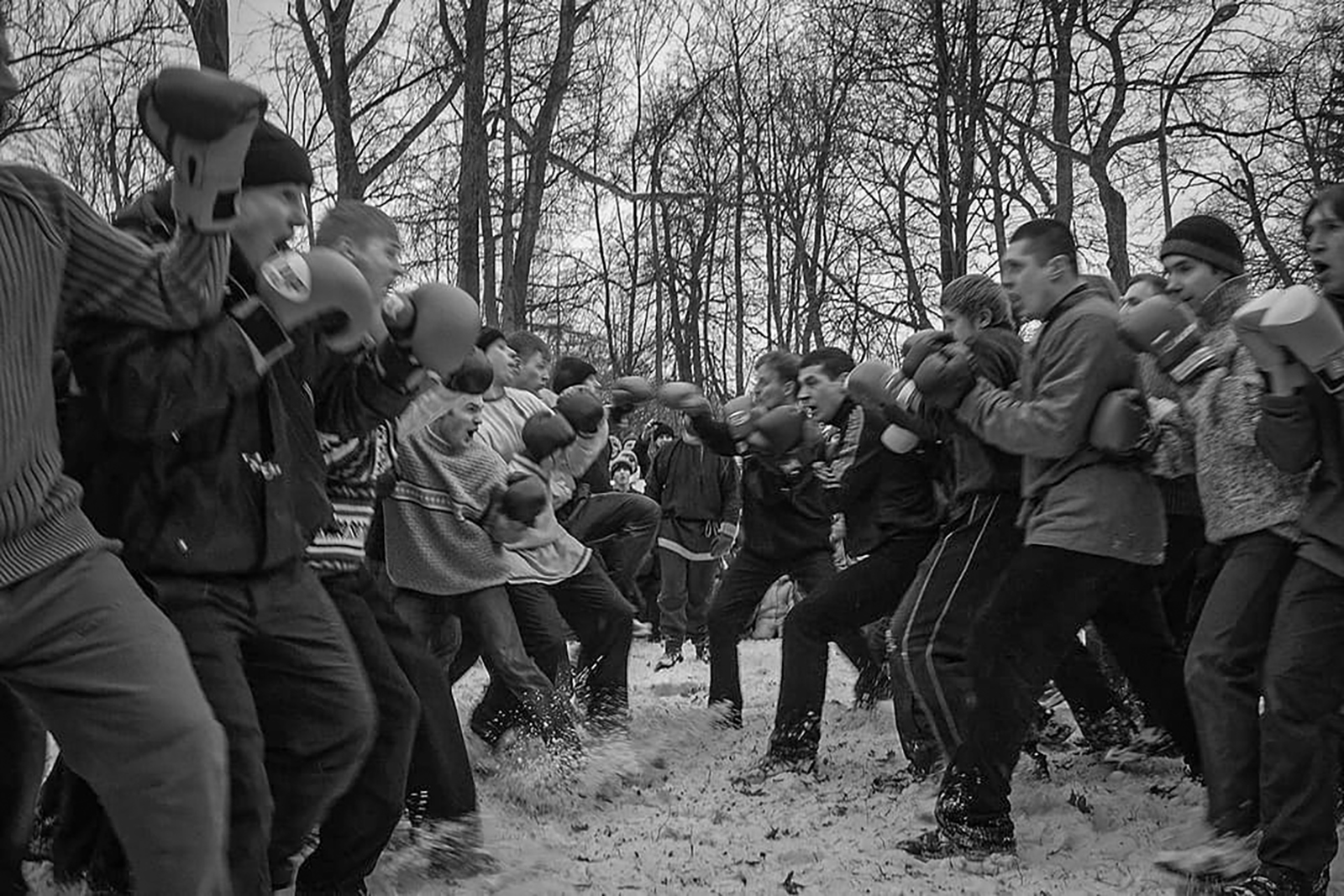
Traditional Russian Fist Fighting in the 21st Century
Russian fist fighting has existed since at least the first millennium AD. In 1274, Metropolitan Kirill introduced one of the many ecclesiastical prohibitions directed against it: those who fought with their fists risked exclusion from the Christian community. It was also prescribed that prayers and hymns be sung at the burial of anyone killed in such a fight.
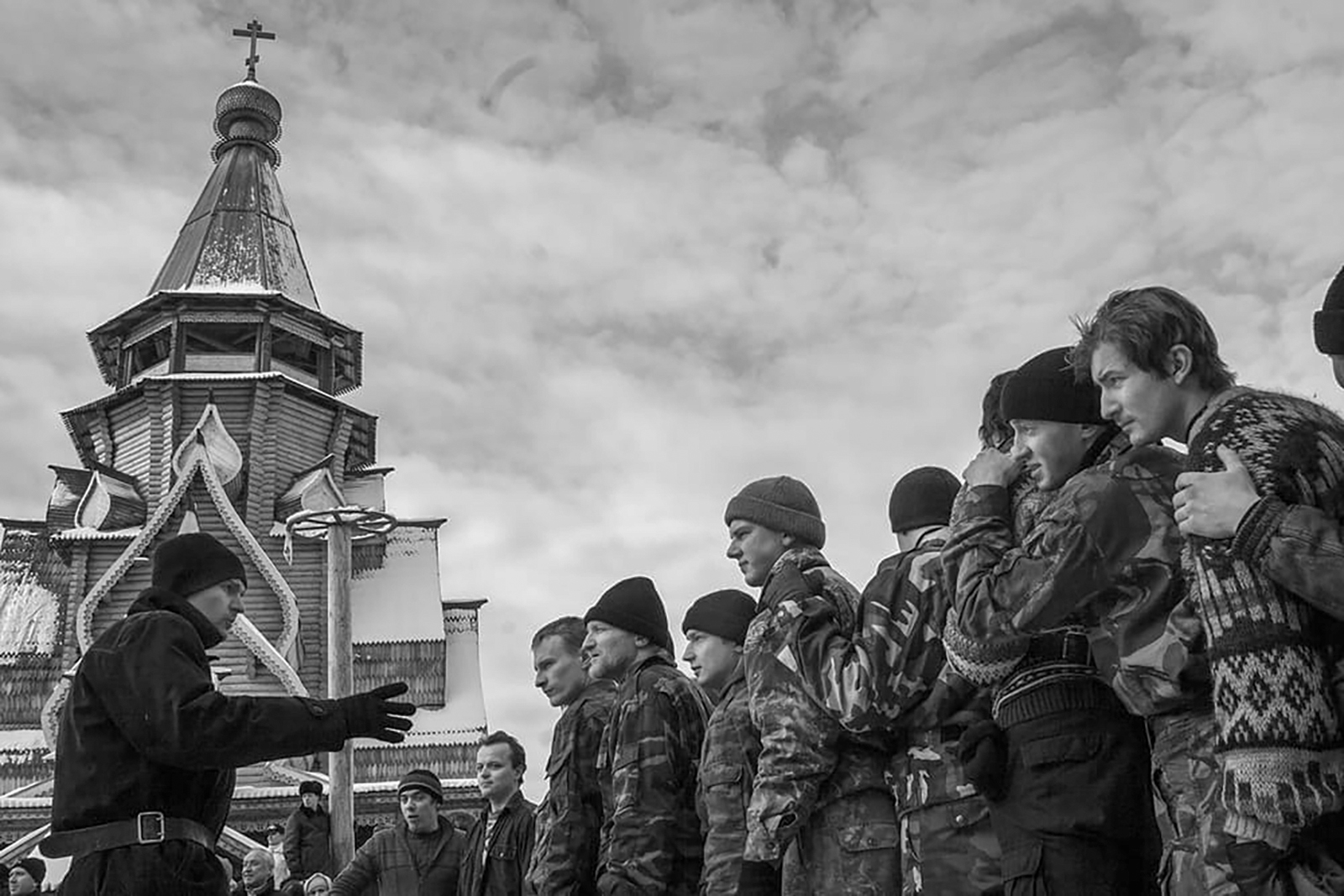
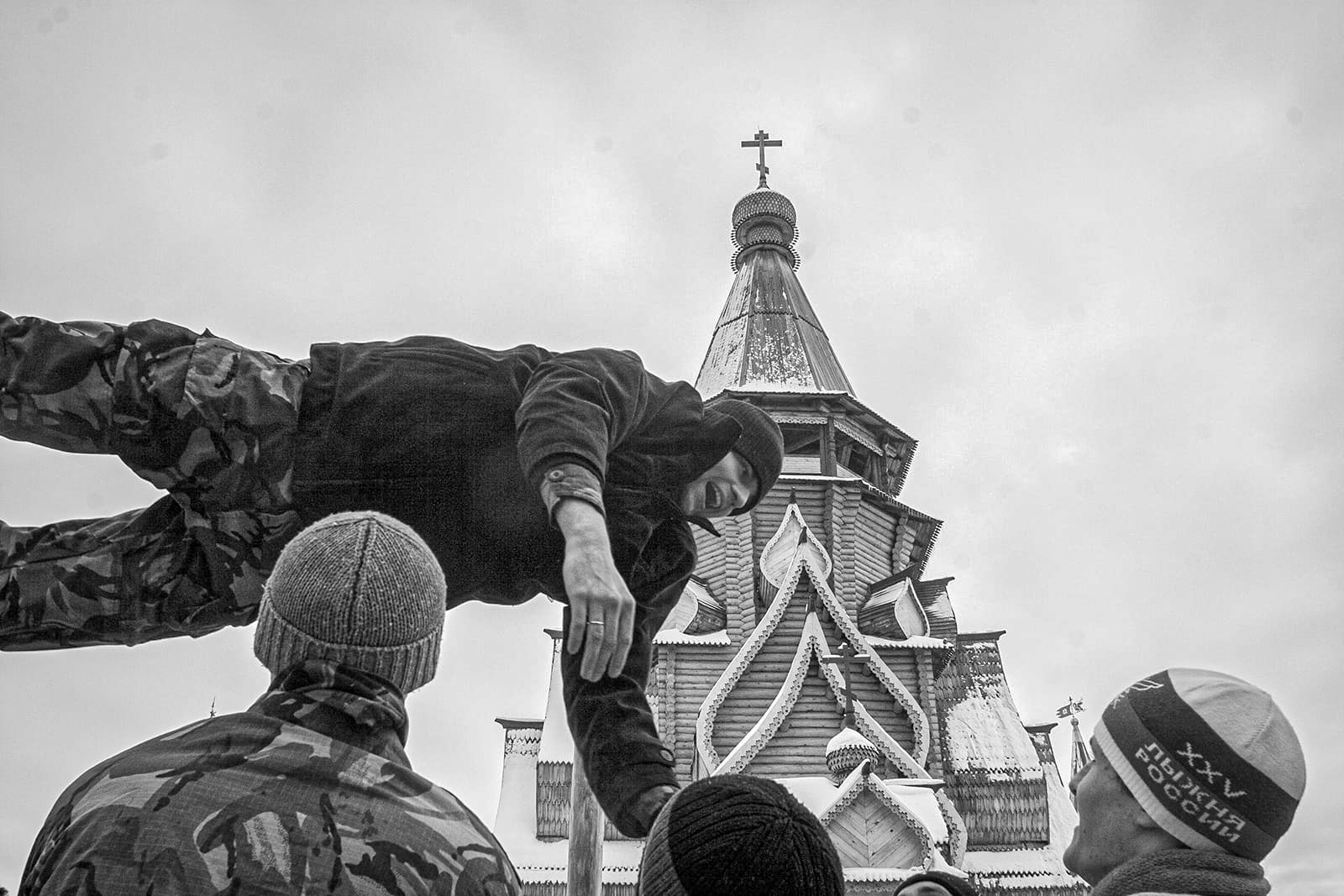
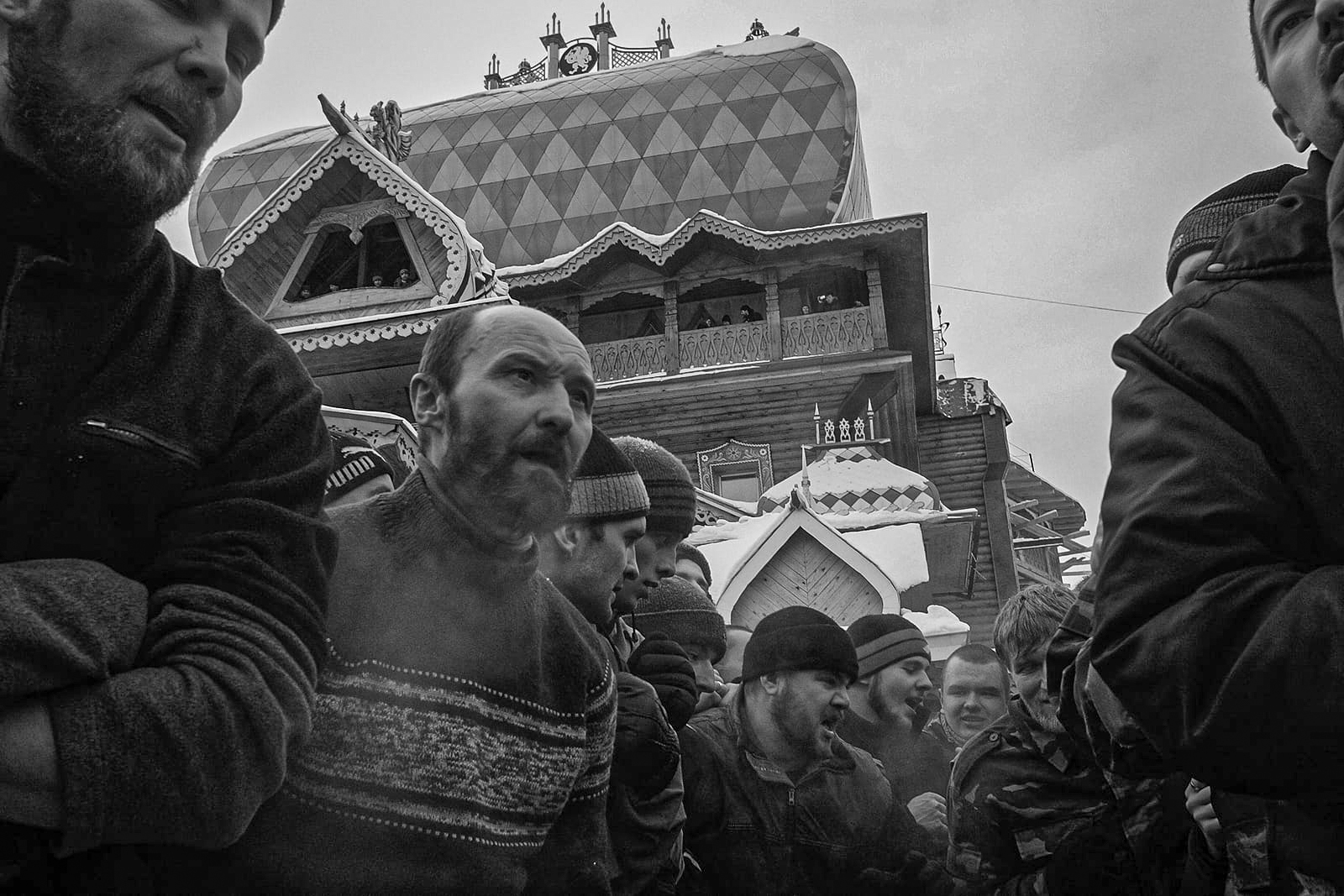
In 1751, a large fist fight took place on a street in Saint Petersburg. By 1832 the practice was officially outlawed in the Russian Empire. Yet it never disappeared entirely, and after the breakup of the Soviet Union it resurfaced once again.
Independent documentary work runs on two fuels: coffee and cigarettes.
If you’d like to contribute to either, you’re very welcome.
The Orthodox Church objected to fist fighting, seeing in it a remnant of pagan custom. The state, while formally condemning the practice, often tolerated it. There was a practical logic behind this tolerance: such fights were thought to prepare men for military life.
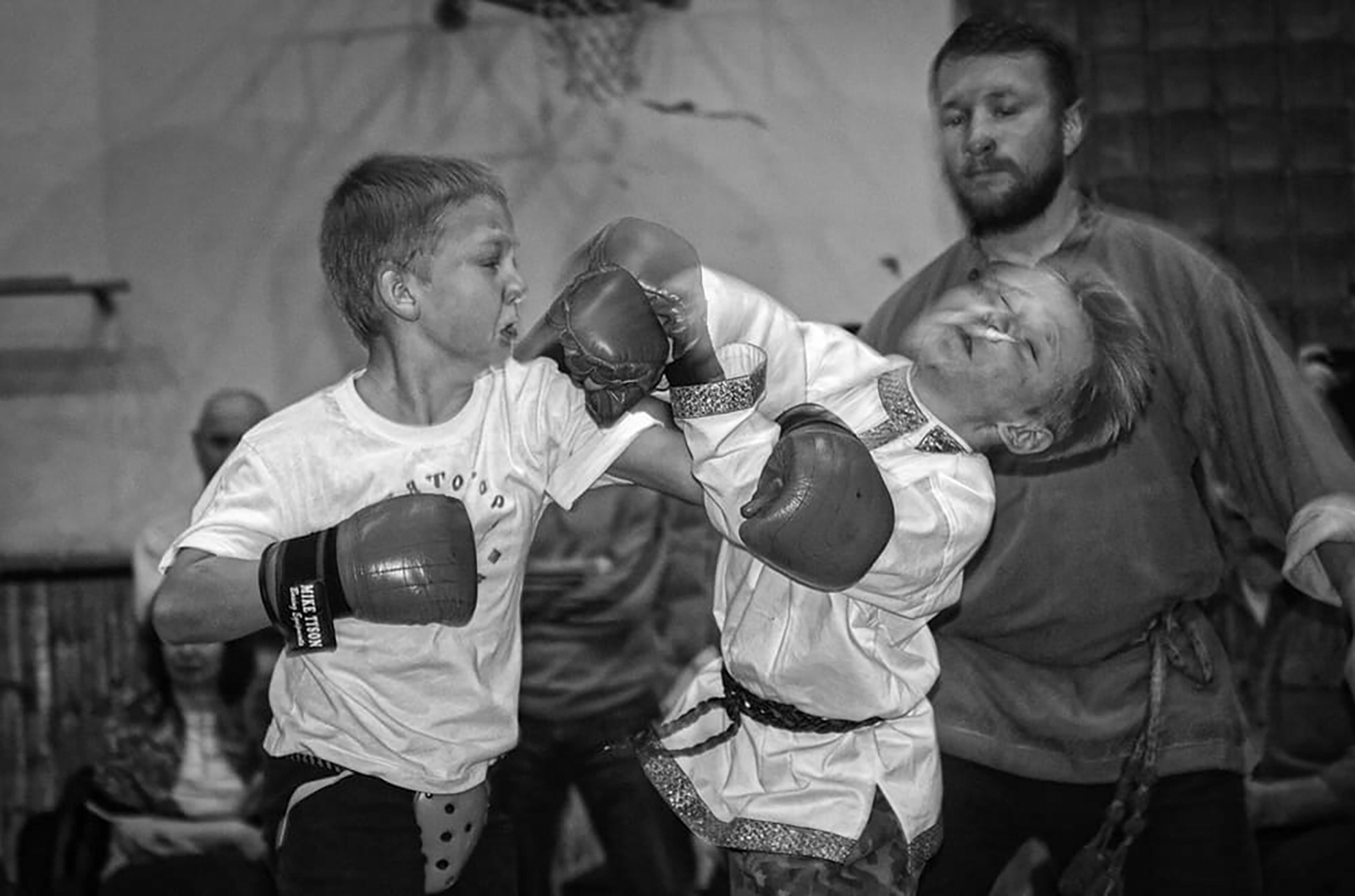
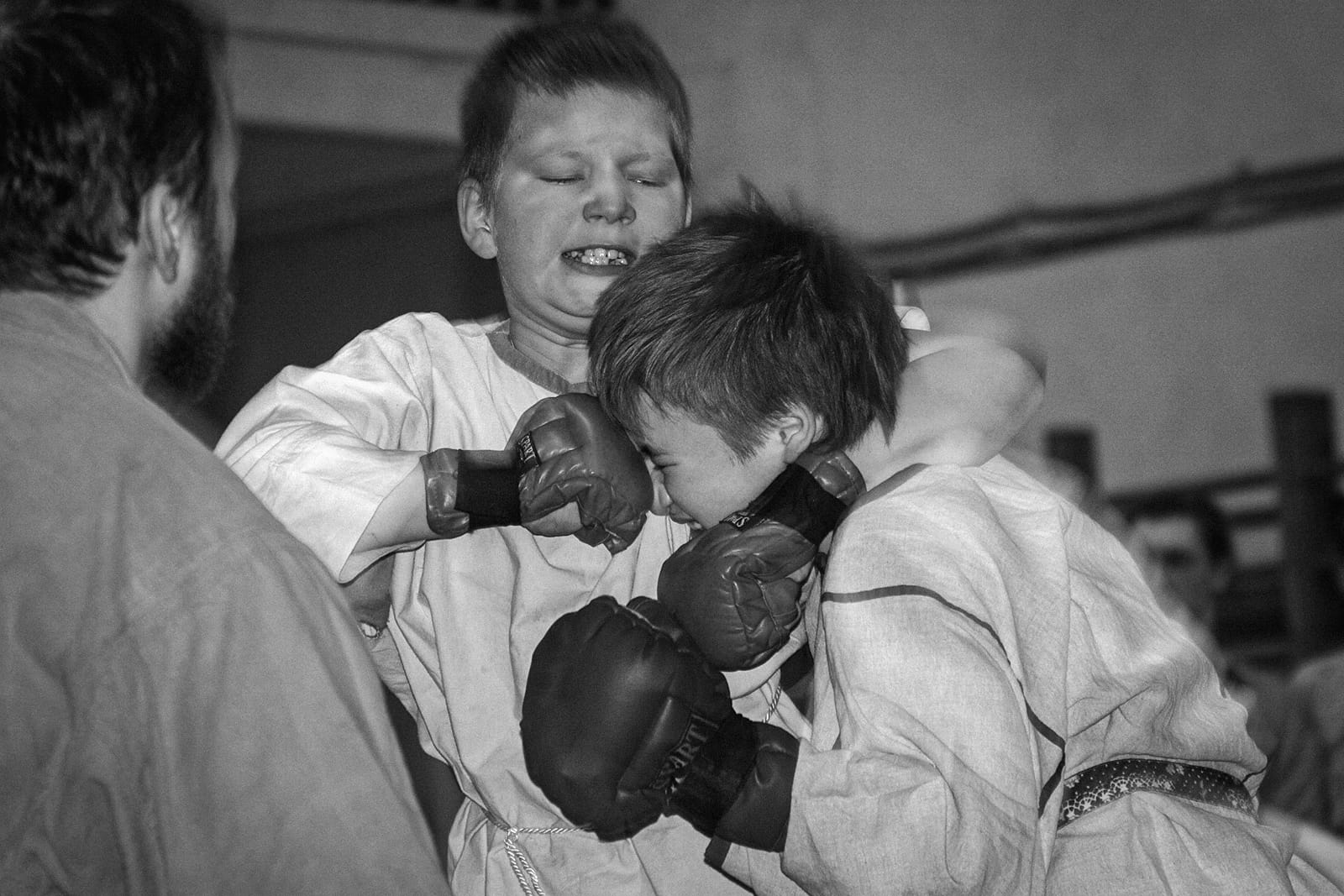
They usually occurred in open spaces. In winter — on frozen lakes or ponds; in summer — in meadows. The most common form was the so-called “wall-on-wall” fight, when two groups advanced against one another: one side of a village street against the other, or one village against its neighbour.

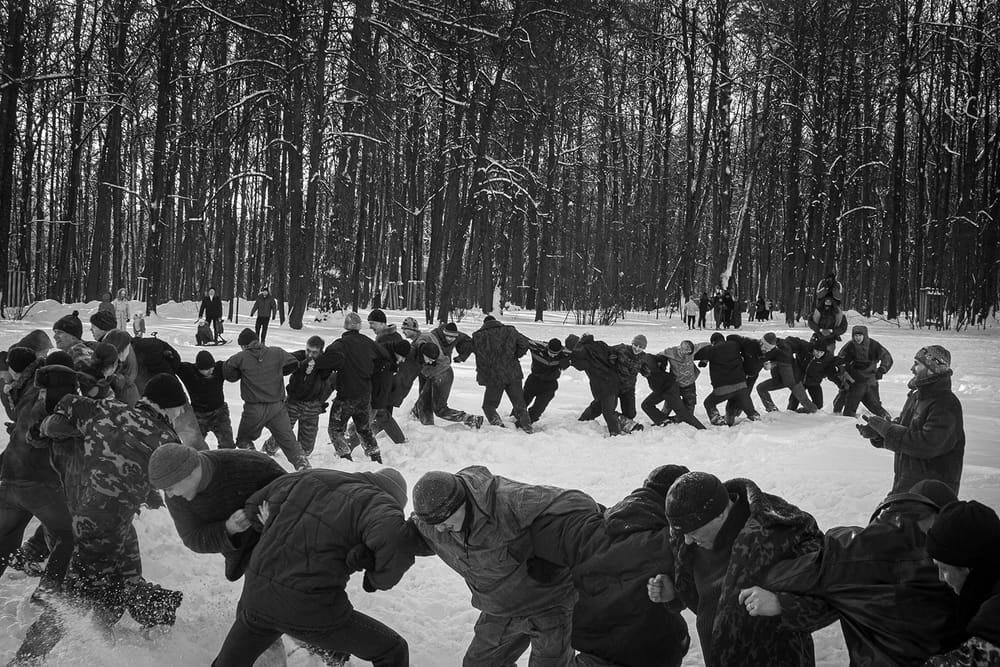
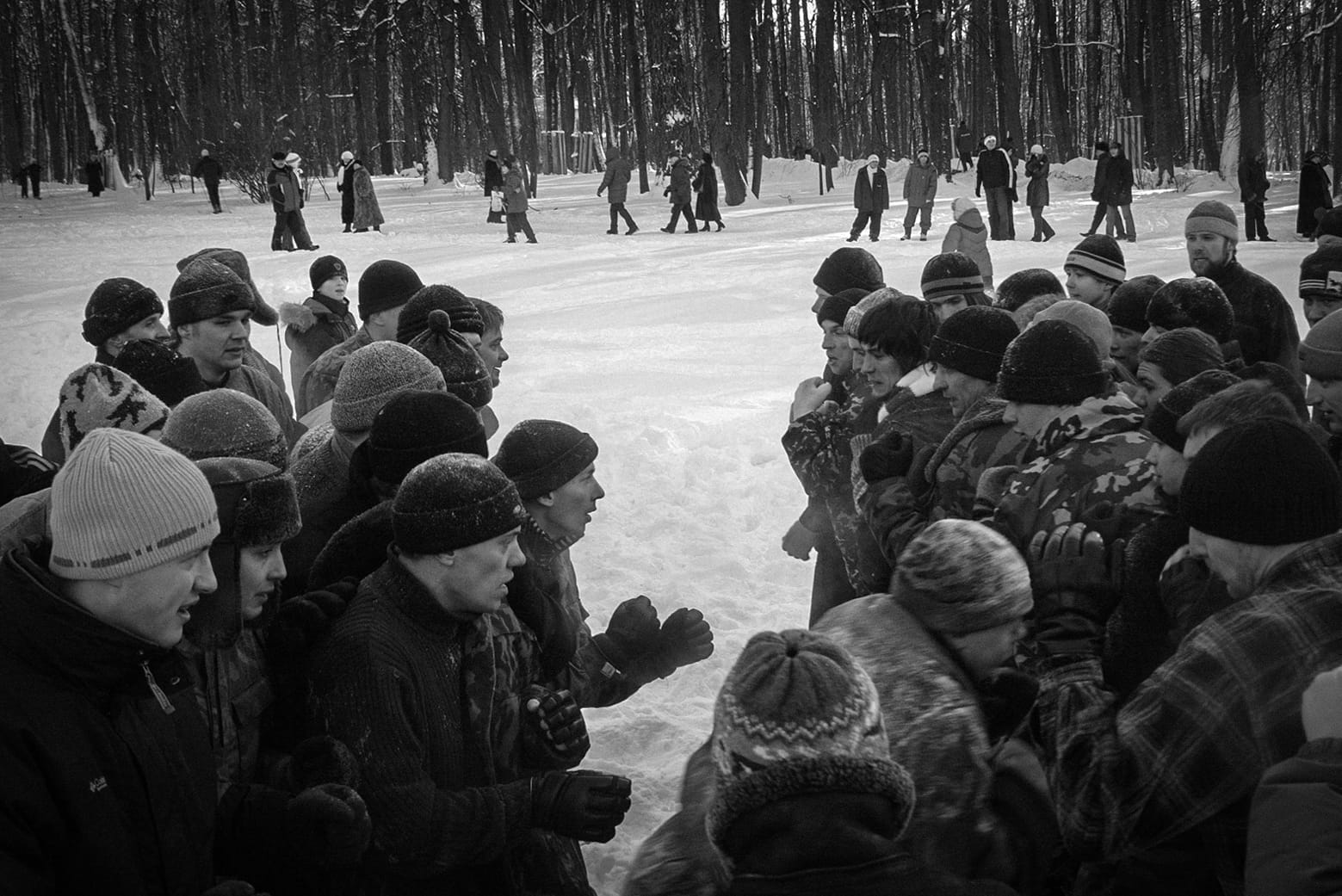
Police were sometimes present, though rarely intervened. Partly this was to prevent the violence from spreading, and partly because stopping several dozen fighting men at once was hardly feasible.
Oleg Klimov, freelance photographer