
War Has Already Come Home
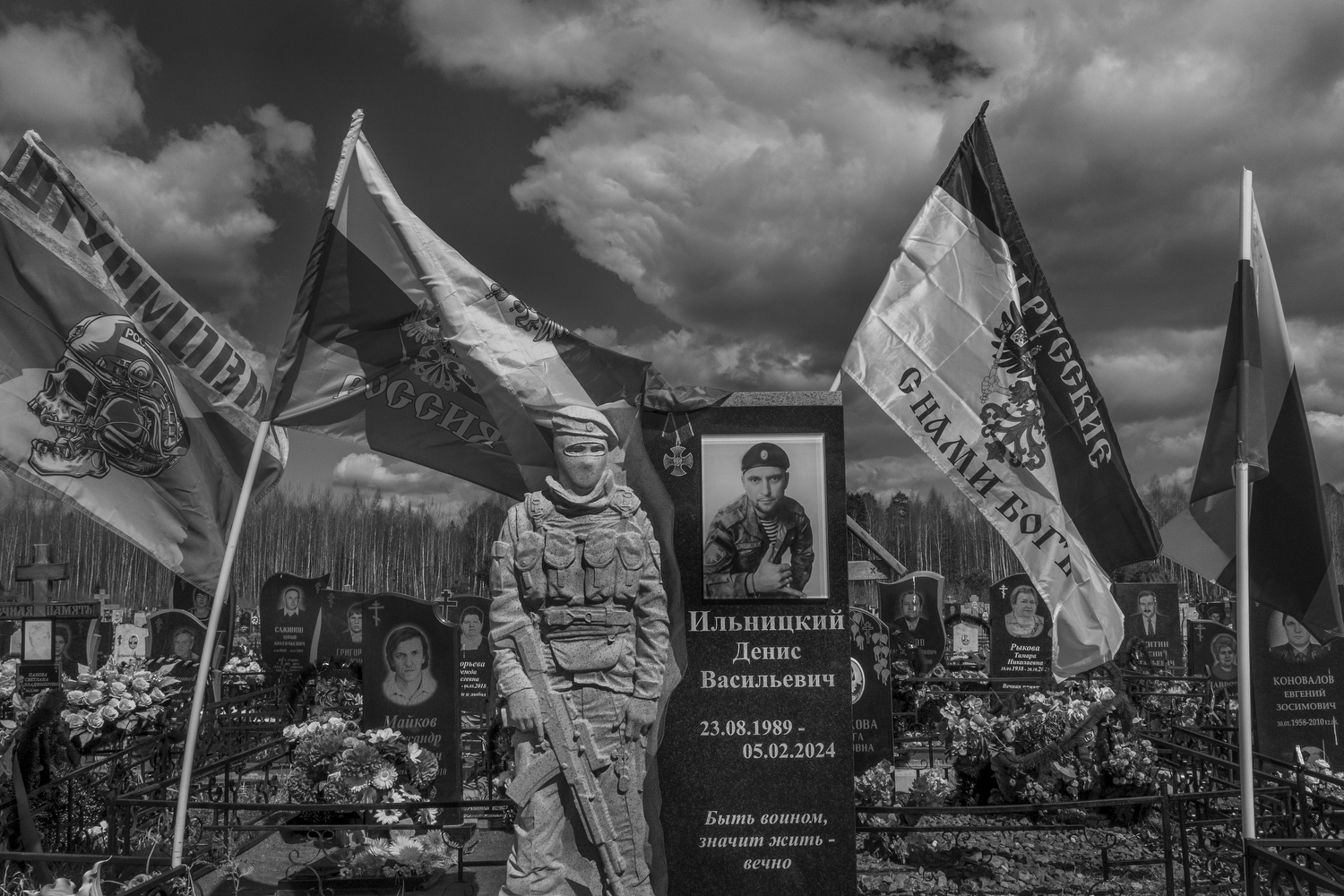
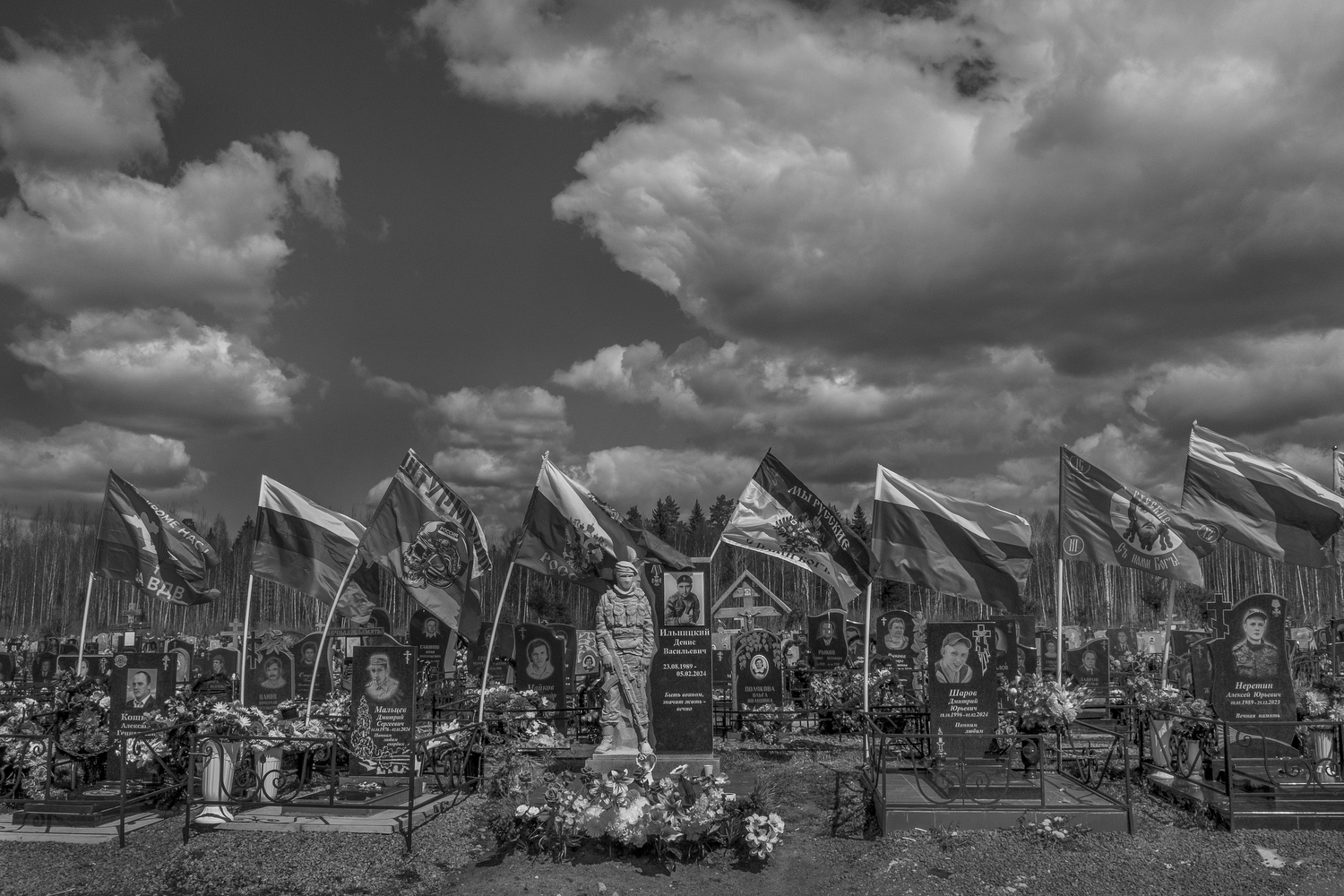 Yaroslavl Oblast. Photo by Oleg Klimov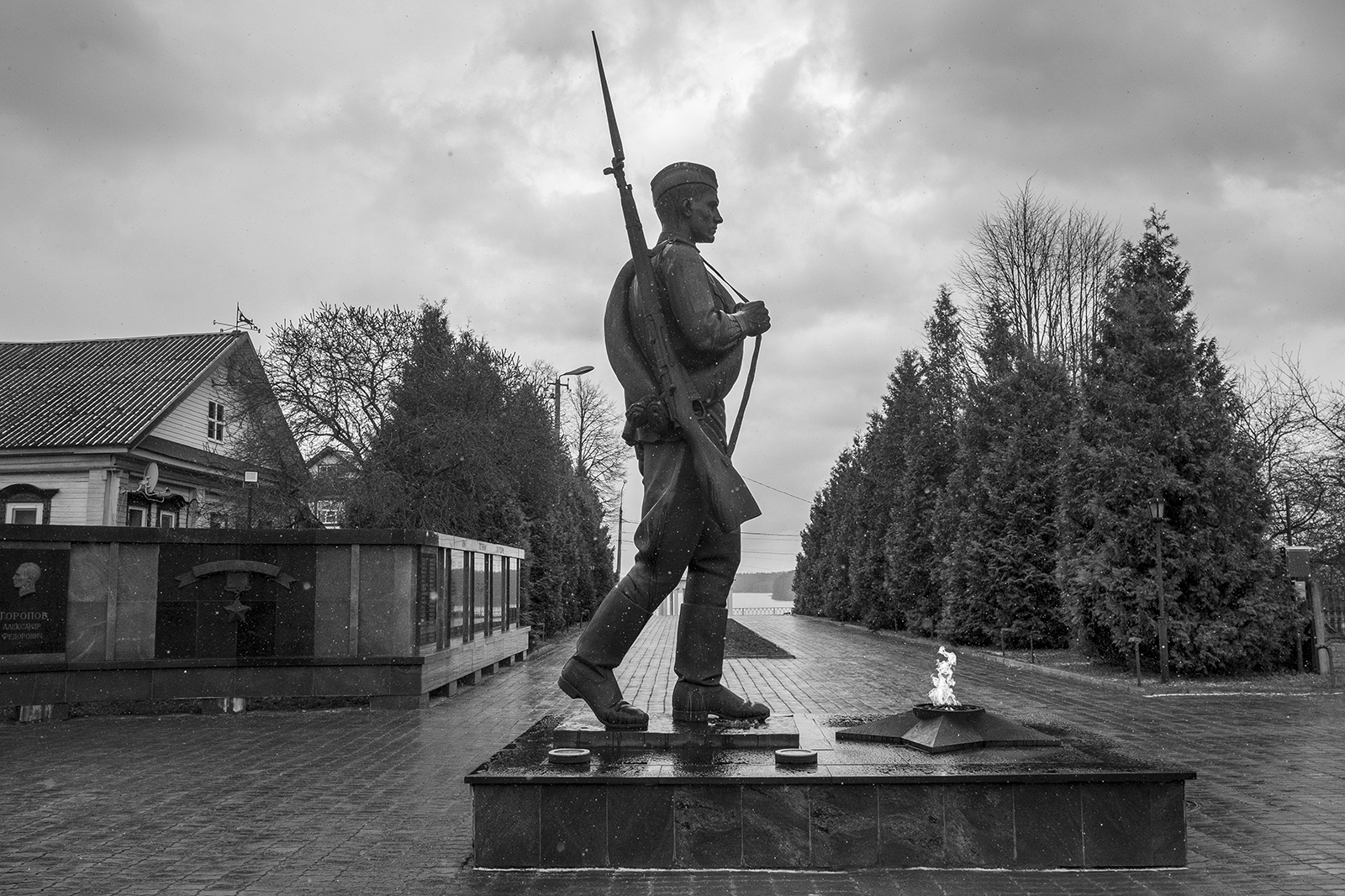
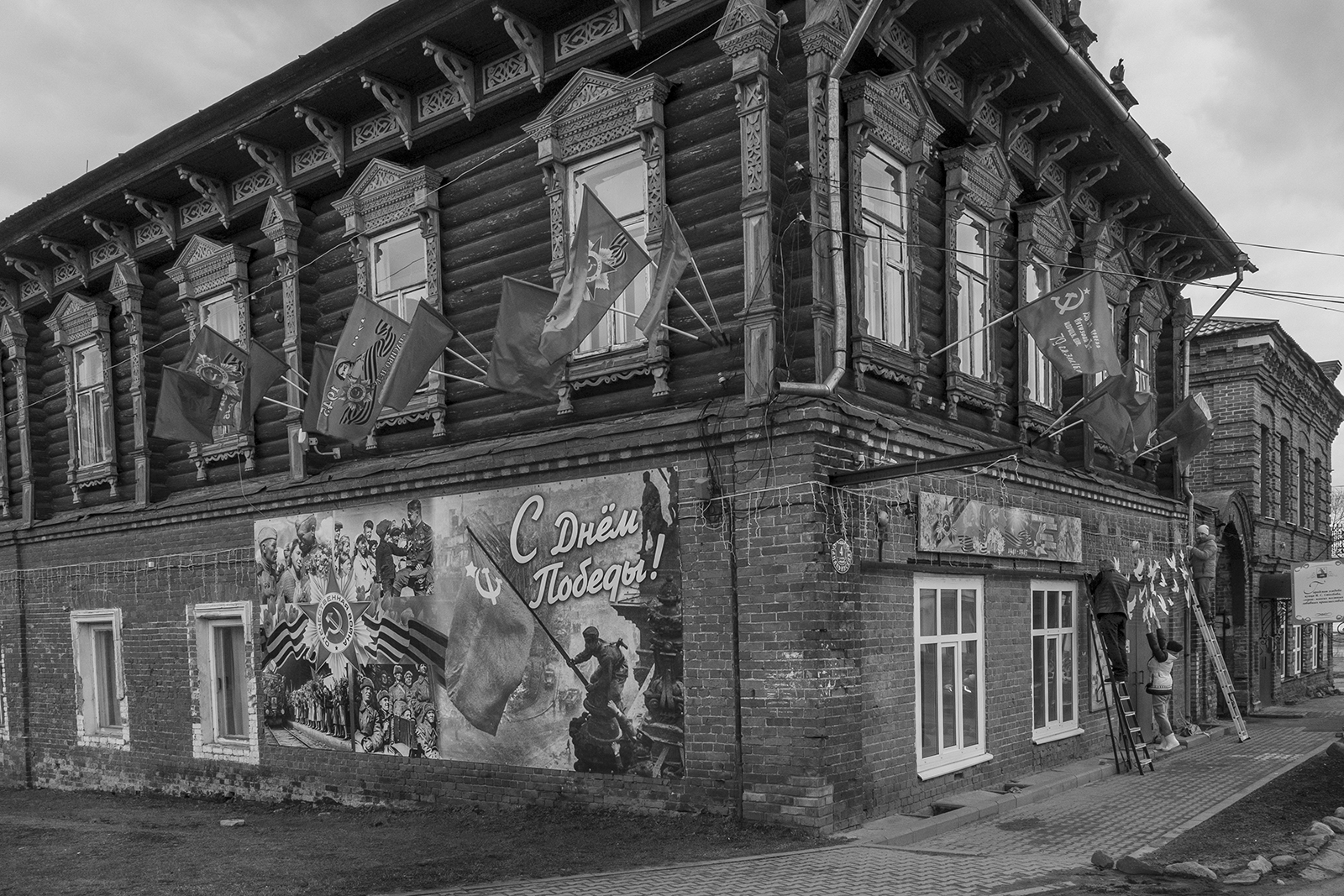
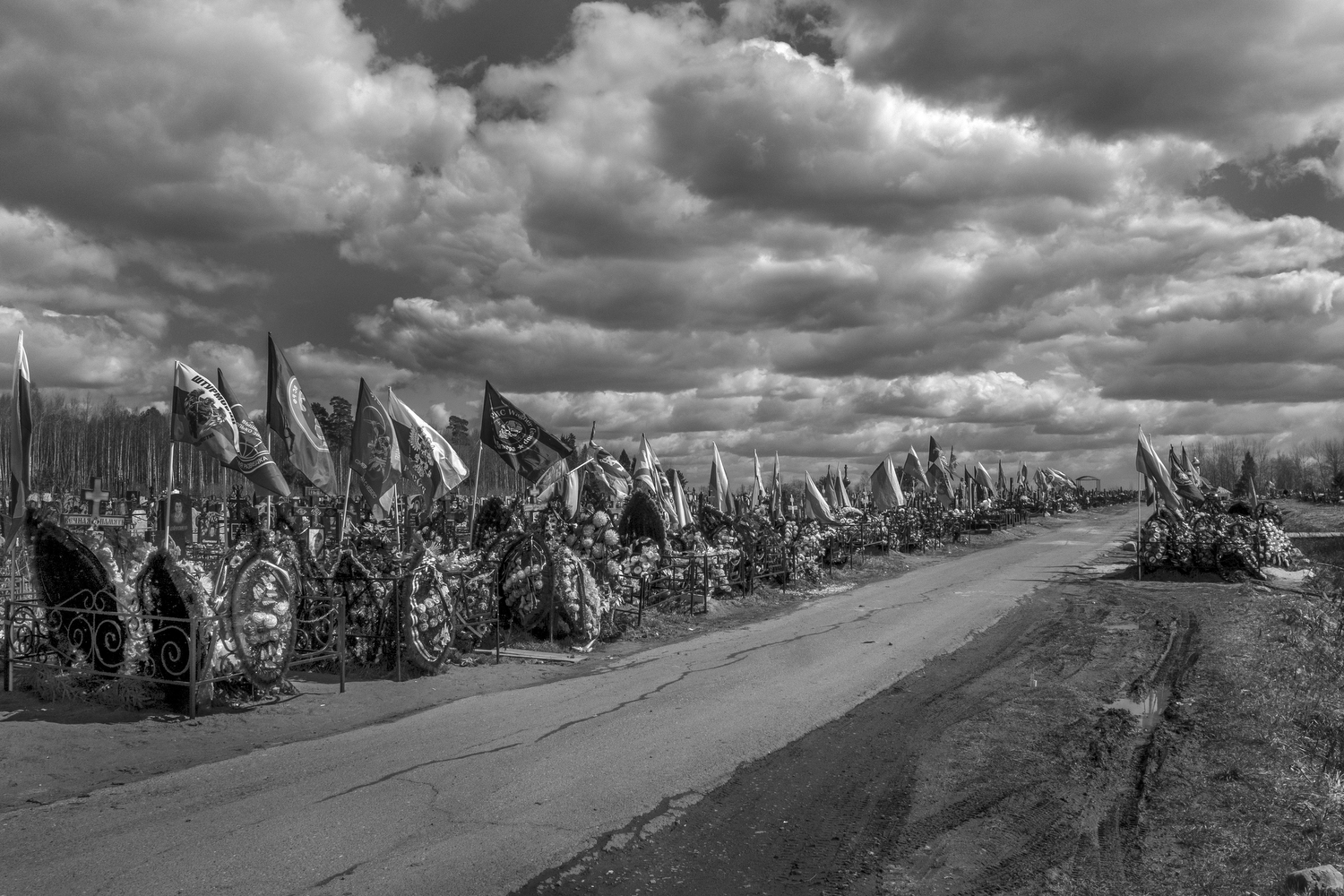
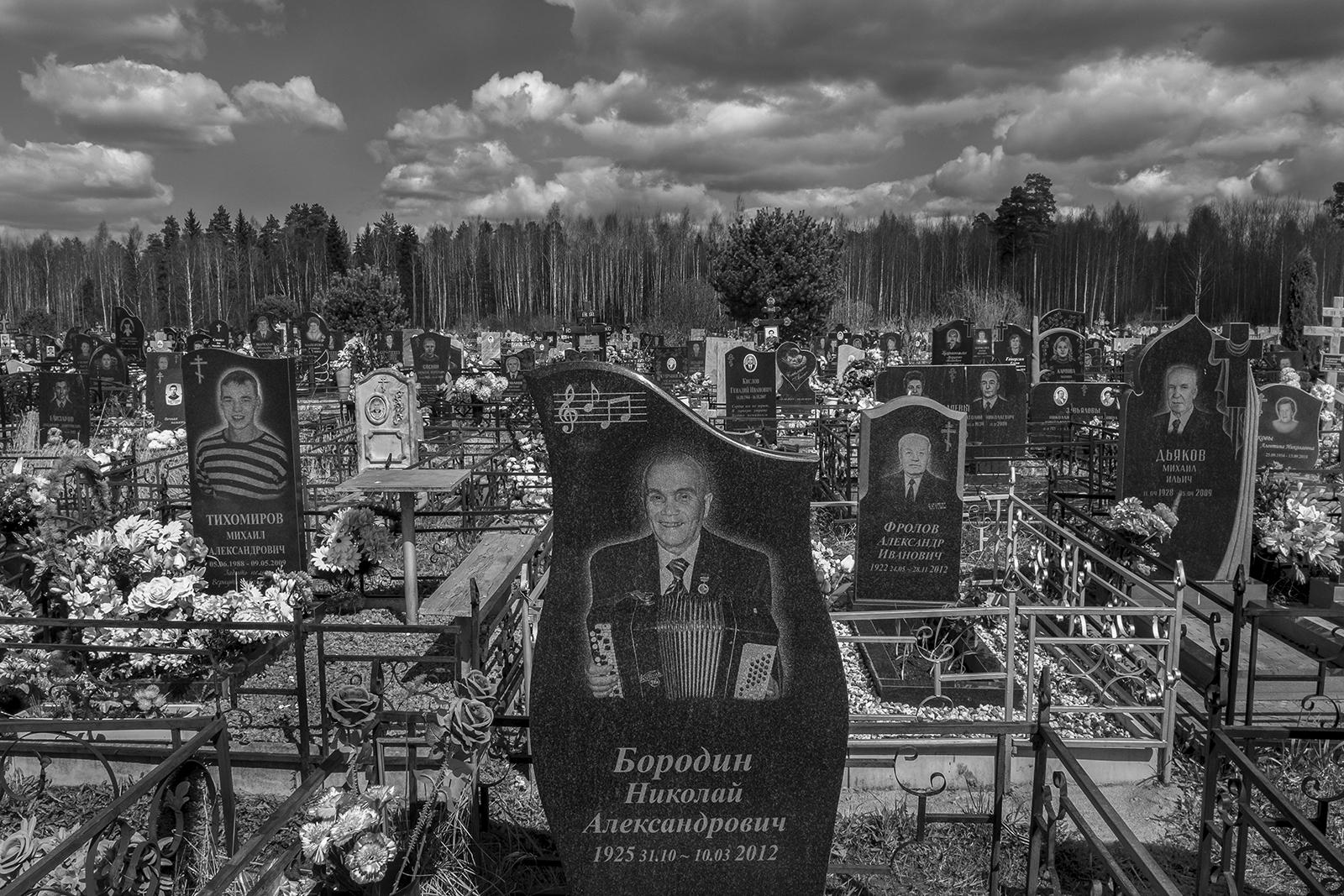
I keep travelling through Russia’s Golden Ring: from cemetery to cemetery. A thousand years of history—and what remains are monuments and graves. From the murdered Tsarevich Dmitry to a soldier of the “special military operation,” whose body—fortunately for his relatives—was brought back from Ukraine to Russia. Russians seem to need drama in life, a taste for tragic emotion. And when their achievements no longer provide that intensity, they create their own drama through destruction.
A Russian selo differs from a derevnya in one simple way: a selo has a cemetery, a derevnya does not. People in the derevnya consider that unfair. Under the tsar, every selo had a church, and beside it—a graveyard. But seventy years of Soviet power banned church and religion, and so today it is said that what every selo truly has is only its own cemetery.
Today, in almost any village cemetery, you will see the Russian flag above the grave of someone killed in Ukraine. “He went to war because there was no work and no money in the village, and they promised a lot of money,” an elderly woman tells me at the cemetery. “He wanted to build a house for us…”
“To make you happy?” I ask.
“Happiness, son, is when there is no war,” she says—and begins to cry.
Oleg Klimov, freelance photographer
Independent documentary work runs on coffee and cigarettes — support the work