
Where the City Throws Itself Away
by Oleg Klimov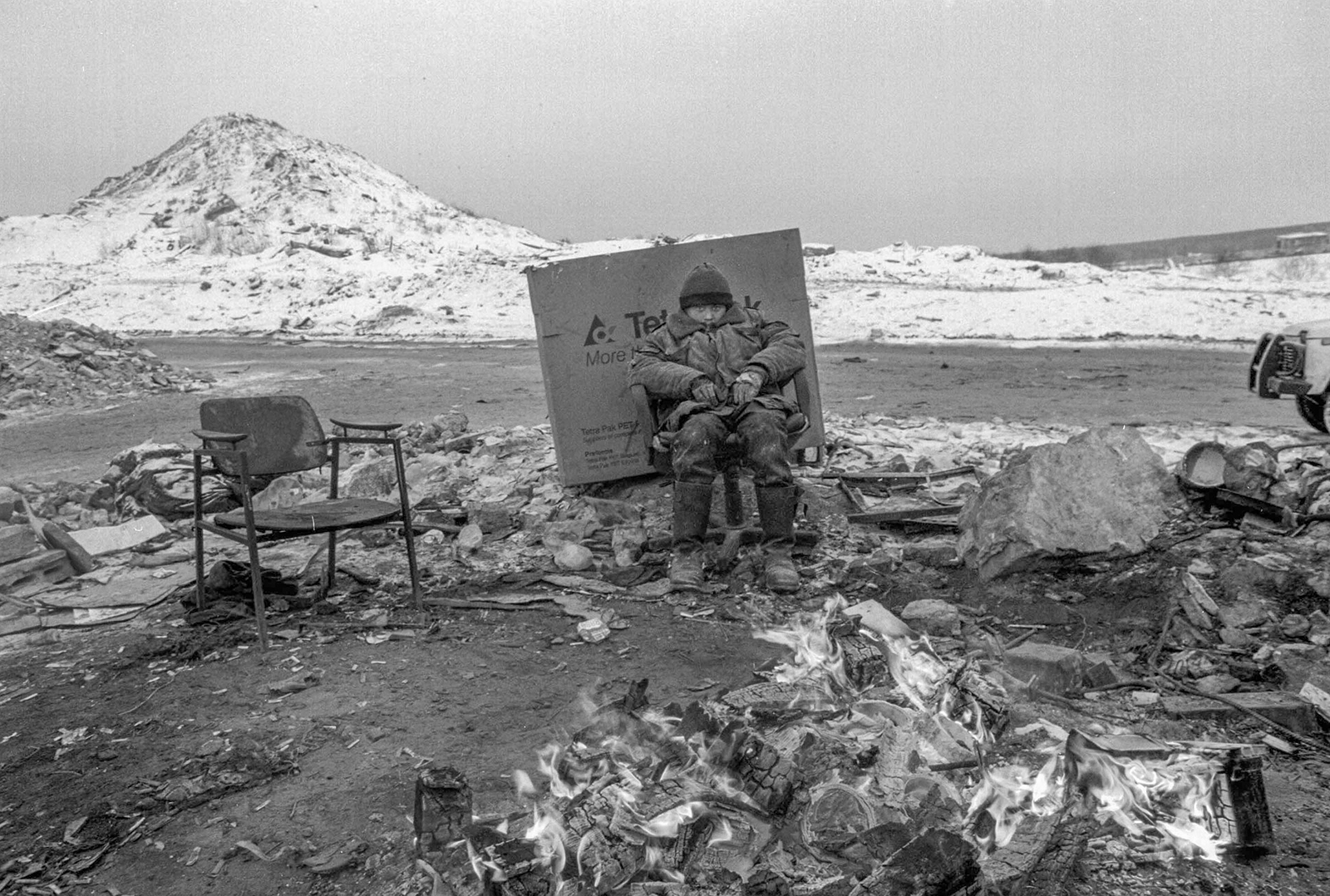
A portrait of the human side of waste
In big cities, waste is designed to be invisible. It disappears behind doors, schedules, and municipal routines. But “away” is always a real place — with its own geography, economy, and human cost.
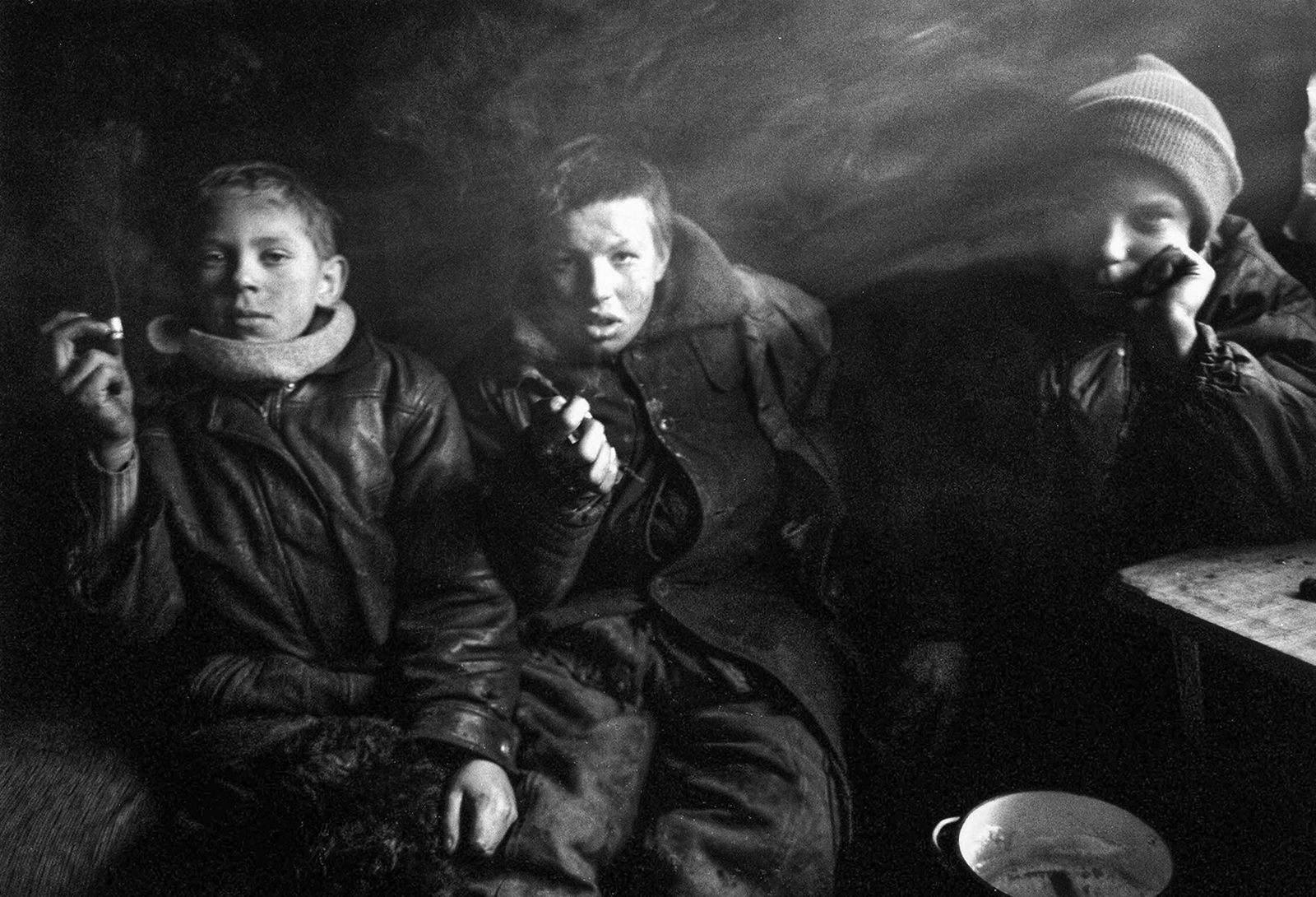
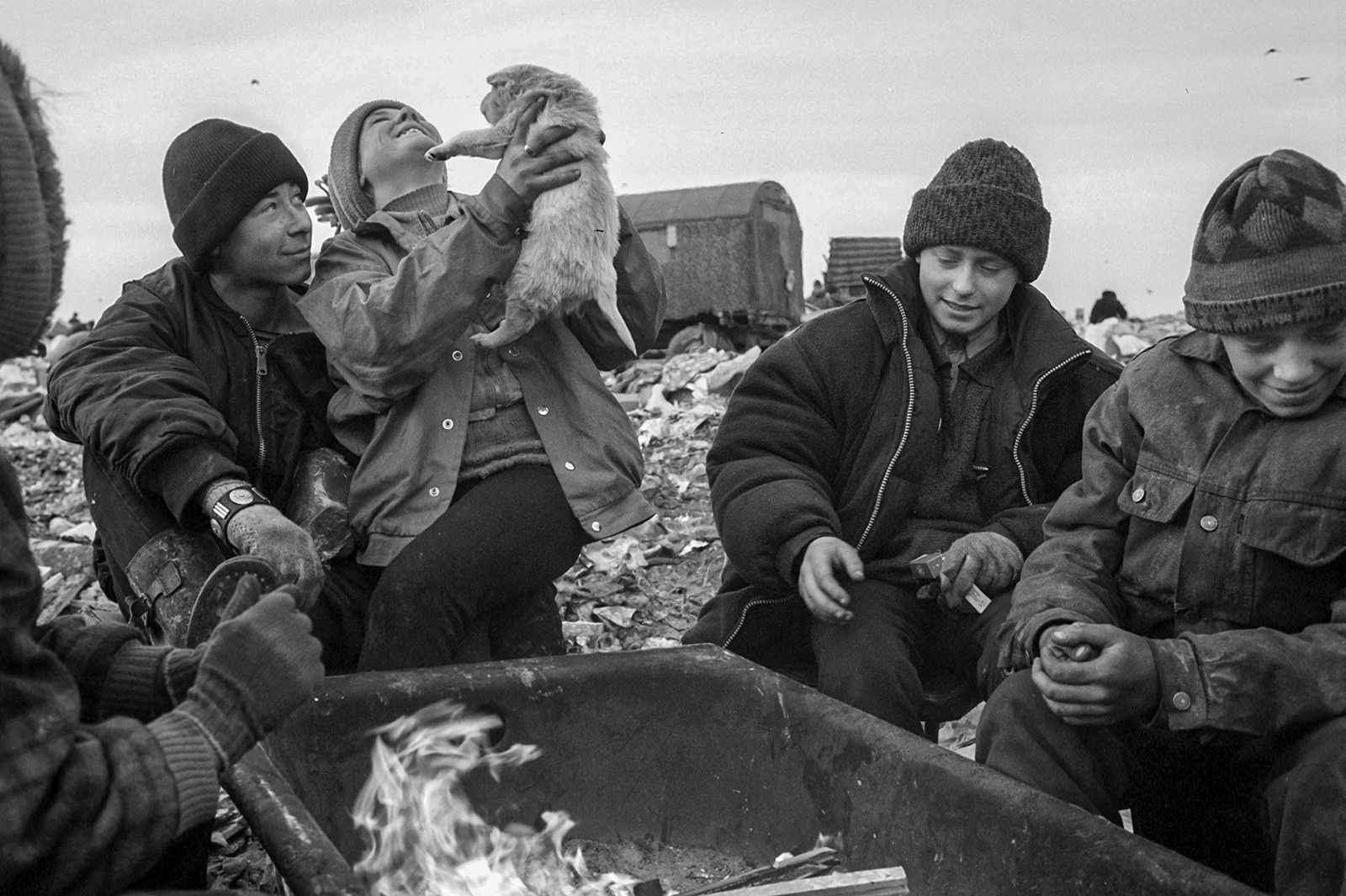
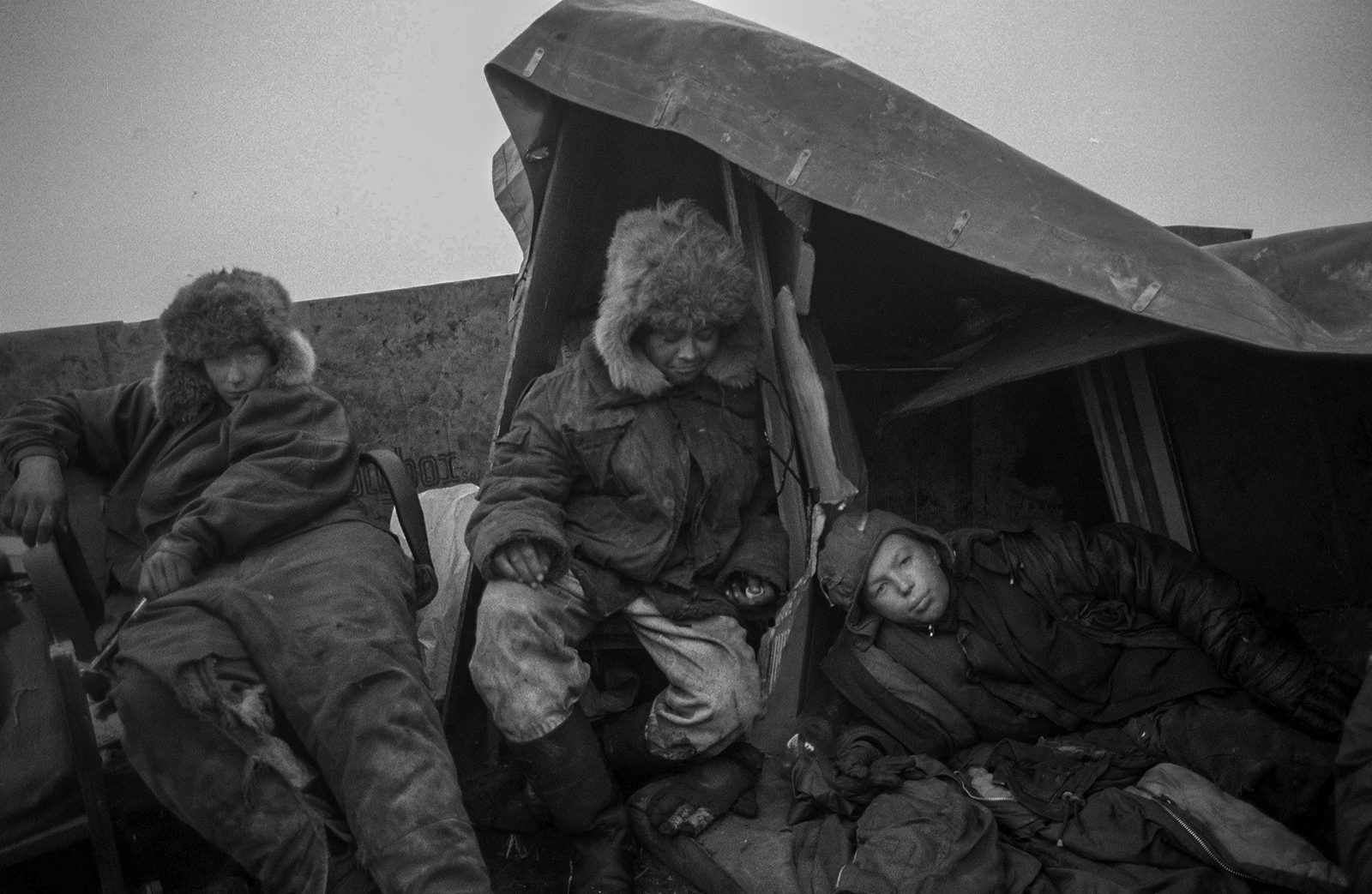
These photographs were made at the Salarievo landfill in Moscow in 2002 and were first published as part of a photo report for NRC Handelsblad (The Netherlands). They document a moment when a landfill could function not only as infrastructure, but as a harsh social landscape: a workplace, a shelter, and for some, a childhood. Cold, smoke, makeshift huts, and exhausted bodies are part of the scene — yet so are ordinary human bonds and small signs of tenderness.
SUBSCRIBE TO RECEIVE NEW TEXTS AND PHOTO STORIES
BY OLEG KLIMOV
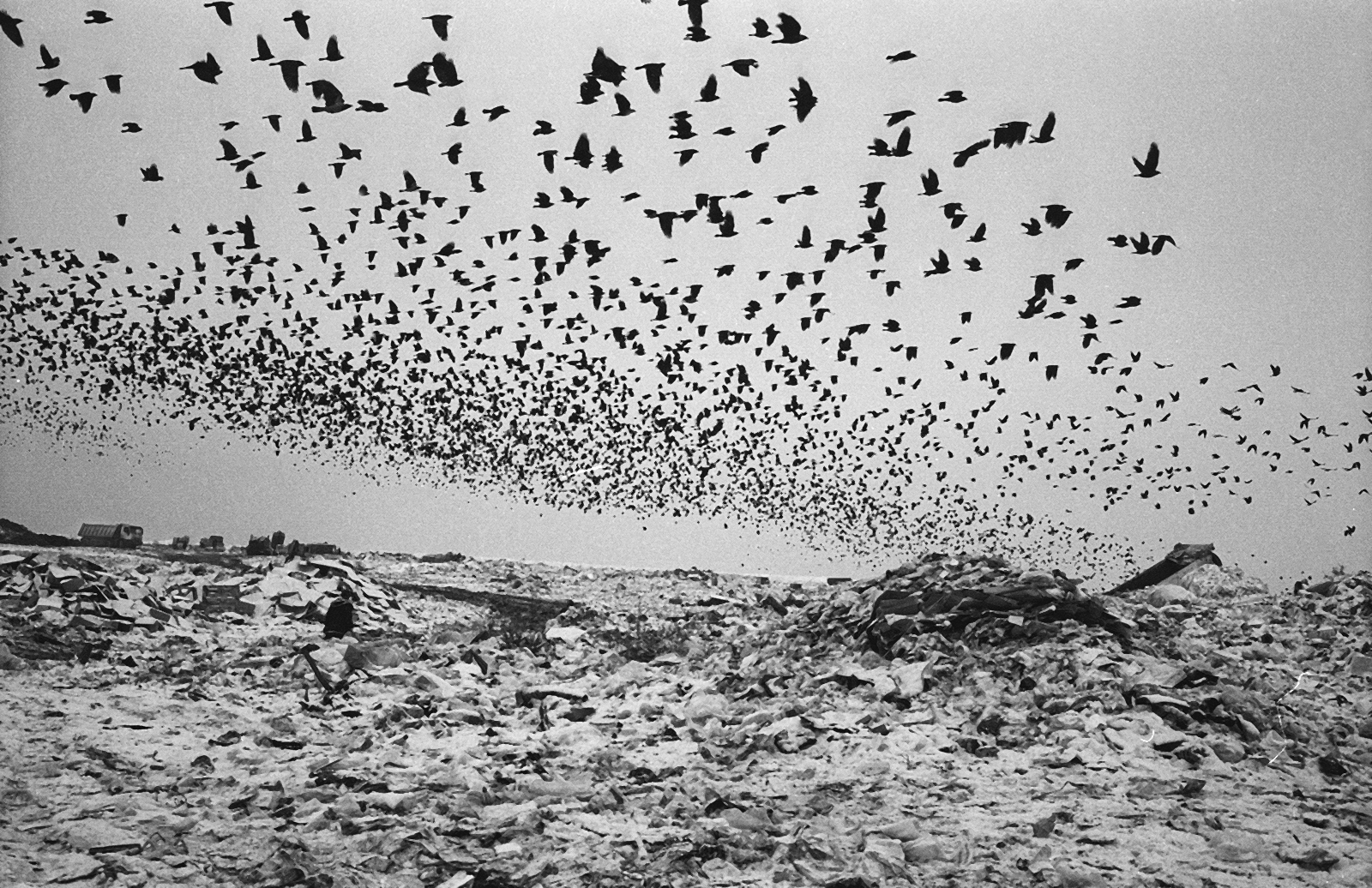
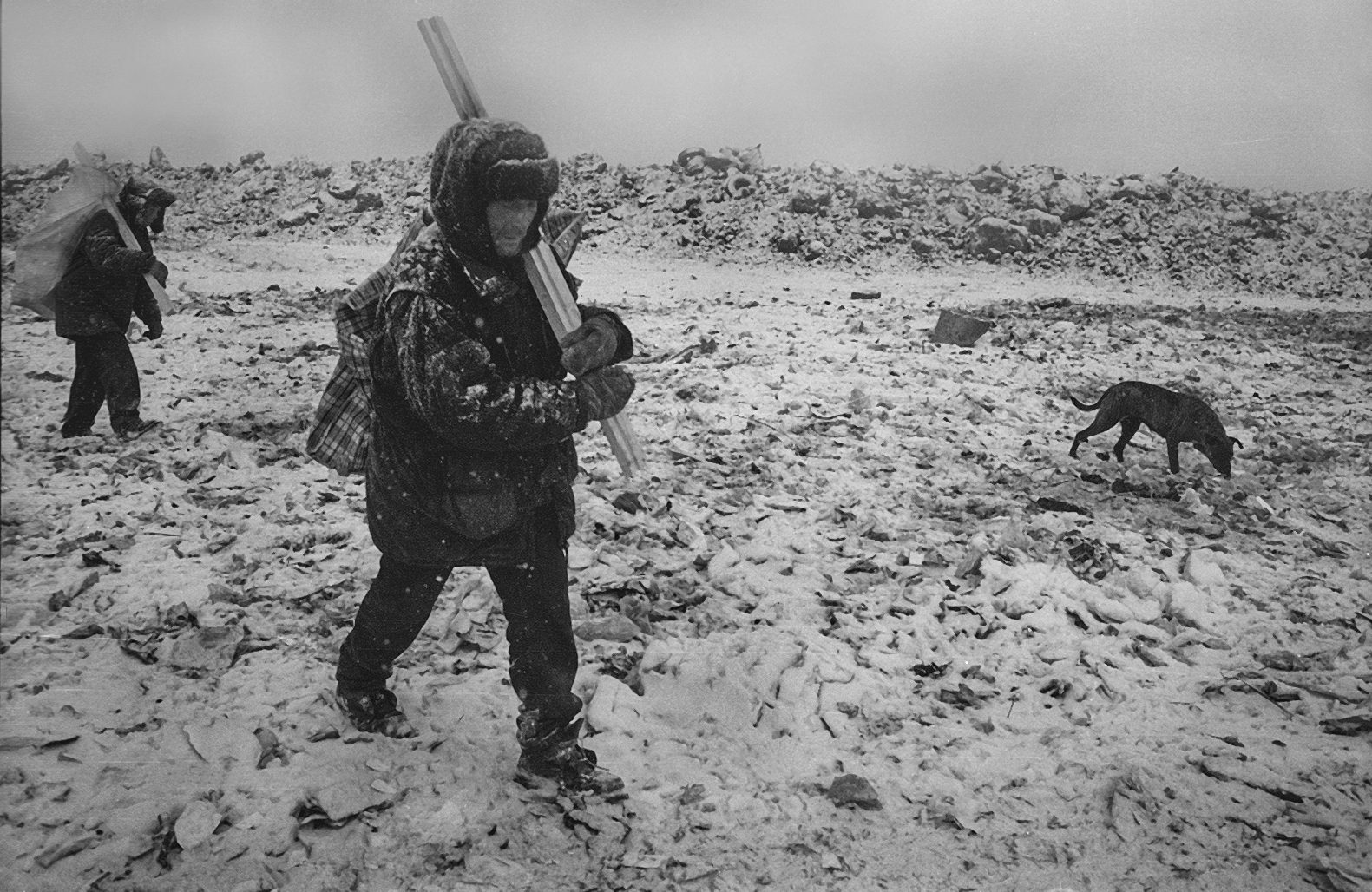
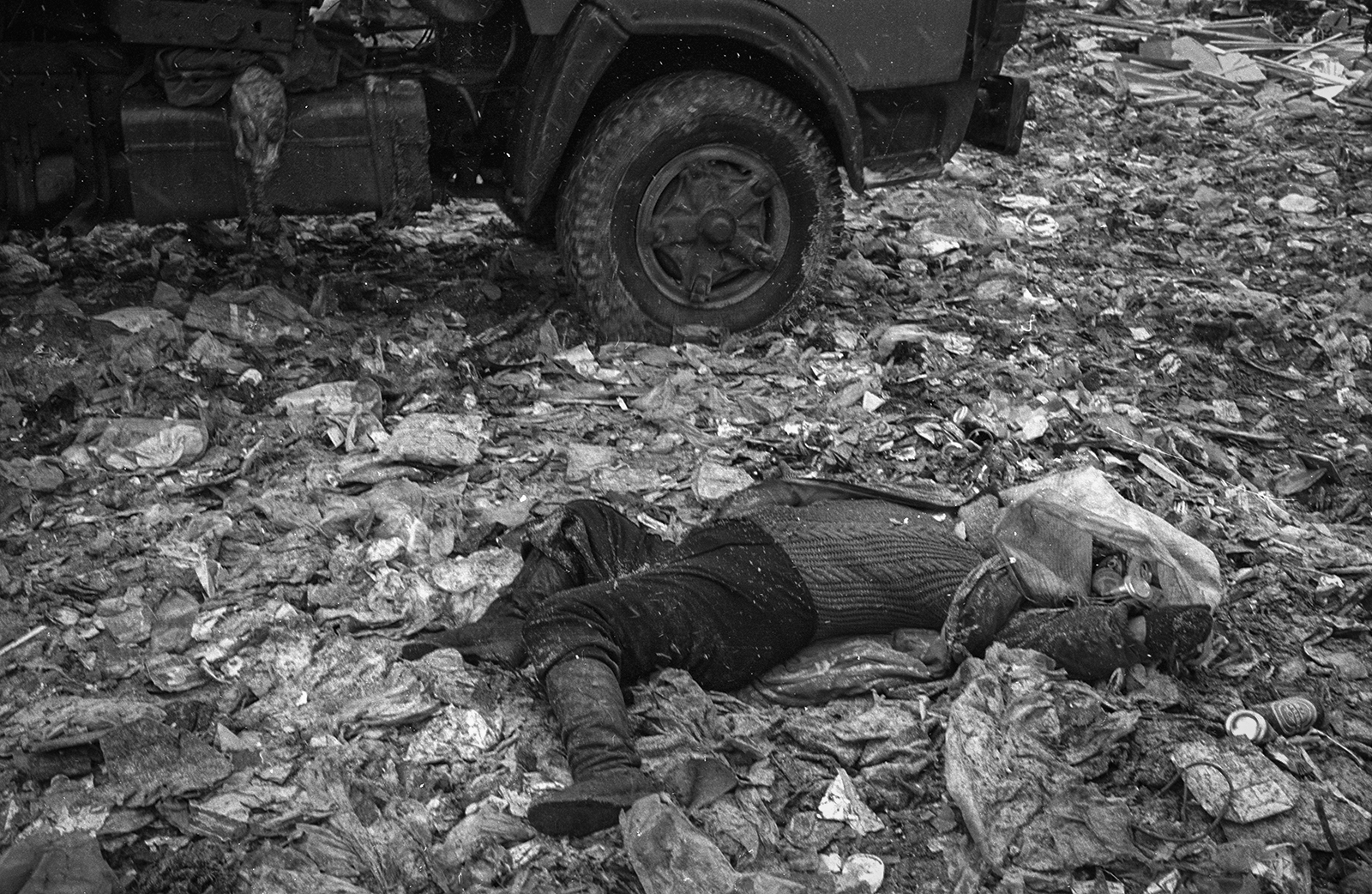
Today, Moscow generates millions of tons of municipal waste each year, and a large share of it is transported outside the city for treatment and disposal. The system has changed, the language has shifted toward sorting and recycling — but the central question remains: who lives closest to what the city throws away, and what does that proximity do to a person, a community, and a landscape?Two decades later, waste management may look more modern, but the dilemma is unchanged: the cleaner the city center, the heavier the burden on its periphery.
Oleg Klimov, freelance photographer
SUBSCRIBE TO RECEIVE NEW TEXTS AND PHOTO STORIES
BY OLEG KLIMOV