
On Both Banks of the Neman
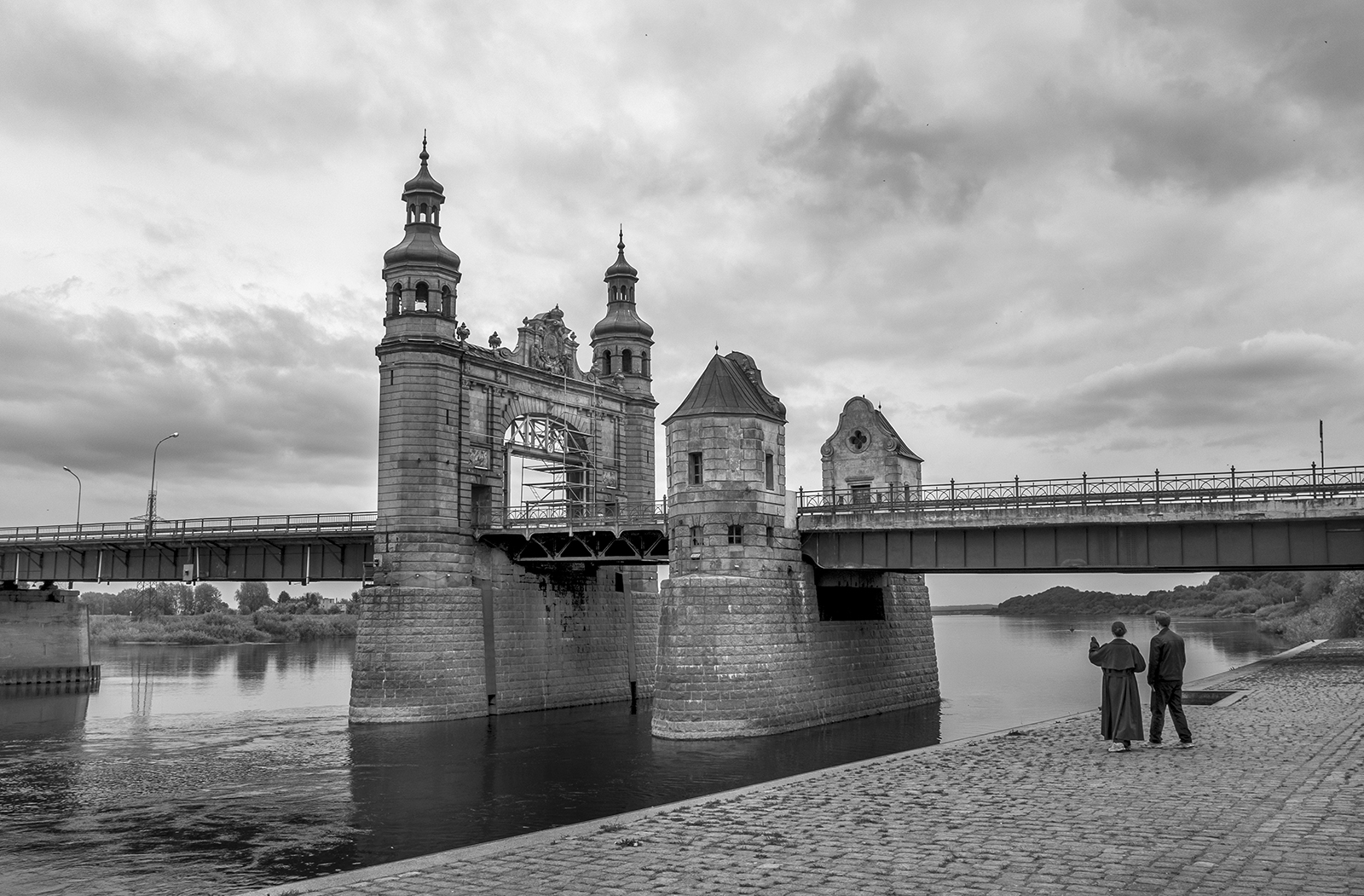 Queen Louise Bridge, built in 1907. Sovetsk, formerly Tilsit, East Prussia. Kaliningrad Region, May 2026. Photograph by Oleg Klimov.
The majestic arched bridge over the Neman River today connects Russia and Lithuania — the external border between the Russian Federation and the European Union. Its portal is still decorated with a bas-relief of Queen Louise of Prussia. From 1797 to 1810, she was the wife of King Frederick William III and held the title of Queen of Prussia.
The personal meeting between Queen Louise and Napoleon Bonaparte took place in Tilsit on 6 July 1807. It became one of the most dramatic diplomatic episodes of the Napoleonic Wars.
By that time, Prussia had effectively been defeated by the French army. Napoleon was negotiating peace with the Russian emperor Alexander I on a raft in the middle of the Neman. The French emperor openly ignored the Prussian king, Frederick William III, while Prussia’s future as an independent state was under threat: under the terms of the coming peace, it was to lose a significant part of its territory.
Recognising the hopelessness of the situation, Prussian ministers persuaded Queen Louise to come to Tilsit. She sincerely despised Napoleon and called him a “monster,” but agreed to swallow her pride for the sake of saving her country. Her main goal was to secure the return of the key fortress of Magdeburg to Prussia.
Despite her relatively short time as queen — about thirteen years — Louise became a cult historical figure: a symbol of Prussian resilience during the Napoleonic Wars and a “queen of hearts” for her people.
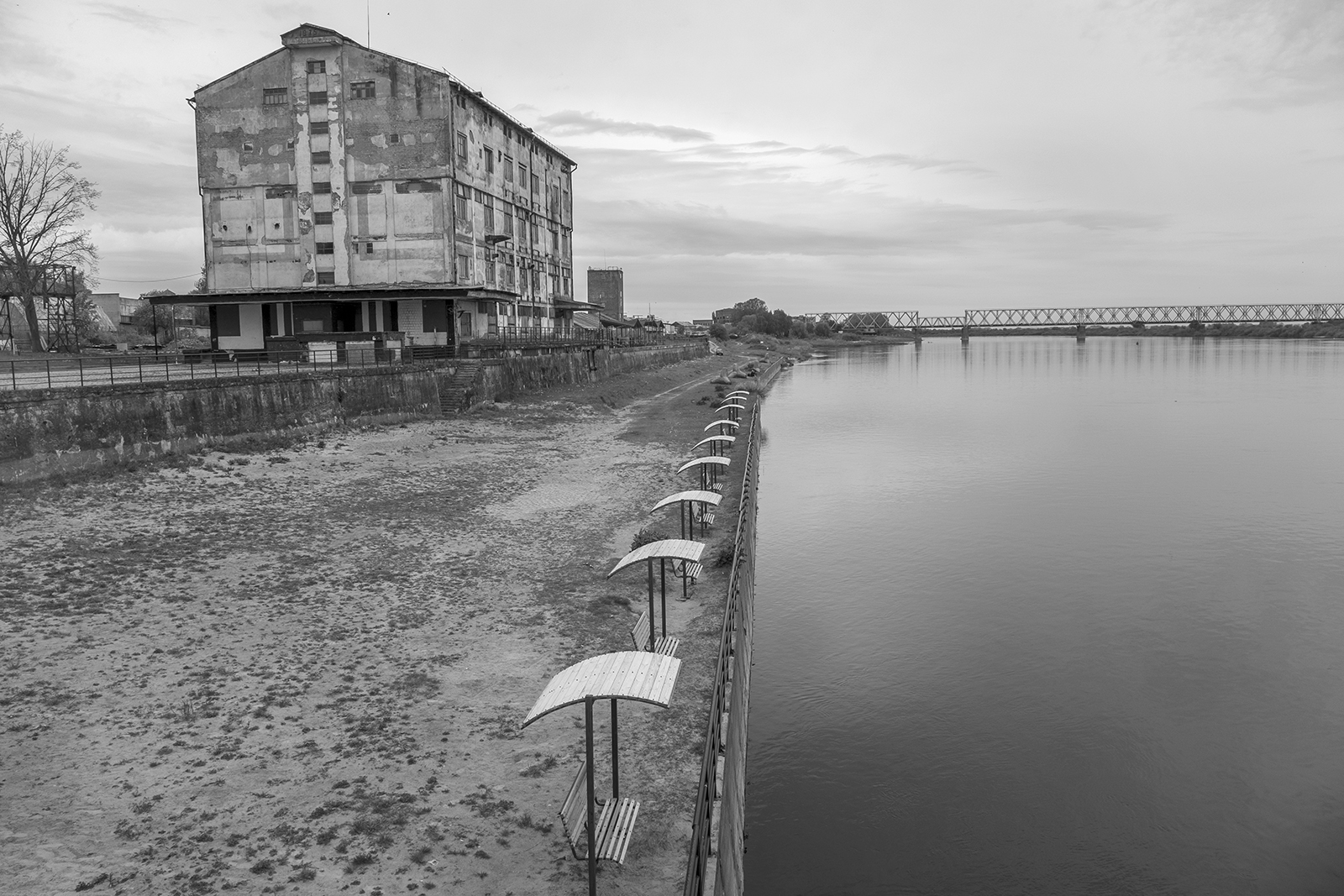
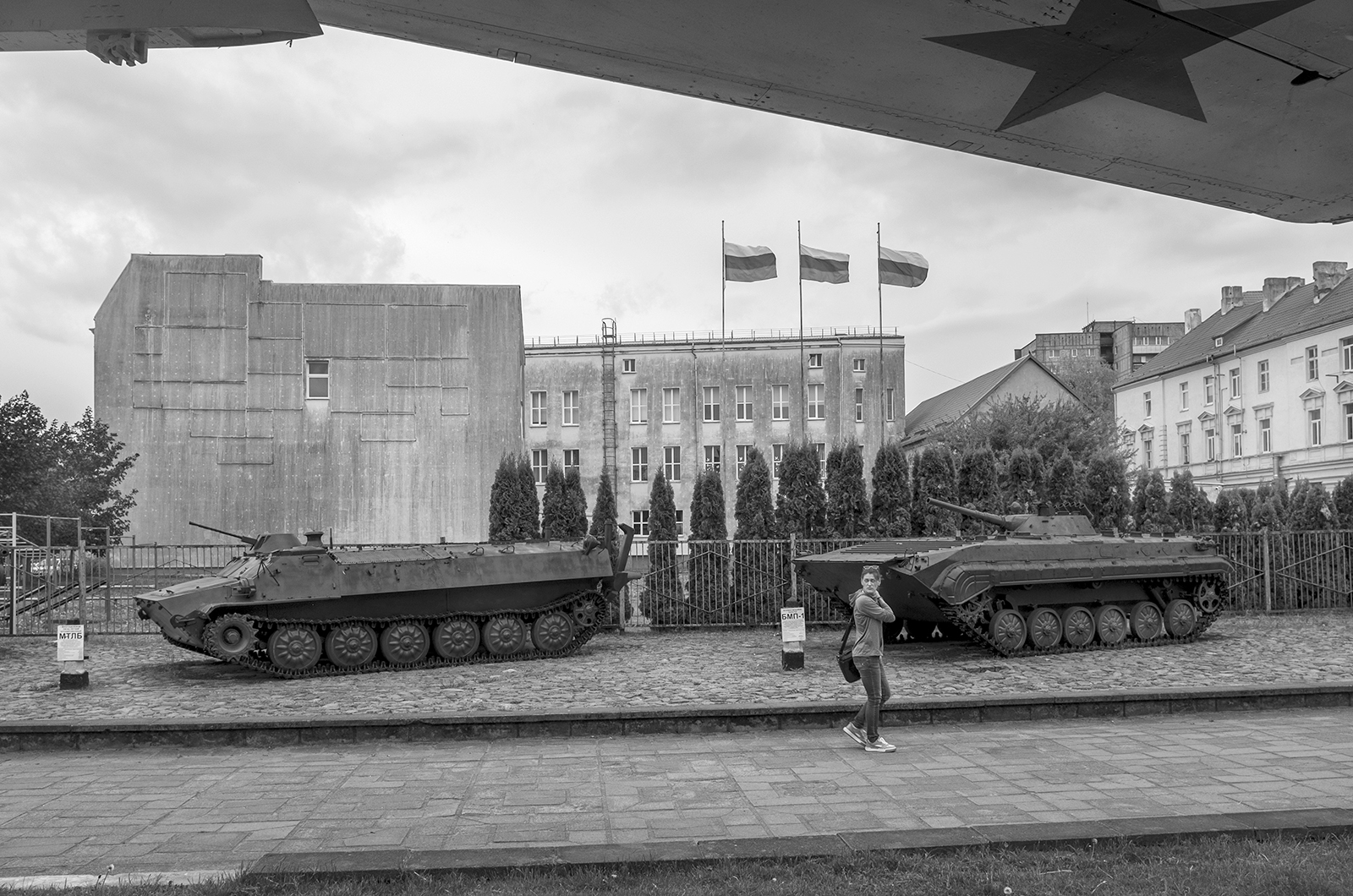
Today, Sovetsk is not simply the former Tilsit with its Queen Louise Bridge, but a living border point between Russia and the European Union. Here, the Neman remains at once a historic river, a state border, and a criminal route.
SUBSCRIBE TO RECEIVE NEW TEXTS AND PHOTO STORIES
BY OLEG KLIMOV
For many years, attempts have been made to move cigarettes, amber and other goods across the river and through the official border crossing — by swimming, by boat, hidden inside vehicles, by means of cables stretched across the water, and even with homemade drones. As early as 2014, Russian border guards described this stretch as popular with illegal carriers: most often they detained “divers” in wetsuits carrying waterproof boxes, but more inventive methods were also recorded — radio-controlled boats, cables across the Neman, and homemade GPS-guided drones.
In January 2025, in the area of Sovetsk and the Slavsk district, the Border Directorate of the FSB for the Kaliningrad Region reported that it had dismantled a channel for smuggling amber and tobacco products into Lithuania. In a cache about 500 metres from the Neman, officers found more than 260 kilograms of amber which, according to the security services, was to be sent across the river using a stretched cable. More than five thousand packs of cigarettes, weapons, US dollars and narcotic substances were also reportedly found there.
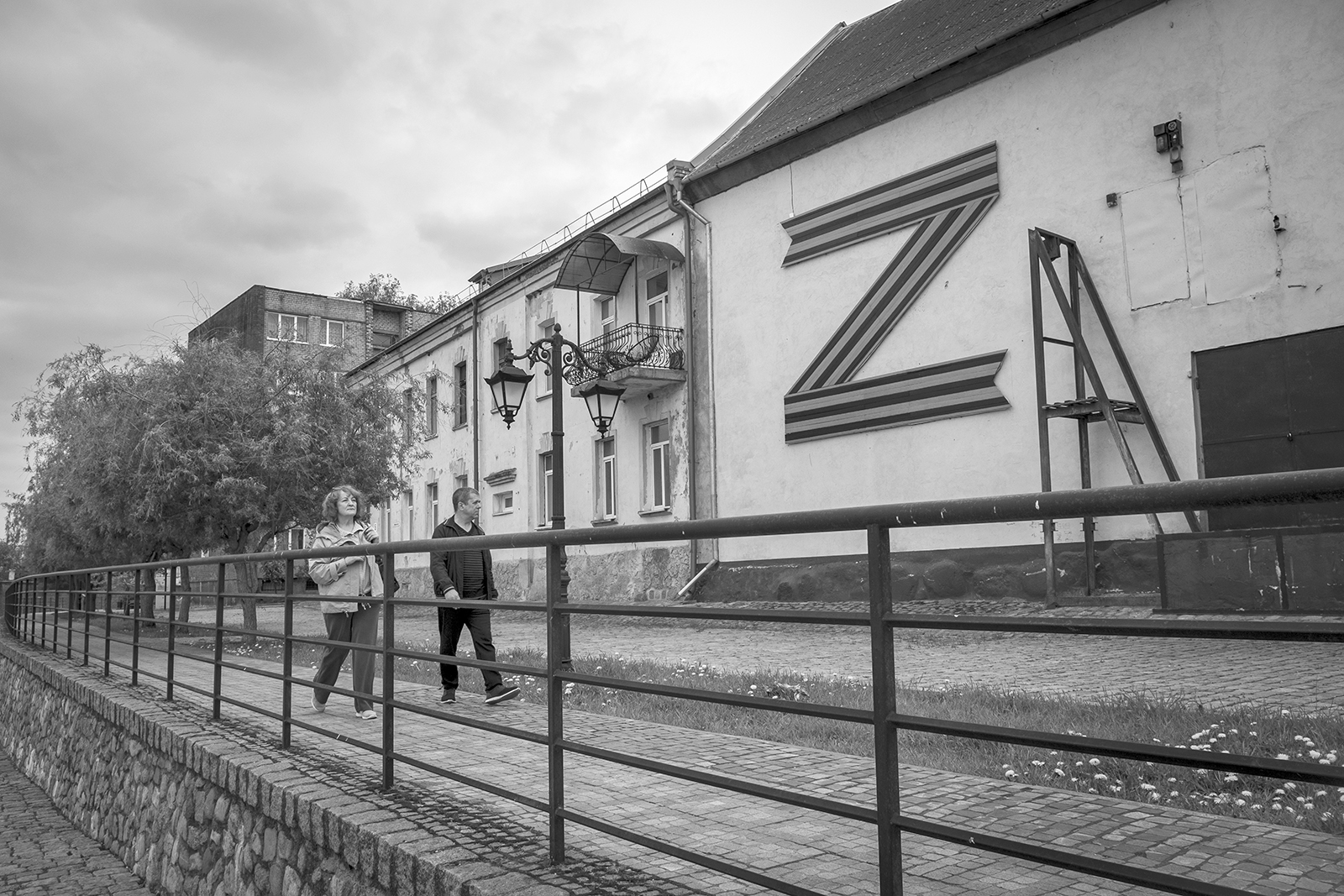
After the beginning of Russia’s full-scale invasion of Ukraine, the Neman between Sovetsk and the Lithuanian town of Panemunė also became a line of visual confrontation. On the Russian side, near the Sovetsk embankment, a huge letter Z appeared on the façade of one of the houses — positioned so that it could be seen from across the river in Lithuania. The Lithuanian side responded differently: large Lithuanian and Ukrainian flags were raised on a tower in Panemunė, designed to be seen from the Russian bank.
In this way, the former Tilsit became drawn into an almost theatrical war of signs: a bridge, a river, flags, letters, surveillance cameras, and two banks that no longer look at each other as neighbours.
In February 2026, Lithuanian border guards detained a 68-year-old resident of Sovetsk who had crossed the border over the frozen Neman towards Panemunė. In April 2026, according to local sources, another resident of Sovetsk, reportedly intoxicated, tried to swim across the river and drowned; his body was later found by Russian border guards. At the time of the February incident, the Lithuanian side reported that this was already the third detained border violator since the beginning of 2026. In 2025, according to Lithuanian border guards, 57 people were detained for violating the country’s external border; some of them had crossed it unintentionally.
Remembering the history of Tilsit, some local residents speak with a measure of irony about possible negotiations between Ukraine and Russia, with European mediators present — on a special raft somewhere along the fairway of the Neman.
“It would be symbolic to see Presidents Zelensky and Putin on a raft,” one resident of Sovetsk told me, “but in today’s political circumstances, hardly anyone could repeat the image of Queen Louise.”
Oleg Klimov, Sovetsk, Kaliningrad region. 18 May 2026.
Share the story — make the world freer: