
Operation Enduring Freedom
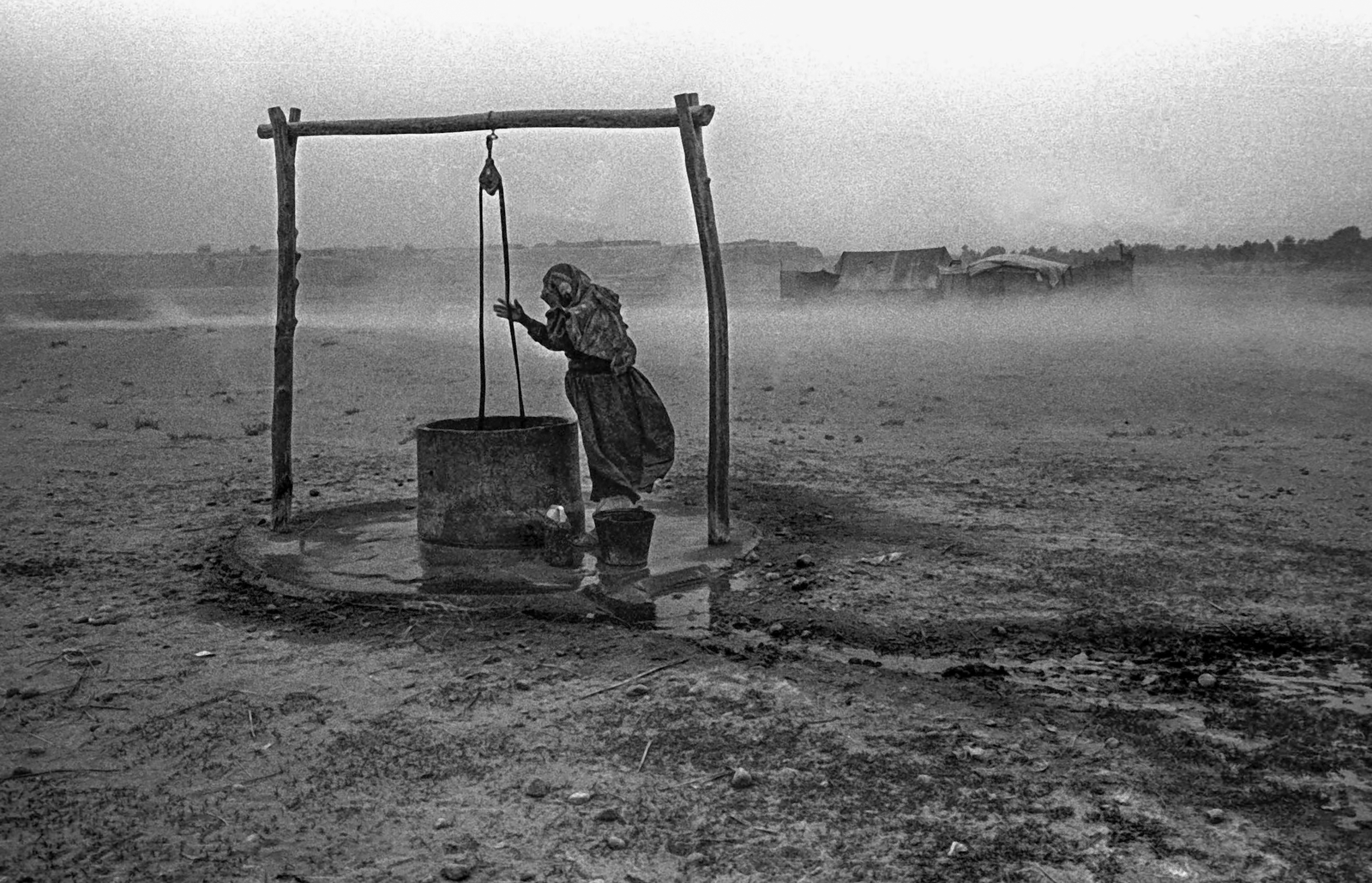
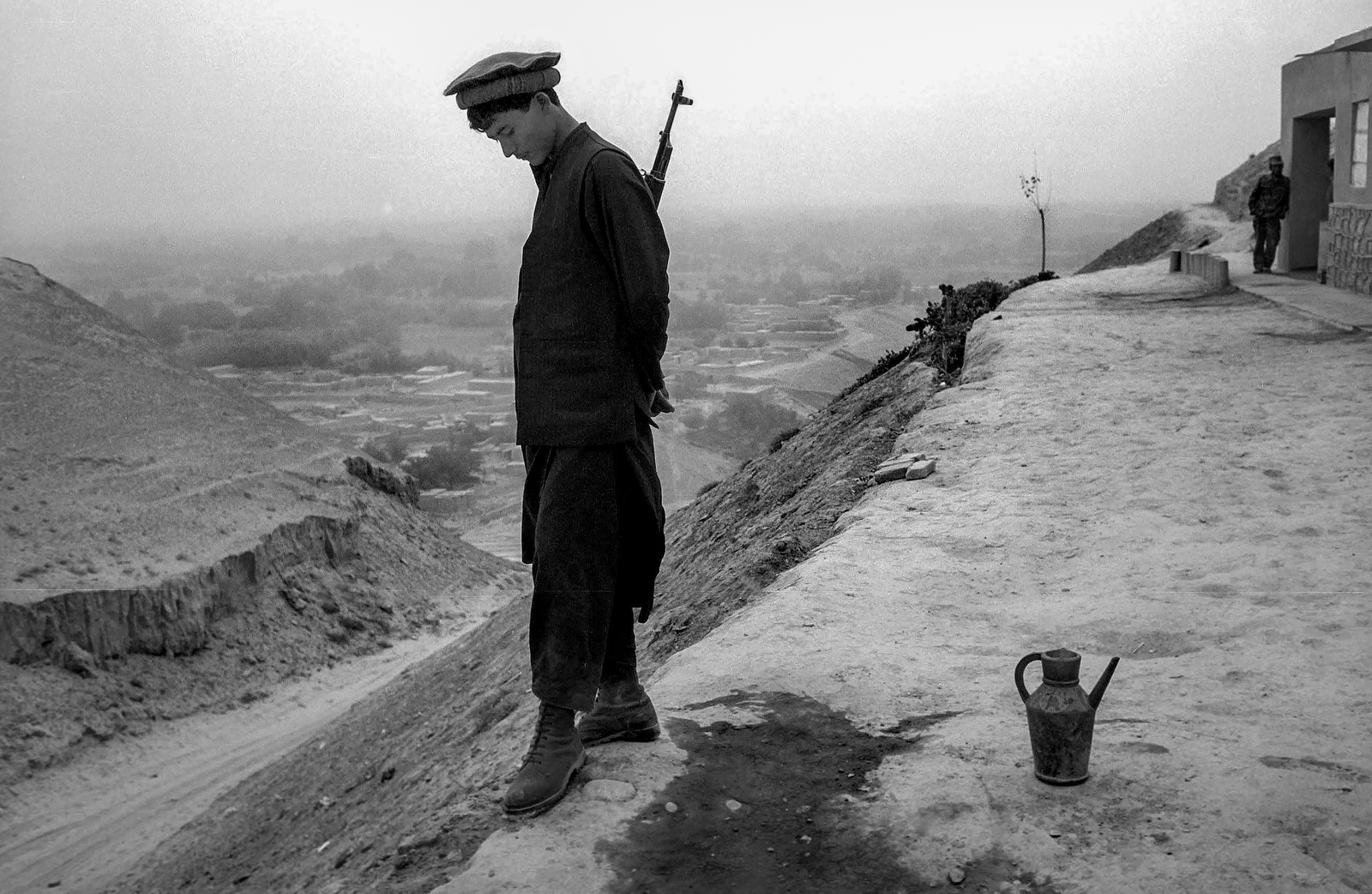
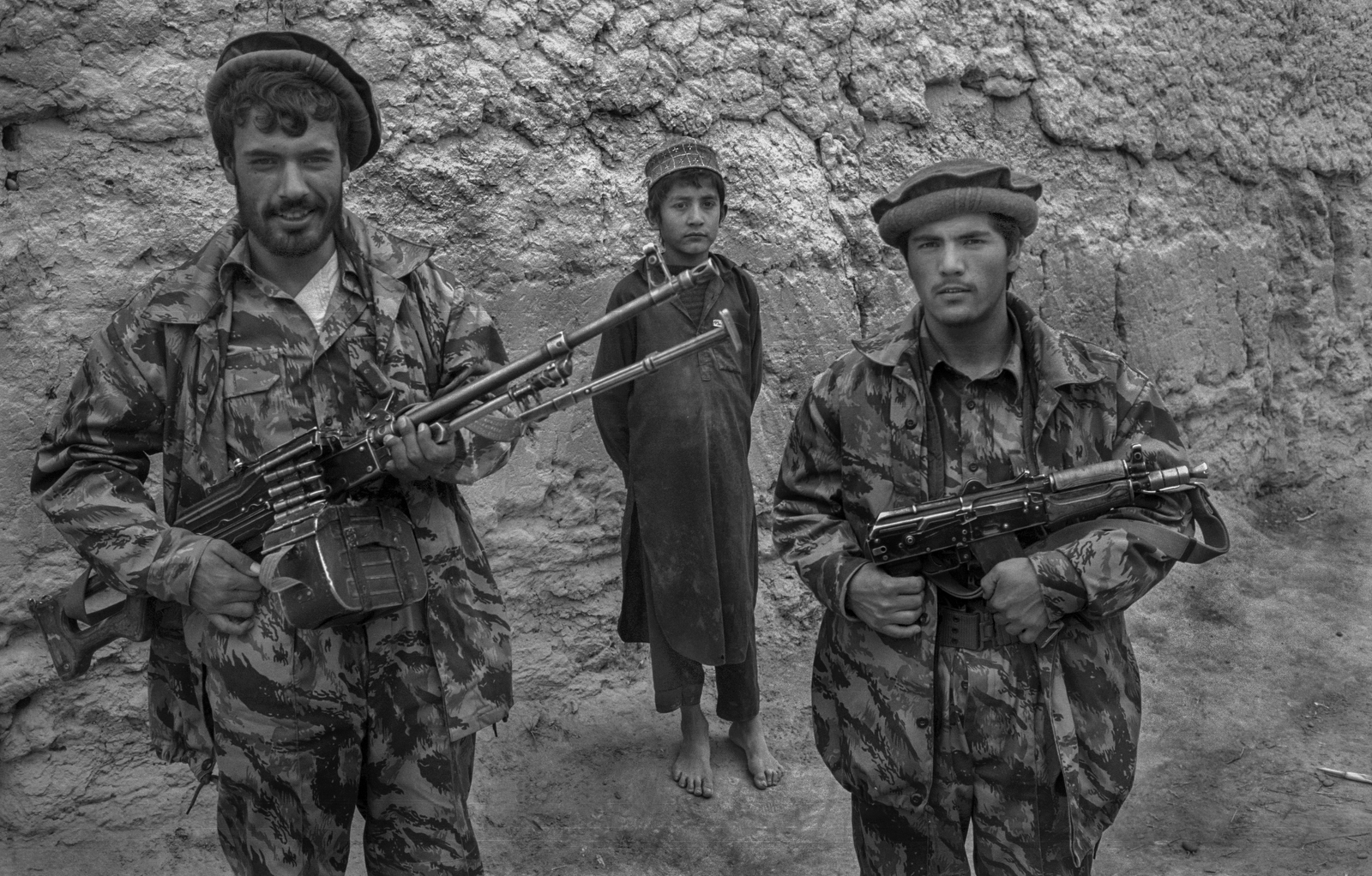
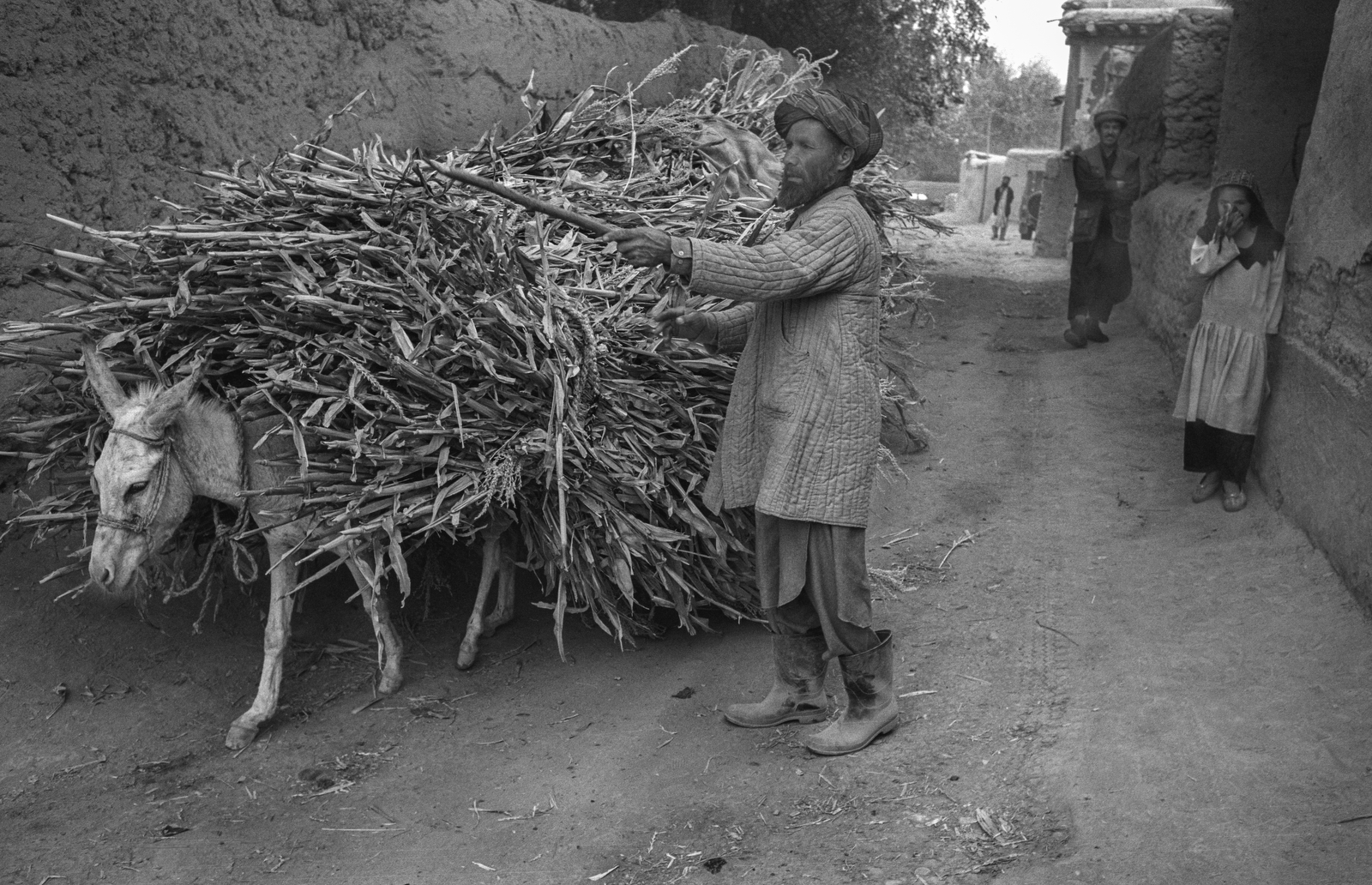
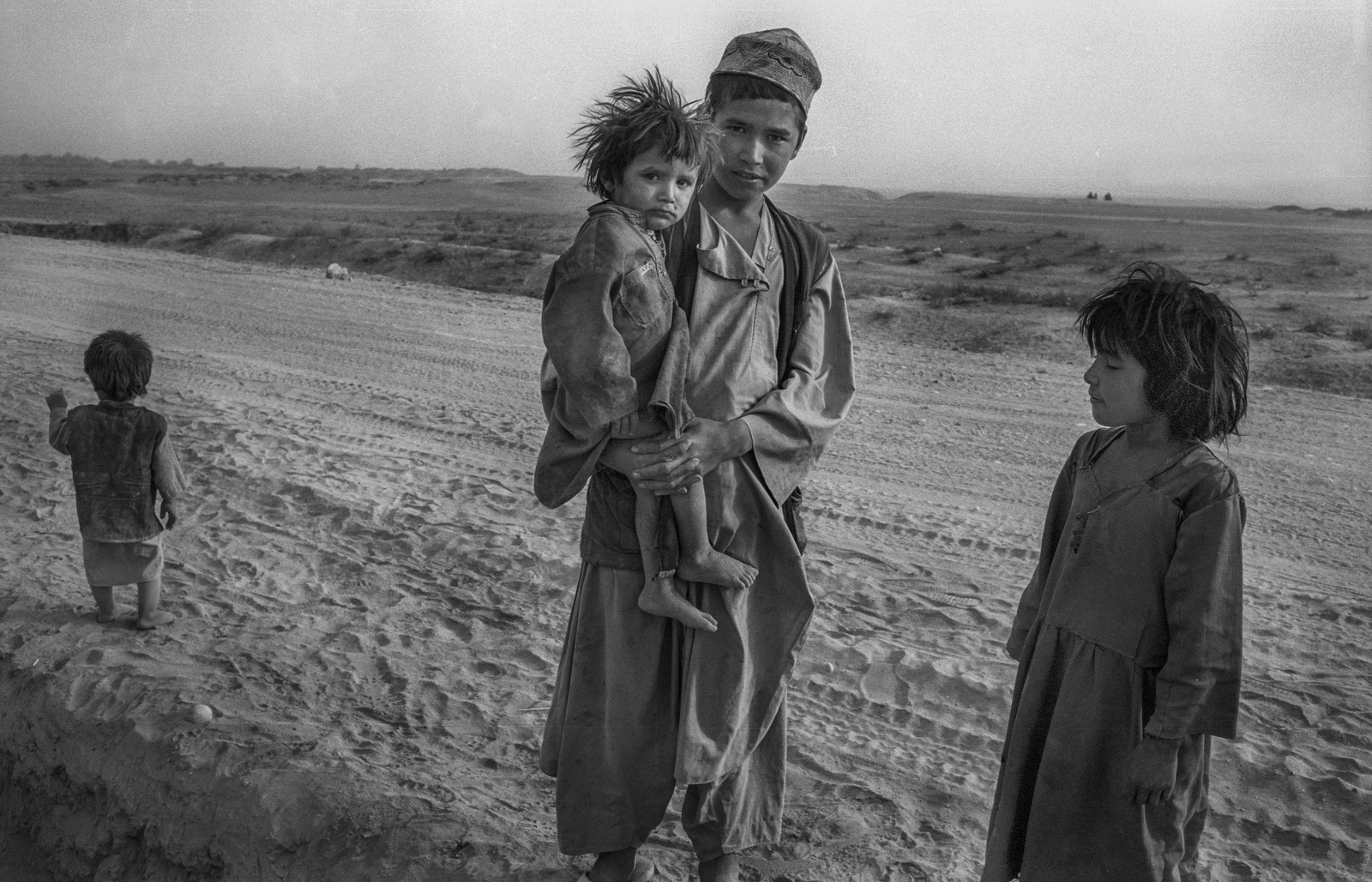
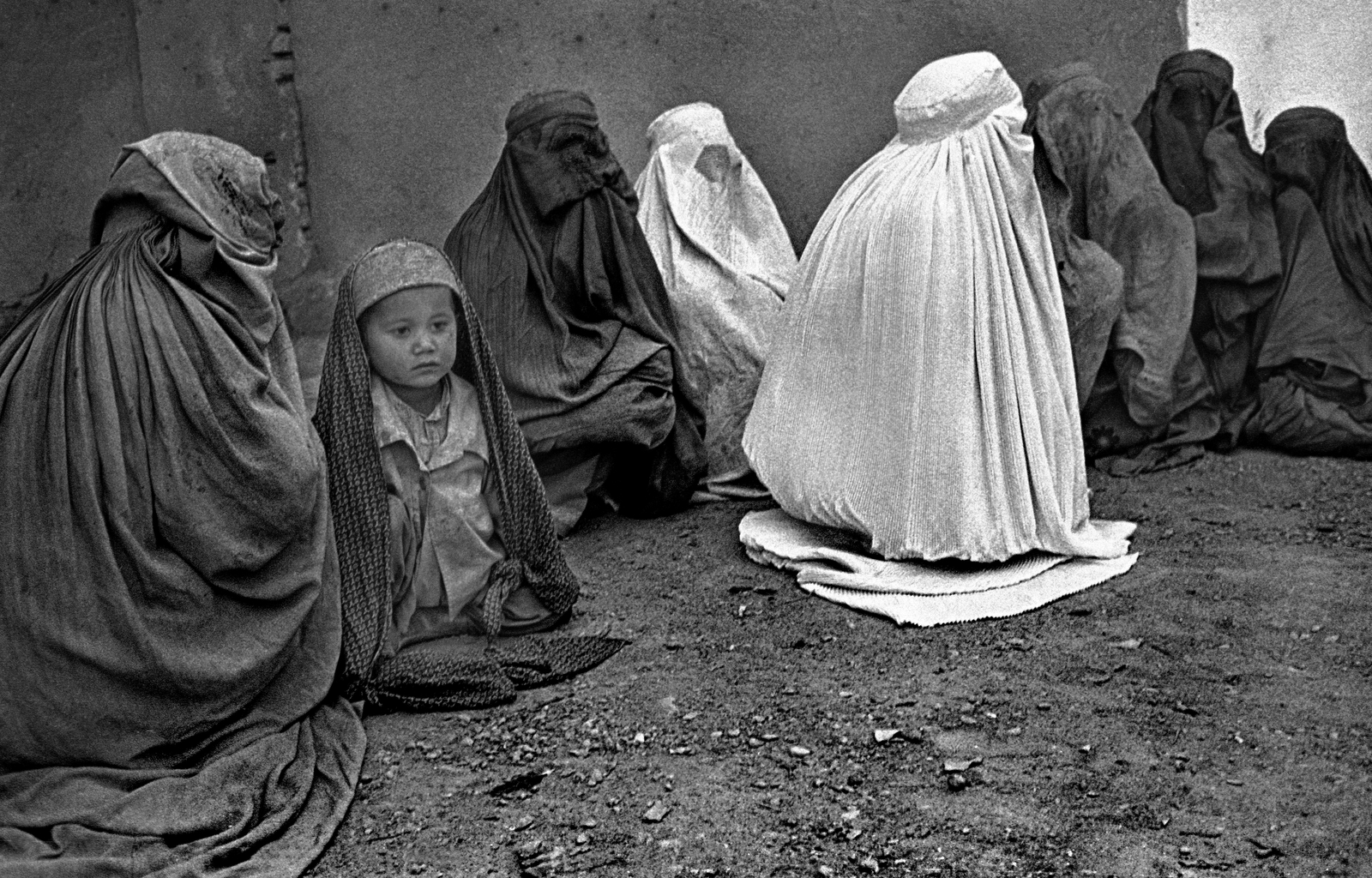
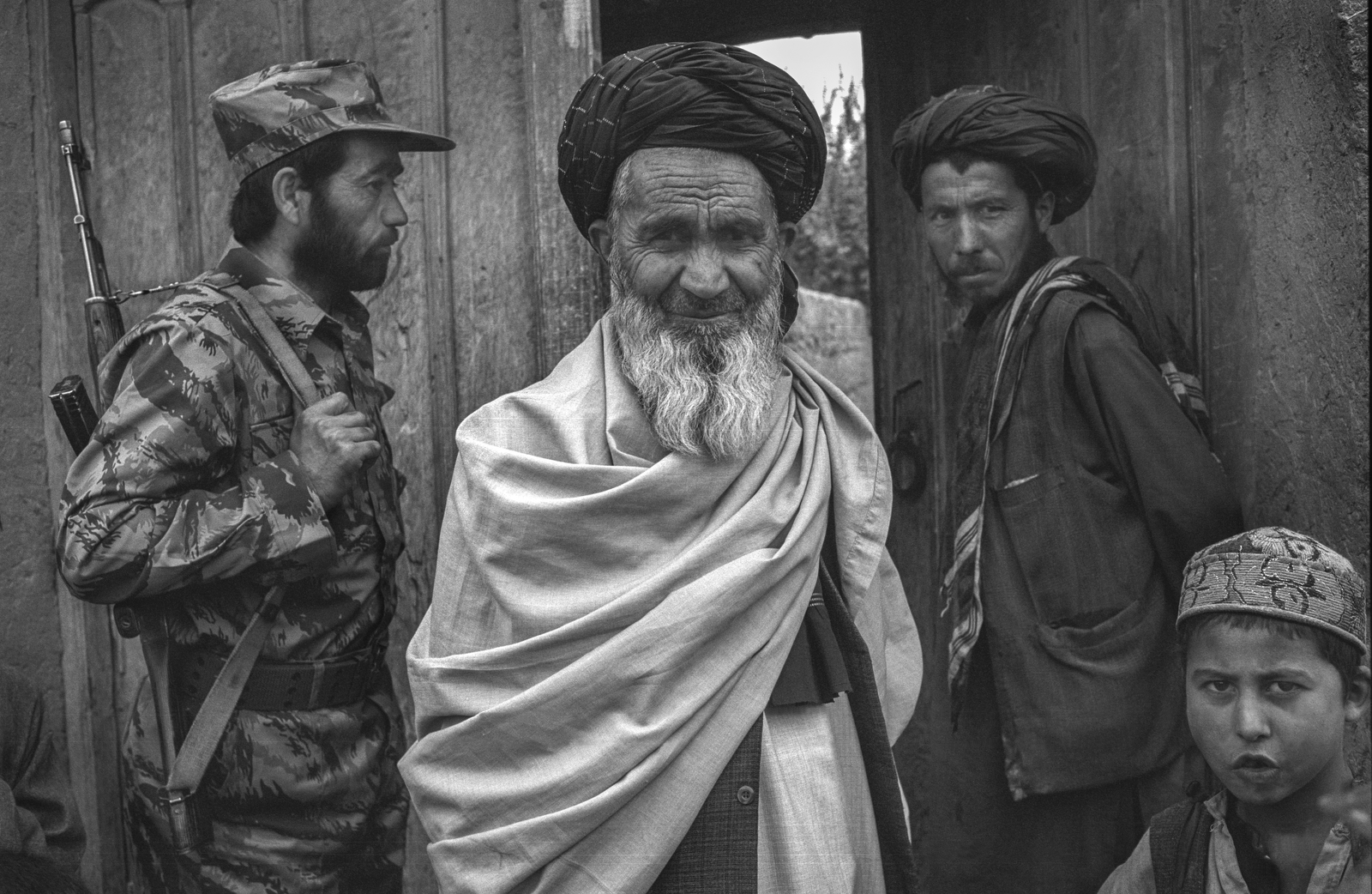
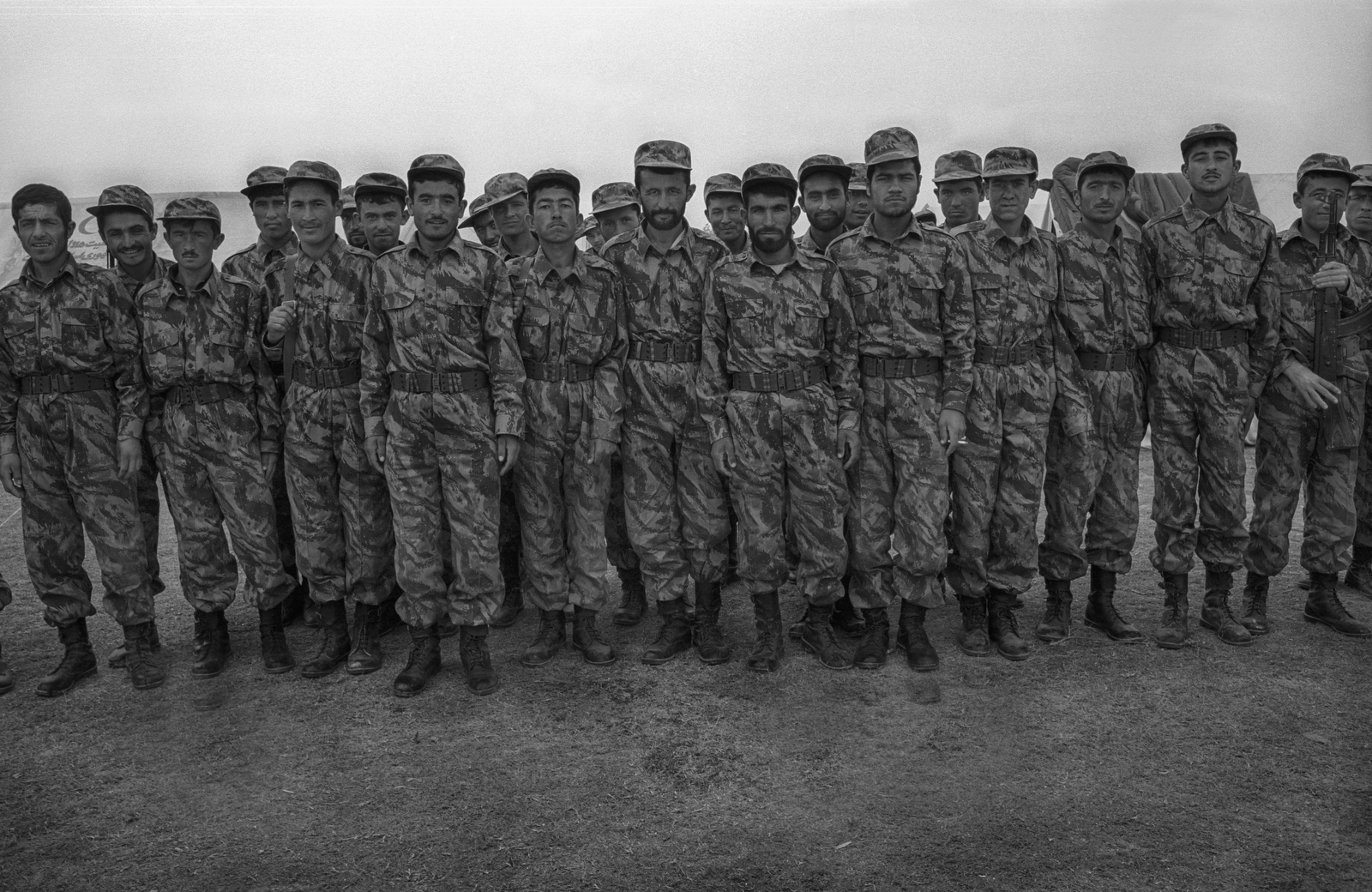 The Northern Alliance. The beginning of Operation Enduring Freedom in Northern Afghanistan, October, 2001. Photo by Oleg Klimov
We bought the tent in Tajikistan, planning to live in it once we crossed into Afghanistan. It was expensive and in high demand among journalists who had gathered there from all over the world at the start of the war known as Operation Enduring Freedom, just a few weeks after the September 11 attacks.
Only in Afghanistan did we discover that the tent had no floor — which made it useless in the desert.
My friend and fellow journalist Coen was furious. He blamed me for everything, not least because I had bought the tent without checking it properly. The fact that I had simply been cheated did not satisfy him. Soon, however, his anger gave way to humor. He mocked me as a helpless urban man, unable to tell the difference between a brick apartment in a big city and a mud dwelling in Afghanistan.
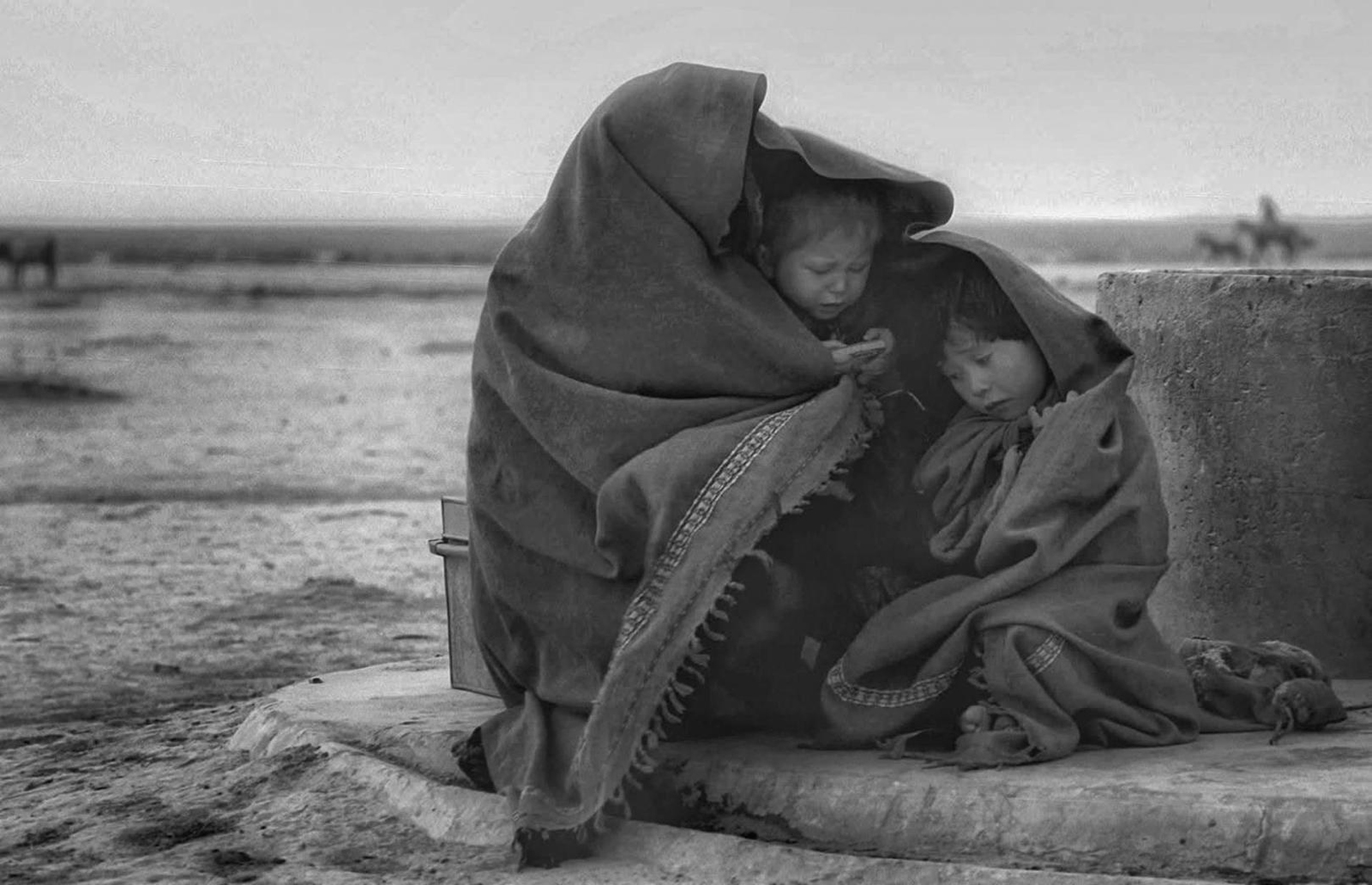
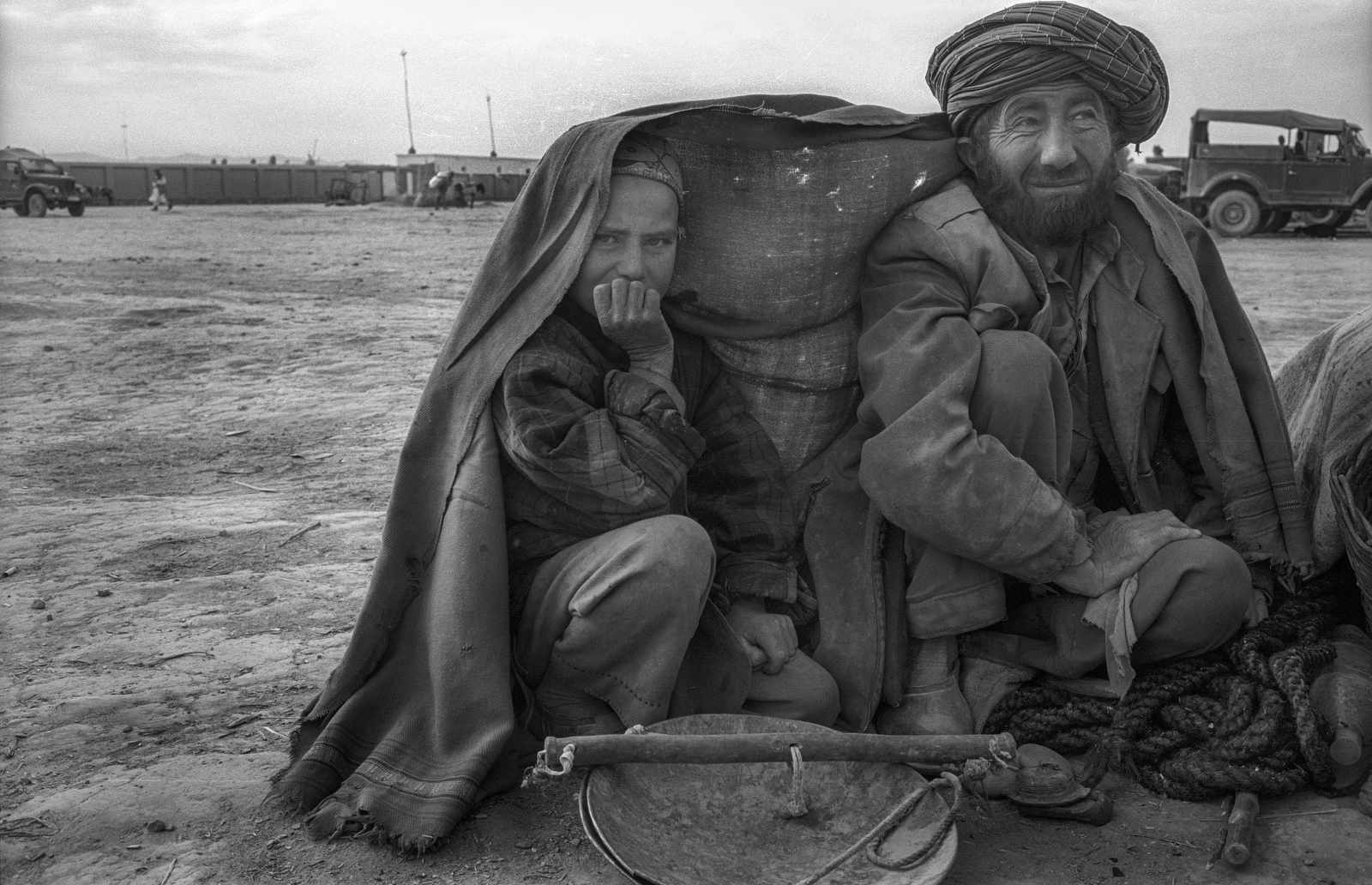
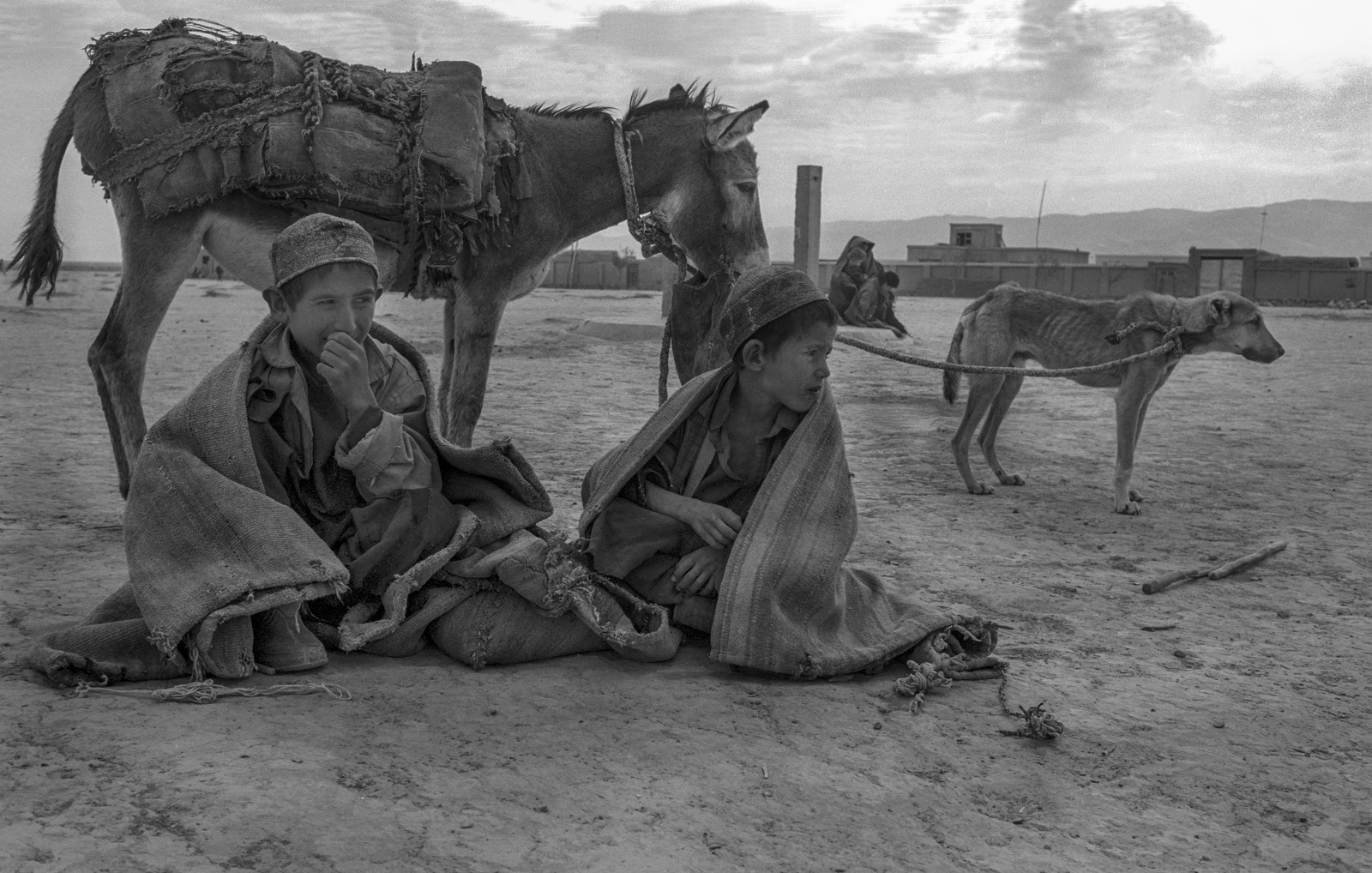
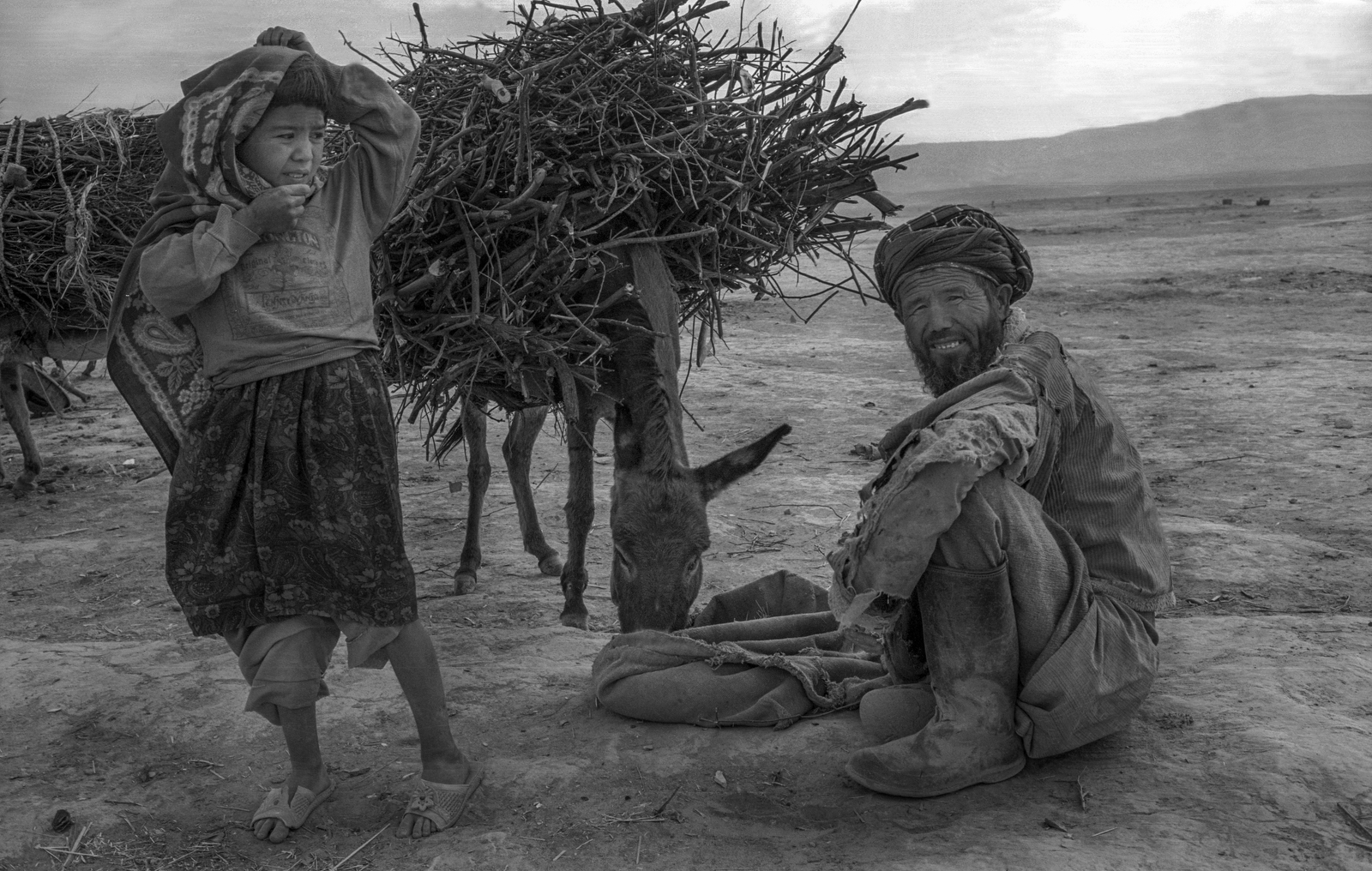
So I found myself searching for a tent in the desert — which, at the time, was densely populated with journalists.
The television crews — or “the televisions,” as we called them — were always better prepared. They provided me with a proper tent, at the price of irony and endless jokes. Journalists, like a single tribe, tend to behave in much the same way, regardless of nationality or even race. At least, that’s how it always seemed to me.
So, we lived together with Coen in that two-man tent for about a month. It wasn't always simple.
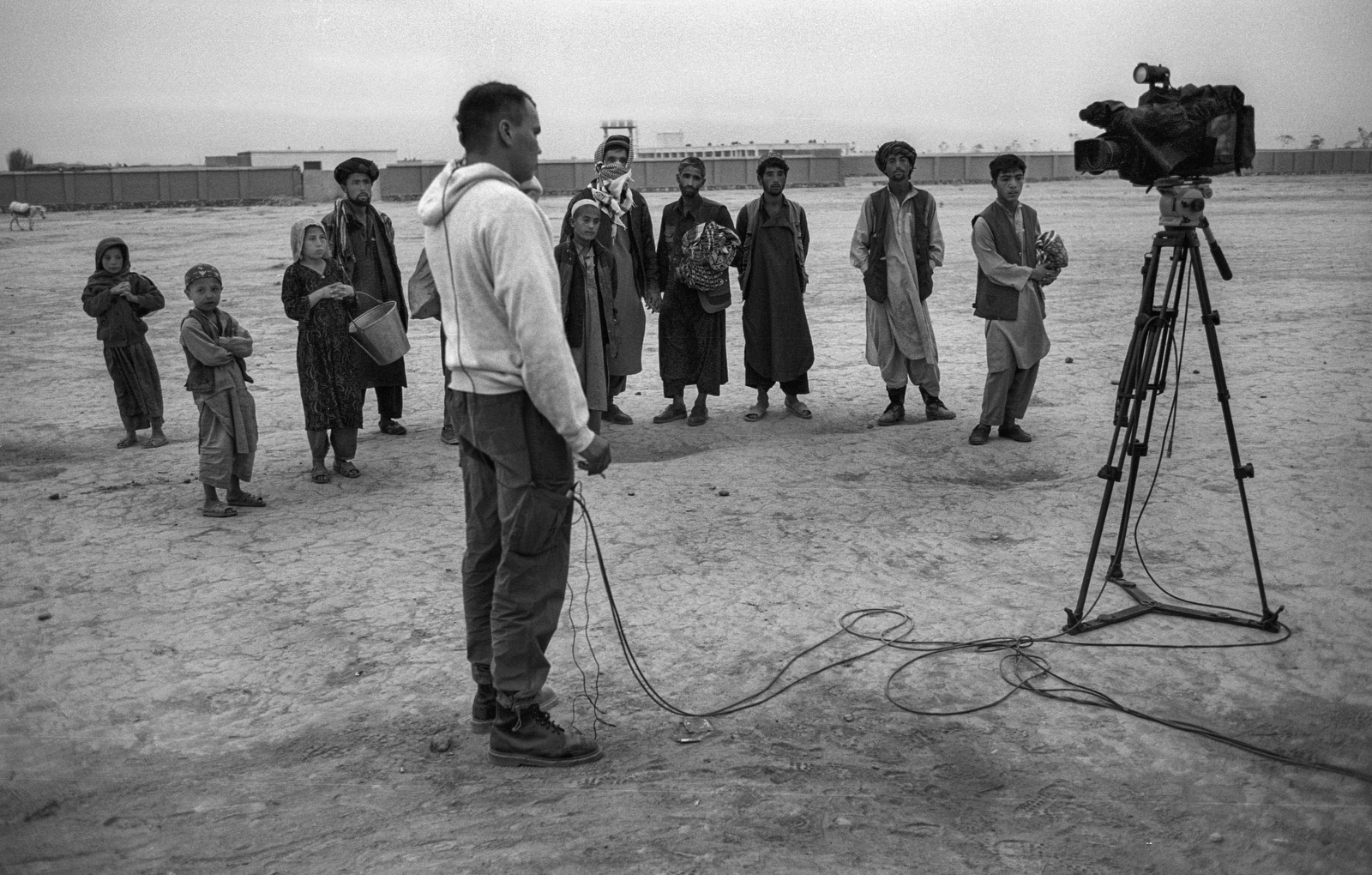
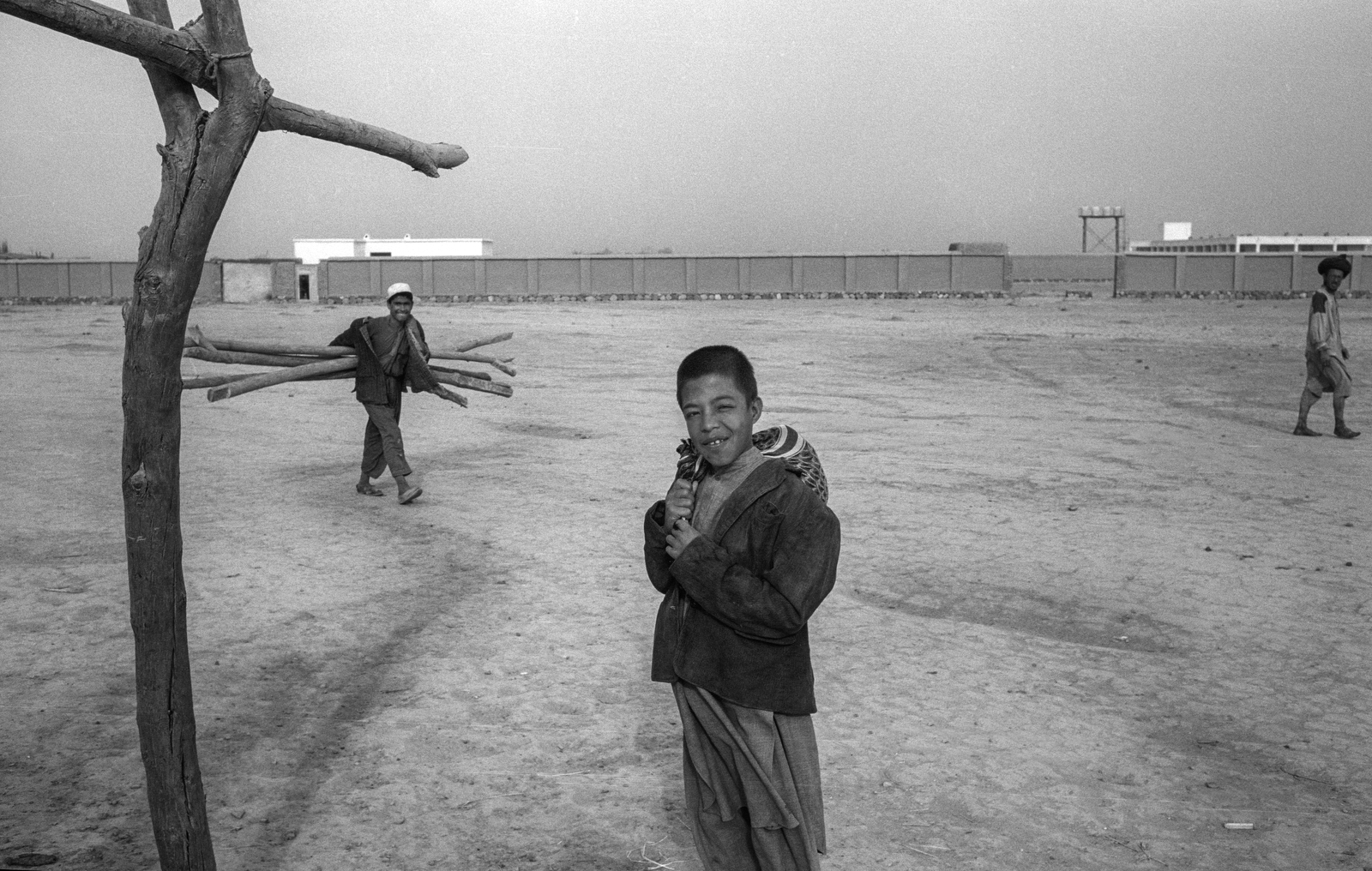
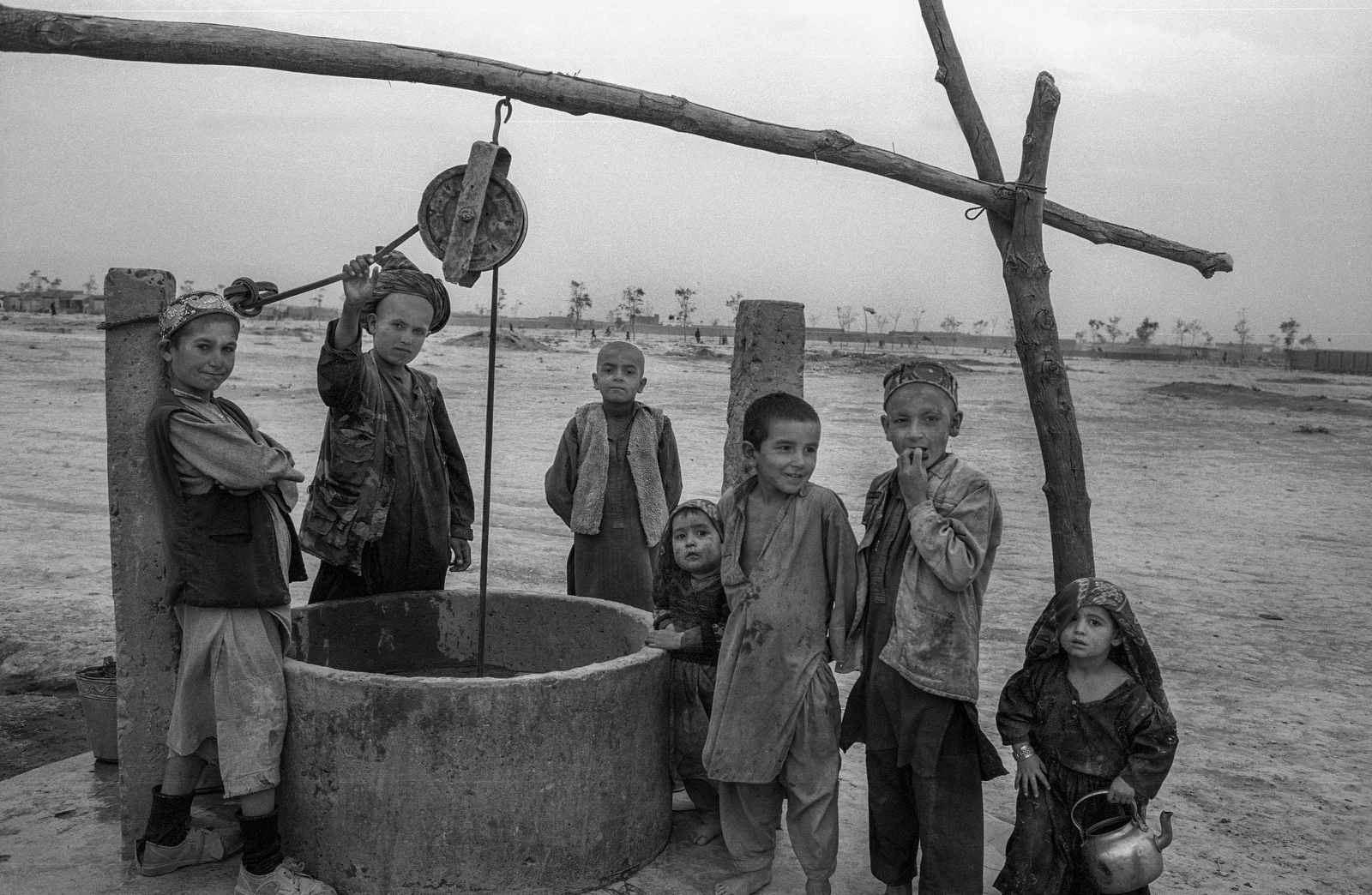
In the desert, we needed a jeep and an English-speaking fixer. All the decent ones had already been taken by the television crews, for good money, driving prices beyond what print journalists could afford. We had to make do with what remained.
“I hope you have better luck with women in bars than you do with fixers,” I once told Coen.
“I think you’d better shut up,” he replied, “before I fire you for the terrible photographs you keep taking.”
He had nothing to do with the photo desk, but he fired me regularly anyway — as my immediate superior, with a single subordinate: me.
“You’re fired!” he would shout.
But it was always a voice crying in the wilderness.
We worked together like that for nearly seven years. I remember those years with warmth.
Our Afghan fixer was named Khudaynazar. As for the jeep, there were two choices: a Soviet UAZ or a Japanese Toyota. Both were relics of different times. We chose the Toyota. It broke down almost immediately. With no tools available, the Afghans used a metal pipe and a stone to loosen the wheel nuts. To our surprise, it worked.
We drove through the desert — dust everywhere, inside and out. I must have dozed off when I heard the fixer say:
“We are driving through a minefield. There are mines everywhere. They are from the Russians.”
At first, Coen thought it was a misunderstanding. It wasn’t. There was a moment of silence. It wasn’t a mine that exploded. It was Coen.
“You’re fired!” he shouted to the fixer.
The fixer stepped out of the jeep with dignity and began walking into the desert.
“Where is he going? There are mines out there! Let's tell him!” Coen shouted to me. I called him back and explained it was all a misunderstanding. Just language. No one was firing anyone. I had been fired myself only yesterday — and yet here I was, still breathing dust instead of Afghan cocaine.
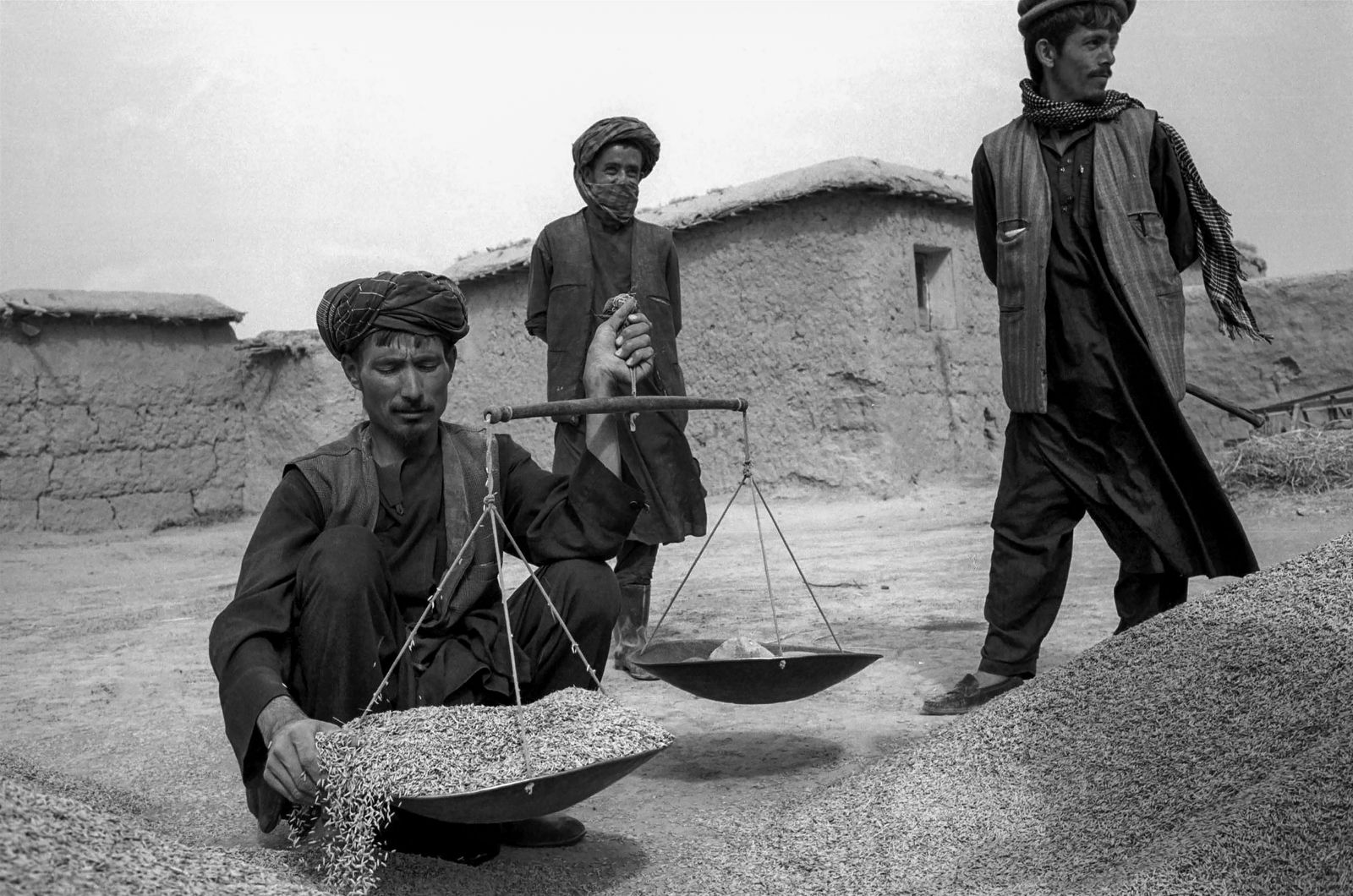
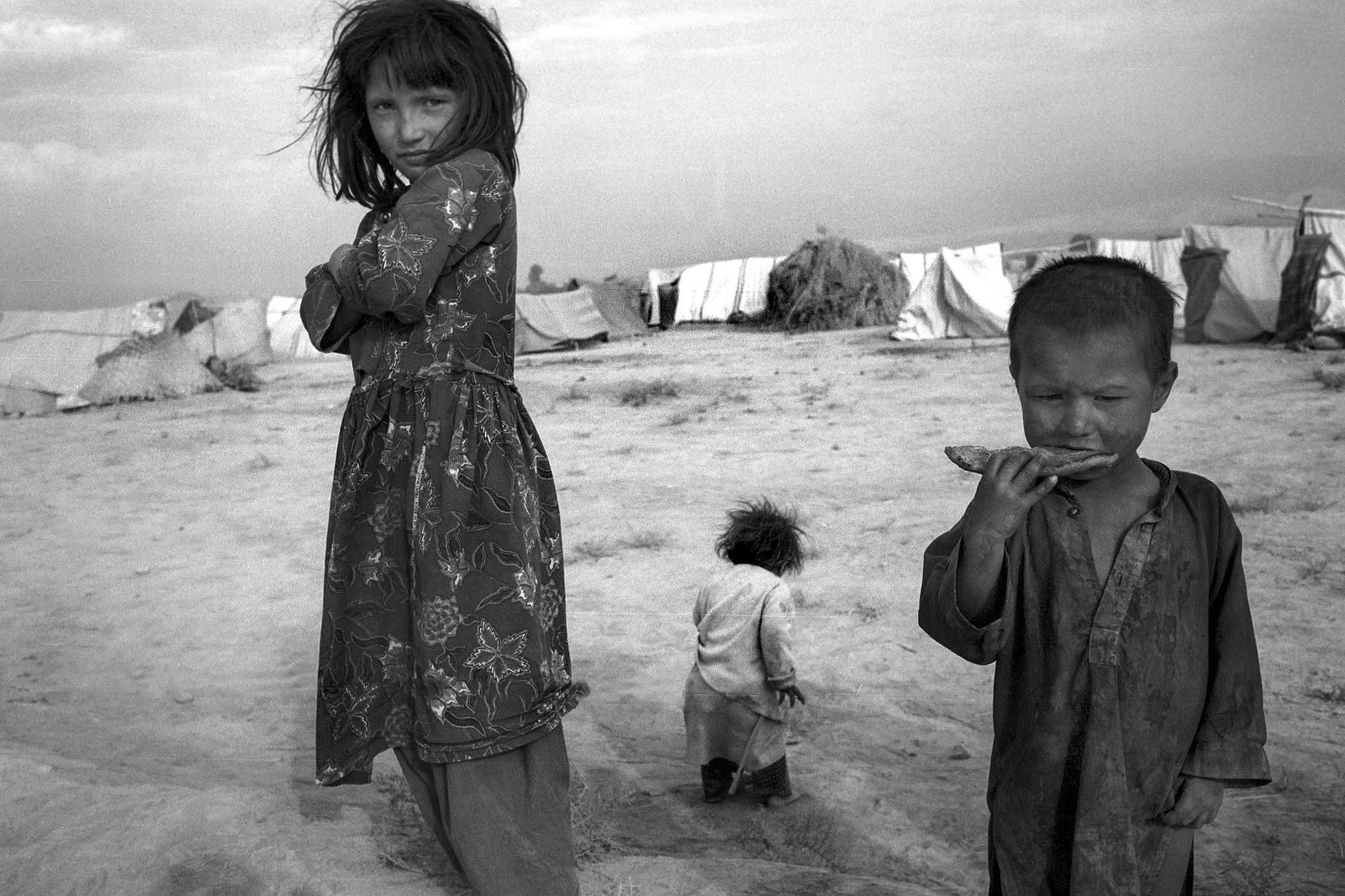
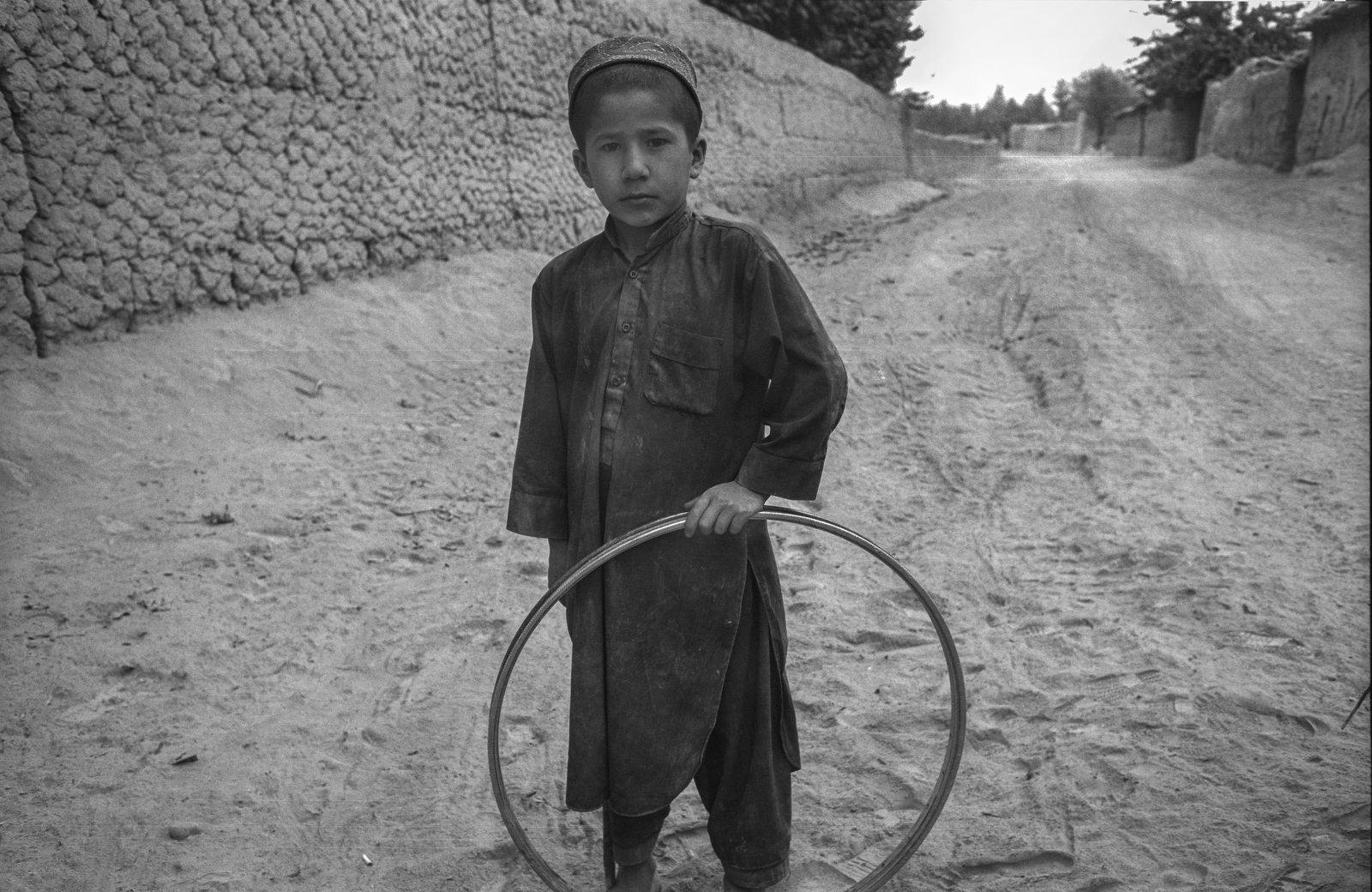
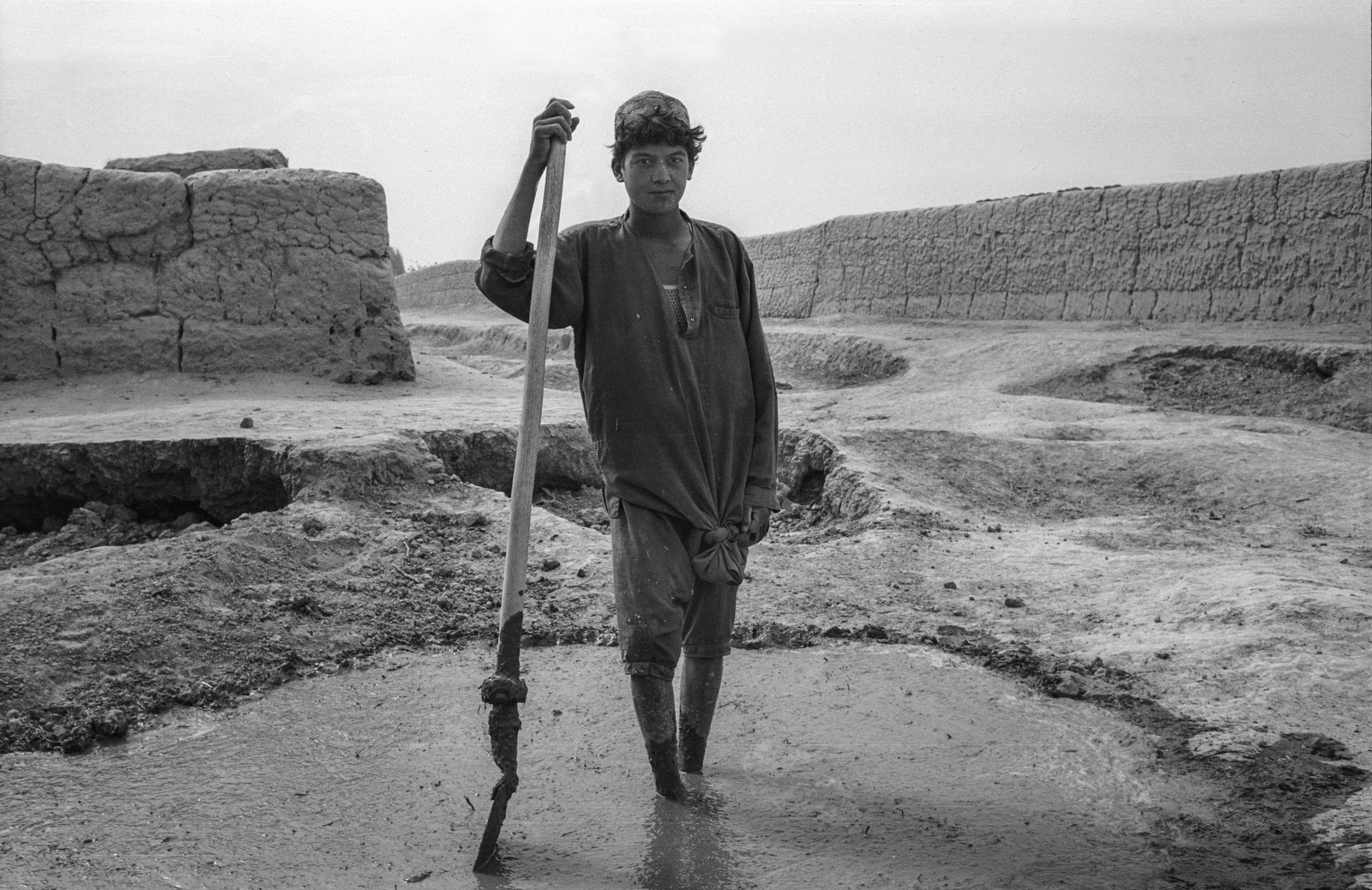
We drove the rest of the way to the refugee camp in silence. I thought about Russian mines. Most likely, they weren’t there at all.
My own war with Coen was inevitable. He would ask when I would finally switch to digital photography, when I would stop trailing behind progress. He provoked me with war itself — anywhere, it didn’t matter. I once told him that my war had ended in Kosovo in 1999, that I would never again photograph destruction and death. A year later, he persuaded me to go to Afghanistan. He called me a coward. He mocked my arguments. He knew exactly how to do it.
We sat on a hill in a small dugout made by Northern Alliance fighters. On another hill sat the Taliban. There was silence. No smell of death. Just grass and birds.
Then we saw small fountains of dust rising from the ground around us. For a moment, we didn’t understand.
“These are bullets,” Coen said quietly.
We slid down into the dugout.
“You’re a dipshit, Coen,” I told him. “I’m not going to war with you again.”
“You’re scared again?”
“No. I hate this state.”
“You hate the adrenaline?”
“I hate the roulette. This stupid Russian roulette.”
“Well, all Russians want to be heroes,” he said. “But life doesn’t work like that.”
The argument could have gone on forever. Usually it ended in drunken peace.
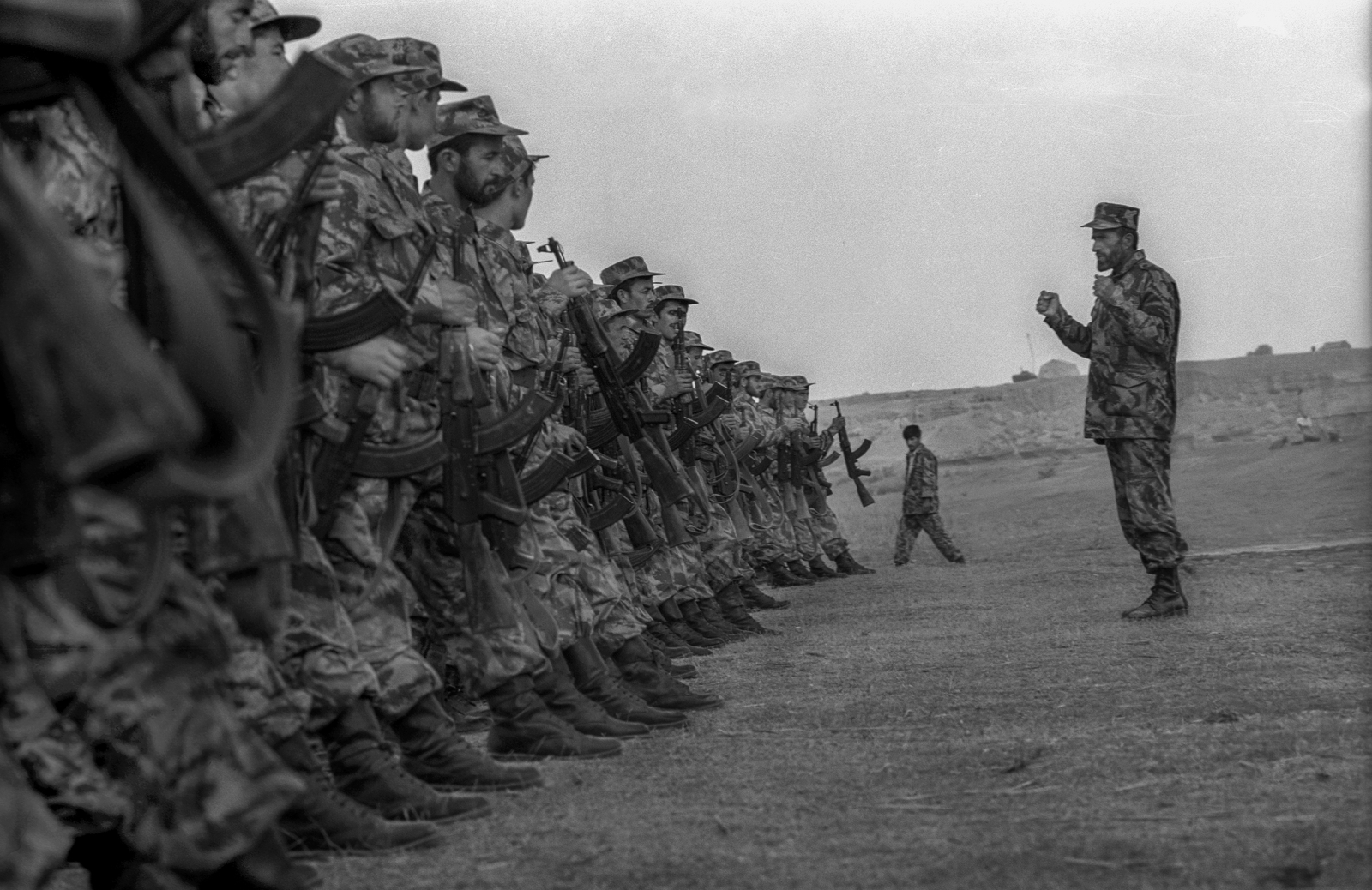
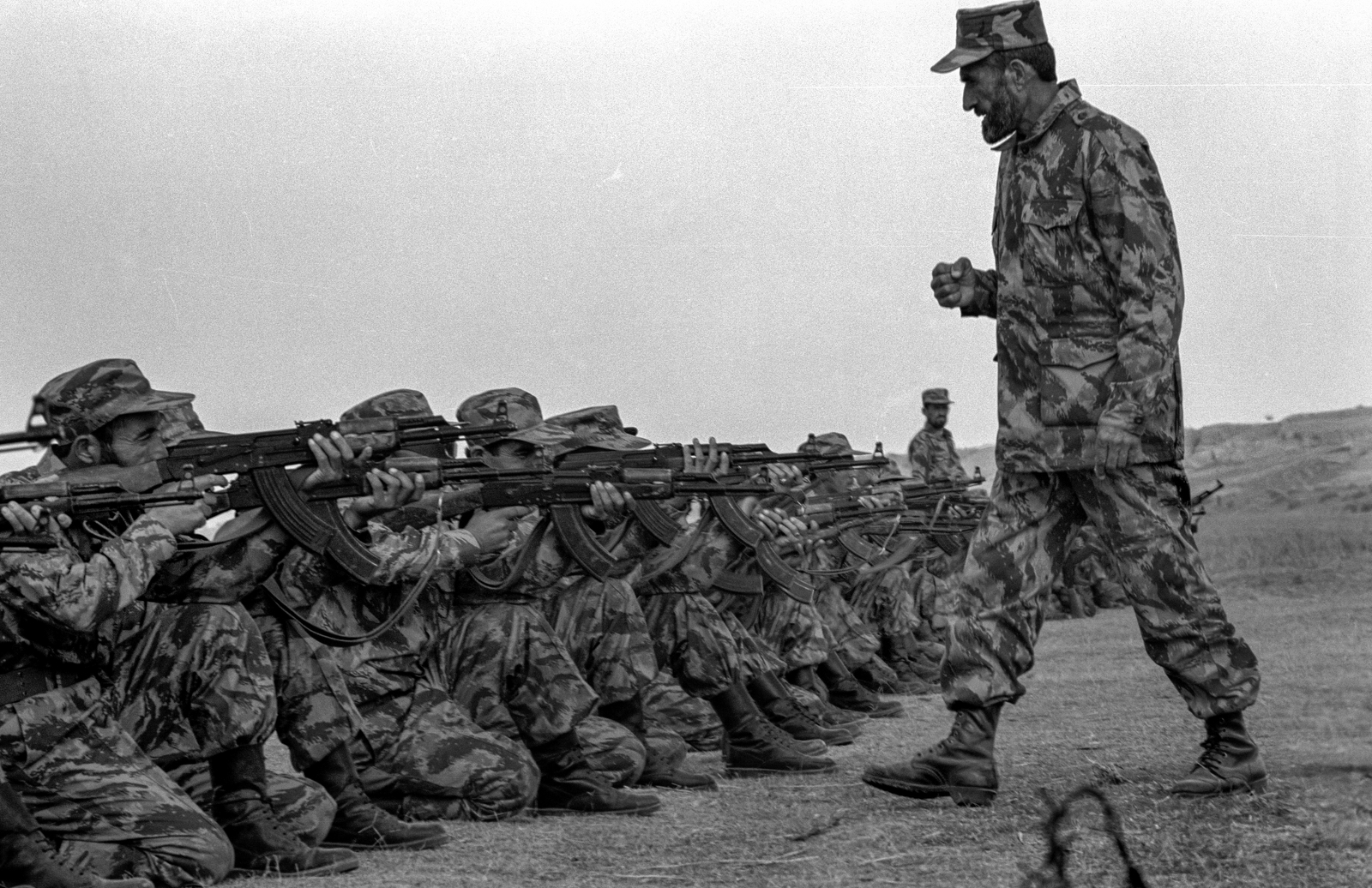
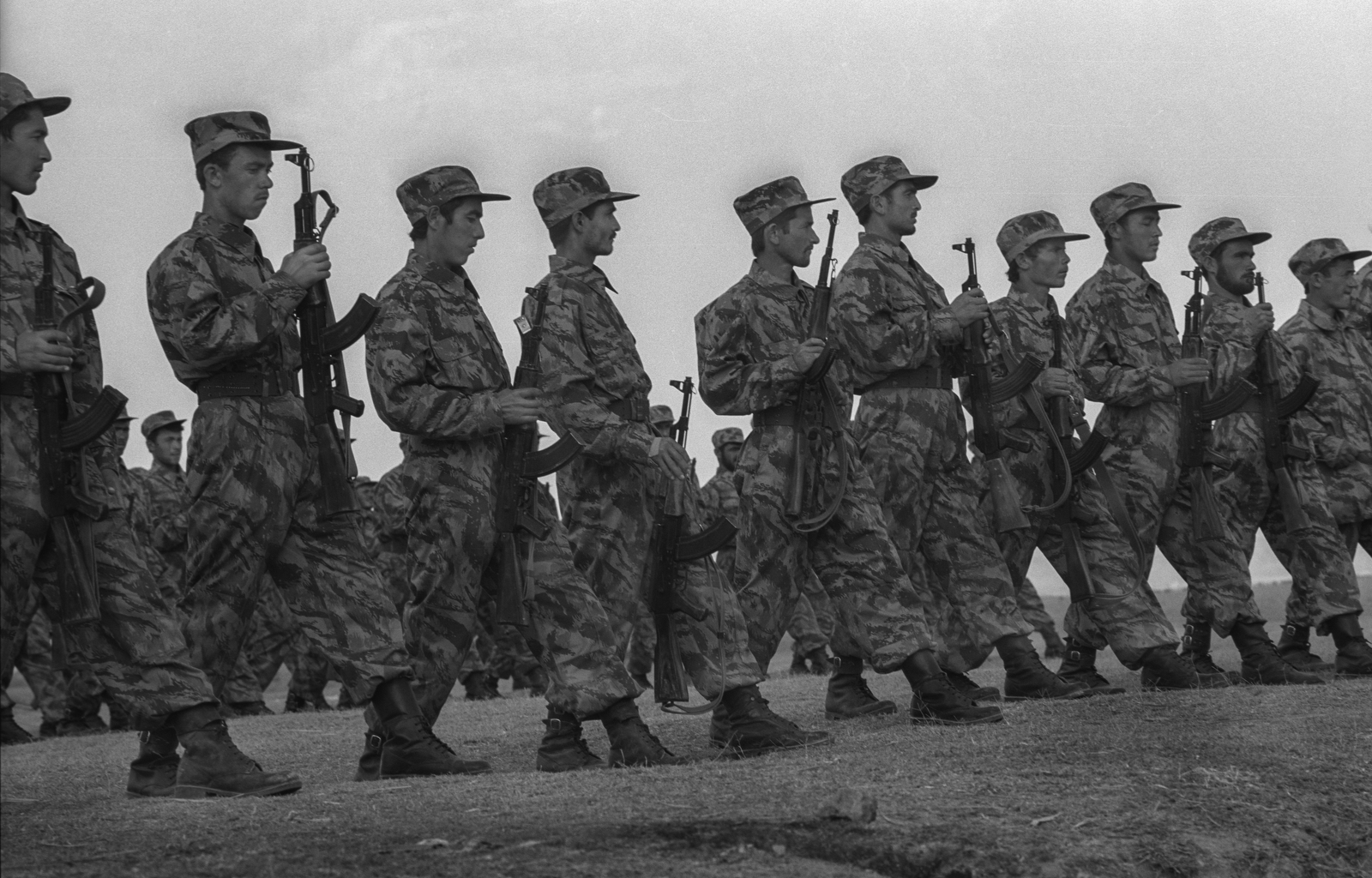
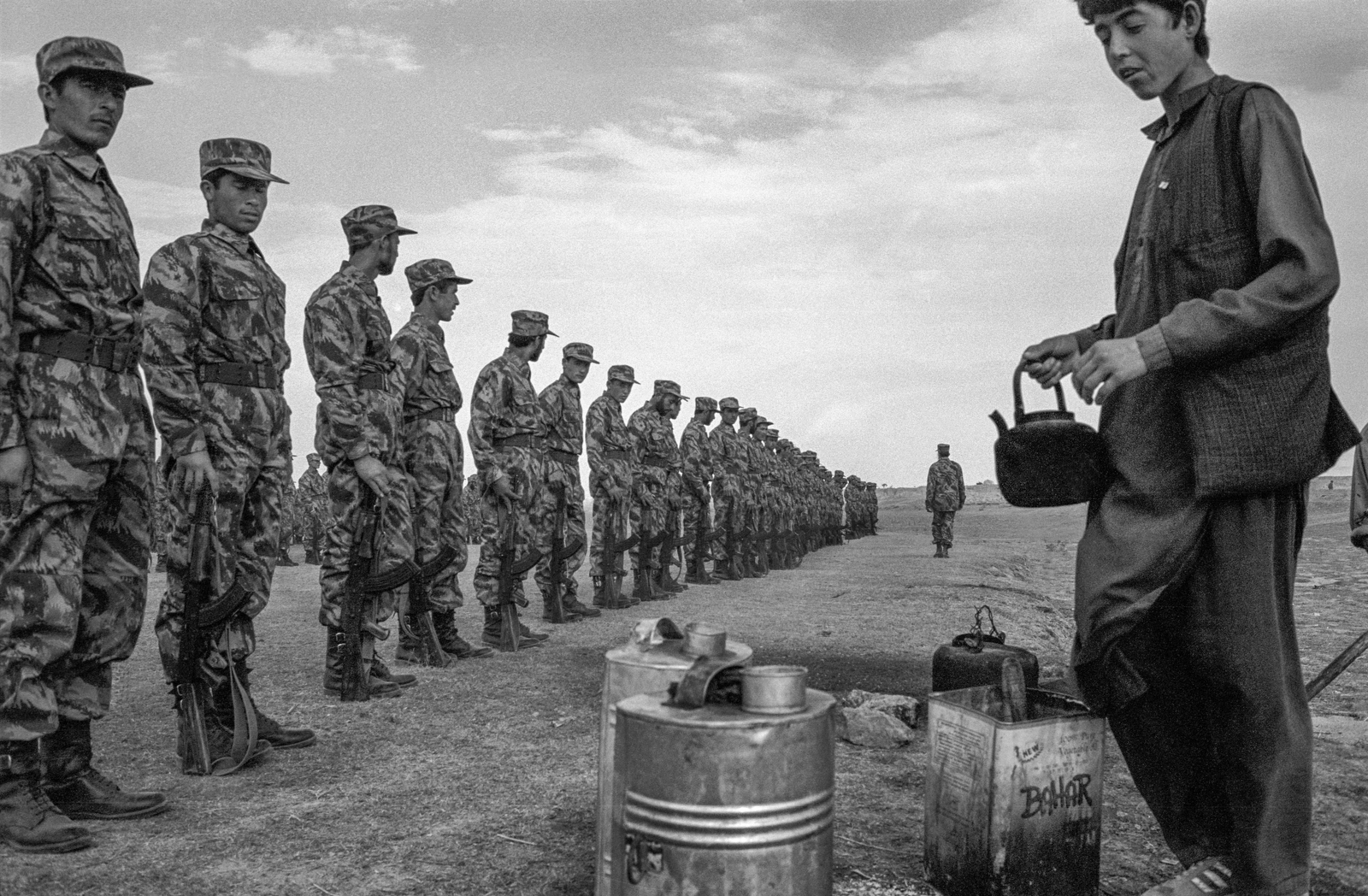
In the valley, the television crews needed a “moving picture.” There was no war to film, so they staged it. A tank fired toward the hills. That is what they call a “moving picture.”
The Taliban responded with gunfire and mortars. It didn’t last long. From our shelter, we watched as the young soldiers — still new, still unused — were carried away on stretchers.
Later, in the camp, Coen confronted Russian “televisions.” Not about the tank. About food. The Afghan cooks prepared meals for us while we gathered our “grains of journalism.” The arrangement worked until Russian TV-box noticed there was not enough meat in the plov. “They’re cheating us.”
“They’re stealing our money.”
“I can’t even eat what they cook.” “Do you know that Afghans wipe away herself asshole by their finger in the toilet?” “Bullshit!” Coen told them. He almost came to blows. After that, Russian journalists ate separately. The Afghans respected us more. I think it was because we kept eating their food.
I got food poisoning later, in Dushanbe. Cold sweat. Vomiting. Pain so intense I wanted to howl. “Just don’t die yet,” Coen said. “The doctor is coming.” The doctor arrived with a hose.
“Do you have a basin?” he asked.
"No, this is a hotel; there's only a bathtub here." I said
“Then you’ll have to swallow this without one.”
He hadn’t checked anything and didn't even approach the bed I was lying on.
“You’ve come from Afghanistan,” he said. “You might have brought the plague.”
“How much to prevent the epidemic?” I asked.
“One hundred dollars.” he responded immediately
Coen offered double with a painkiller. We settled on a discount.
And our tickets to Moscow cost several times the normal price. Nothing personal — just an observation: It is always easier to go to war than to return to peace.
Oleg Klimov
A Photographer’s Diary. Afghanistan, October–November 2001
Independent documentary work runs on two fuels: coffee and cigarettes.
If you’d like to contribute to either, you’re very welcome.