
Documentary Photography Network
Vladimir Sokolaev: The Incubator of Mature Socialism
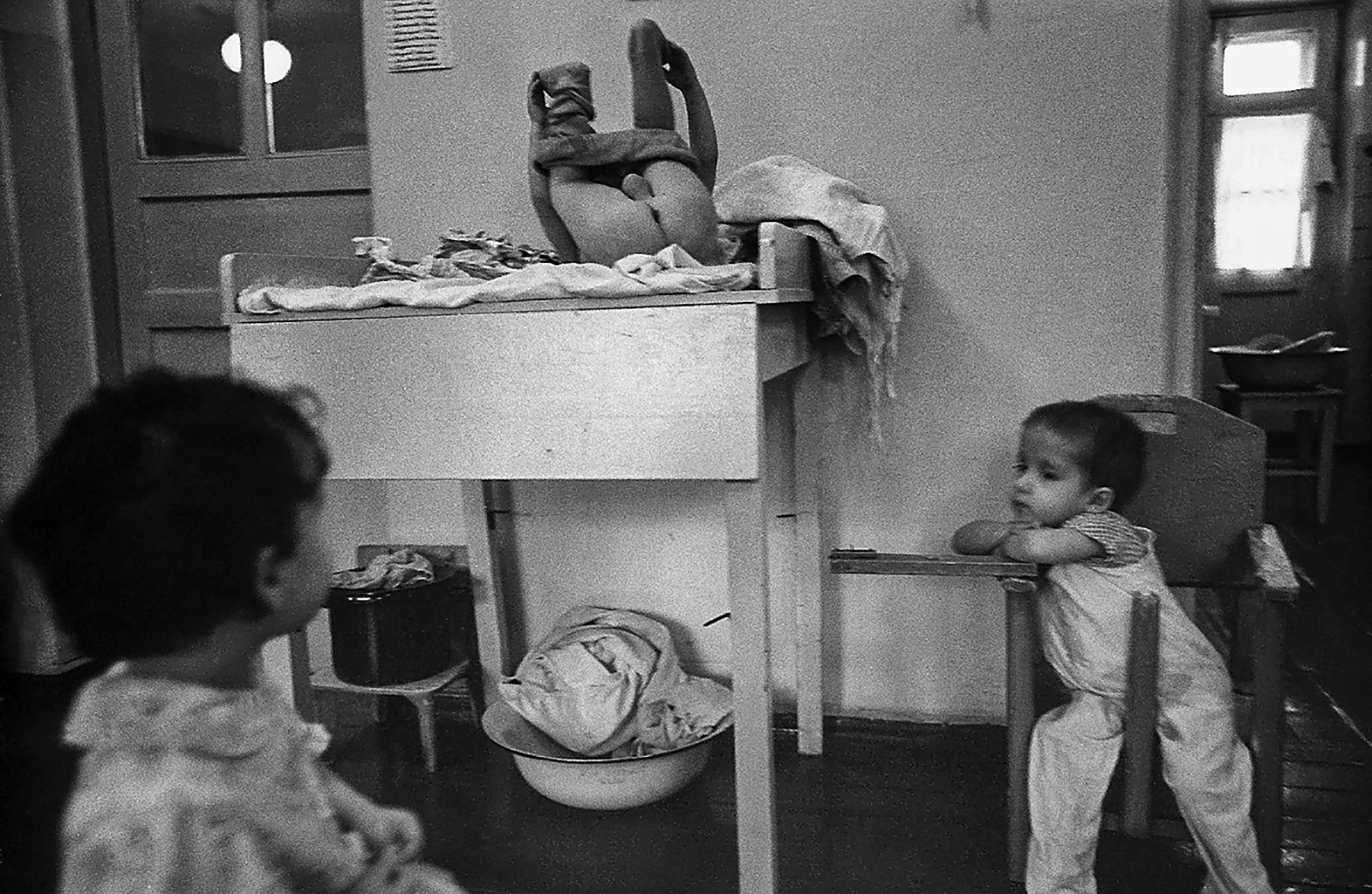
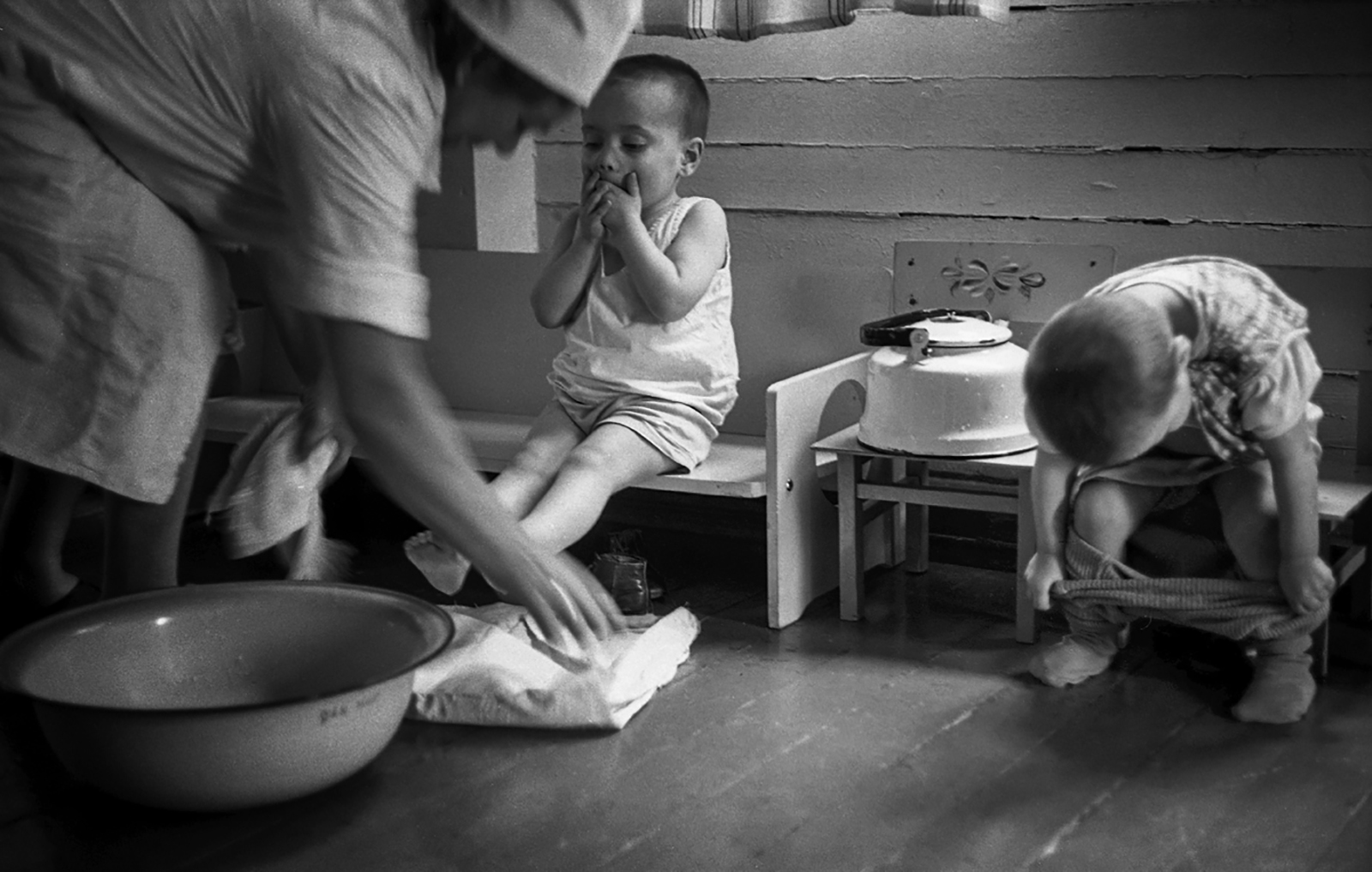
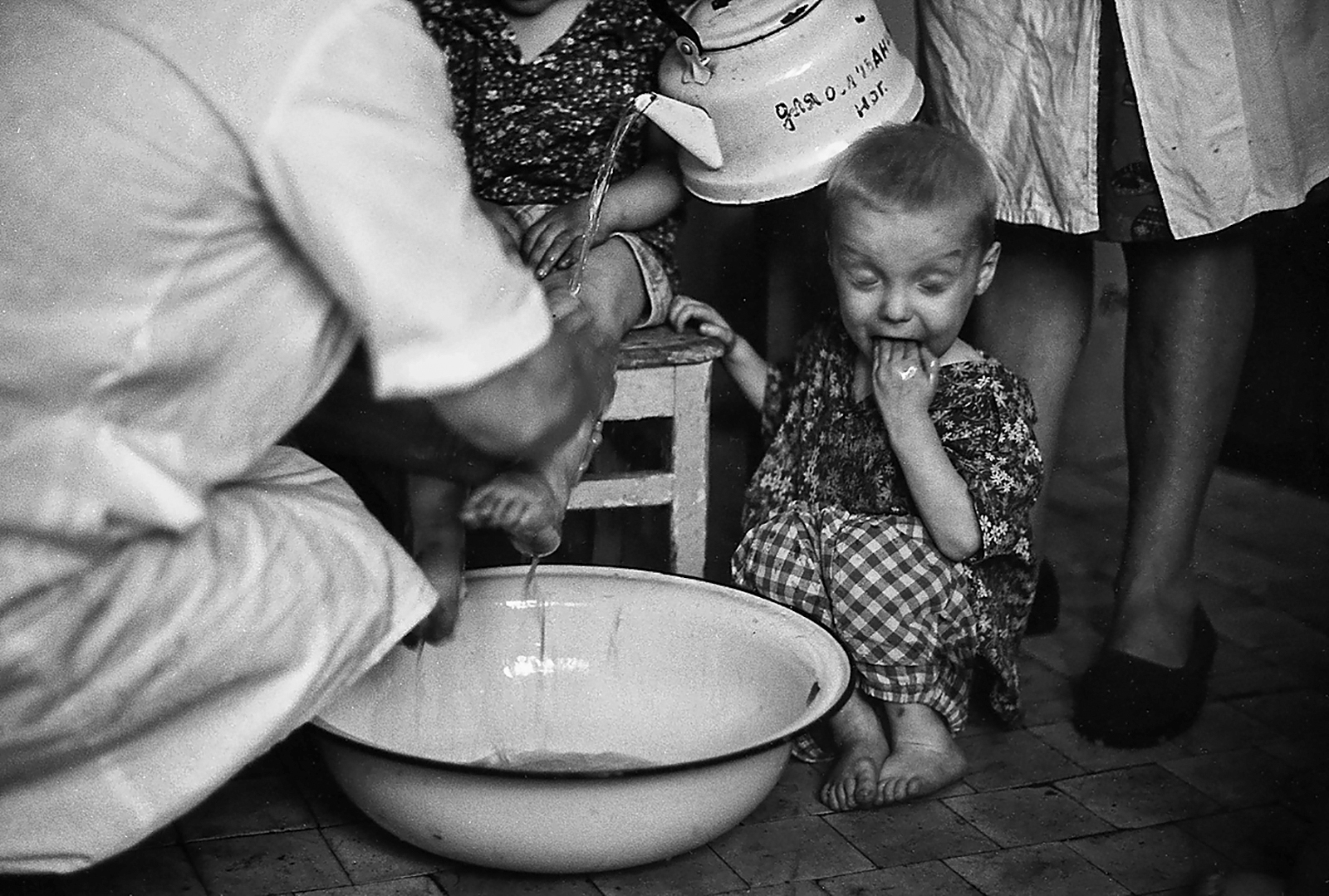
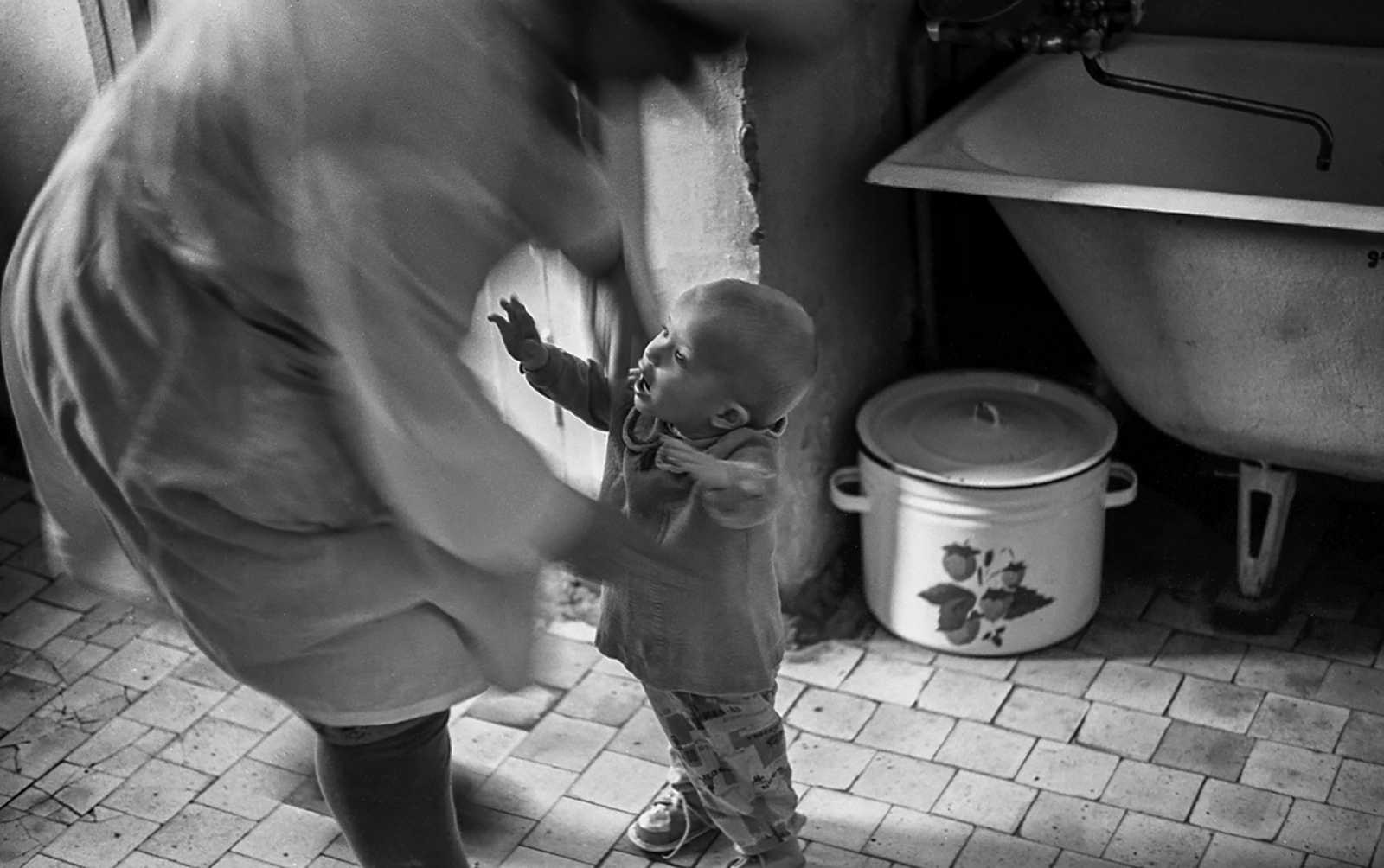
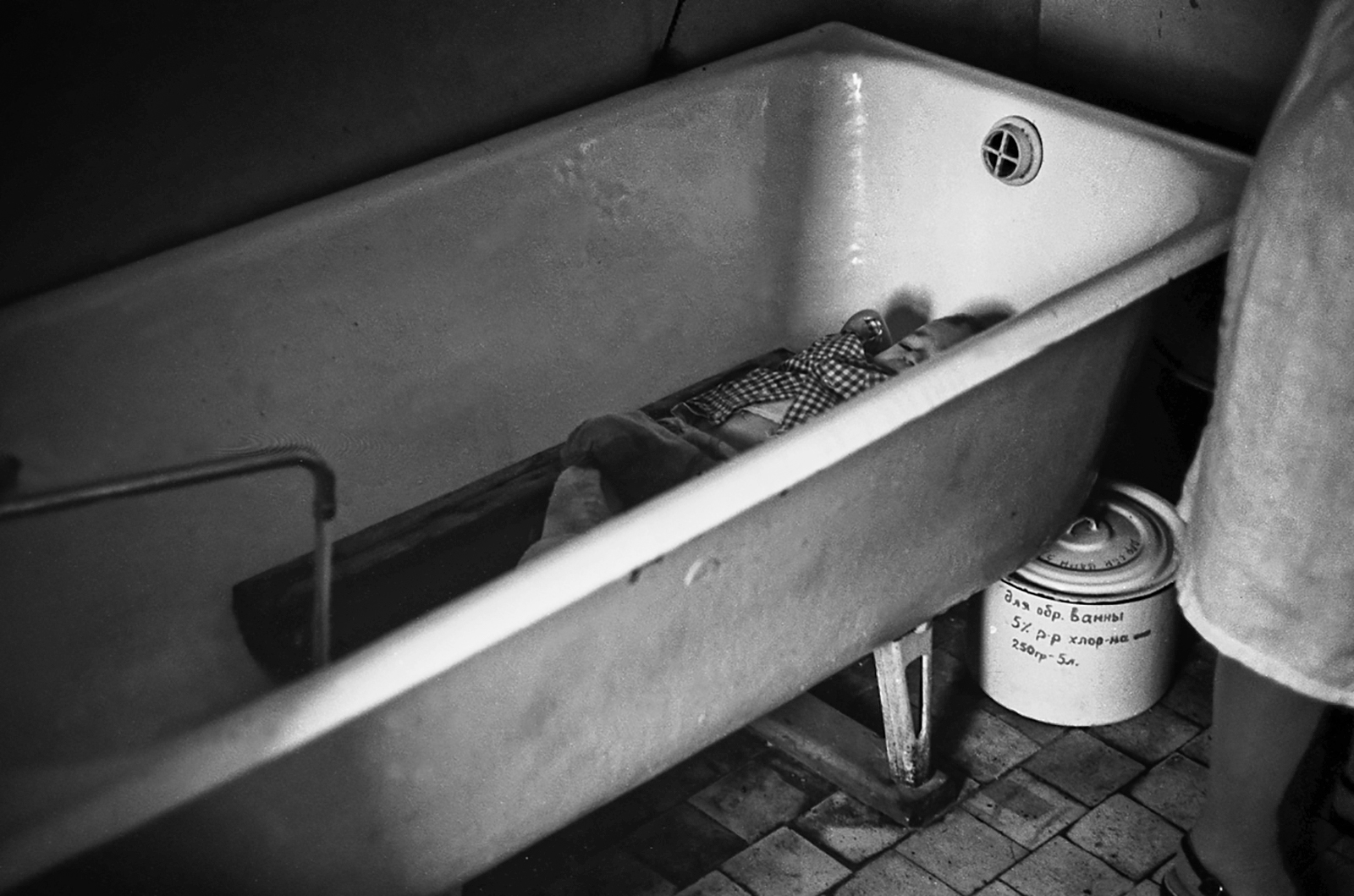
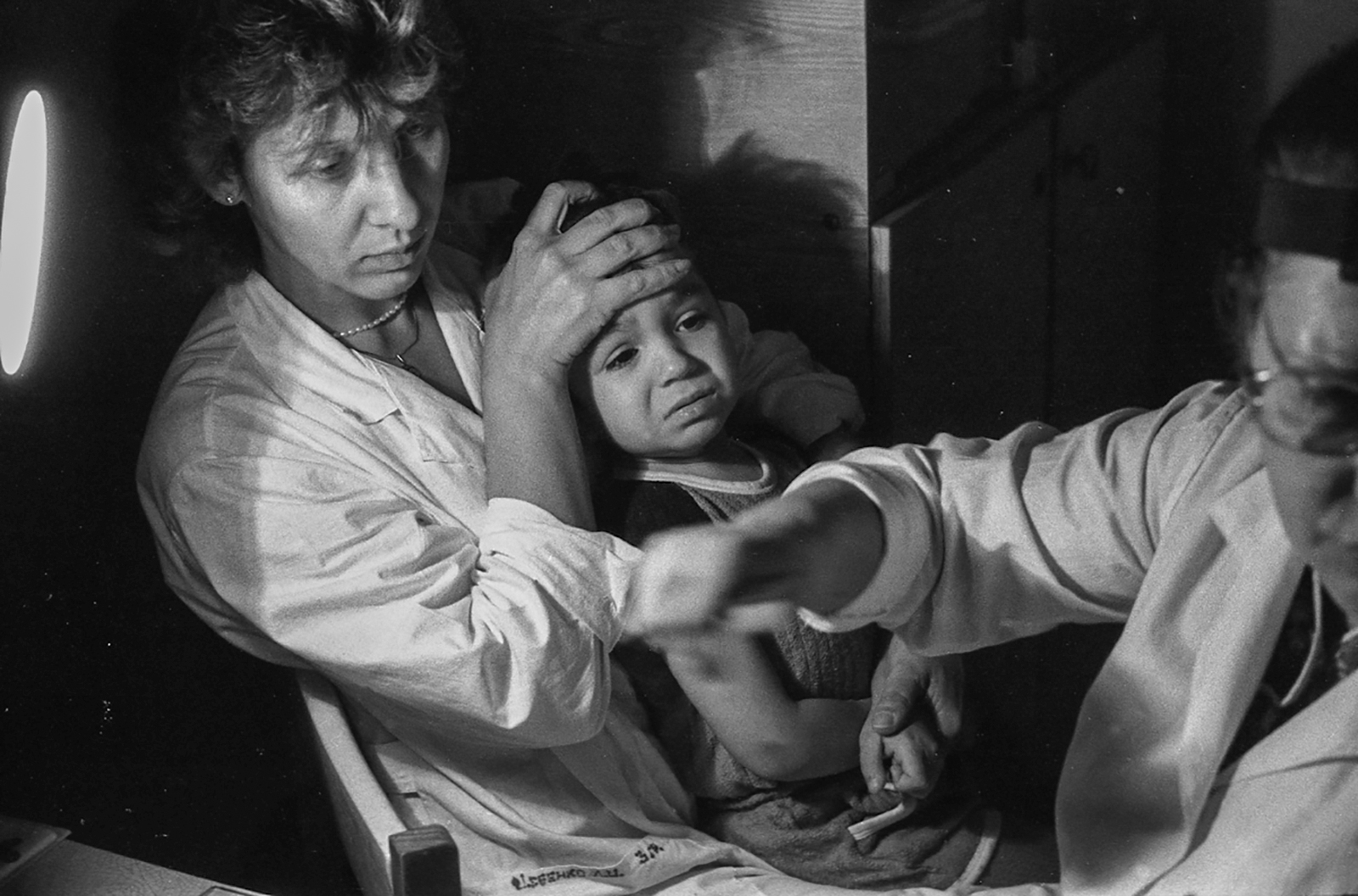
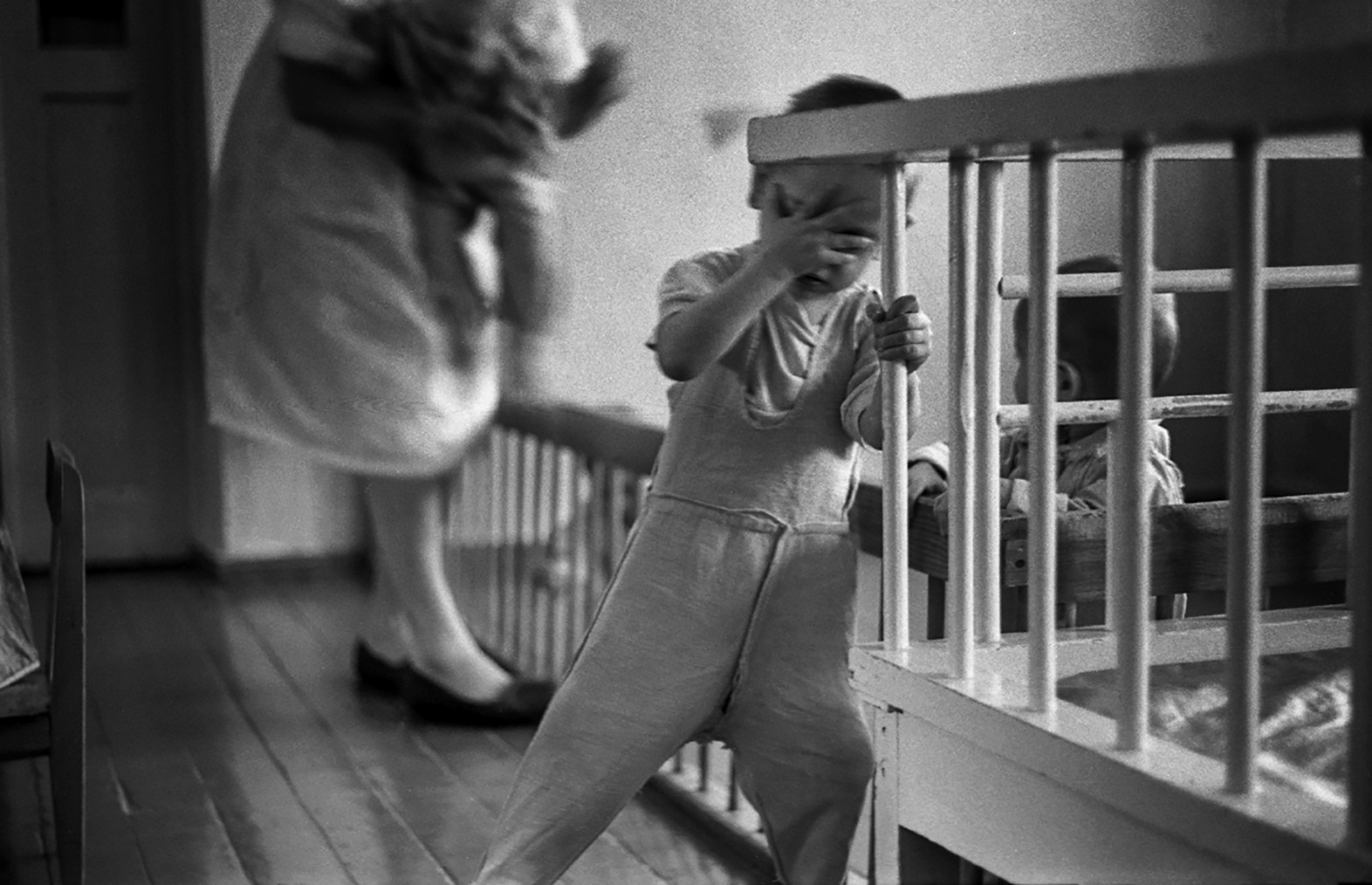
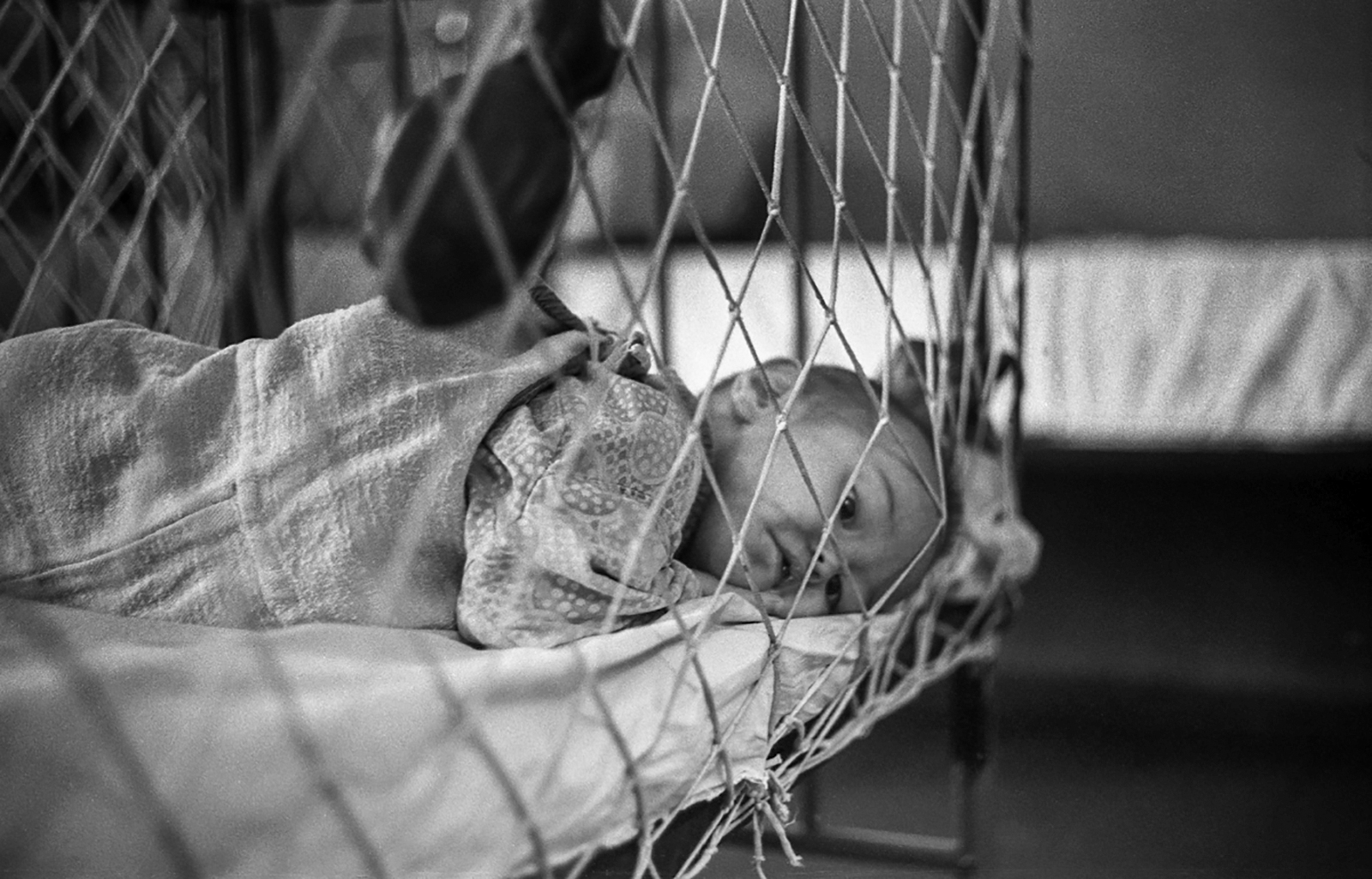
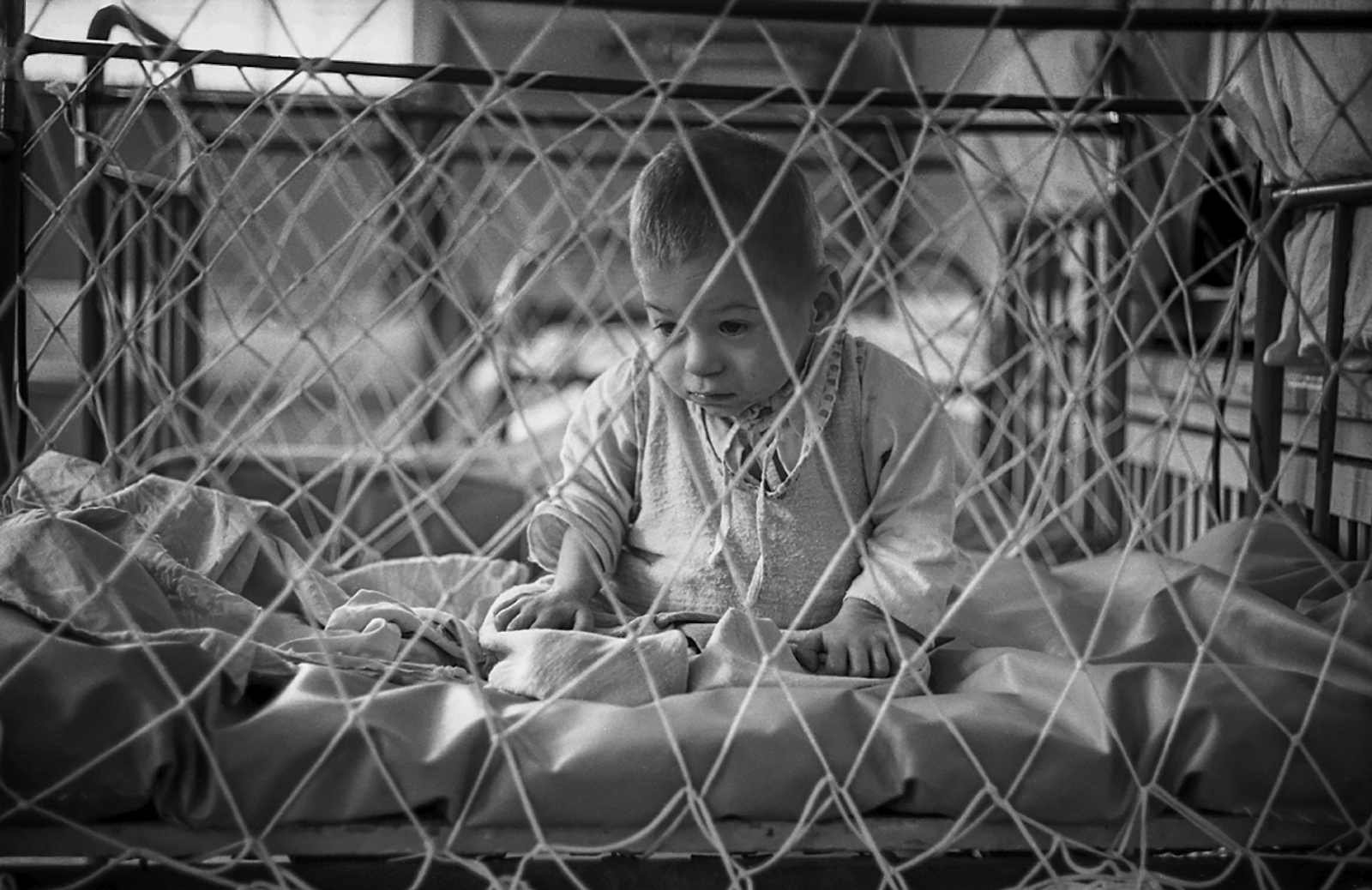
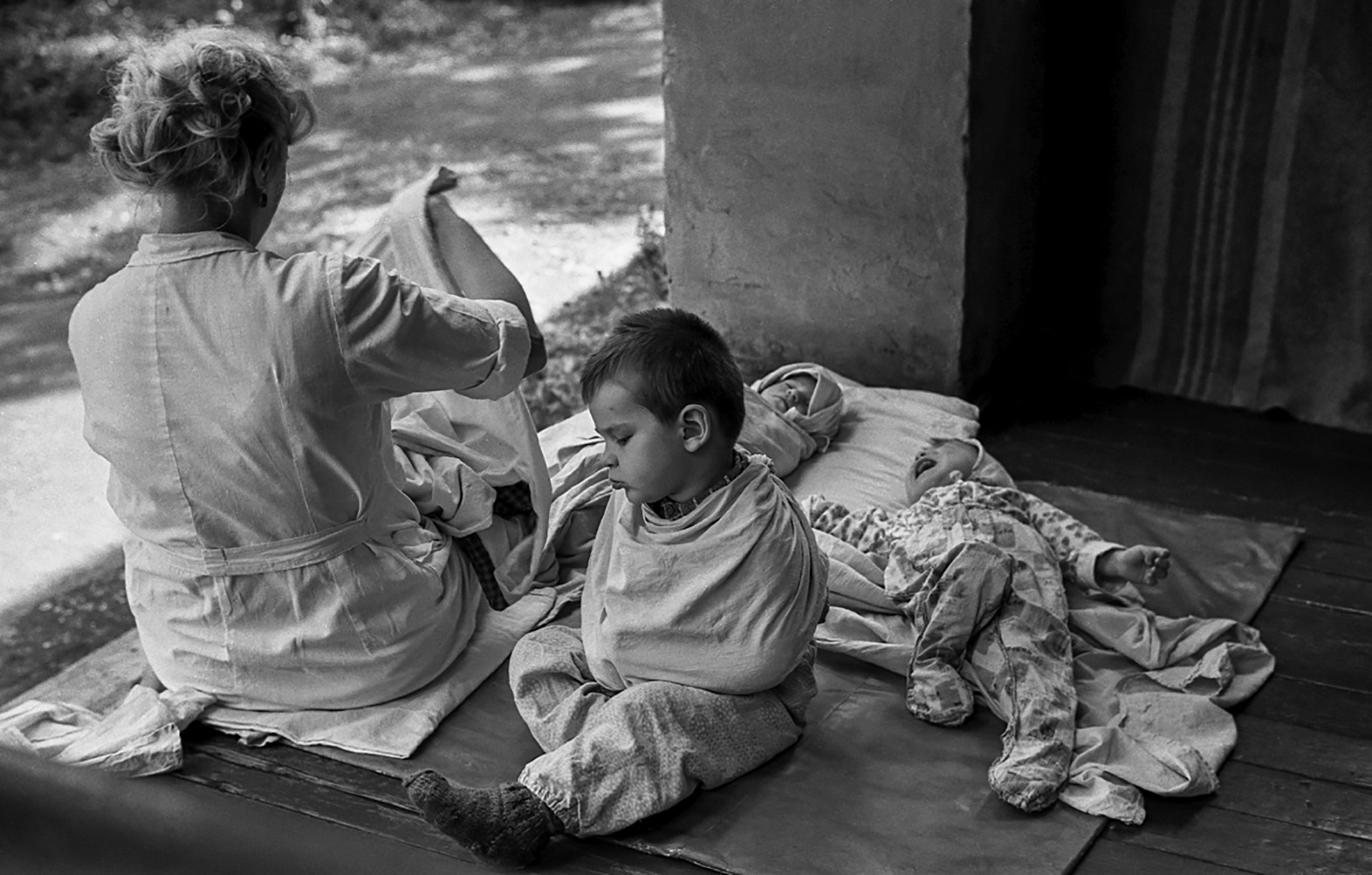
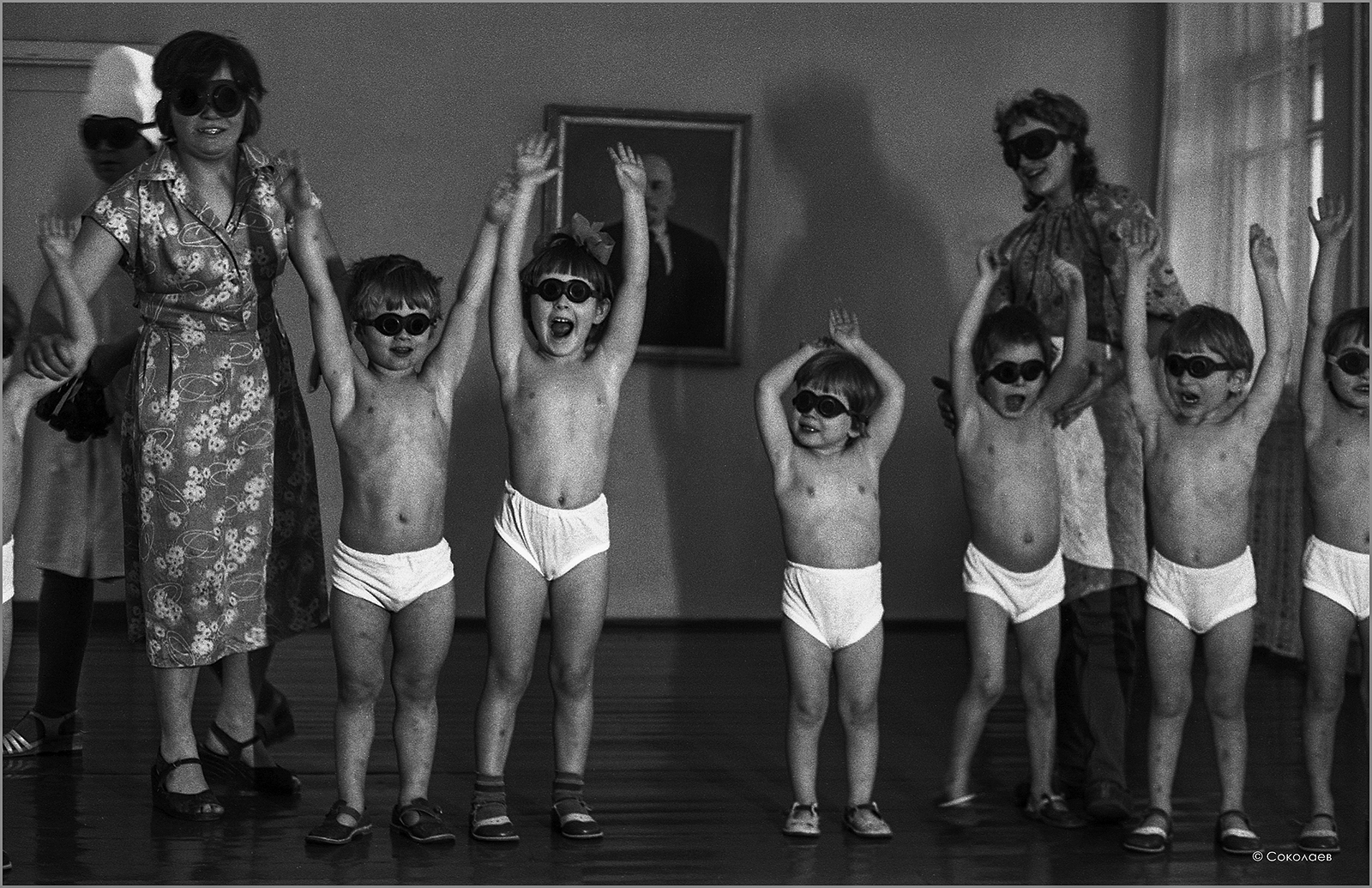 Quartzization. Orphanage on Suvorov Street. Novokuznetsk. 01/22/1981 Photo: Vladimir Sokolaev / Liberty SU Archive
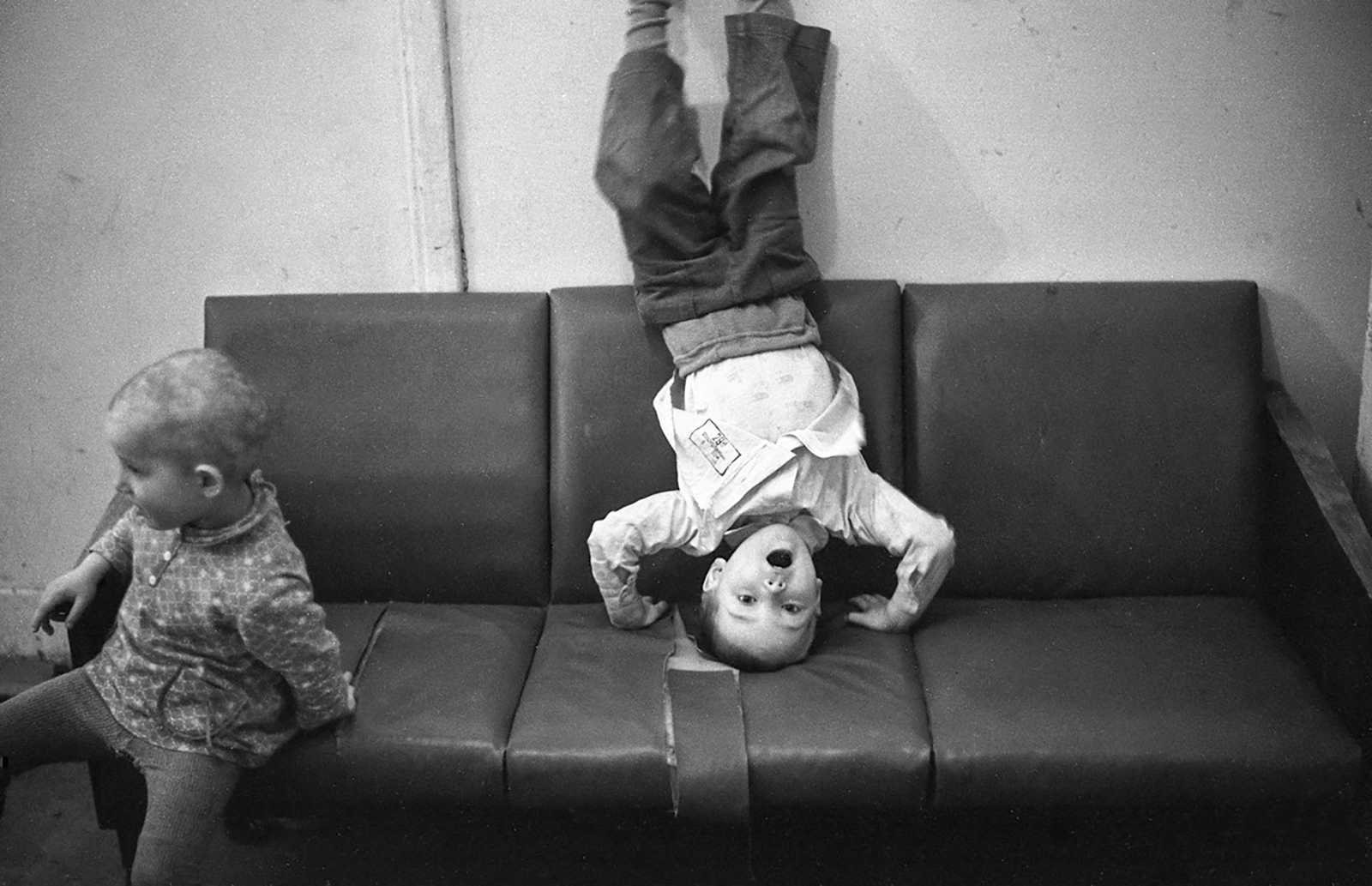
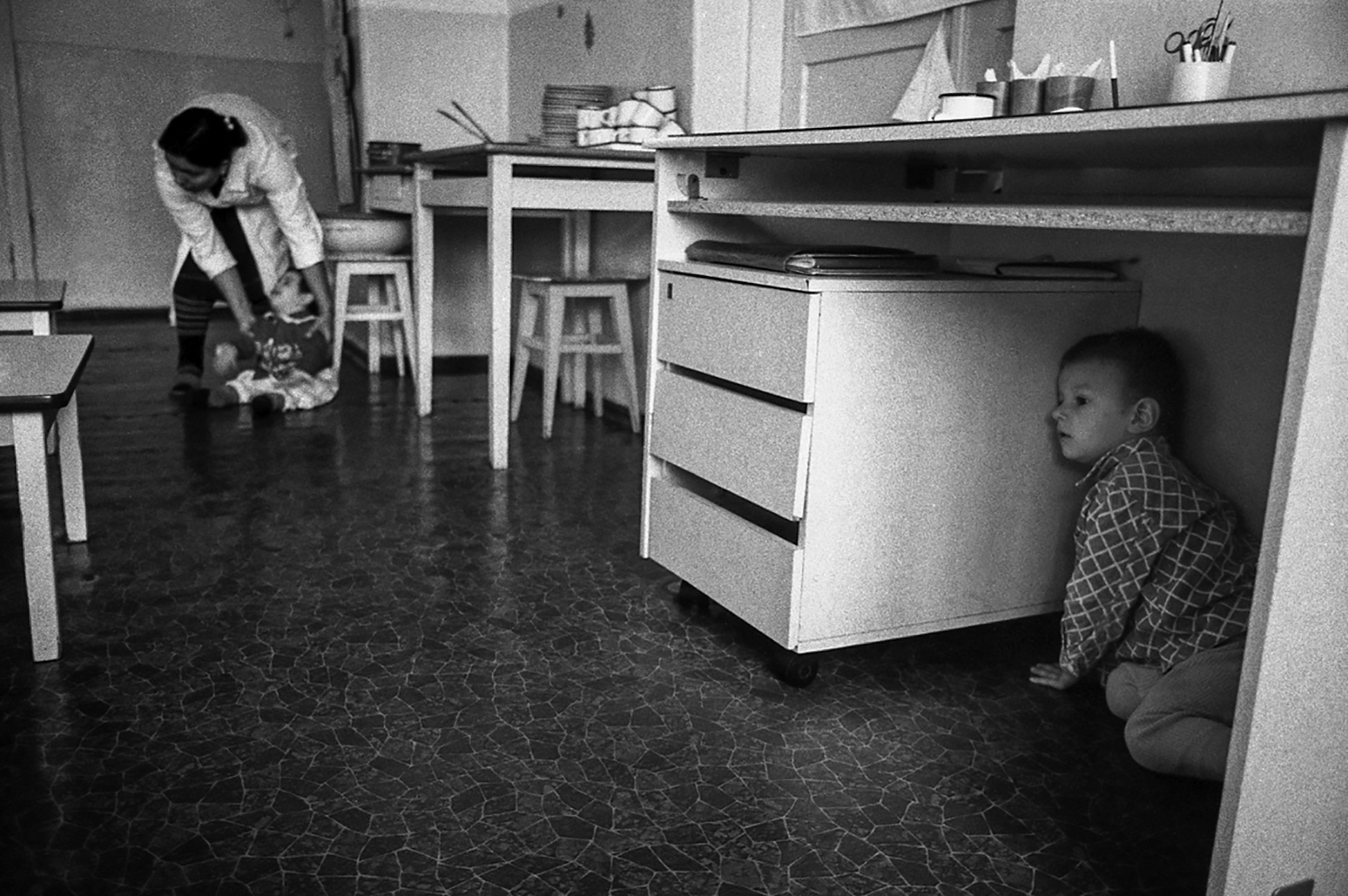
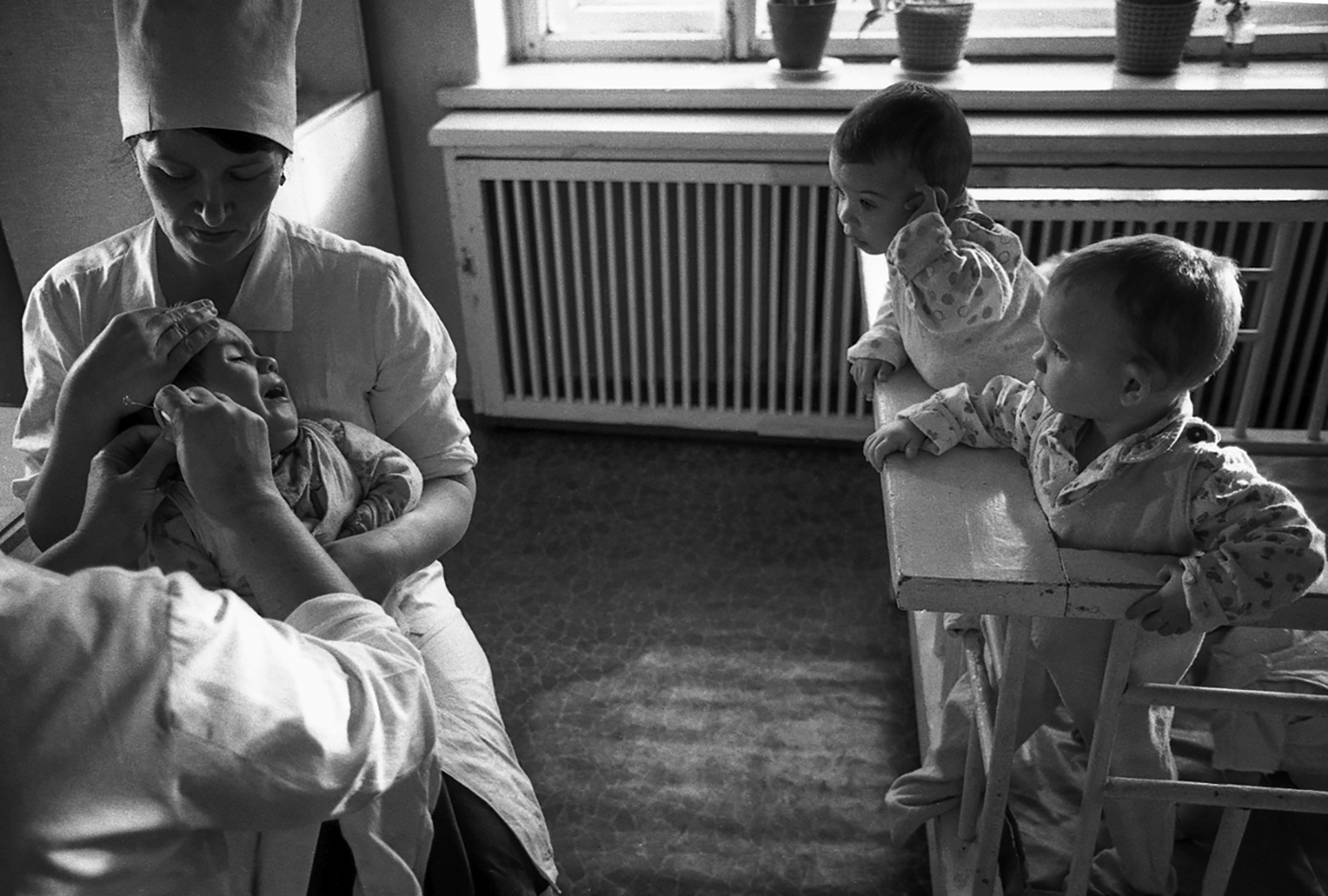
In the country of “mature socialism,” there was to be no place for the disabled, the mentally ill, or the alcoholic. The system “with a human face” rejected every sign of human difference from the very beginning of life. People with physical or mental disabilities were pushed beyond the visible world, made invisible to the obedient majority.
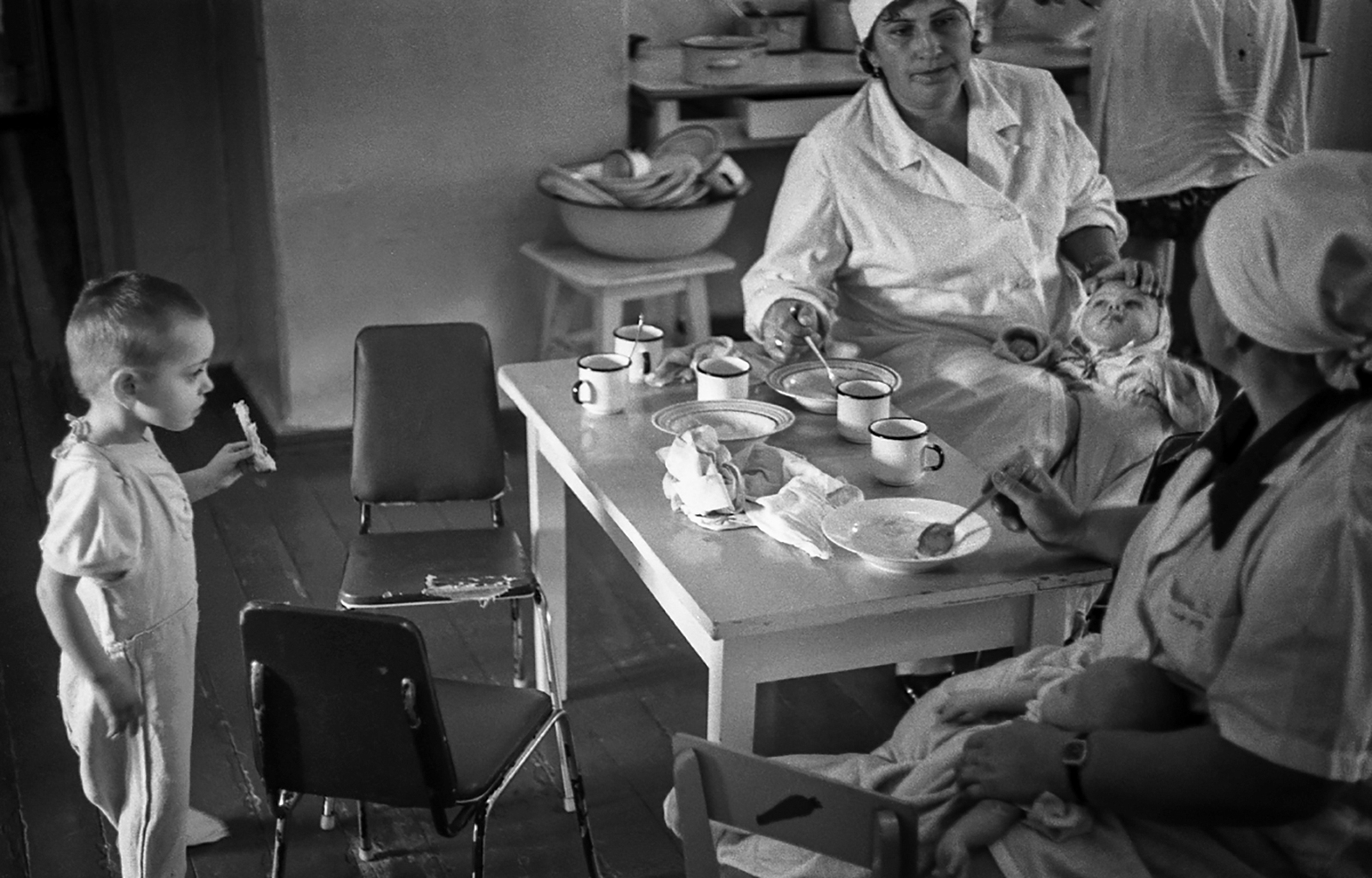
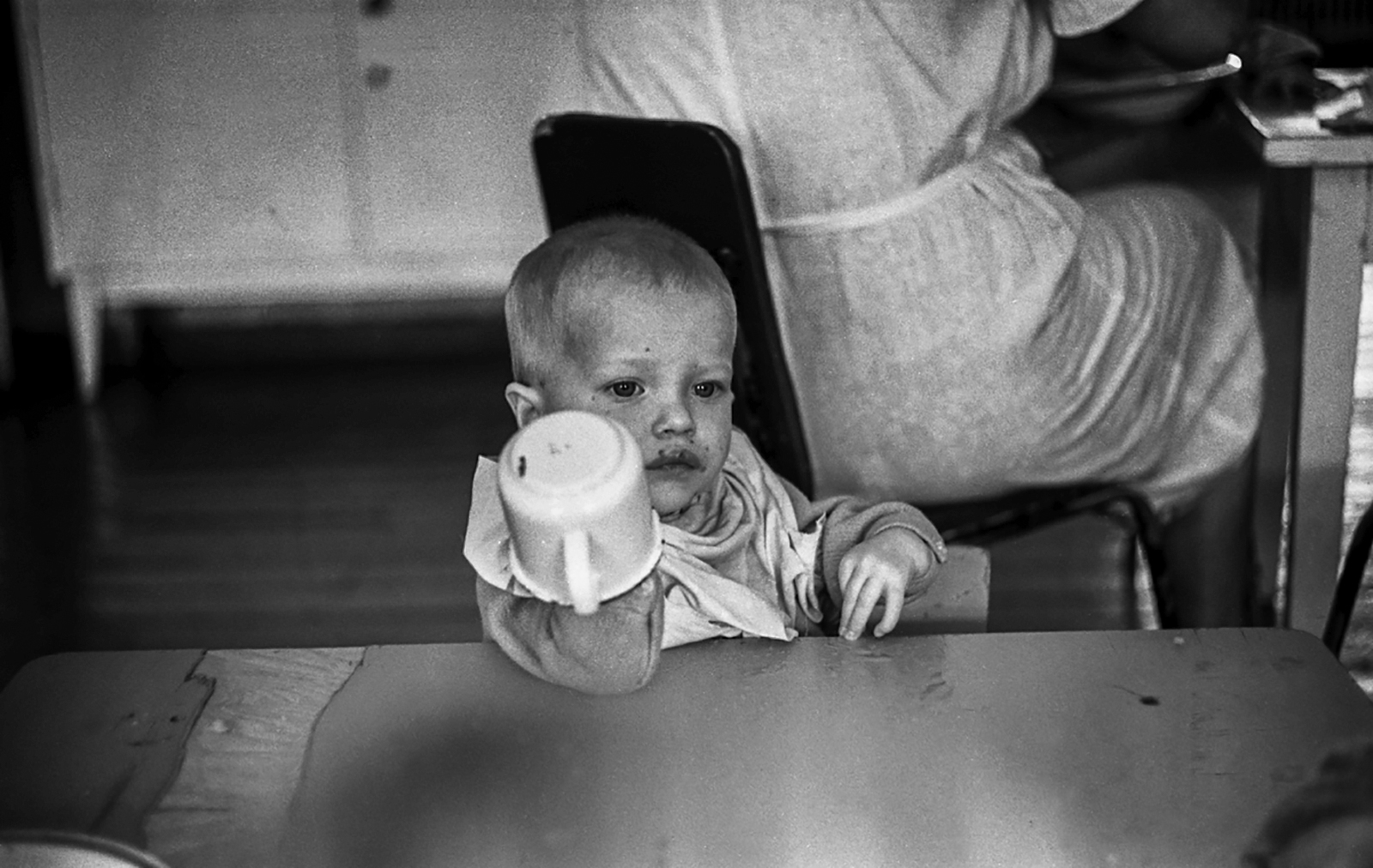
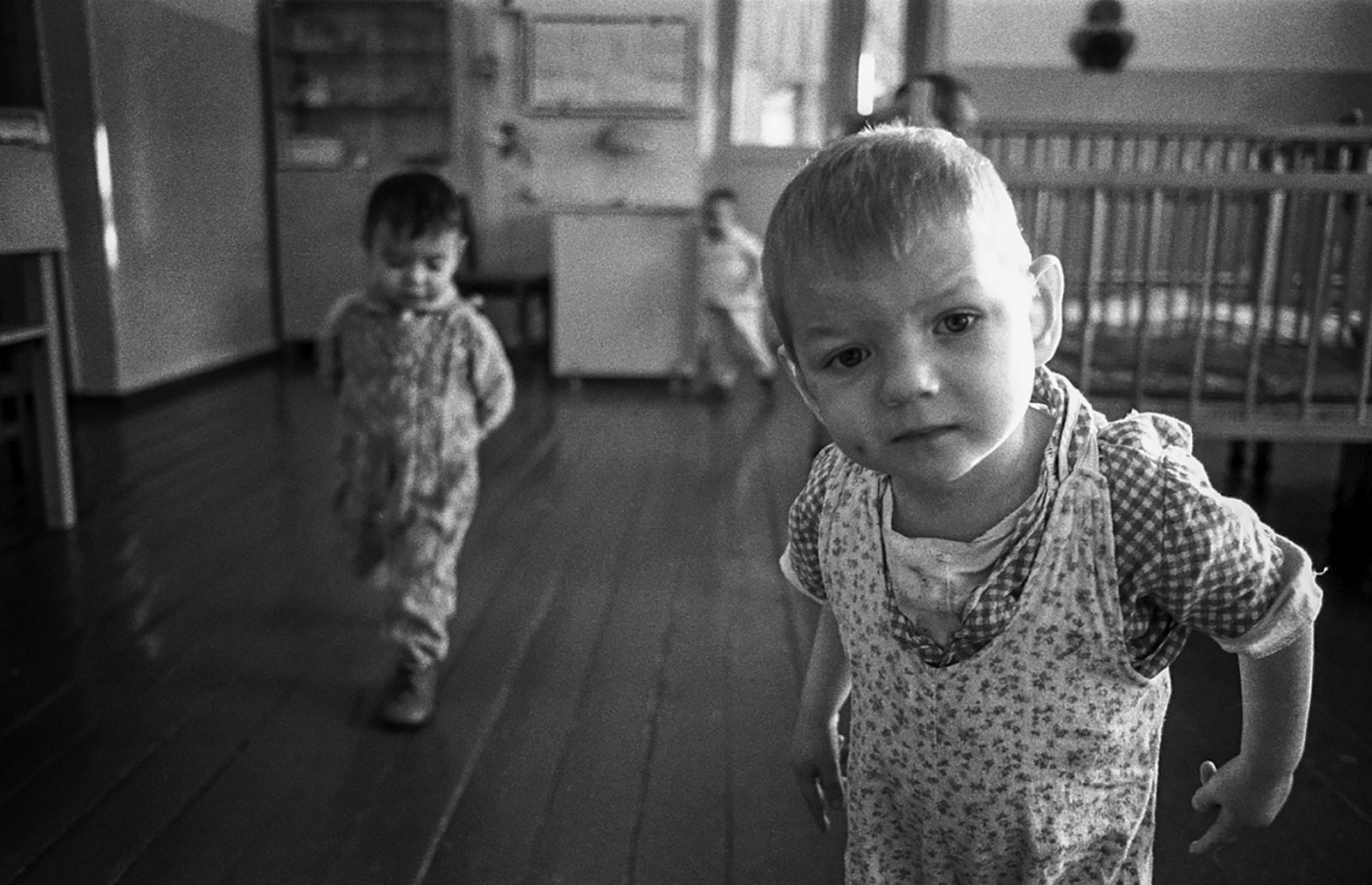
It is impossible to look at Vladimir Sokolaev’s photographs, taken in Siberia in 1981 and 1987, without emotion. They are harsh, and full of pity, above all because they speak of children’s lives. In this system, the fate of a newborn was to be decided by a doctor: not by God, not by father or mother, but by a person in a white coat. If an infant showed signs of physical or mental impairment — something that is often impossible to determine with certainty at birth — the parents were advised to hand the child over to the state.
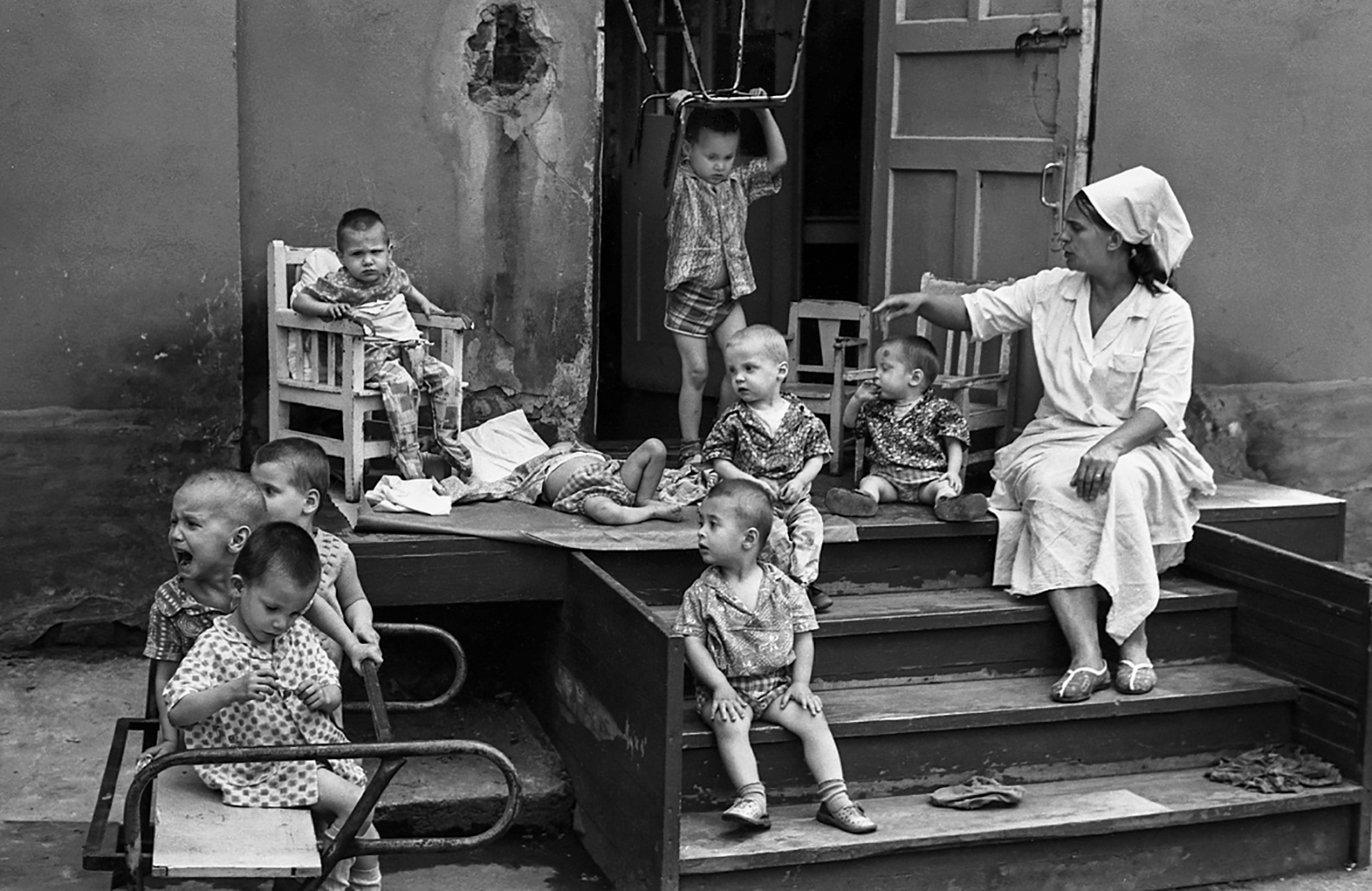
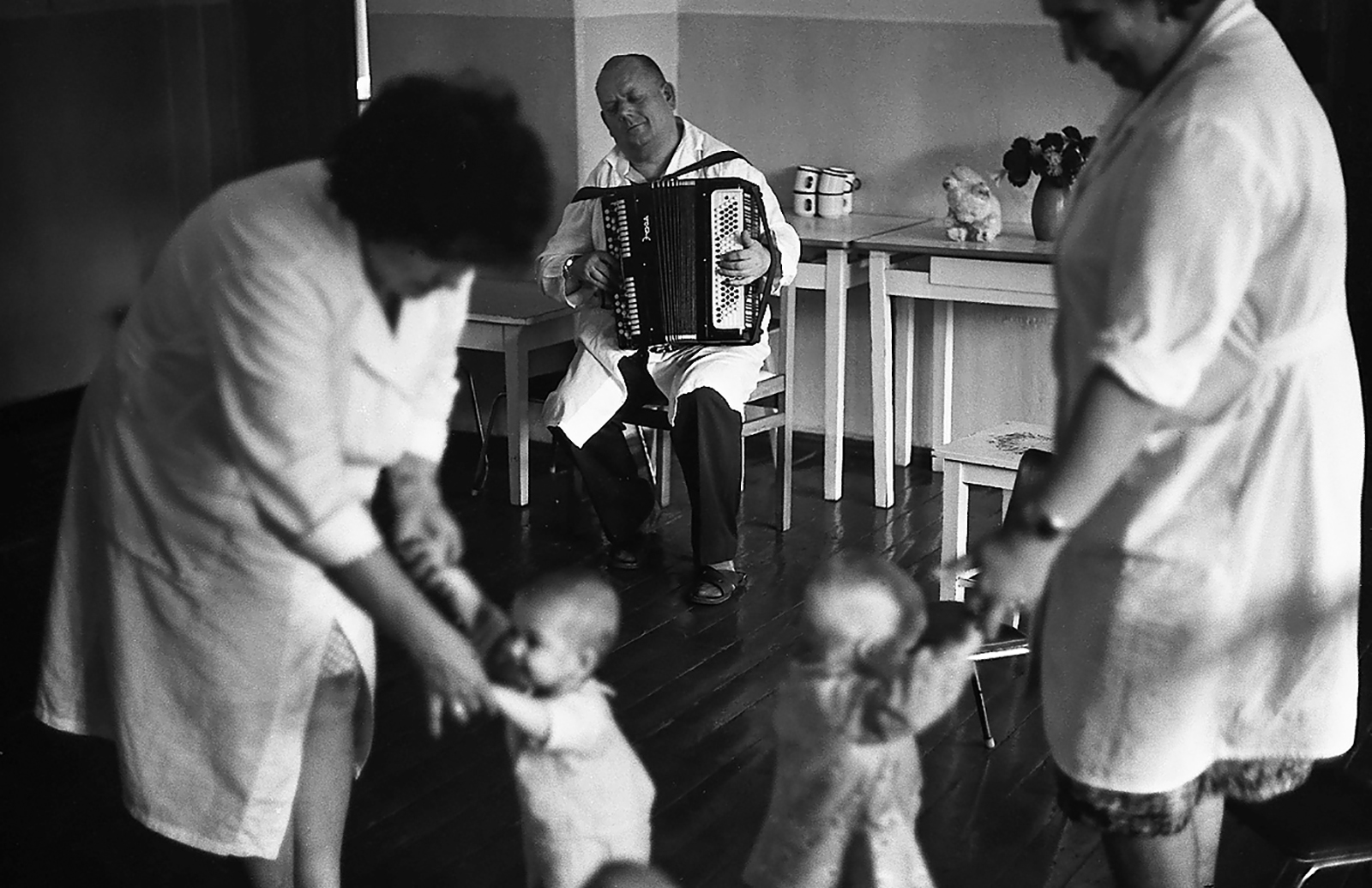
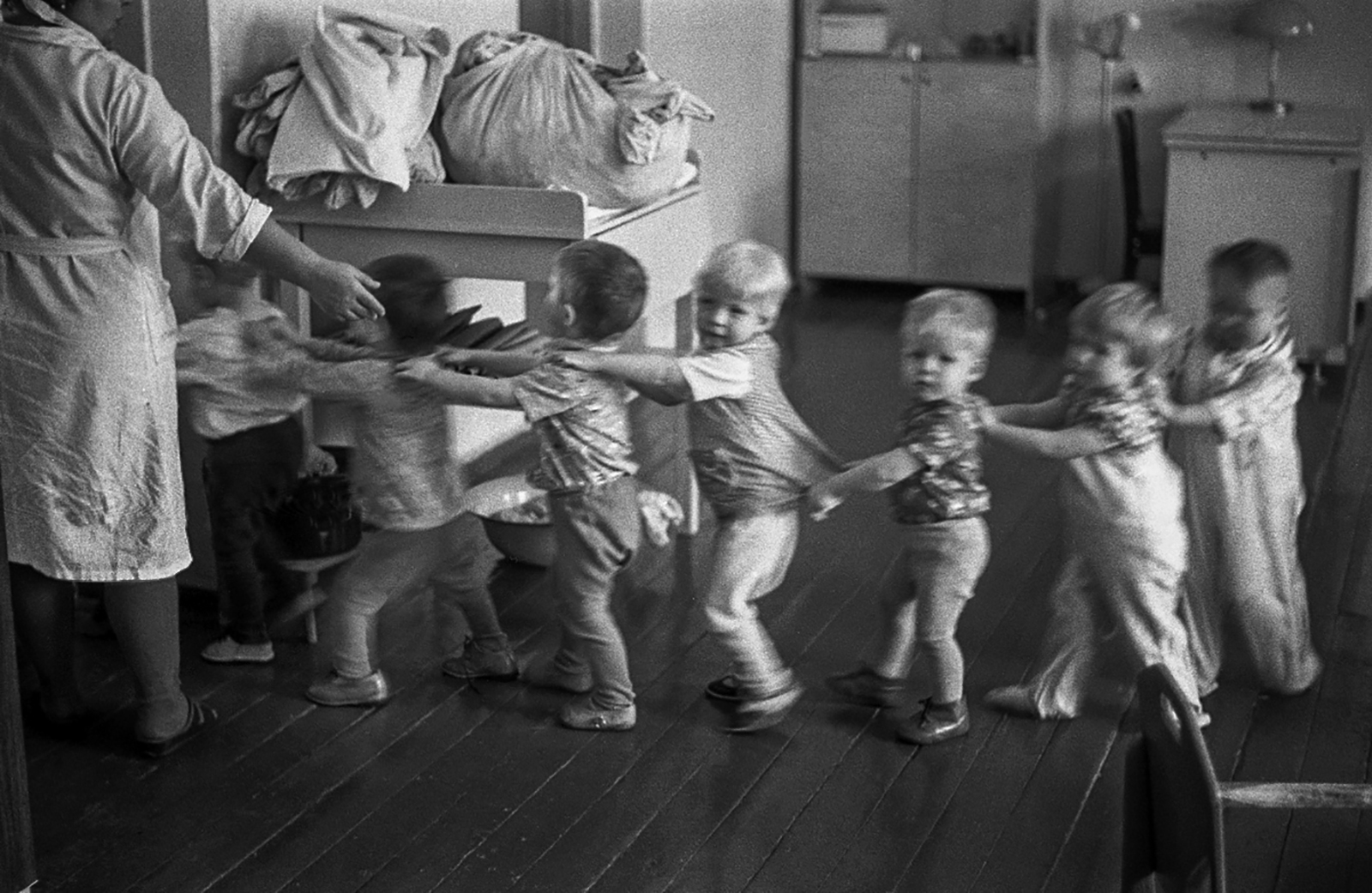
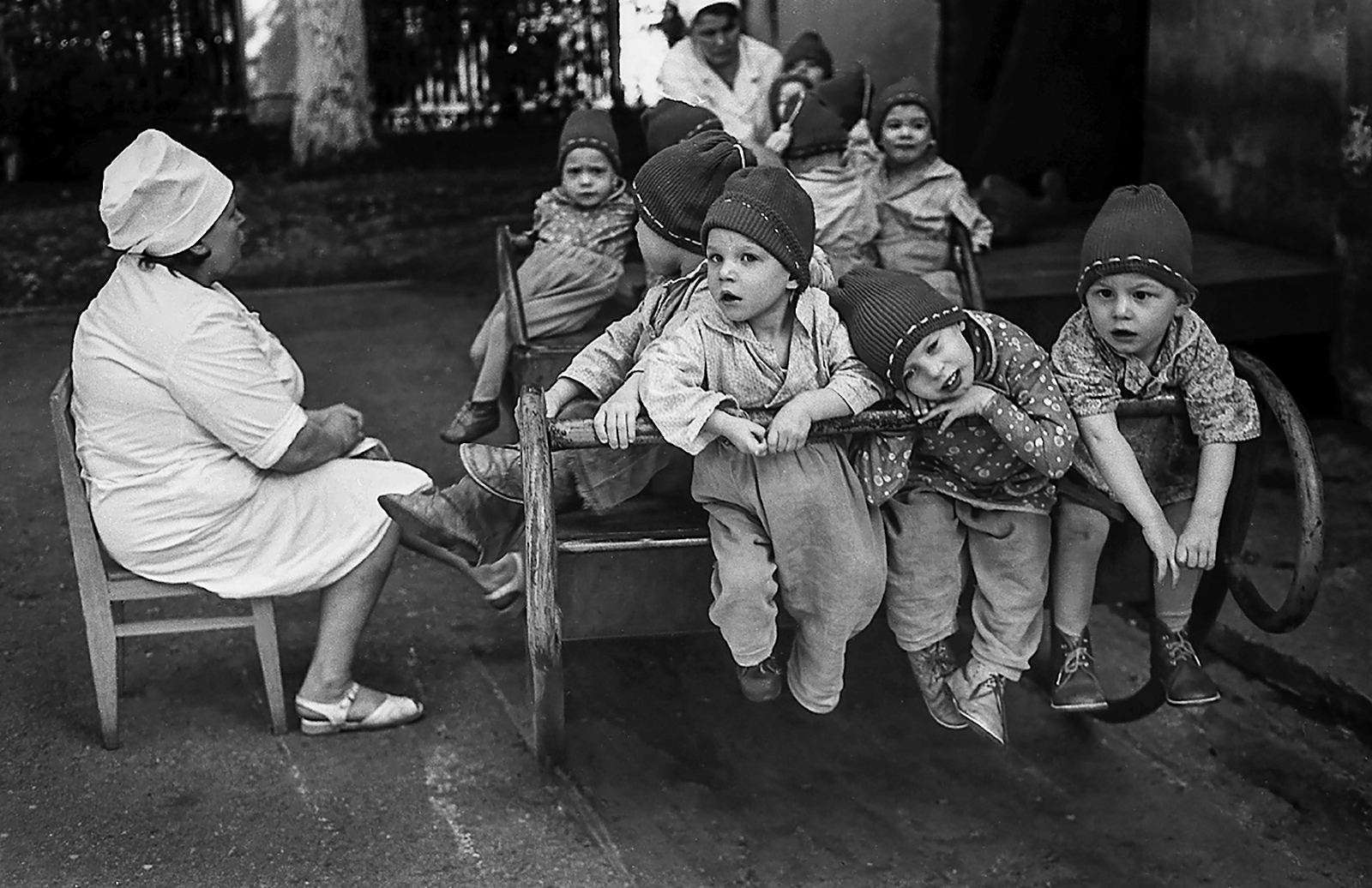
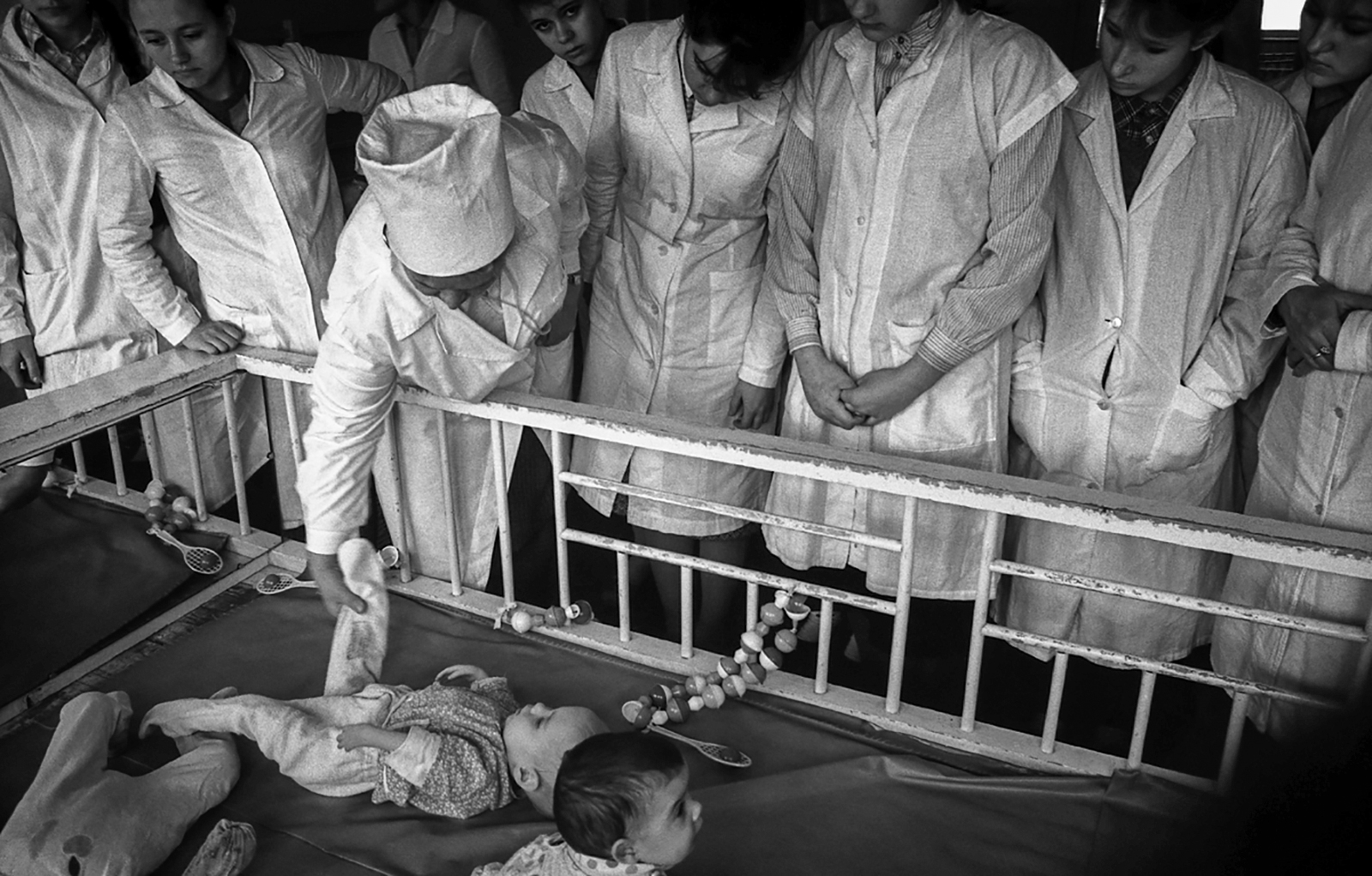
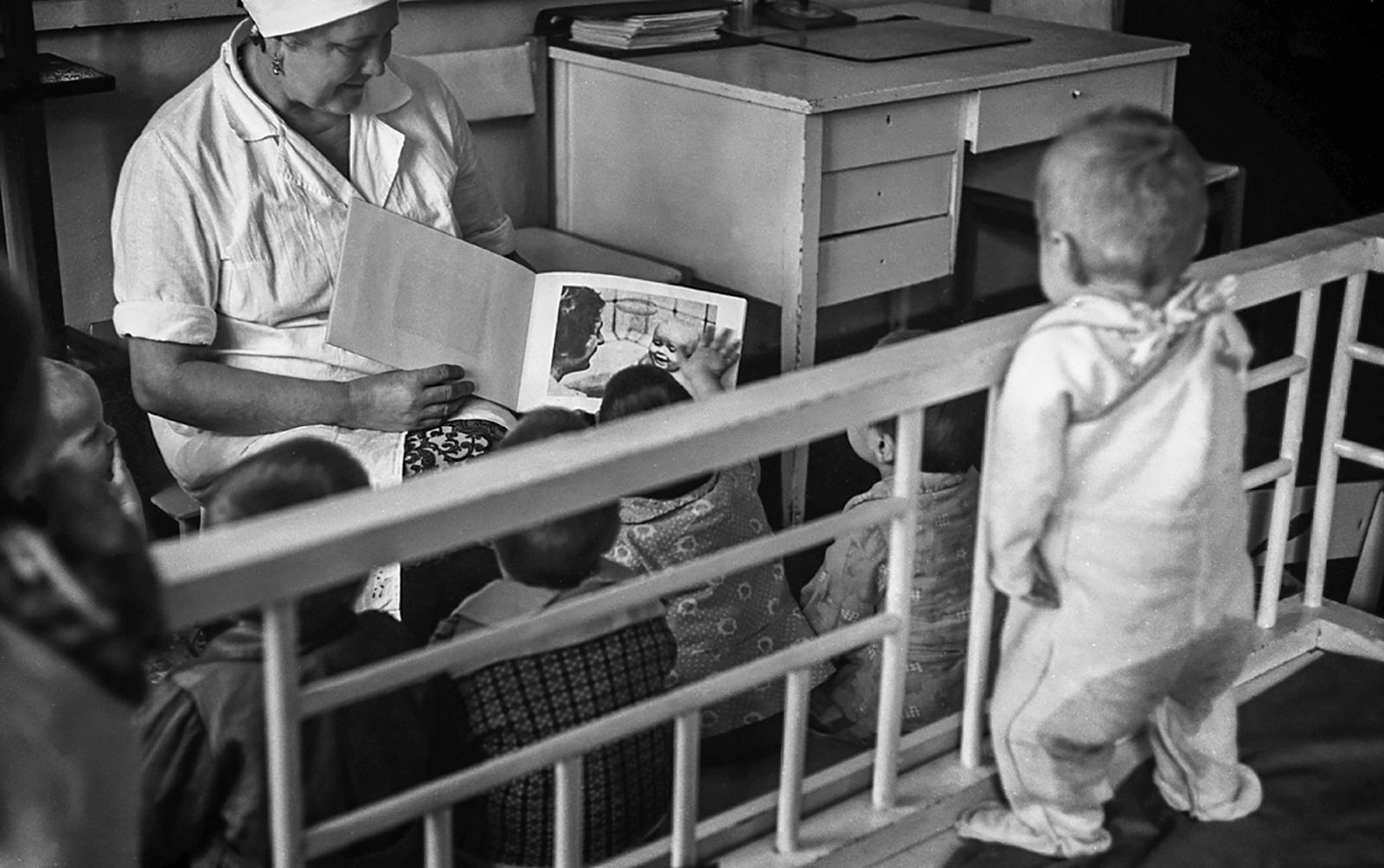
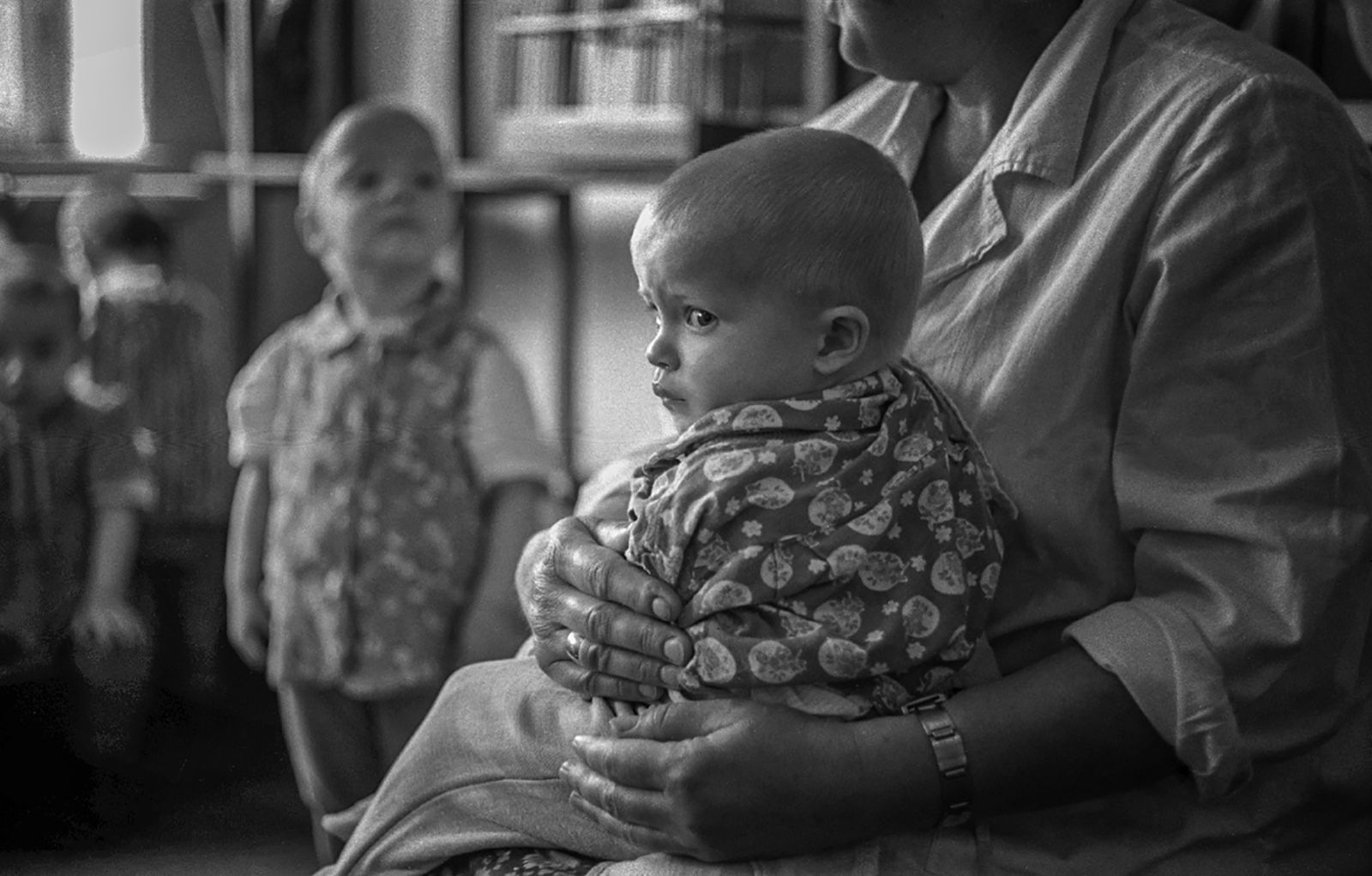
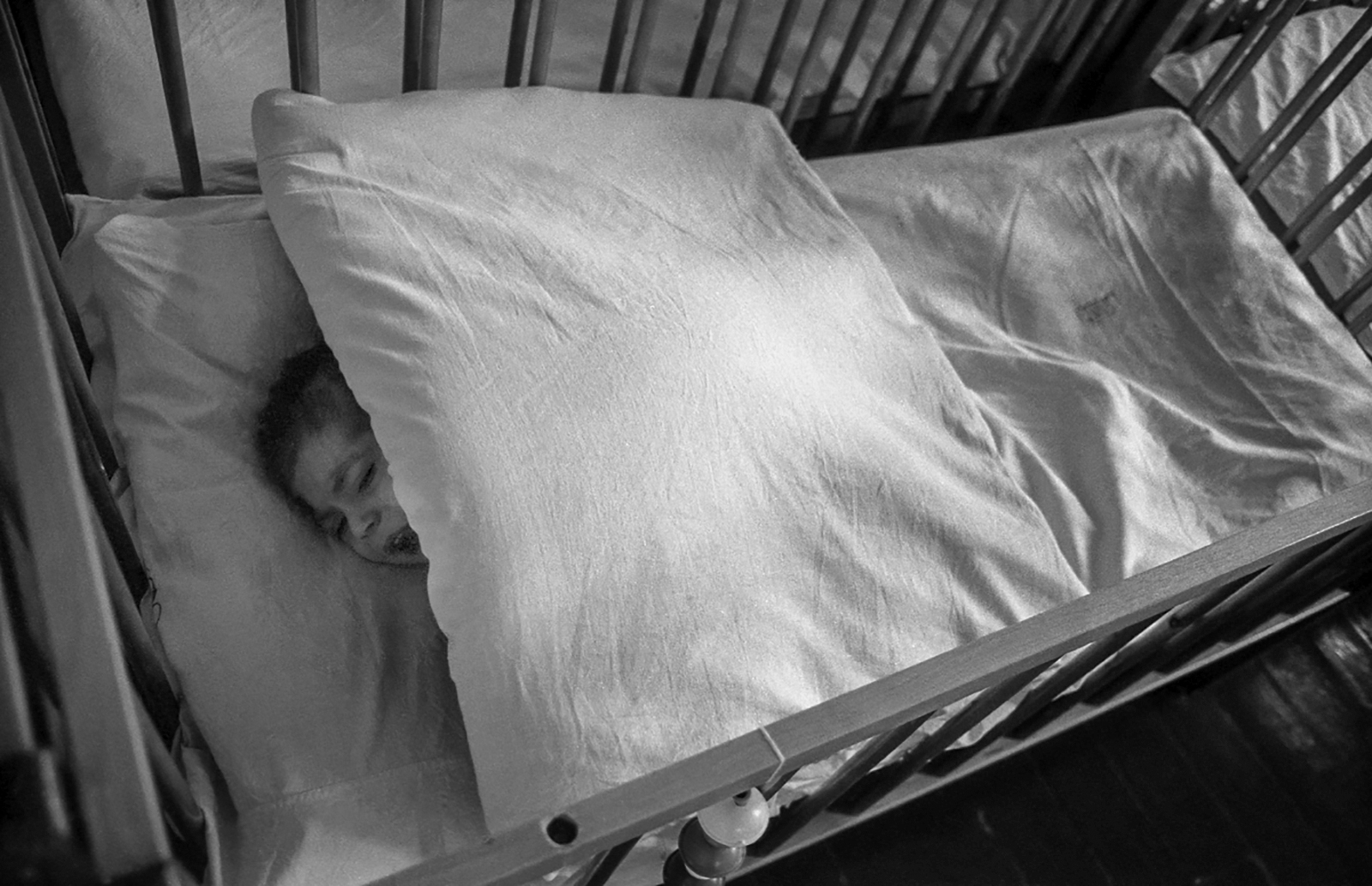
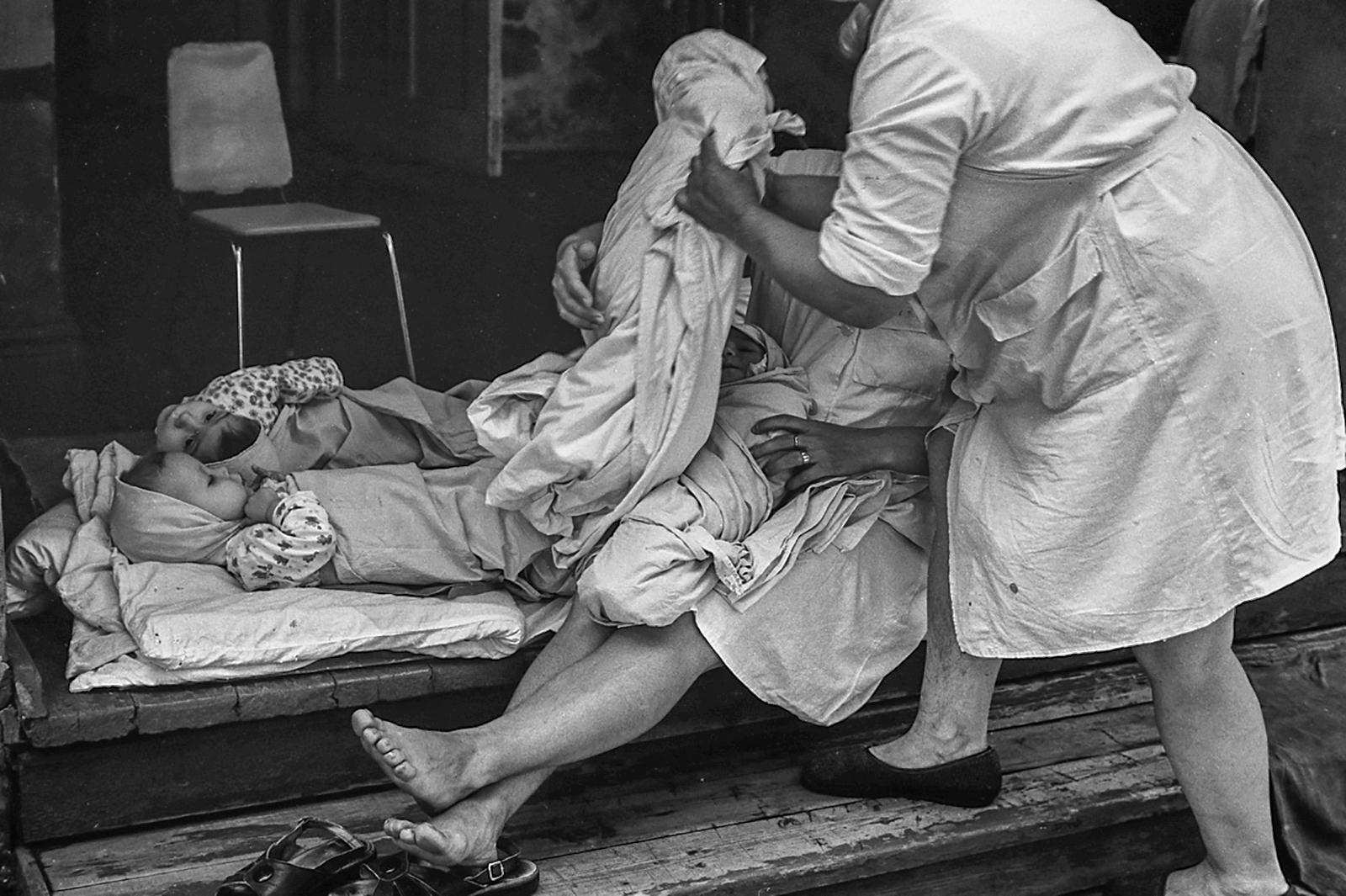
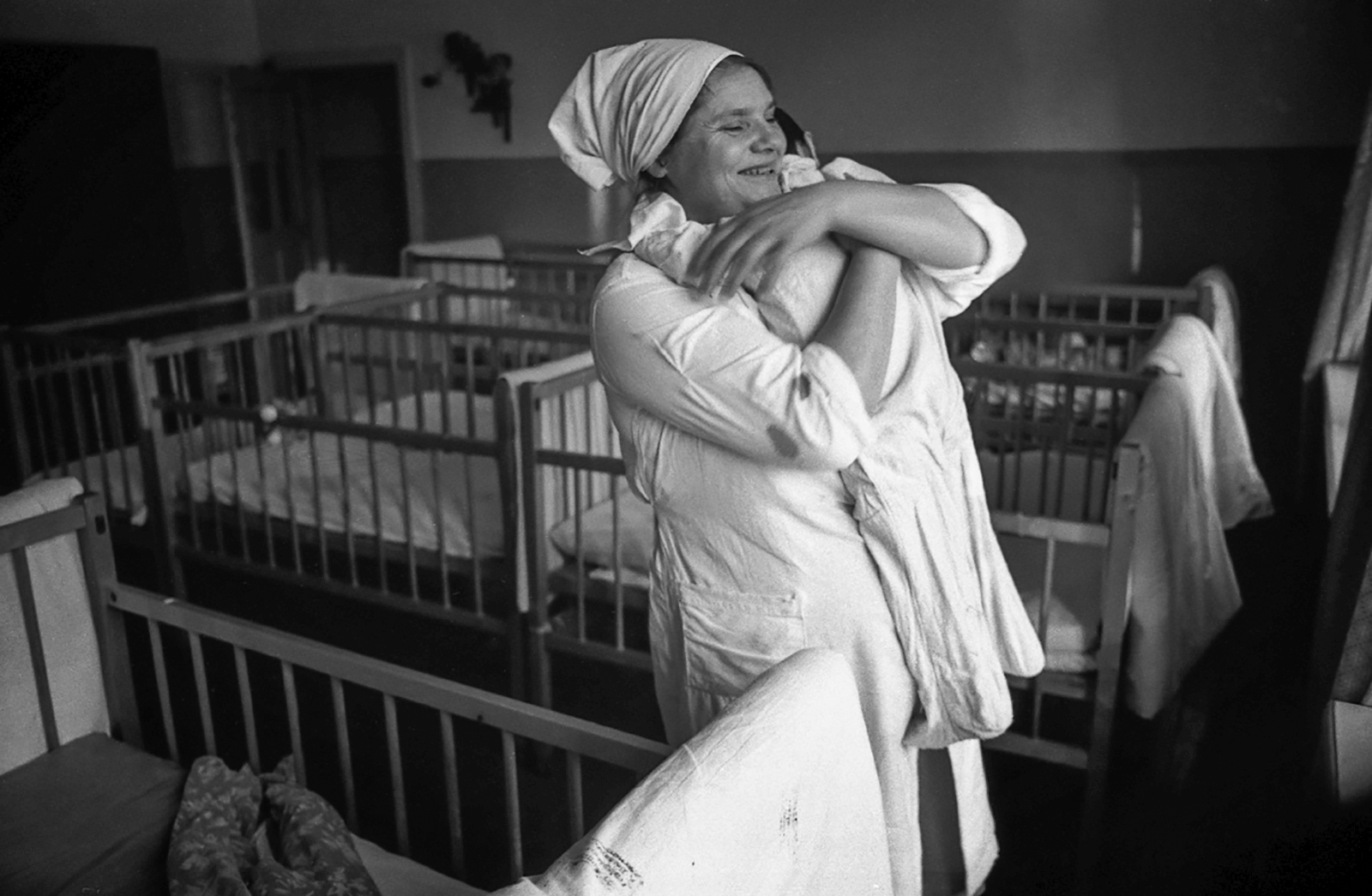
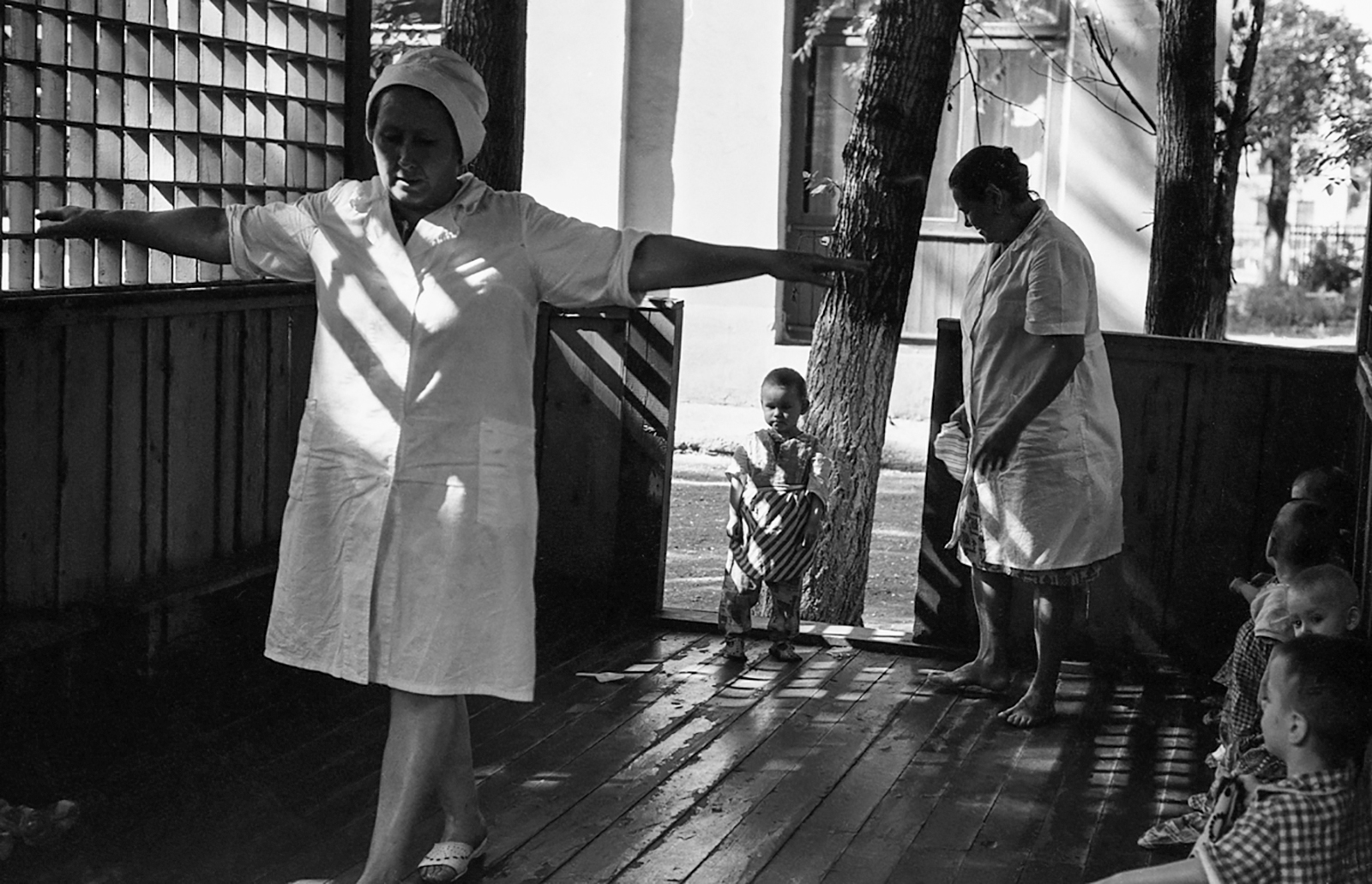
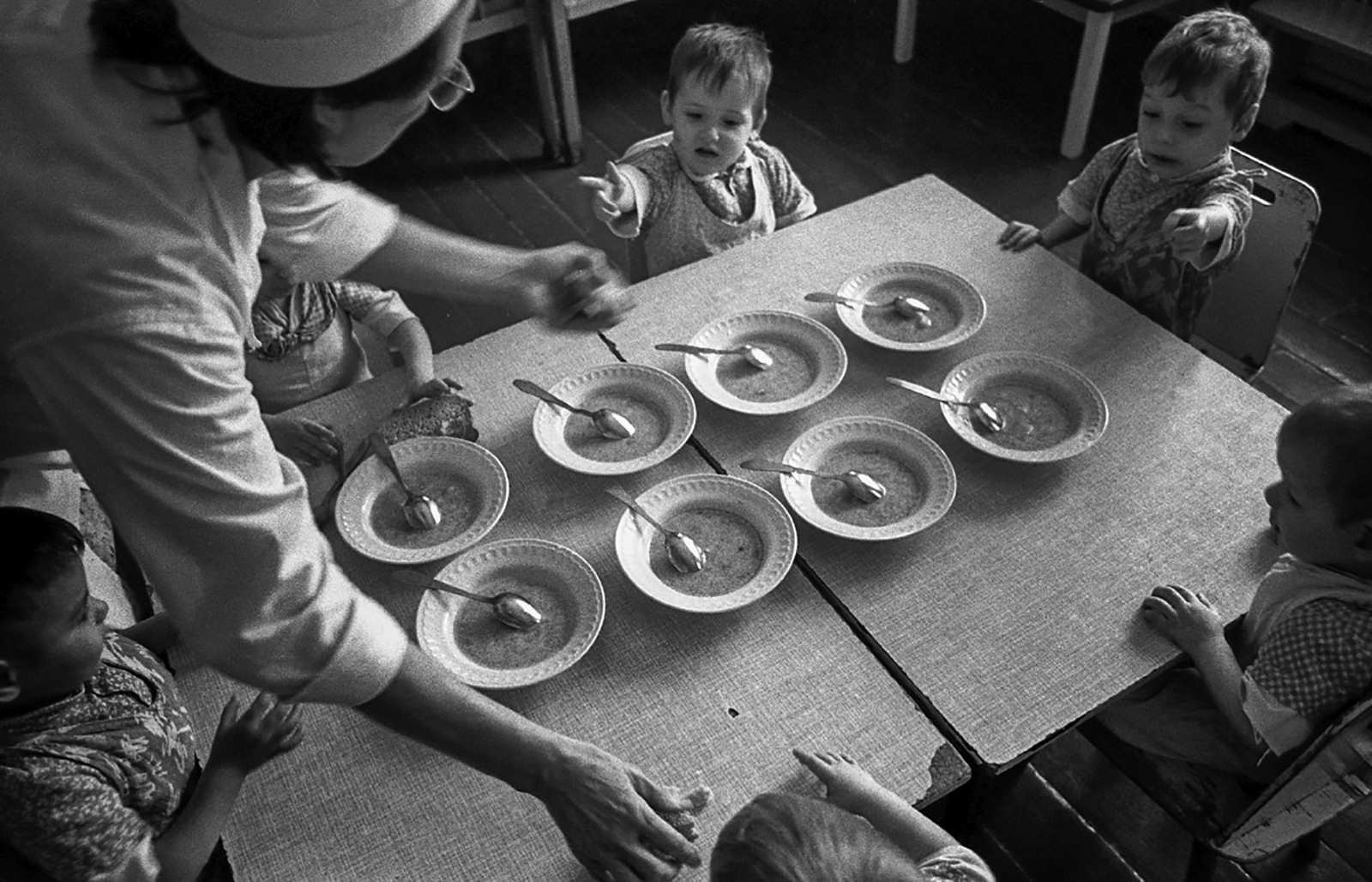
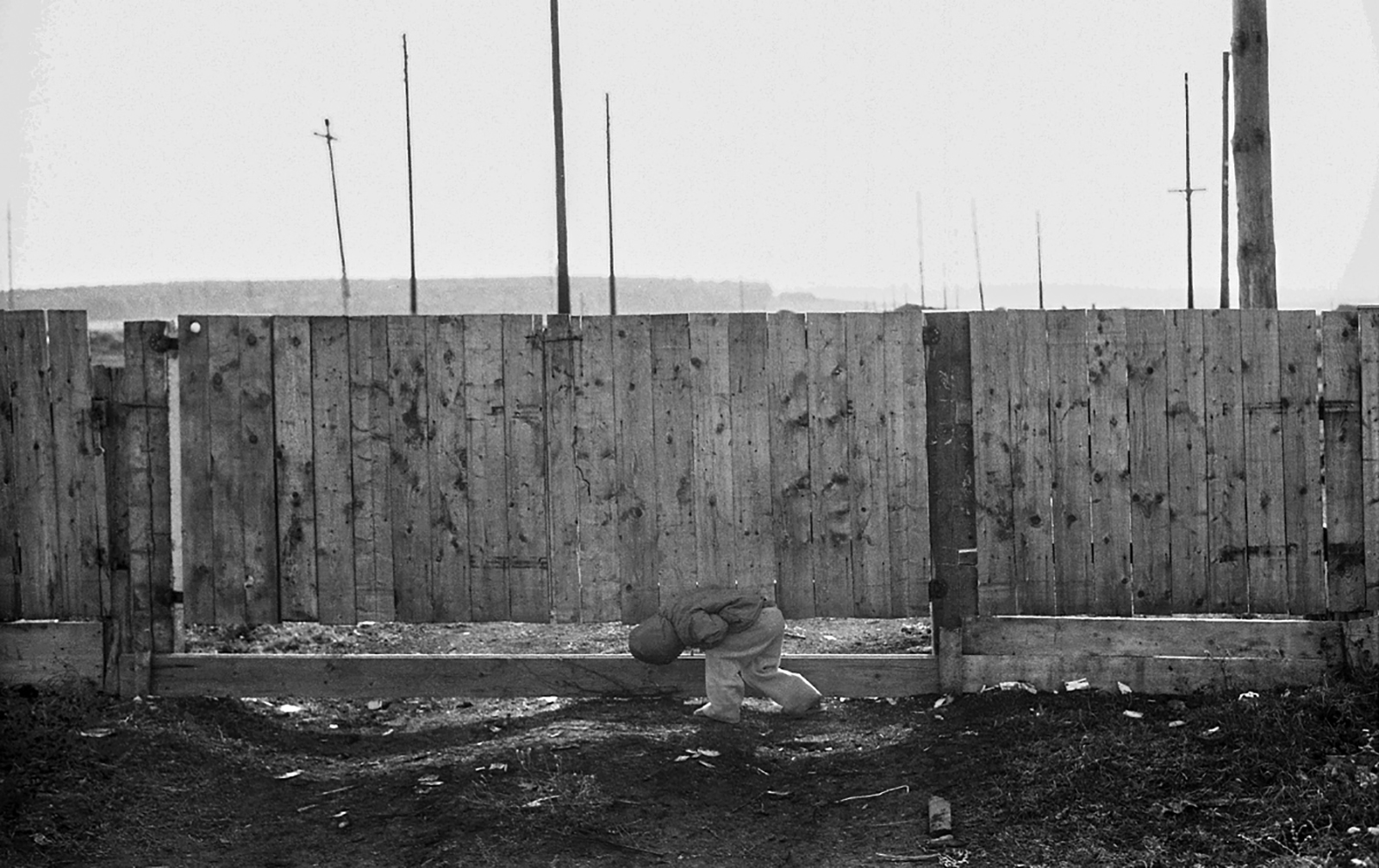
Russia today remains a country of pity, while the state remains a machine of cruelty. We pity children, we pity strangers, we pity ourselves. But pity is not the same as love. As long as we answer state cruelty with pity alone, it retains the power to seem inevitable. Only when pity gives way to love — love as a moral refusal to accept cruelty as normal — does a state willing to barter away a child’s life in the name of its own interests lose any claim to moral legitimacy.
Photographs: Vladimir Sokolaev
Text: Oleg Klimov, Moscow, 2014
Vladimir Sokolaev (1952–2016) was a Russian documentary photographer and videographer from Novokuznetsk, and one of the founders of the TRIVA photography group. He documented the unvarnished reality of the Soviet Union — industrial Siberia, social life, children, disability, poverty, and everyday existence beyond the official image of the state.
Later in his career, he also worked on landscape-based photo and video projects, but he remains above all a precise and uncompromising witness to late Soviet life.
He was born in Stalinsk (now Novokuznetsk), began photographing in the 1970s, graduated from the Leningrad Institute of Cinema Engineering, and participated in more than 80 exhibitions in Russia and abroad. He died in Novokuznetsk in 2016.