
Soviet Sovetsk
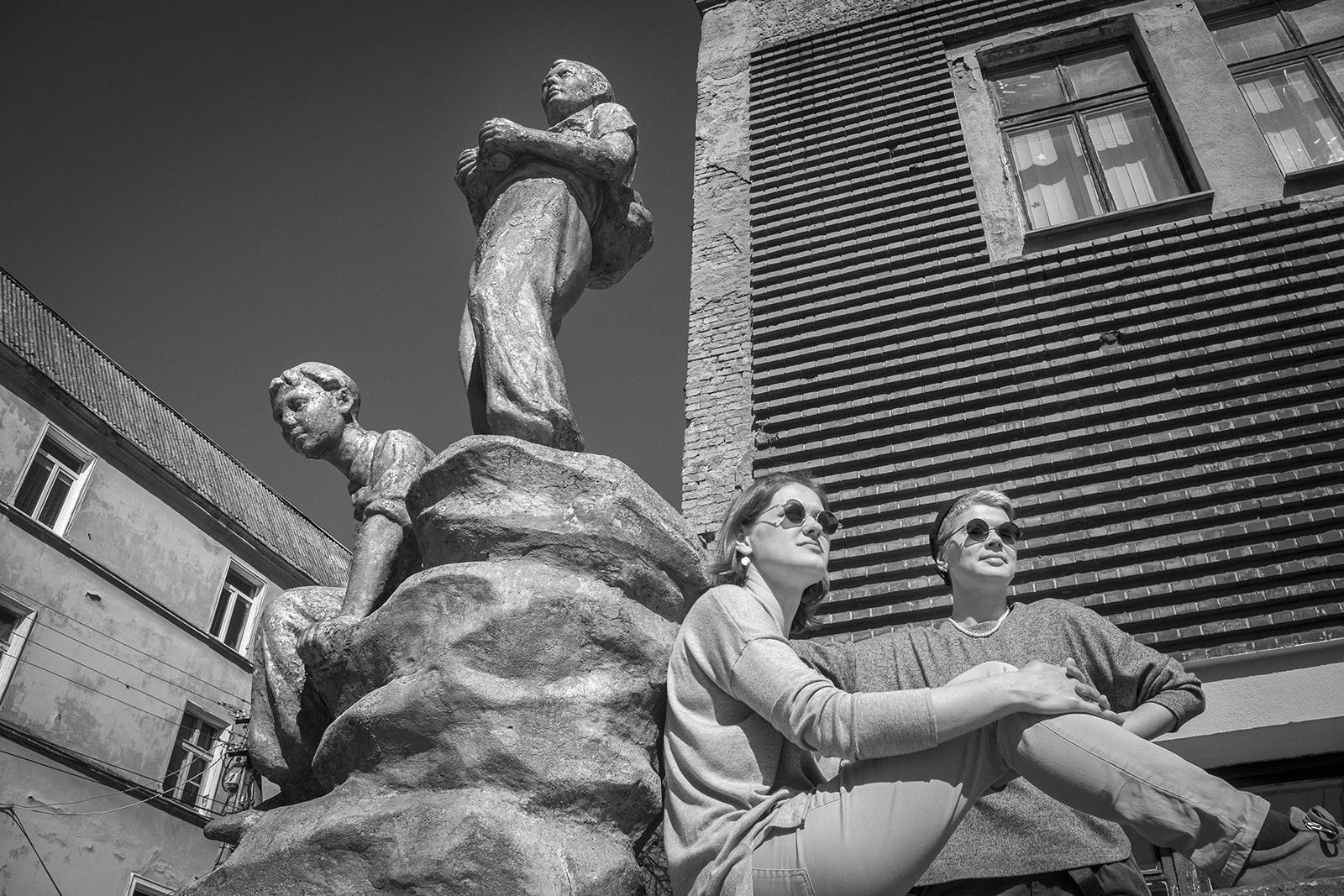
The “Young Pioneers” sculptures stand outside a building that housed the city’s House of Pioneers during the Soviet era. In Tilsit, the building housed the “Zu den drei Erzvätern” Masonic lodge. Photo: Oleg Klimov.
The post-war Soviet policy of de-Germanising East Prussia involved not only deporting the German population and resettling the territory with Soviet citizens, but also destroying the memory of its past. Official history virtually excluded everything that had happened here before 1945. After the Potsdam Conference, the Communist Party set this task; today, the Russian state has taken it over, presumably because the Party is long gone, while history remains. Hence the saying that still holds true: “From Adam to Potsdam, there was no history here.”
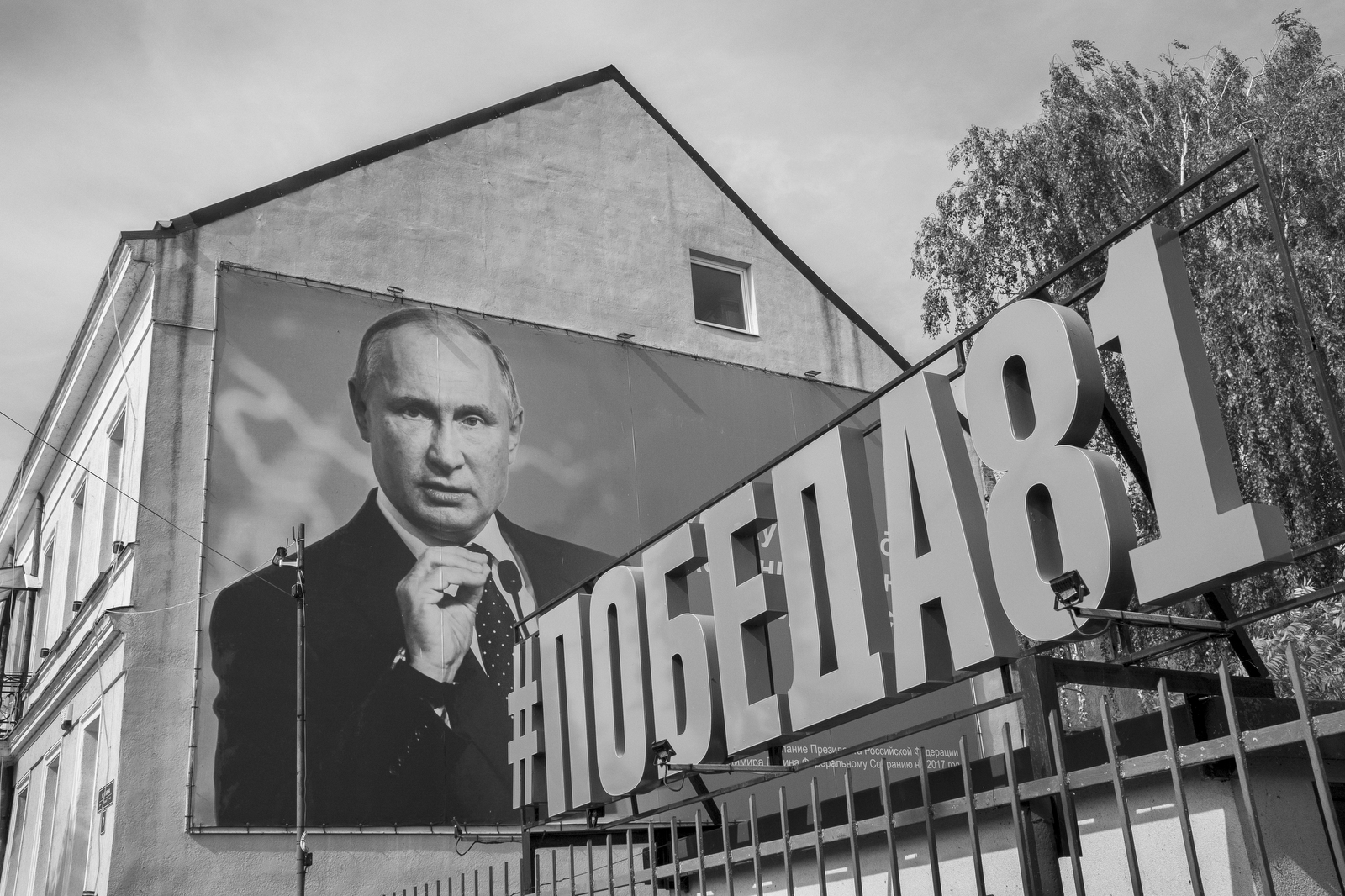
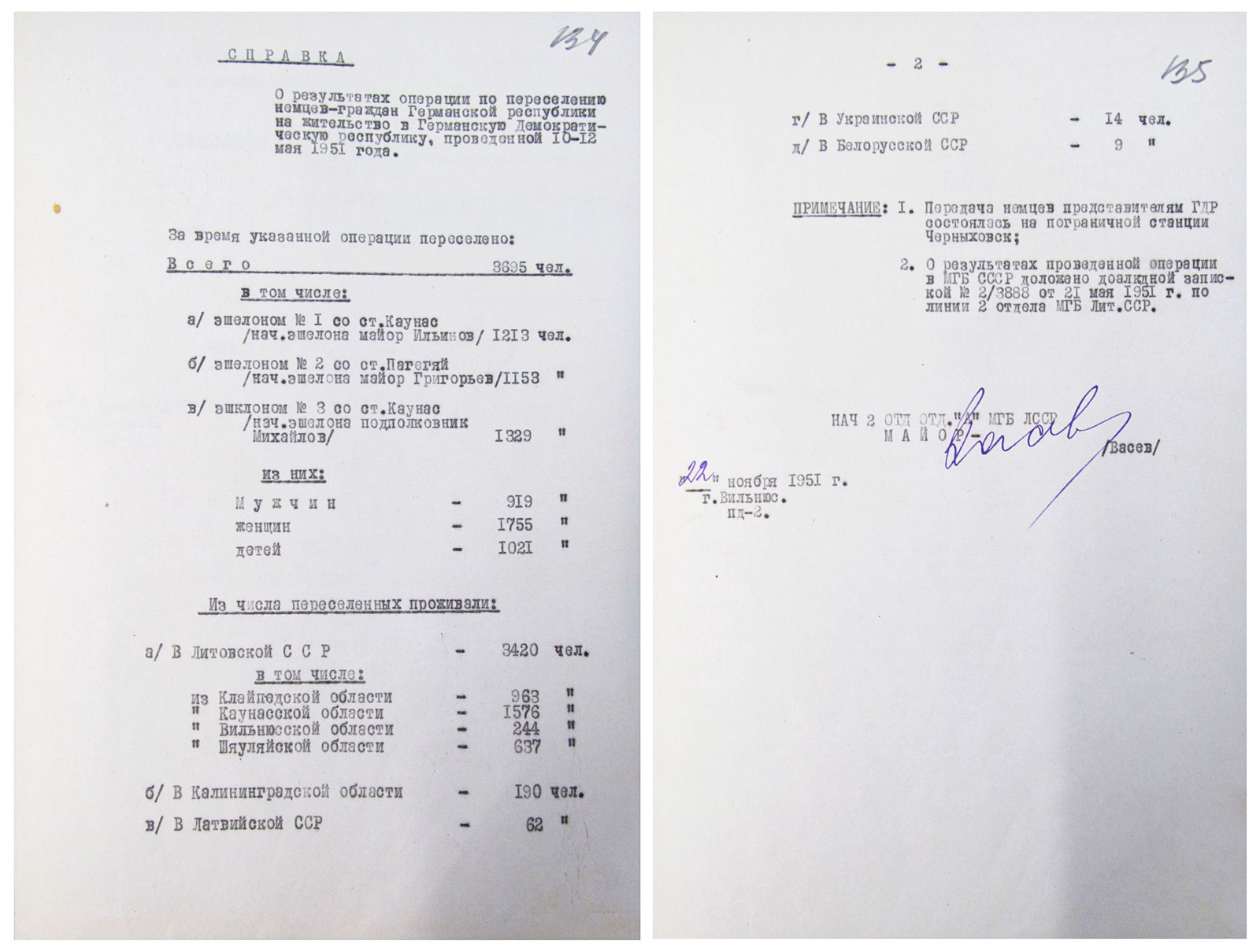
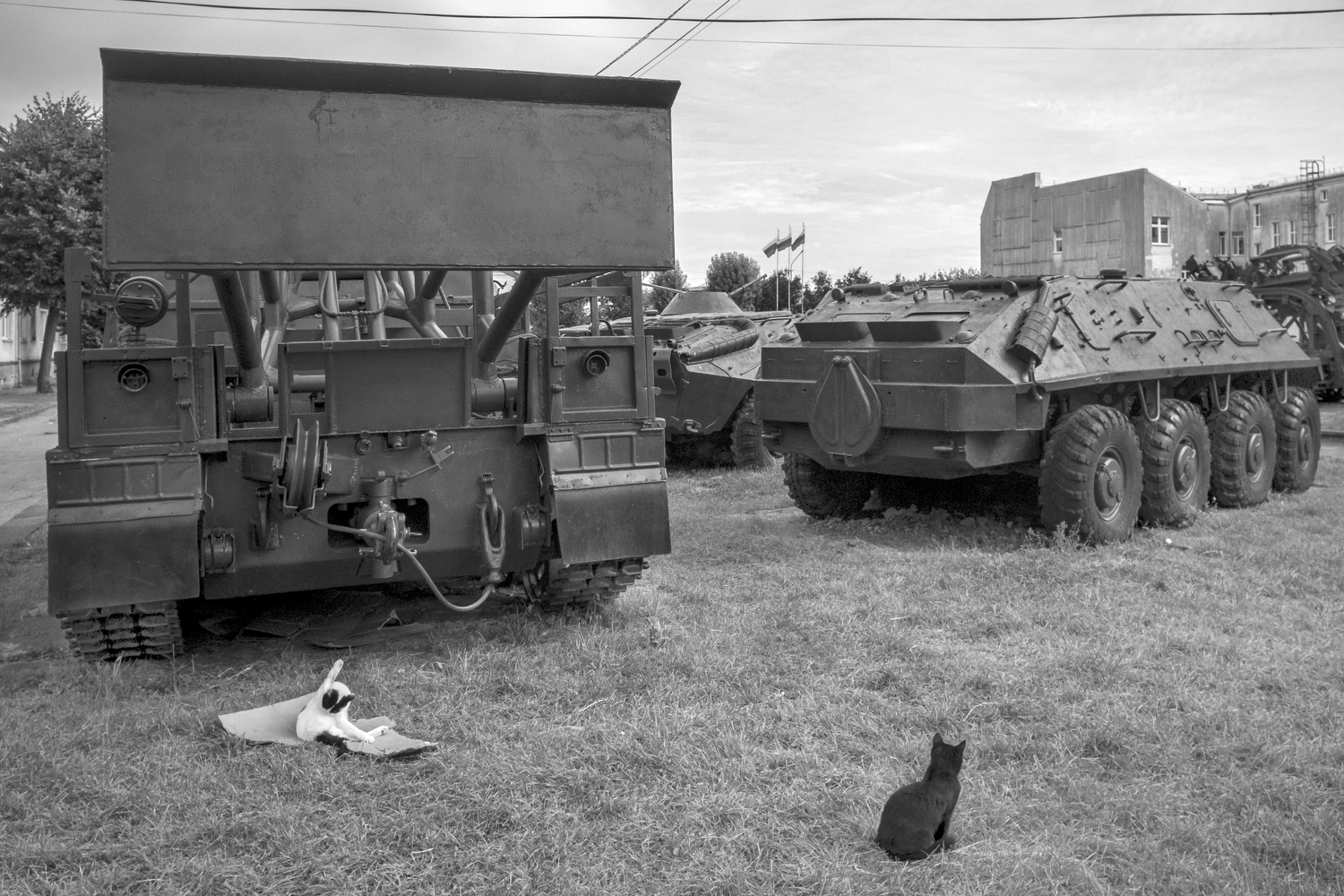
Yet the Peace of Tilsit, humiliating for Prussia, remains one of the best-known events in the history of what is now Sovetsk. Some remember it from school textbooks, others from War and Peace, where yesterday’s adversaries become allies and exchange decorations, while the officer Nikolai Rostov struggles to understand: “What were all those deaths and severed arms and legs for, if enemies have now become friends?”
Reading about those distant events today, I find myself imagining the protagonists of our current news cycle: Trump, Putin and Zelensky. I picture Trump awarding Putin a medal, and Putin awarding one to Trump, as they negotiate the division of spheres of influence in Europe. In this imagined scene, Zelensky can only watch as his country’s fate is decided. And I wonder: might a future peace prove as humiliating for Ukraine as the Peace of Tilsit was for Prussia?
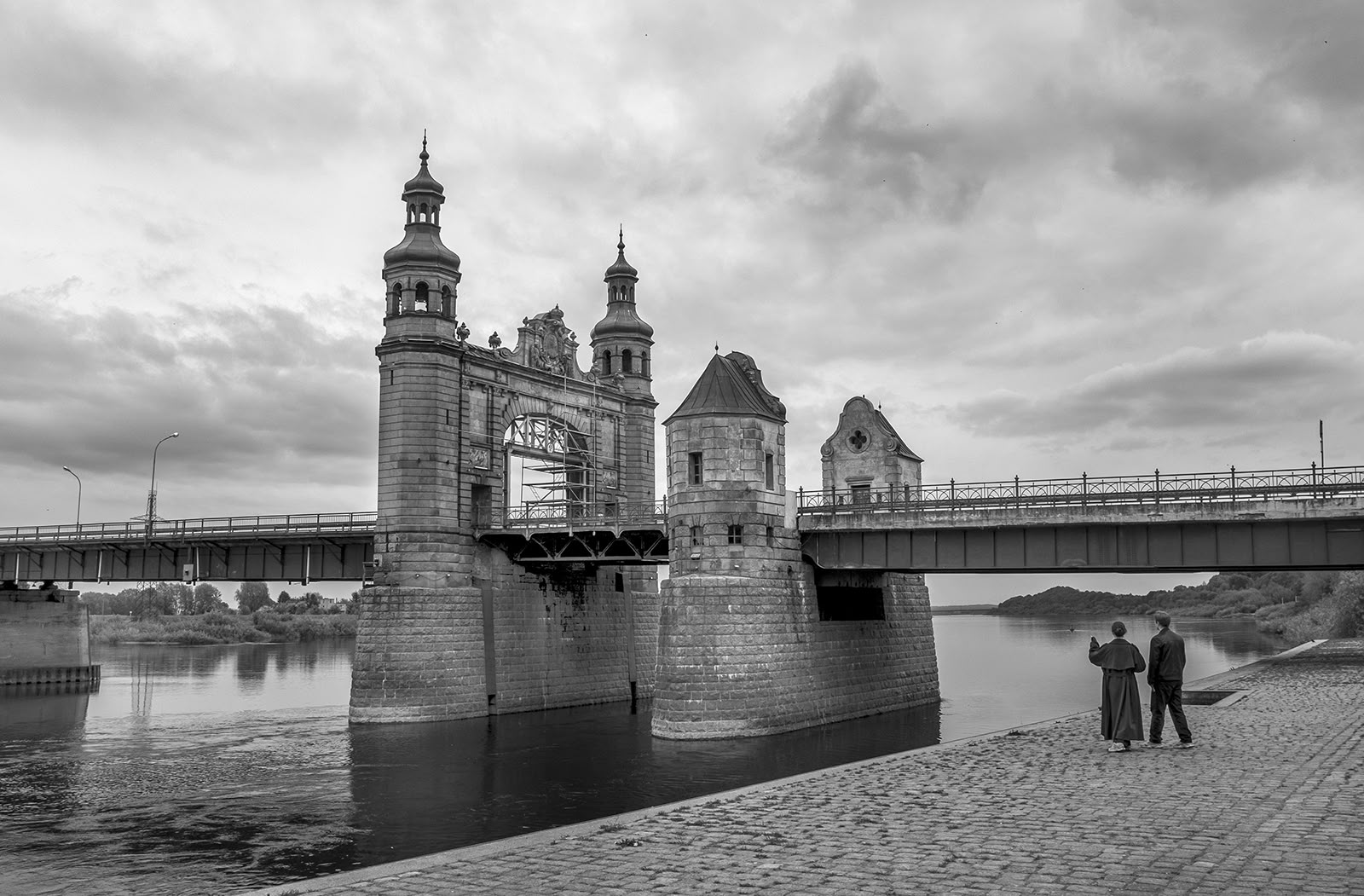
In the museum of the history of Tilsit–Sovetsk, I found no mention of the curious way the construction date on Queen Louise Bridge — 1907 — had been altered to suit the city’s new history. It was ingeniously simple: replace the “0” with a “4”, and even the bridge had not existed before the Potsdam Conference. In the mid-1960s, the Soviet coat of arms replaced the relief of Queen Louise. It is remarkable how closely the methods of falsifying history under Stalin resemble those used today. Only the technology differs. Not until 2003, when the gateway was restored, did Louise’s image and the lost decorative details return. Everything except the bridge’s construction date.
To be fair, yesterday, in his City Day address, the governor of the Kaliningrad region said: “Queen Louise Bridge, one of the city’s symbols, has survived in Sovetsk. It was built in 1907 to mark the centenary of the Peace of Tilsit, concluded here by Alexander I and Napoleon.” After his speech, the governor was invited to try a cherry pie eighty metres long and one metre wide — the largest in Russia, baked especially for Sovetsk’s eightieth anniversary. The governor tasted it first, after which the pie, duly sampled by an official, was handed out free to the assembled residents.
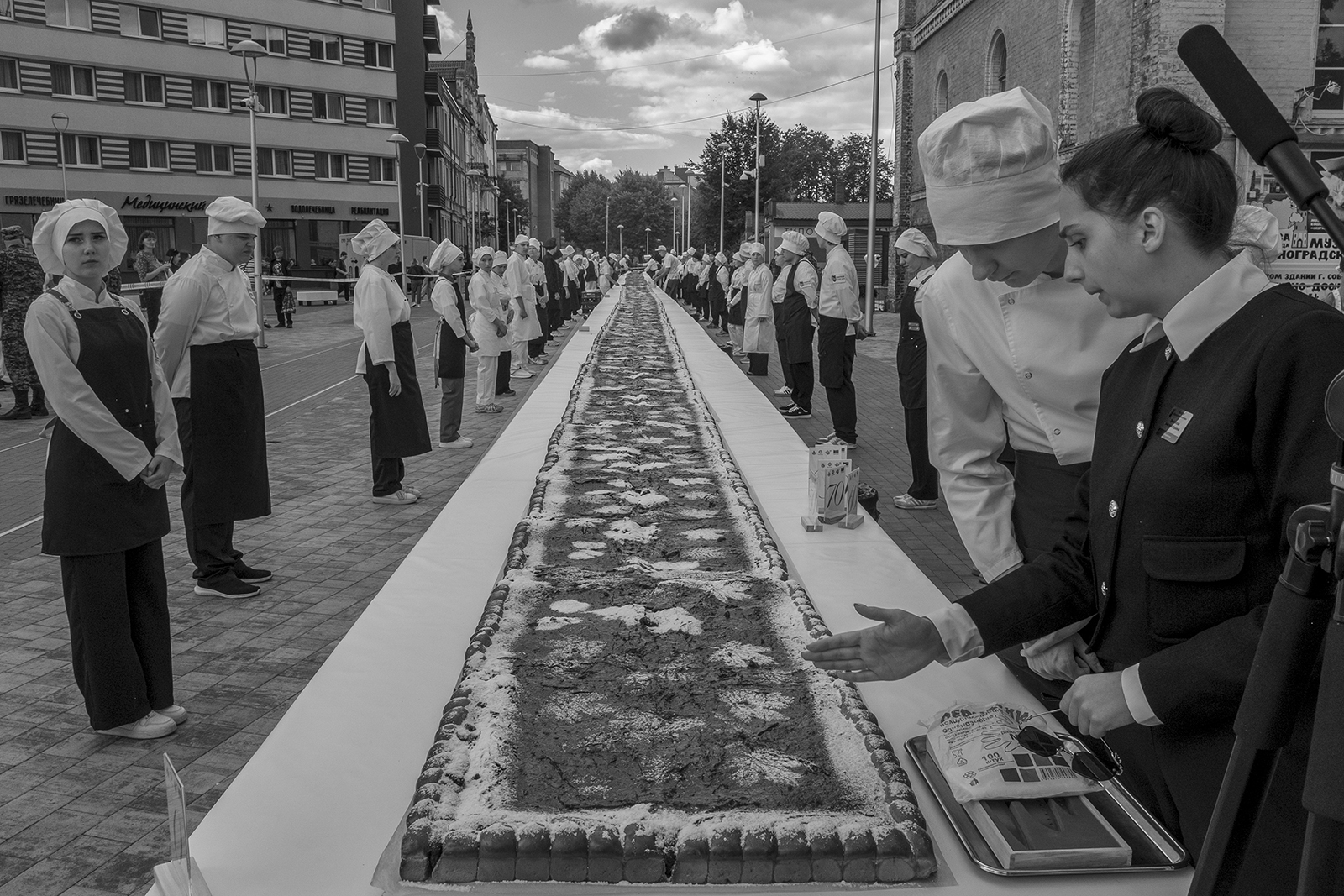
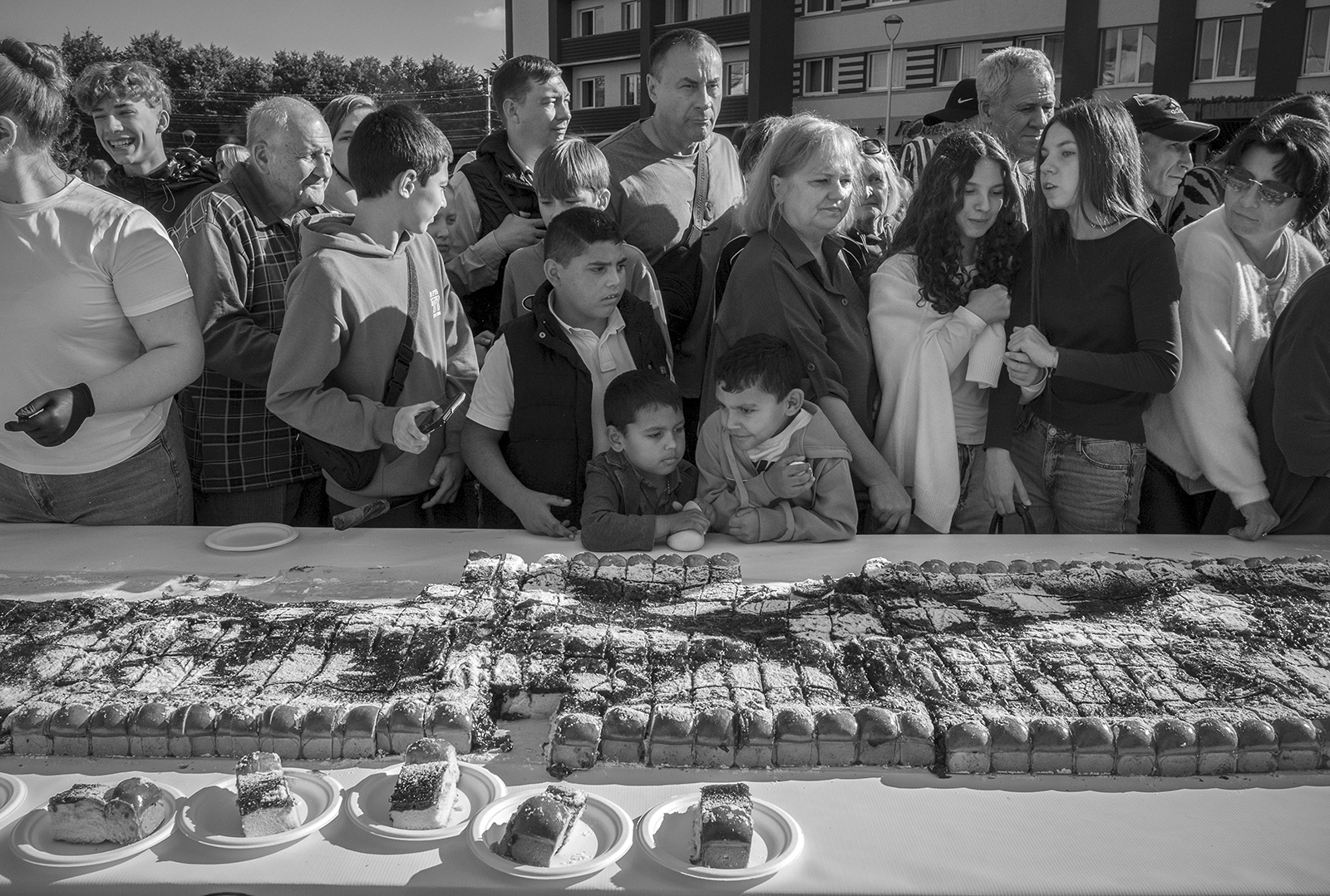
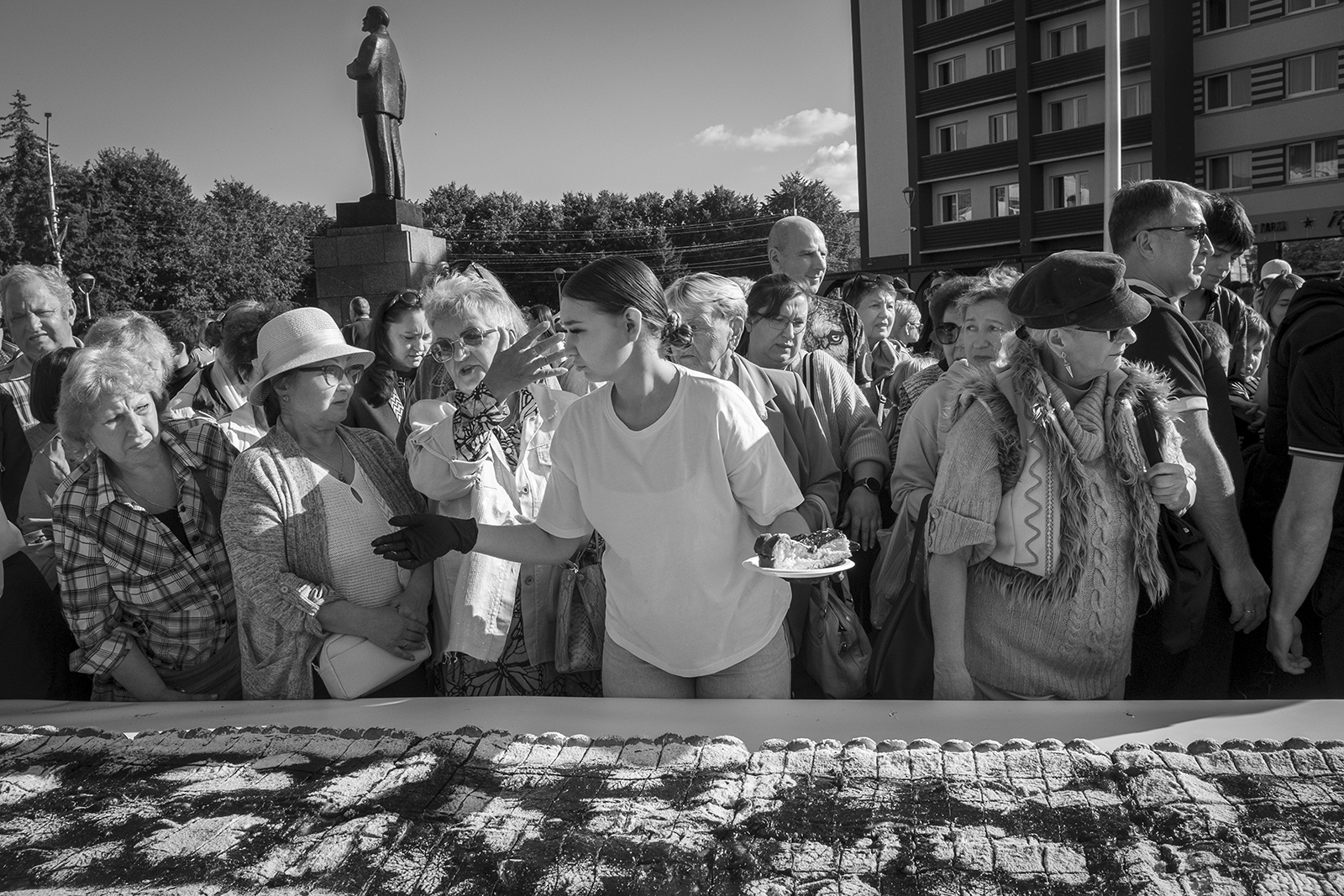
Photographing Sovetsk, it is impossible not to think of Tilsit, which supposedly no longer exists yet remains everywhere — from the old red-brick buildings to the German plates on sale at the market. There is Sovetsk as an objective reality, and Tilsit as a phantom of memory. For the city’s anniversary, the museum opened a new room with an exhibition called “Soviet Sovetsk”. Meanwhile, in the courtyard, members of a Teutonic Order reenactment club fought with swords and axes. Dozens of residents gathered to watch the medieval duels; in the rooms devoted to the Soviet past, I was the only visitor. Here you feel how Sovetsk and Tilsit inhabit different geometries: official history keeps them apart along Euclid’s parallel lines, while human memory brings them together, as though in Riemannian space.
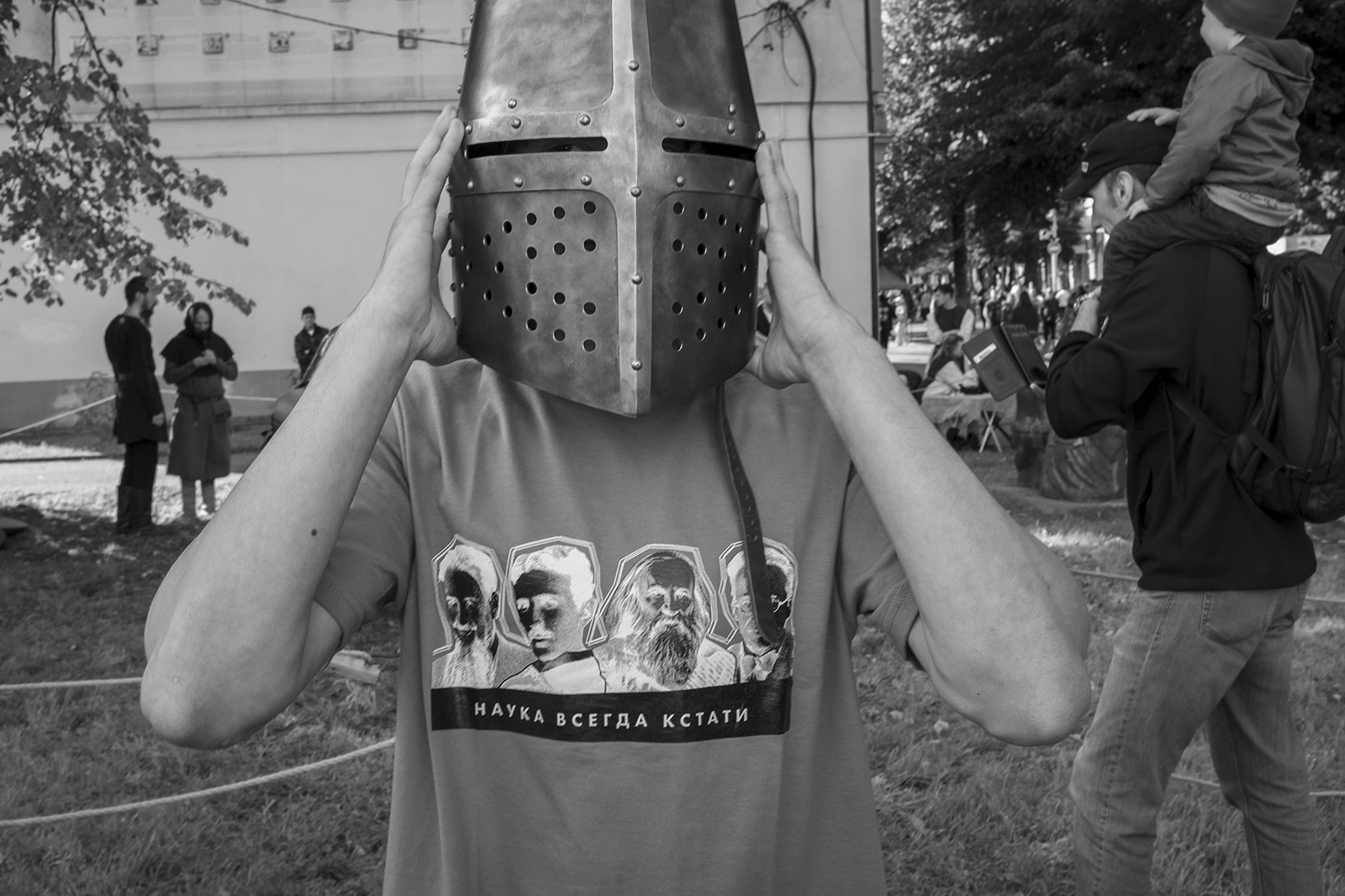
A Sovetsk resident tries on a replica of a medieval Teutonic knight’s helmet. Photo: Oleg Klimov.
Lithuania’s future national anthem was printed in Tilsit — and smuggled across the border
Tilsit, now Sovetsk, has often been a border town and a place where smugglers plied their trade. Issue No. 6 of Varpas published in 1898, carried the first appearance of Vincas Kudirka’s “National Hymn” the future Lithuanian national anthem. The issue was printed by the well-known Otto von Mauderode printing house in Tilsit. The newspaper was secretly taken into Lithuania, then under Russian imperial rule, where printing Lithuanian in the Latin alphabet was prohibited.
The National Museum of Lithuania recounts one possible version of the smuggling story: Kudirka’s Russian friend Valeria Kraszewska, or her daughter Maria, may have carried the manuscript across the border — noblewomen were searched less thoroughly. Exactly who carried Lithuania’s future anthem across has never been established. In other words, smuggling began with manuscripts.
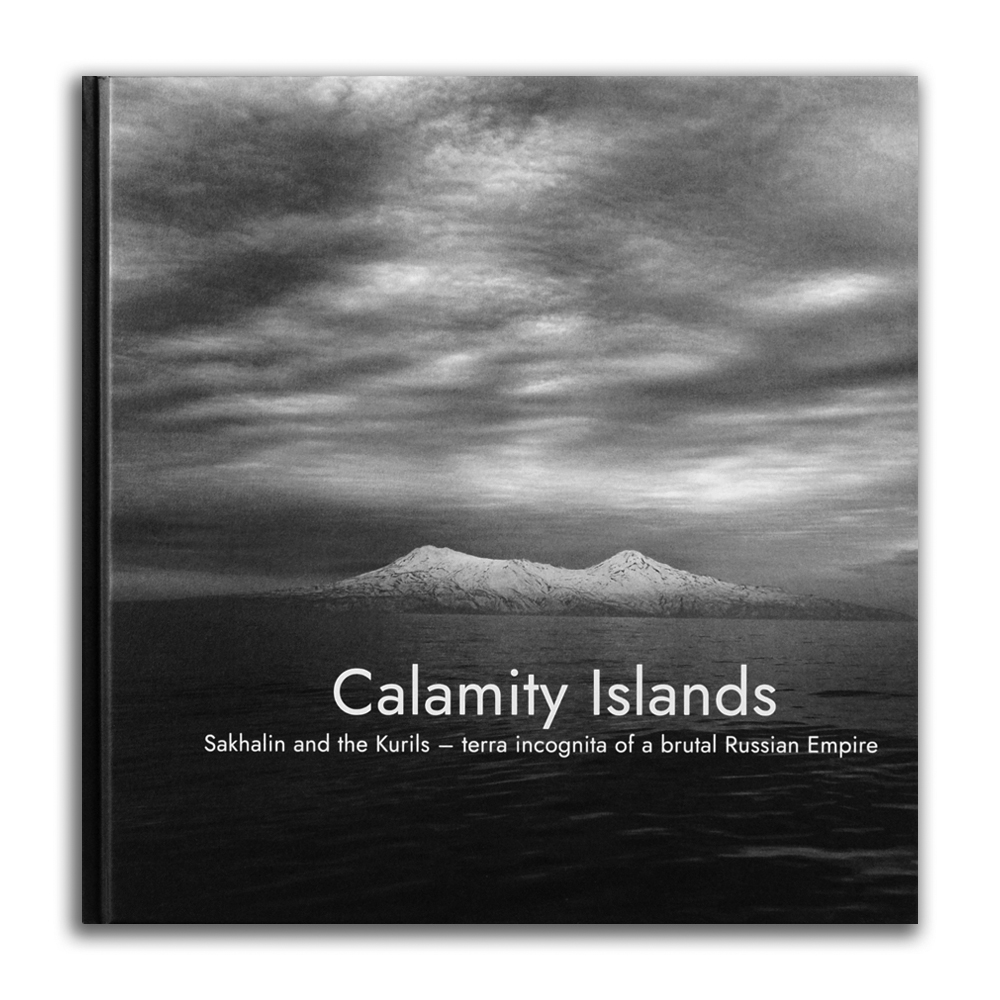
Smugglers are still in business. I was unable to bring my photobook Calamity Islands, printed in Lithuania in 2022, into the Kaliningrad region through official channels. At the Russian border, a customs officer offered a compromise: “Sign a statement saying you left important documents in Lithuania, and we’ll send you back with your cargo. Otherwise, we’ll detain you and seize your car and your books.” I signed. Back in Lithuania, I turned to smugglers. They delivered the books to Russia within twelve hours — even though the text accompanying the photographs was written in the Latin alphabet. It was no anthem to the “Beautiful Russia of the Future”, however: just photographic stories about Sakhalin and the Kurils, the unexplored territory of a brutal Russian Empire.
Across the Neman: a former suburb of Tilsit
Panemunė, the settlement visible from Sovetsk on the opposite bank of the Neman, was once called Übermemel and was a suburb of Tilsit. In 1920, under the Treaty of Versailles, it was separated from Germany along with the Klaipėda Region and placed under French administration. Following the Memel Revolt in January 1923, the region came under Lithuanian control. A Lithuanian customs office and a border police post appeared in Panemunė.
But the most curious consequences of the shifting border concerned everyday life rather than military or political affairs. Panemunė became a centre of cross-border trade and smuggling. Shops, taverns, markets and gambling establishments opened. People from Tilsit crossed Queen Louise Bridge to eat and entertain themselves more cheaply. In 1939, however, after the Nazi annexation of the Klaipėda Region, the suburb became part of Tilsit once again. “The beach has returned to its town,” German residents joked.
The wolf children of the Eastern Front
After the war ended in 1945, thousands of German children from devastated East Prussia ended up in Lithuania. They came to be known as “wolf children”, probably because they wandered through forests and nearby villages, alone or in groups, searching for food and shelter. Some died; others found refuge with Lithuanian families.
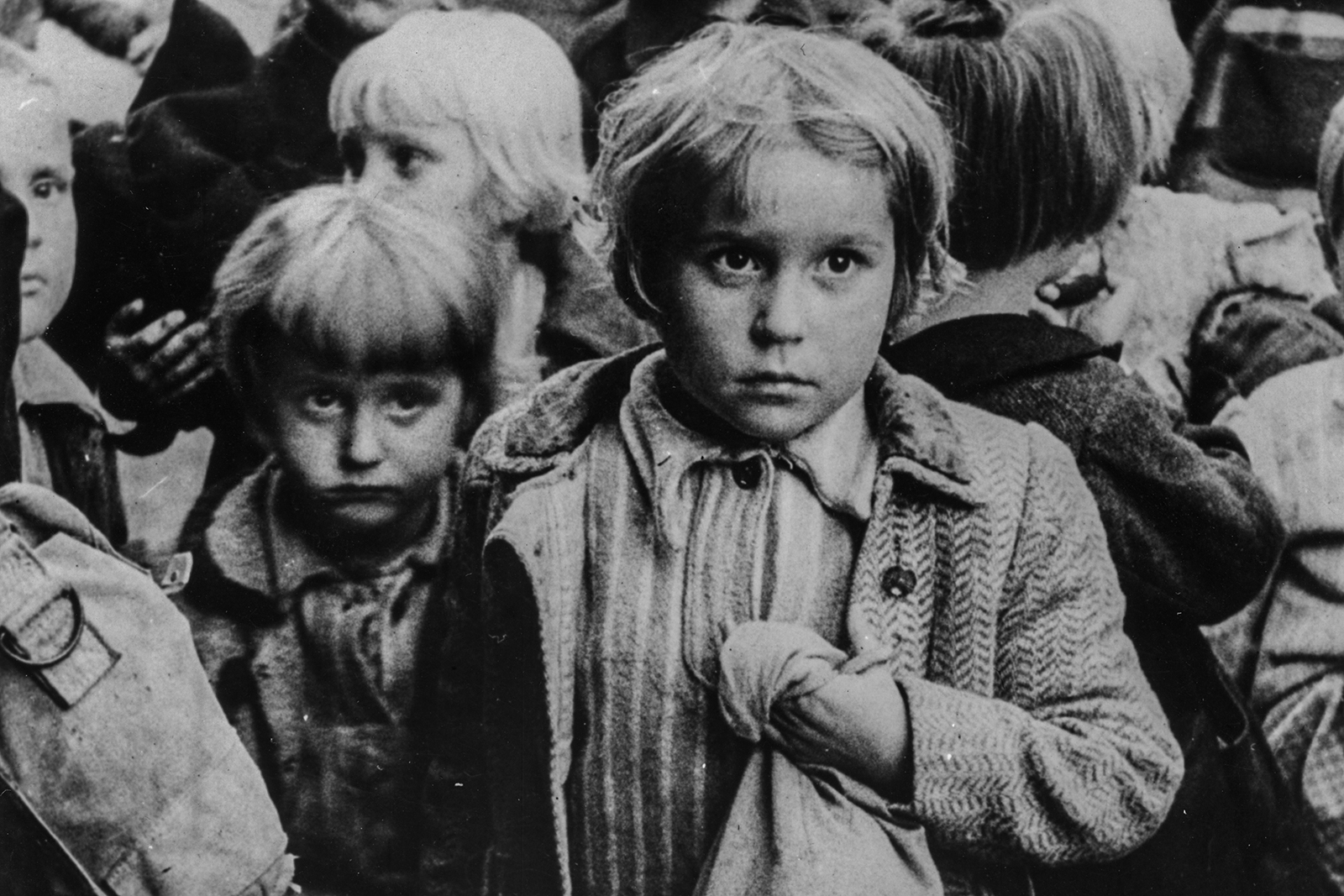
Photograph from the exhibition “Wolf Children: Along the Bread Path from East Prussia to Lithuania (1945–1948)”. © Genocide and Resistance Research Centre of Lithuania, Vilnius.
One of the main routes taken by starving East Prussian orphans in search of bread led through Sovetsk, then still Tilsit, and across the Neman into Lithuania; afterwards, they would return to the ruins of Tilsit. The lives of thousands of children intersected in and around the city. Many lost their parents here, or used Tilsit as a final meeting point before crossing the border.
Lithuania’s Museum of Occupations and Freedom Fights has an exhibition about the years 1945–1948: “Wolf Children: Along the Bread Path from East Prussia to Lithuania”. Even eighty-one years later, it is impossible to look at it, to read the stories and interviews with surviving wolf children, without shuddering at the full horror of what war does to innocent children.
Ursula Haak was born in 1935 in Birjohlen, near Tilsit. After Soviet soldiers killed her mother, ten-year-old Ursula was left alone with her two younger brothers. A local German farmer told her: “Go to Lithuania. They will help you there.”
To cross the border, the children went to Tilsit railway station. Her younger brother Horst was so weak from starvation that he could no longer walk. The exhausted children had to leave him temporarily in a town park in Tilsit, hoping to return for him once they had found food in Lithuania. But when Ursula came back, the boy was no longer there. His fate remains unknown. Ursula herself survived in Lithuania. [ Full story in German.]
Ella Karin Macik was born in the village of Skarszinnen (Richtenberg), East Prussia. In January 1945, as the Red Army approached the village, her mother Emma tried to take her two children to safety, but amid the chaos and bitter cold they found themselves trapped by the encirclement.
Trying to survive, the family reached Tilsit on foot and sheltered in the former customs building beside the Neman. There, tragedy struck: their mother went out to fetch water, was seized by Soviet soldiers and never returned. Two-year-old Karin and her older brother Siegfried were left completely alone.
Together with other orphans, the starving children crossed the Neman into Lithuania. Karin was taken in by a Lithuanian farming family, Jonas and Rasa Drasutaitis, in the village of Vidgiriai. To protect her from the Soviet authorities, they concealed her German origins and gave her a new name.
In 1964, Ella Karin married a Lithuanian man, Jonas Matimaitis. They had two children. She spent the rest of her life in Lithuania, working and keeping her past hidden until the collapse of the USSR. Full story in Lithuanian.
John Kay, the frontman of Steppenwolf writes in his foreword to The Wolf Children of the Eastern Front: Alone and Forgottenthat he was born in Tilsit in 1944. He describes a terrible paradox in his family’s history: his father’s death may have saved his own life and his mother’s. His father was killed at the front a month before he was born. As a war widow, his mother was able to take her baby by train to his paternal grandmother. They thus escaped the flight from East Prussia that still lay ahead for thousands of other families.
Kay does not claim to have been one of the wolf children. On the contrary, he writes about how different his fate might have been had they stayed in Tilsit.
Wolf Children Memorial stands just five kilometres north of Sovetsk, on the Lithuanian side of the border. It was unveiled in 1992 at the initiative of the German mutual aid society Edelweiß-Wolfskinder. The memorial consists of a commemorative cross and inscribed stones recalling the thousands of East Prussian orphans and residents who died of hunger and cold in 1944–1947.
In Soviet Sovetsk, after eighty years of the city’s history, there is not even an official acknowledgement of this, let alone a monument or memorial. Perhaps, had we known more about the wolf children, we might have prevented at least some of the tragedies children are experiencing today in Russia’s war with Ukraine.
A German cemetery survived thanks to Russian graves
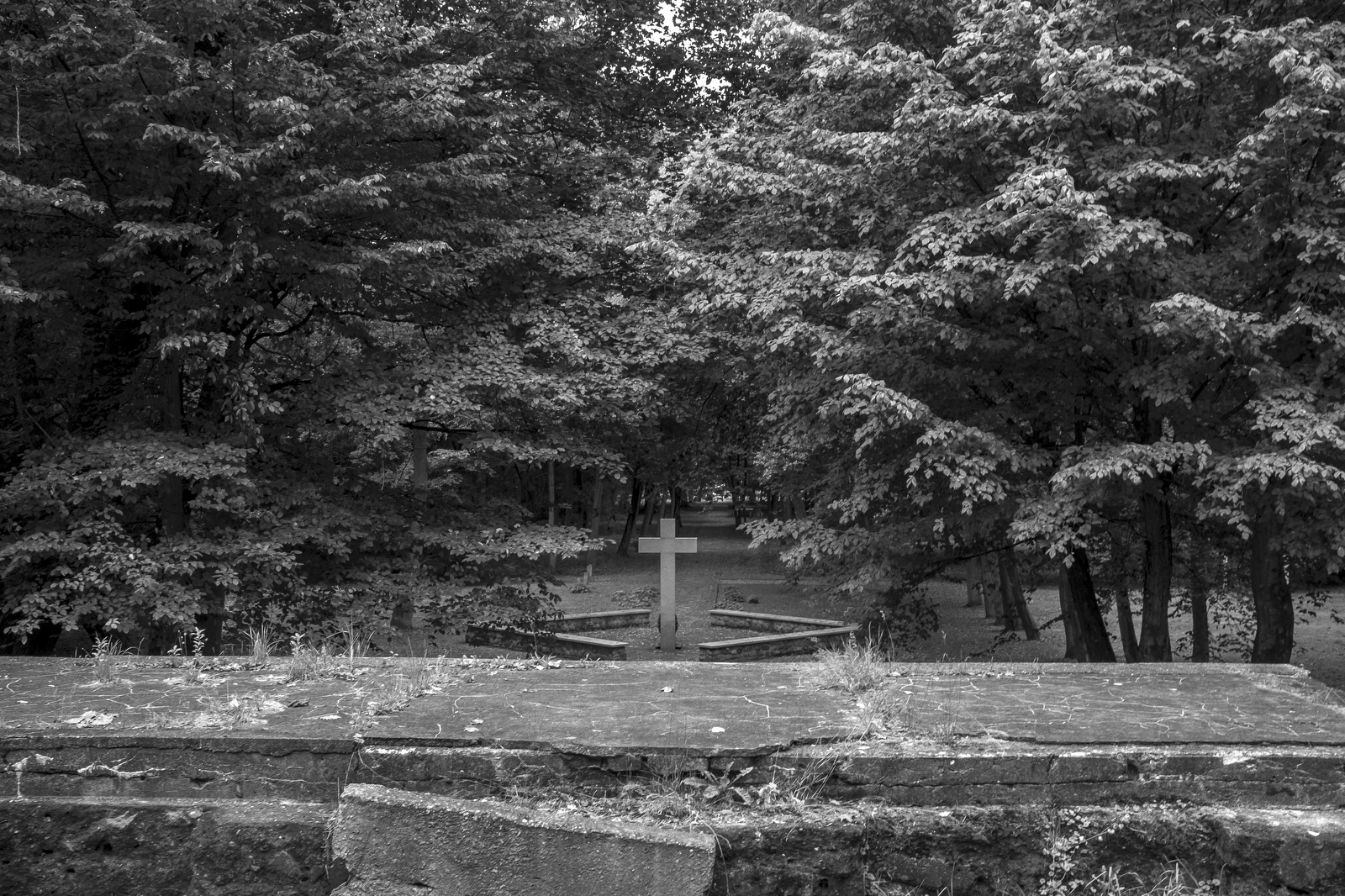
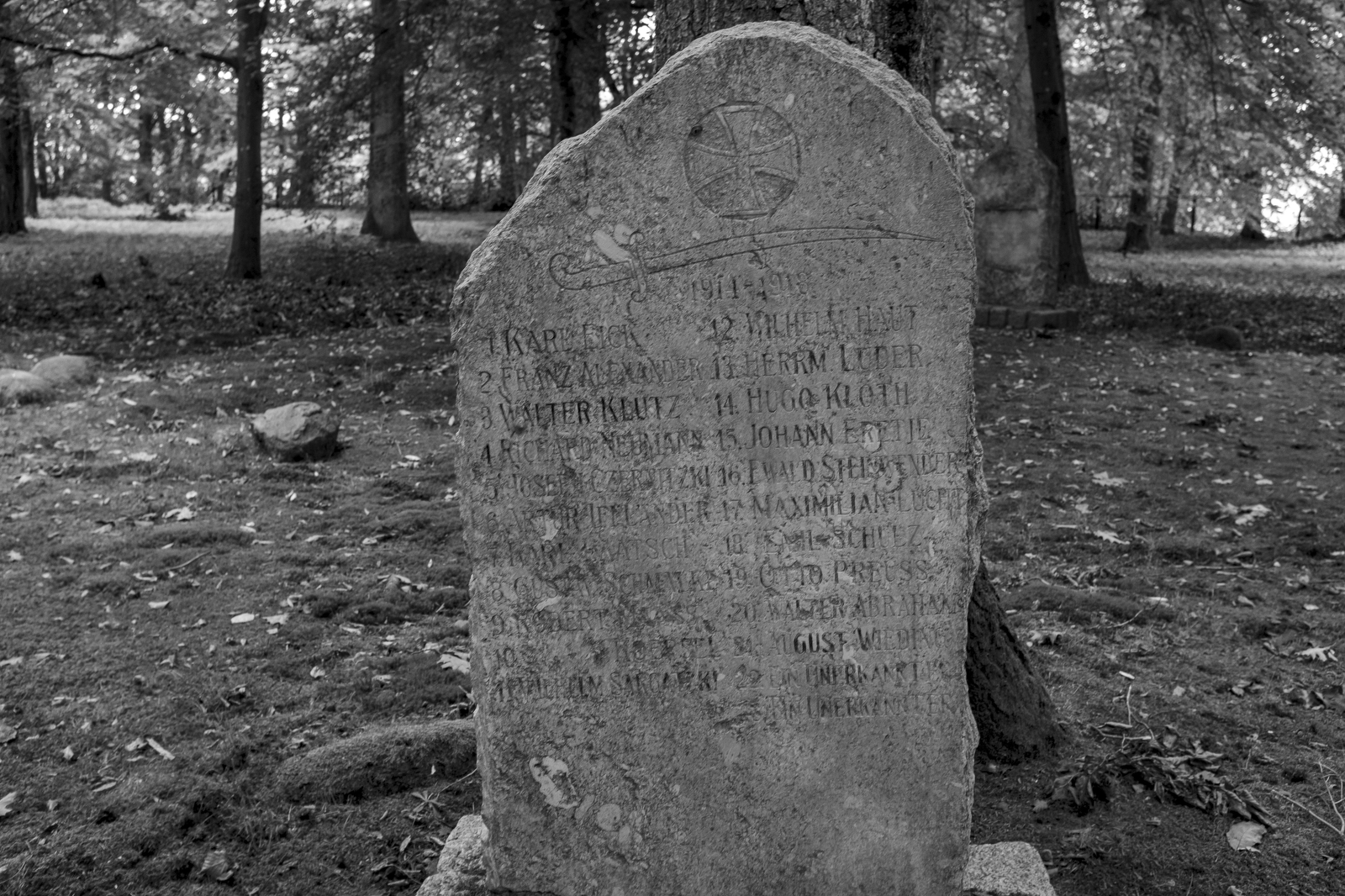
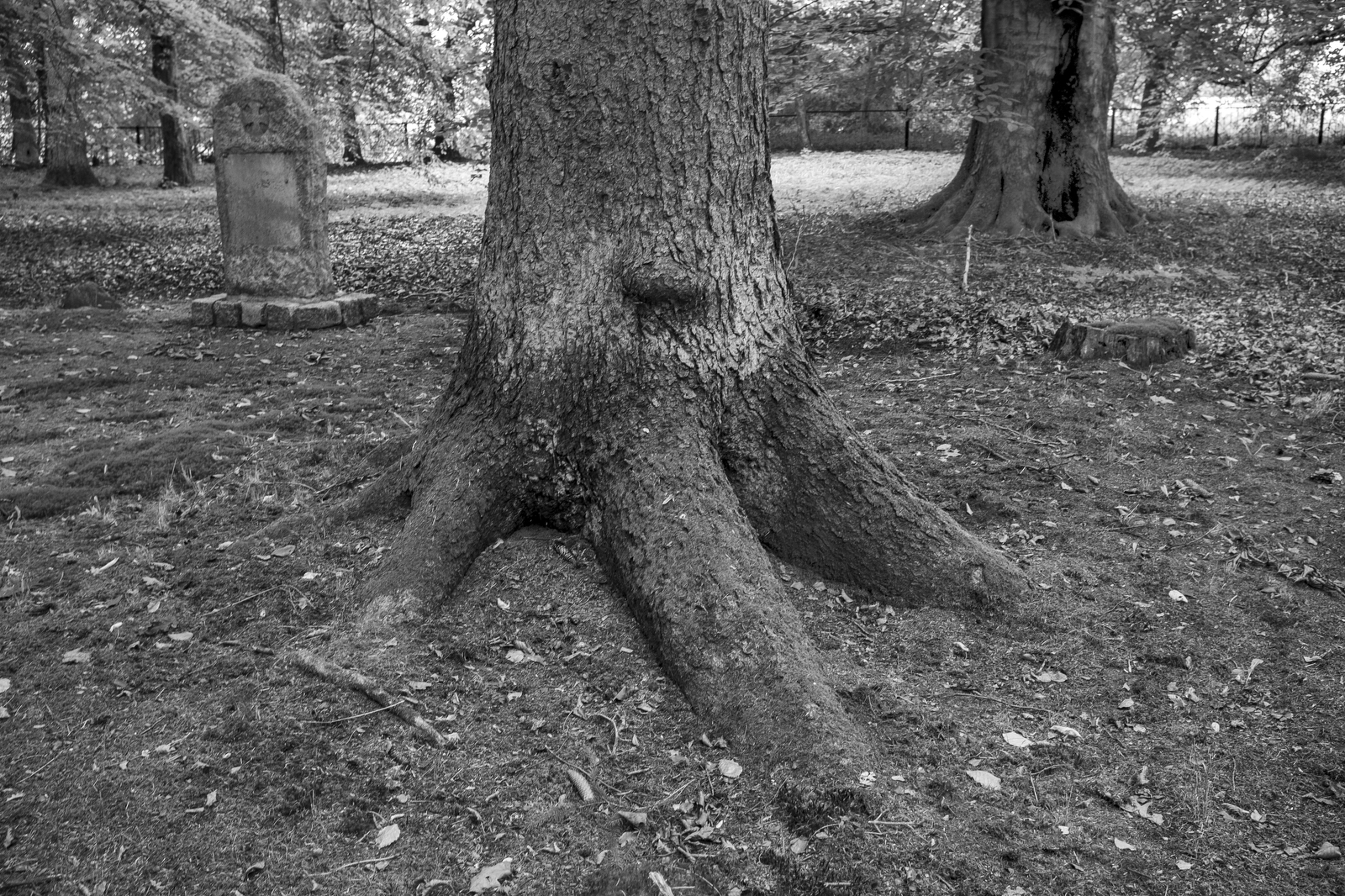
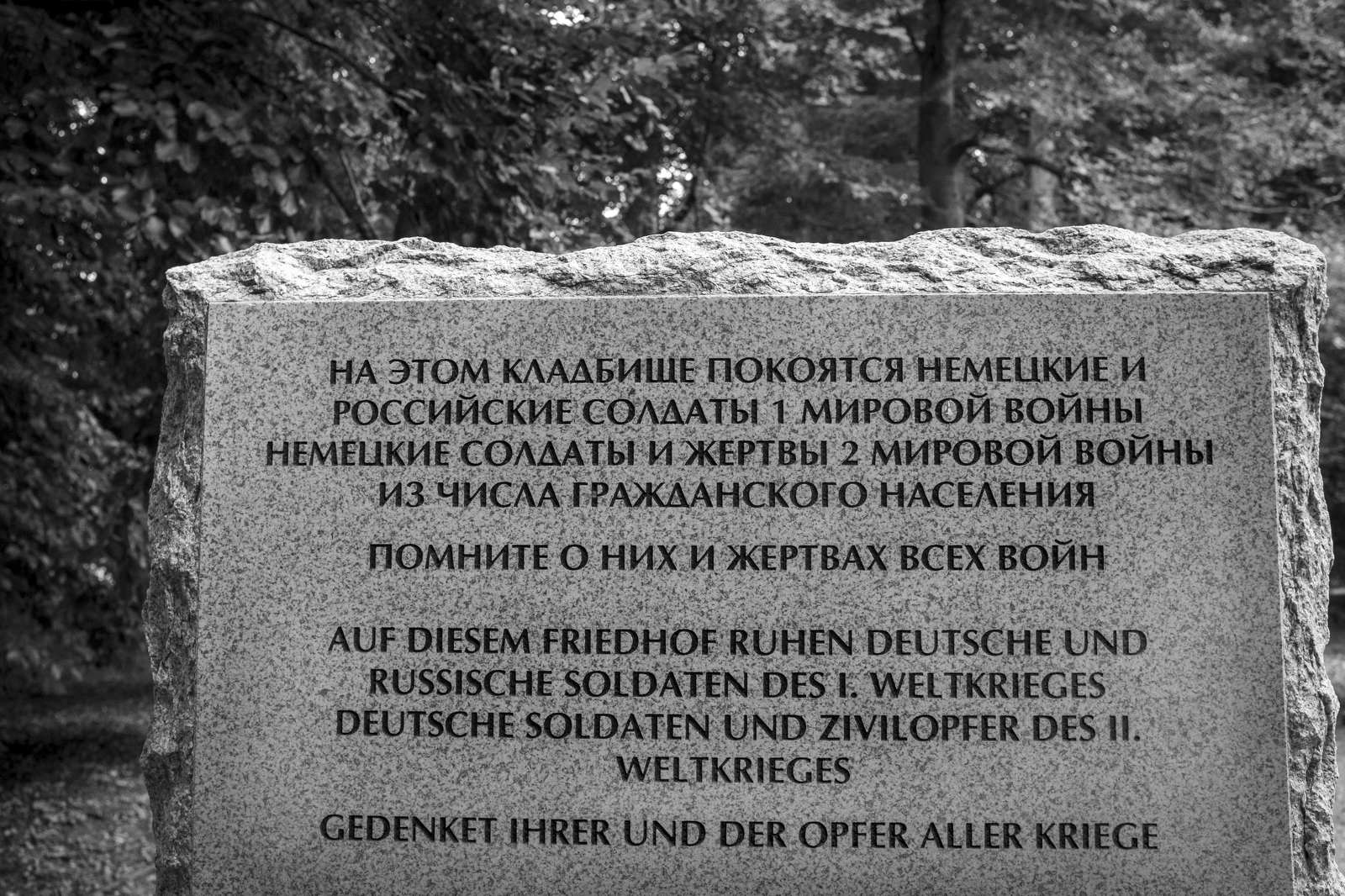
Tilsit’s Forest Cemetery opened in 1909 as a municipal cemetery with a park-like layout, where ordinary residents were buried. After the First World War, German and Russian soldiers were also buried there. History published by the Tilsit expatriate community.
The presence of Russian graves from the First World War helped preserve the site after the Second. The German burial plots, meanwhile, were levelled in 1945. Today, the German War Graves Commission, Volksbund, describes surviving family gravestones dating from 1909 to 1944, military burial plots and the graves of civilian victims.
Now “our beach” is abroad
Asked, “What from your childhood is now abroad?”, a former Soviet citizen recalled the beach on the Lithuanian bank, romantic trips aboard a Raketa hydrofoil, and shopping for groceries in what was then Soviet Lithuania: “We used to walk across Louise Bridge to the beach. That was where we spent our childhood.”
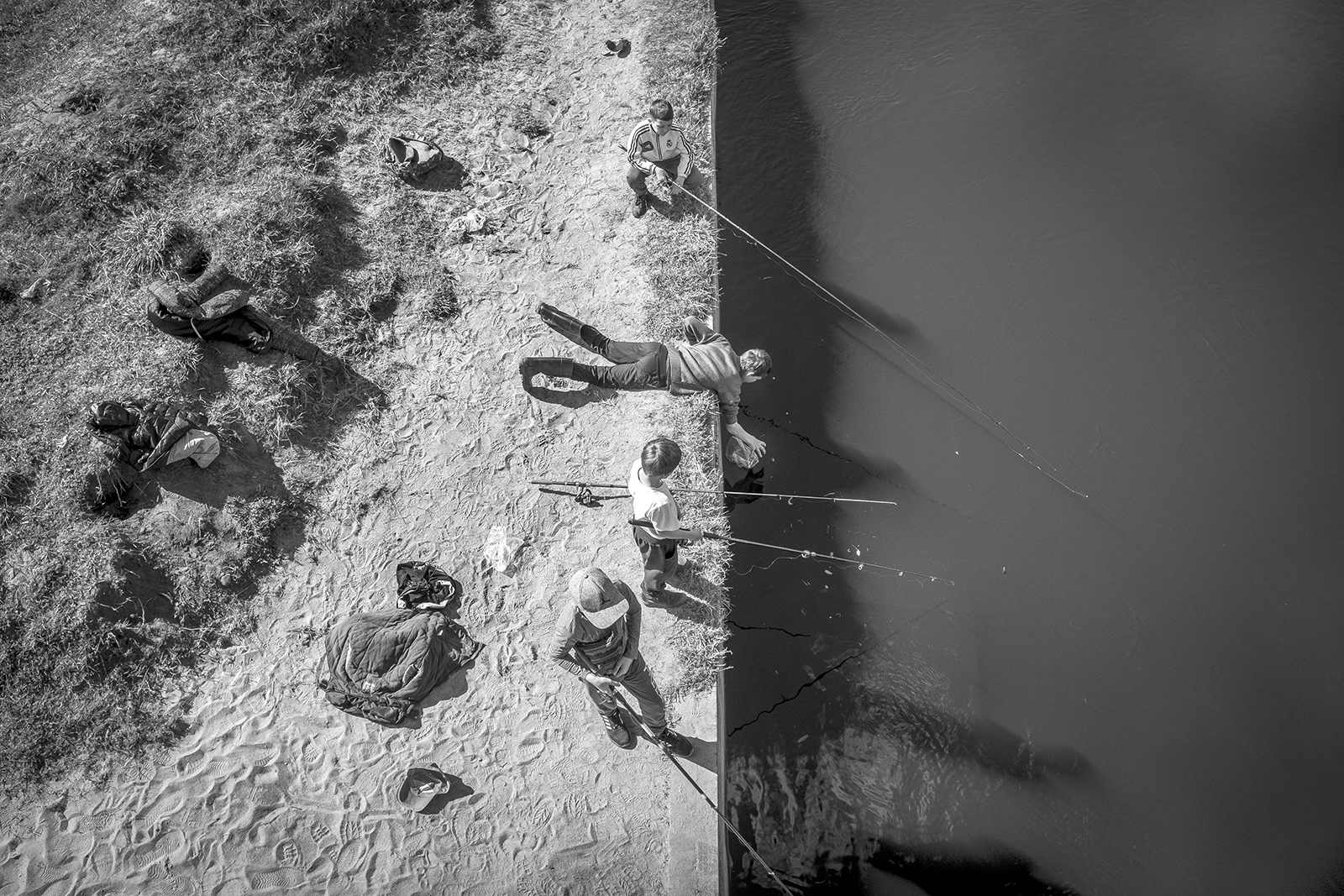
From the turbulent 1990s come stories of how Queen Louise Bridge acquired the name “Sugar Bridge”, or simply “the sweetest bridge”. Sugar in the new Russia was much cheaper than in newly independent Lithuania. Local people carried it, practically by the sackful, to Tilsit’s former suburb across the river and sold it there at a profit. Then came cigarettes, smuggled along the river itself, and, of course, petrol — now in short supply in Sovetsk too, although nobody brings it over from Lithuania.
On my latest visit, I was surprised to learn that pleasure trips along the border river Neman had been allowed again this summer. Not aboard a Raketa — the hydrofoil whose name means “rocket” — of course, and obviously not by drone, but on a small sightseeing boat, for just a thousand roubles. You need to carry a Russian passport and a permit to enter the border zone. In the end, nobody asks to see the permit: it is issued by the FSB, and everyone is afraid to approach them.
A woman who lived in Sovetsk in Soviet times, with decidedly anti-Soviet views, remembers believers travelling to Lithuania to have their children secretly baptised. For a long time, there were no functioning Orthodox churches in the Kaliningrad region. Today, there are more of them than supermarkets in the city, thanks to the state’s transfer of all the former German churches to the ownership of the Moscow Patriarchate.
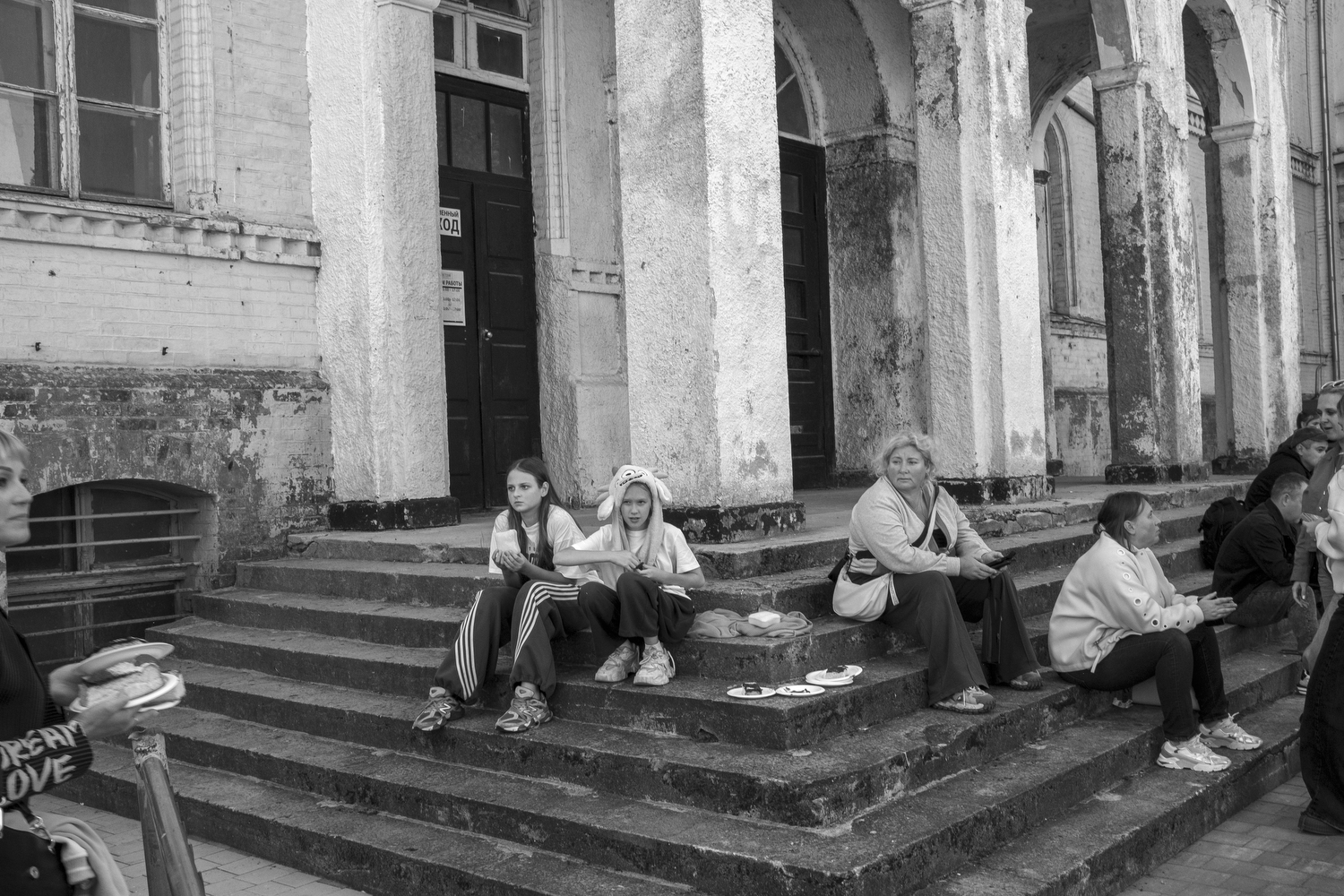
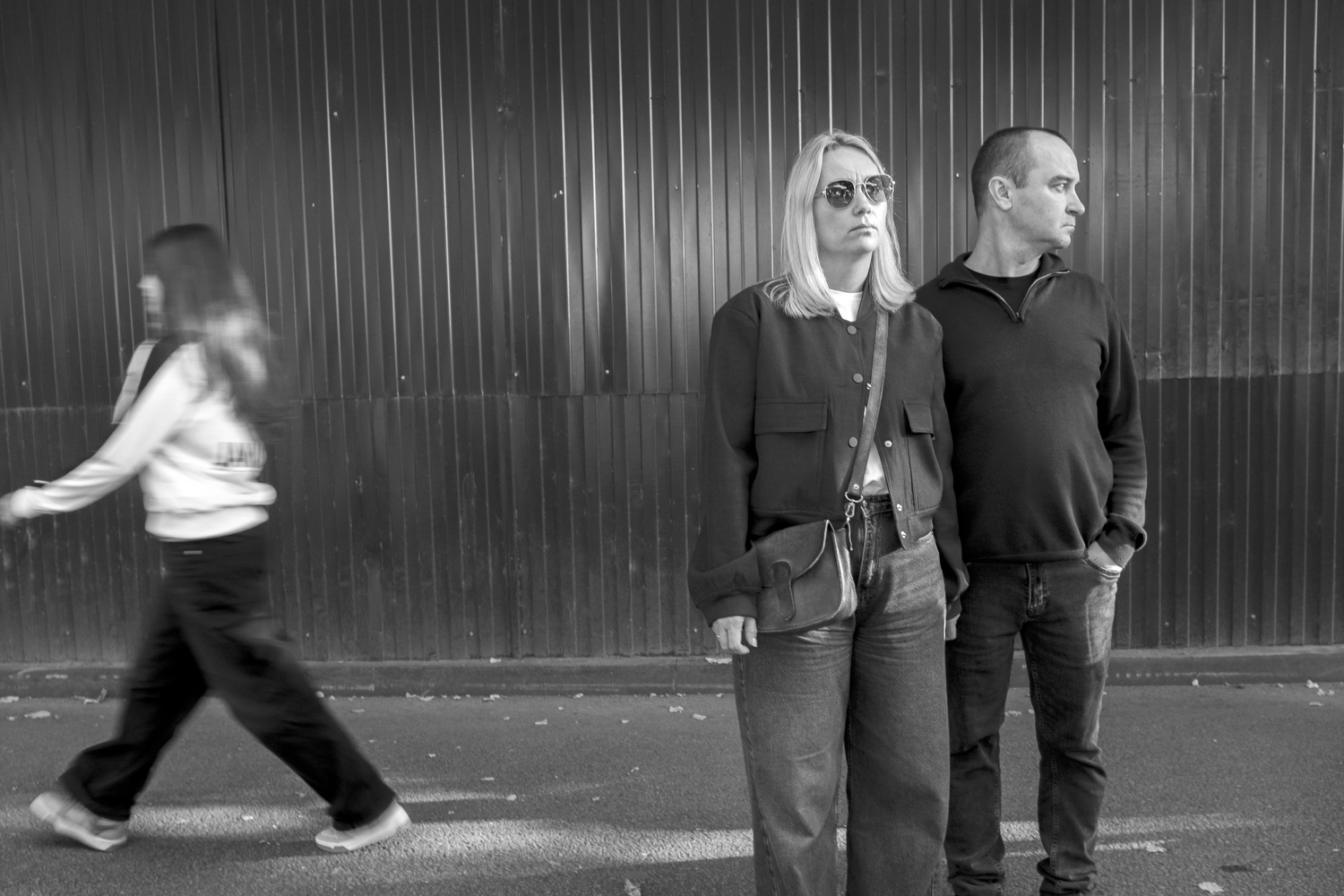
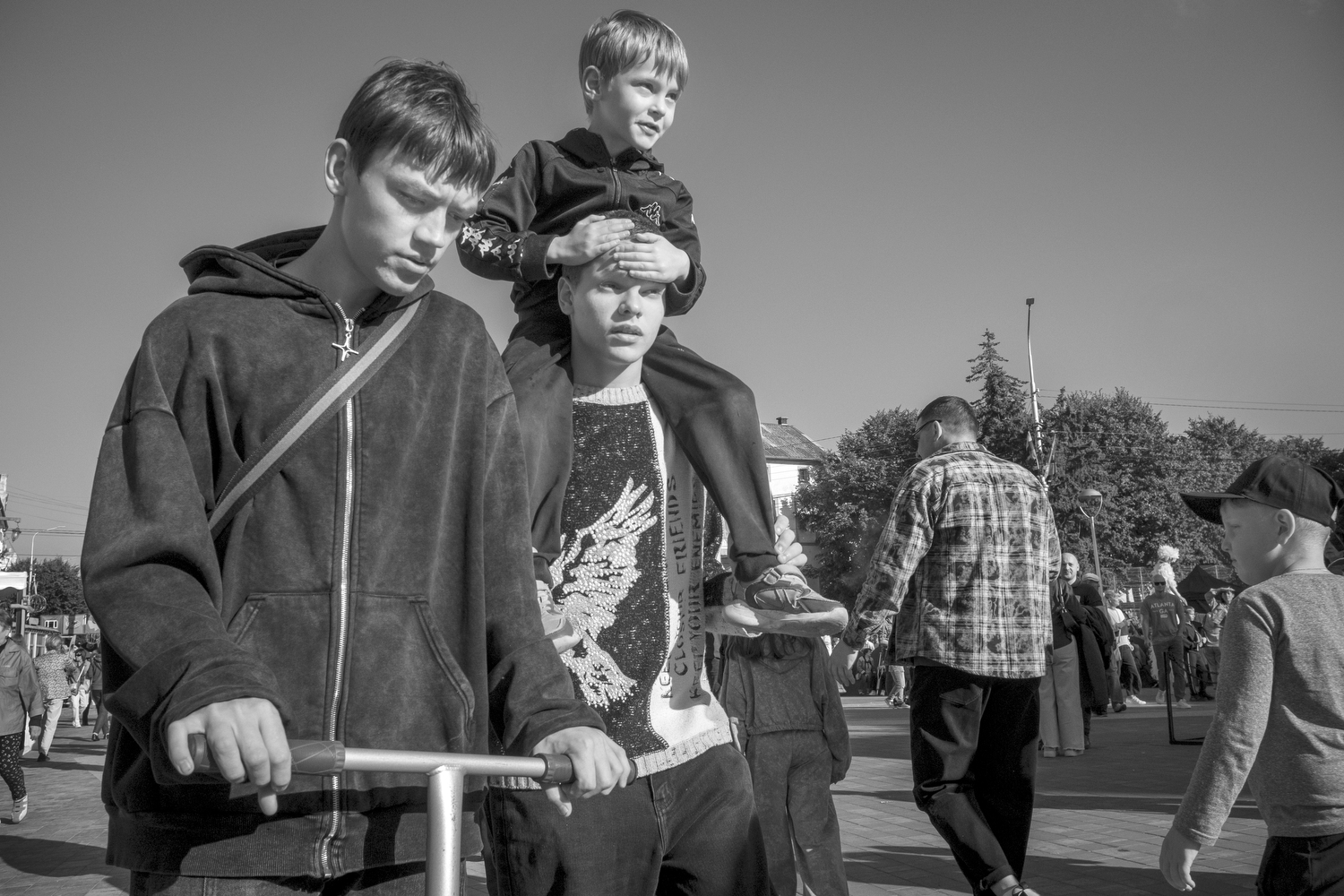
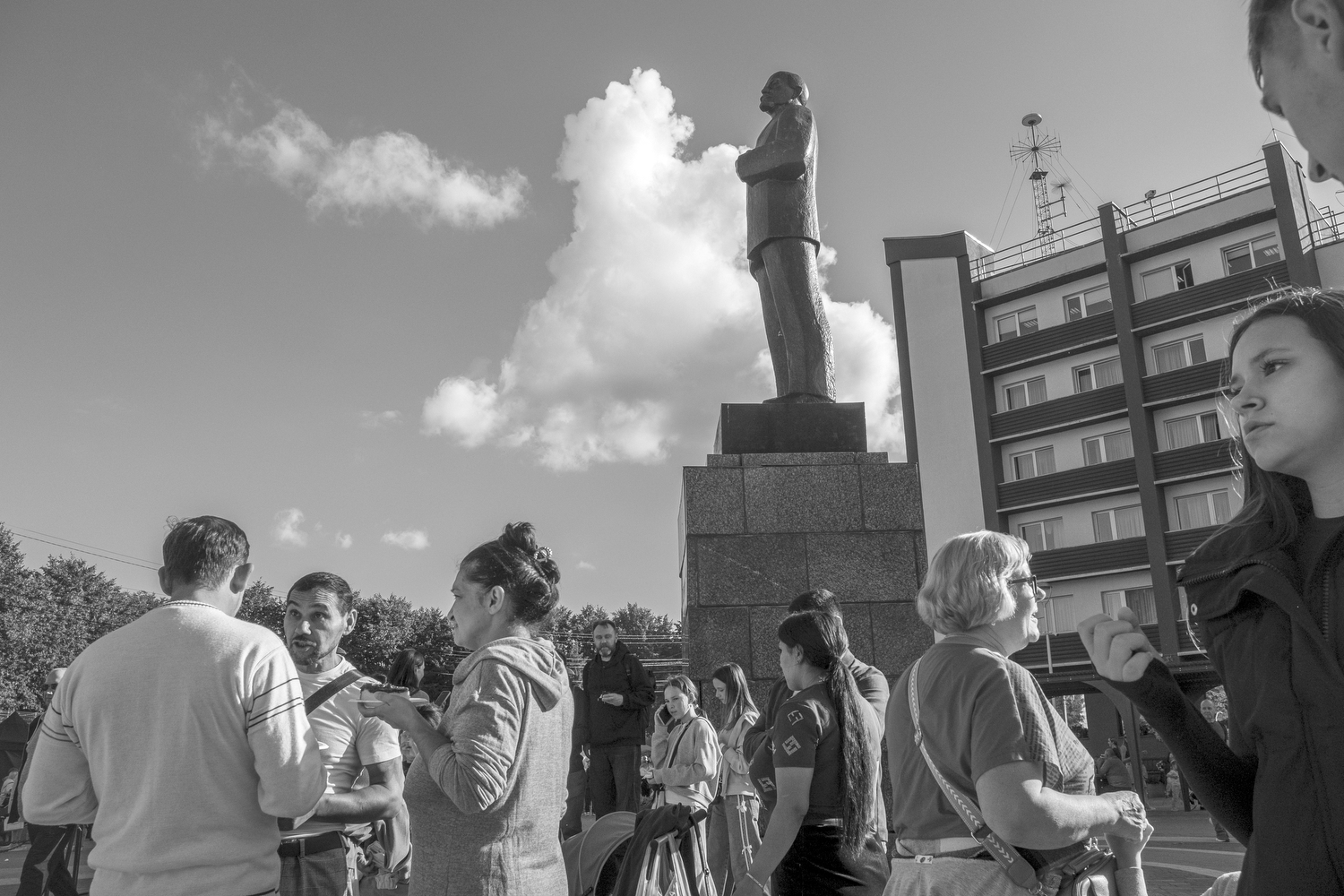
Moving around the city, entering shops and government offices, returning to their old homes, the people of Sovetsk find themselves, every day, both residents of Sovetsk and inhabitants of the Tilsit that has survived. You do not need to know who lived in a German house before you, or what happened to them, in order to live there yourself. The past is physically present, yet may go unnoticed in the present. Sovetsk and Tilsit then exist like parallel lines on a Euclidean plane. But notice a faded German inscription on a façade, look closely at an old photograph, or learn the story of the people who once lived there, and the city’s memory moves into Riemannian space, where parallel lines come together and find points of intersection. This requires a different way of seeing: attention to detail and a desire to understand what lies behind it. Then you begin to see not only the boundary between two cities, but also the life that continues.
Oleg Klimov, freelance photographer. Sovetsk–Tilsit, September 2026.
Available for Editorial Assignments
Photographer's Diary
Subscribe
Share the story — make the world freer: