
Russia’s Golden Ring
Excursions in the interior of Russia
by Oleg Klimov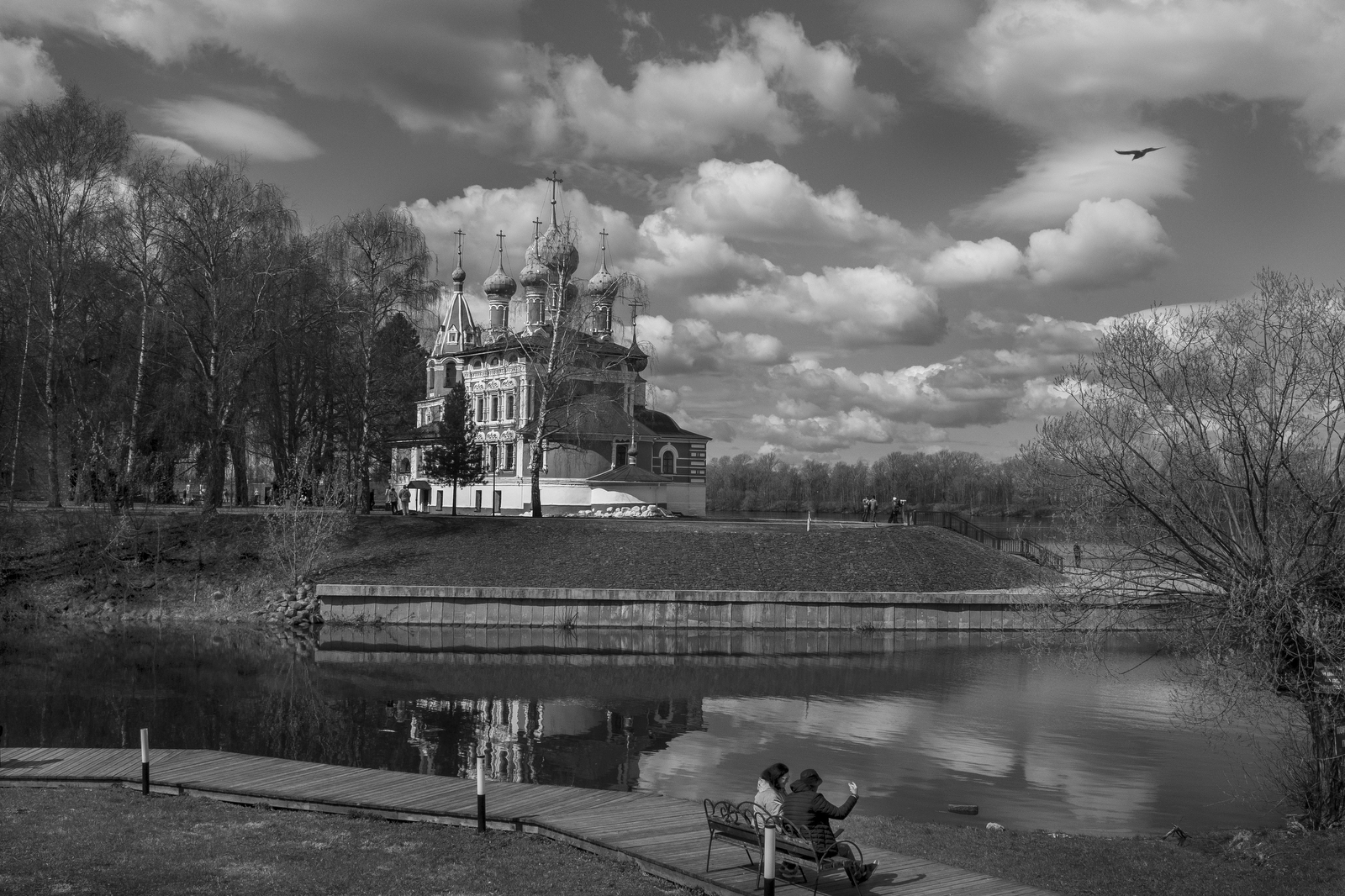
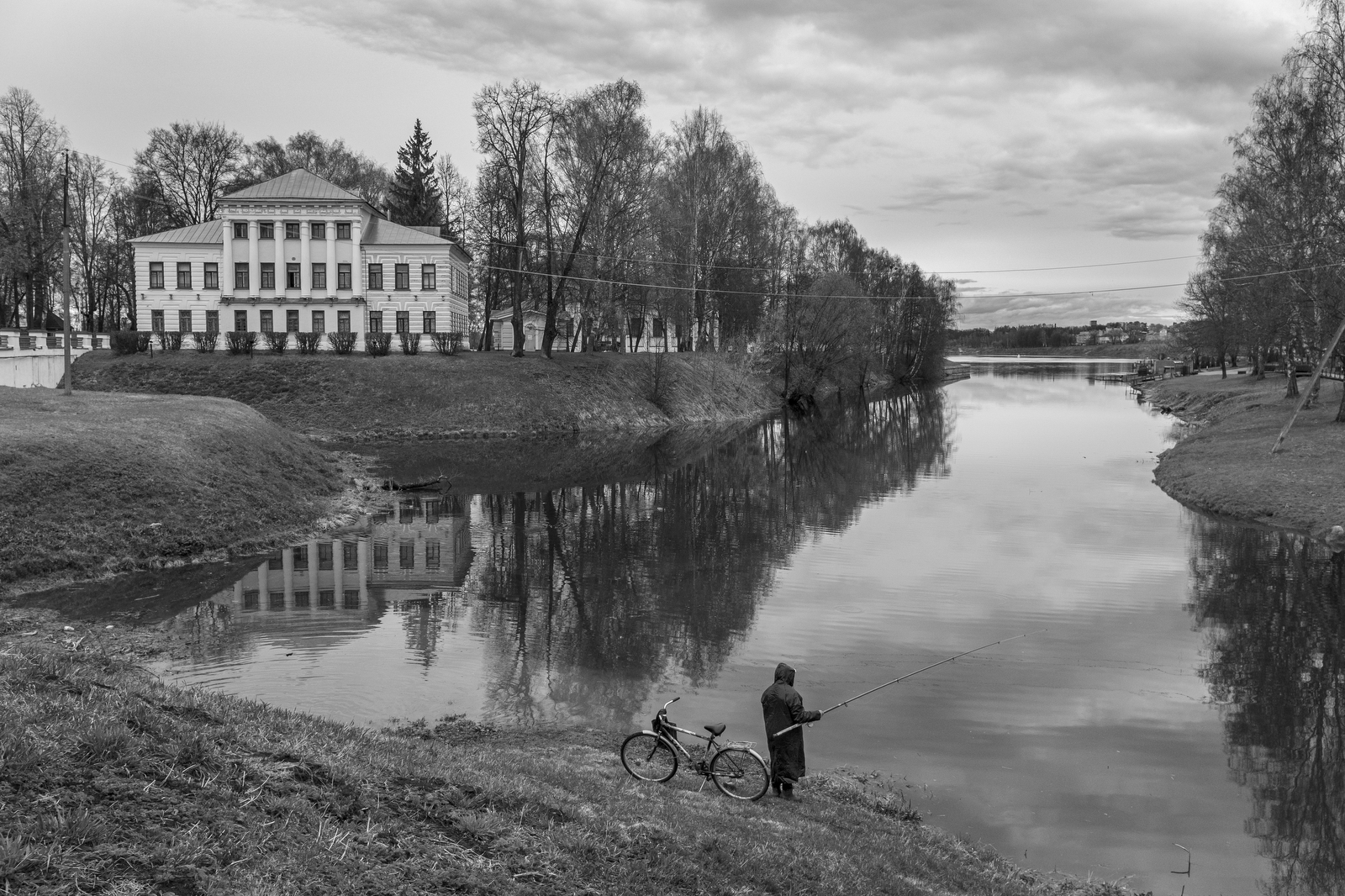
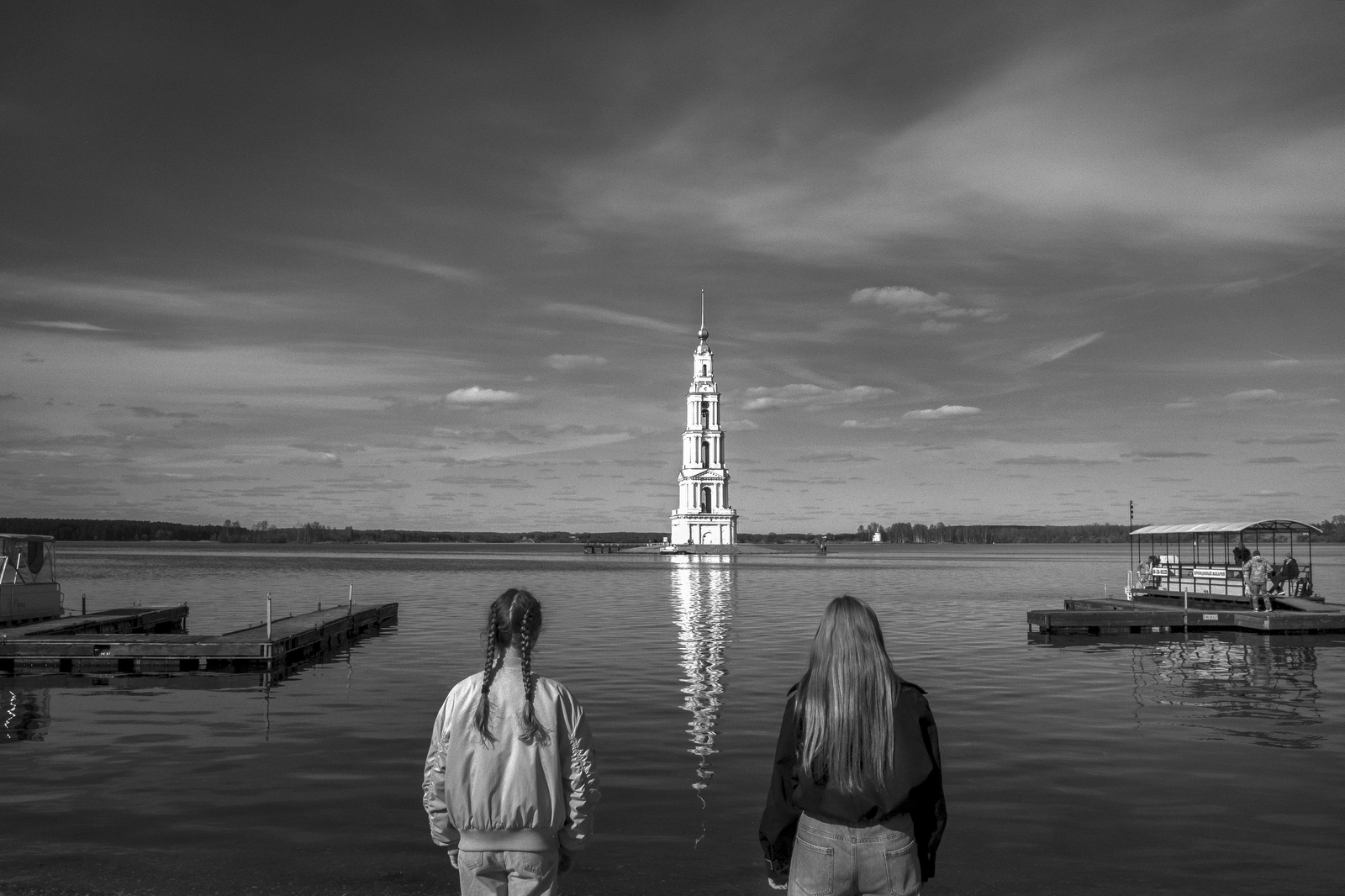
Russia’s story doesn’t begin in the Kremlin, nor on the front line in Donbas. It begins with the Volga. The Volga is not a landscape or a postcard symbol, but a long historical axis—along it Russia traded, expanded, fought, assimilated, built, destroyed, and passed its myths from one generation to the next.
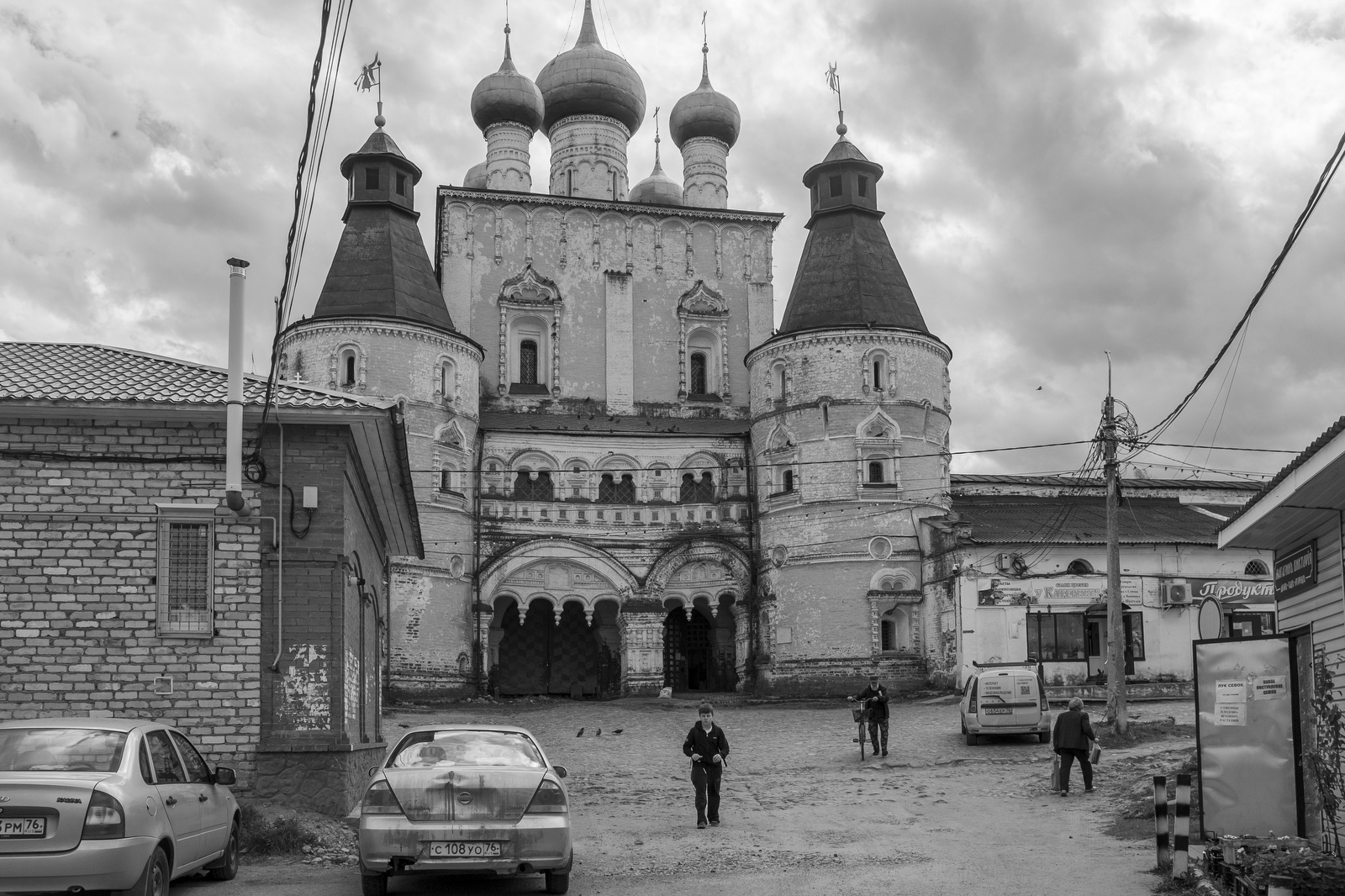
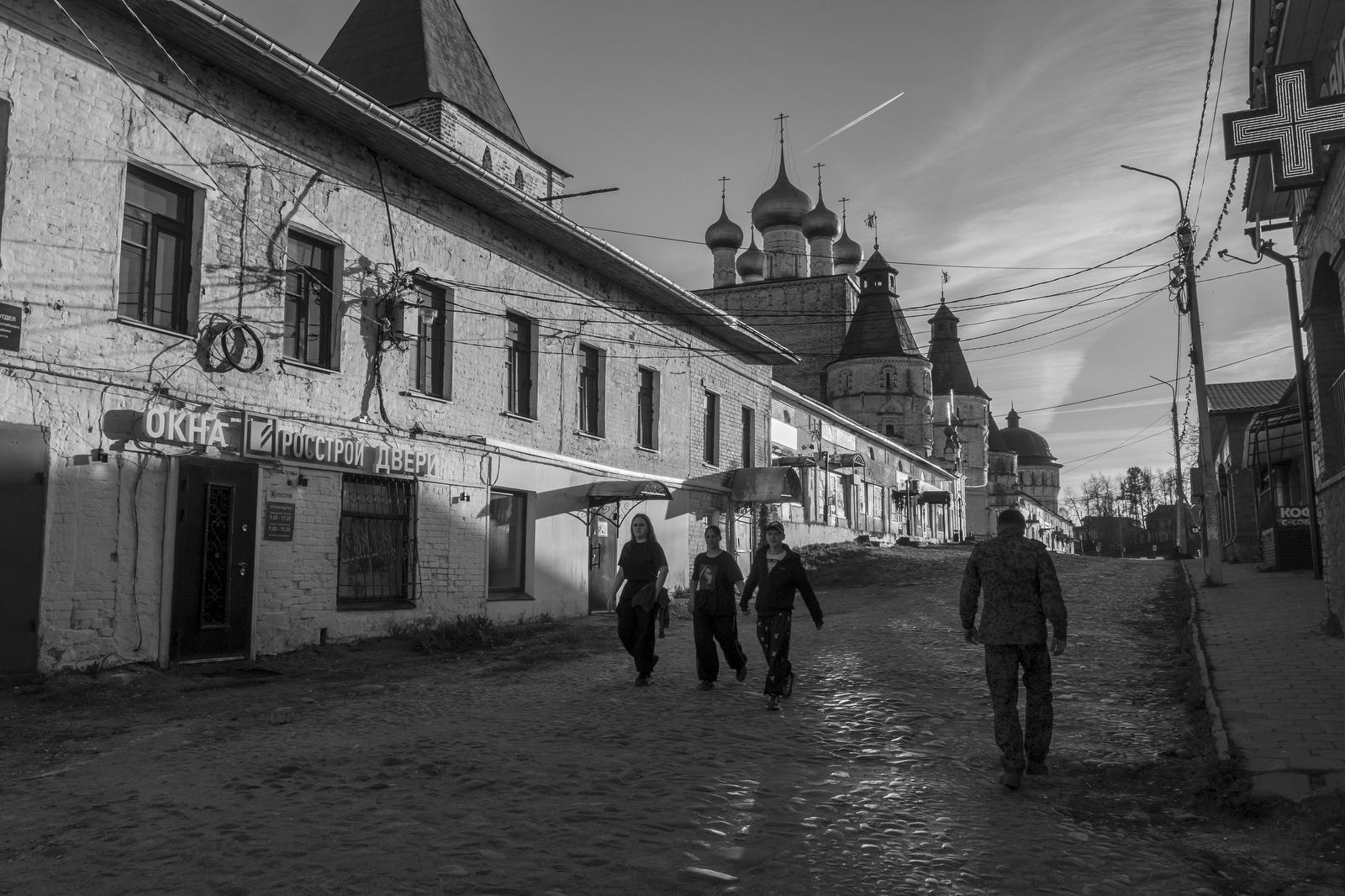
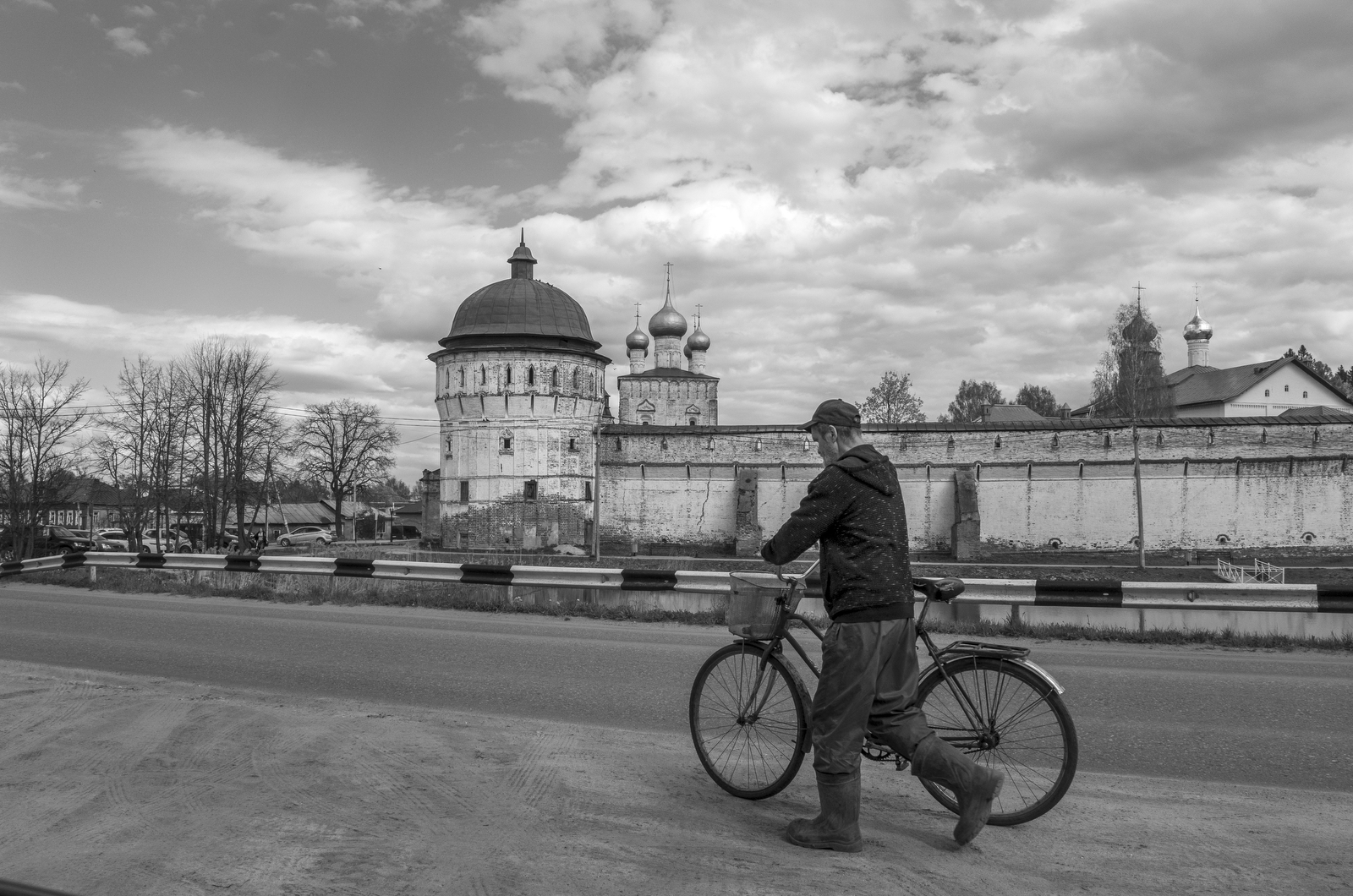
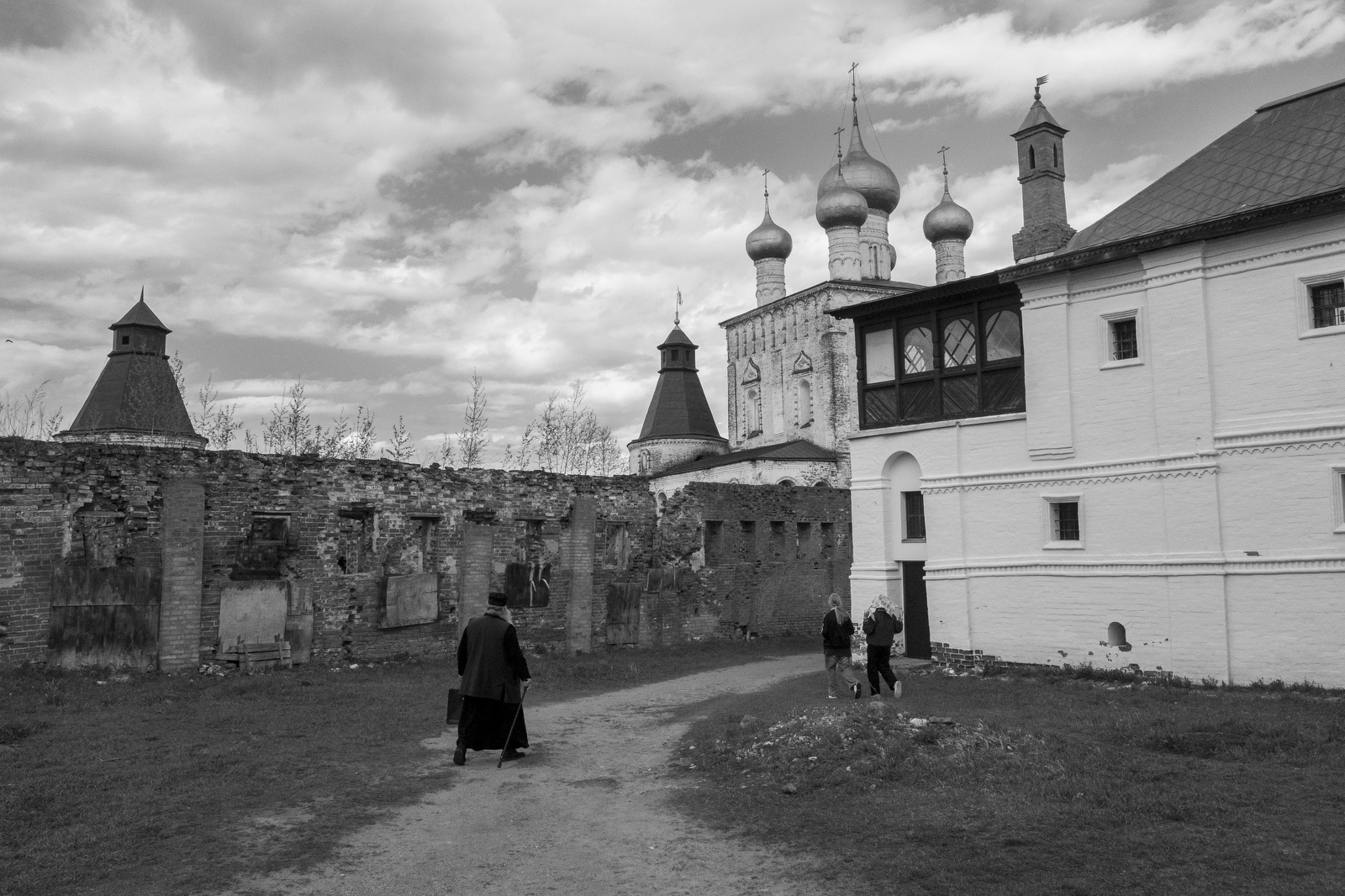
The Golden Ring is often presented as Russia’s beautiful past. But I came here looking for something else: the present—ordinary faces, small towns and villages, work and unemployment, boredom, patience, and the slow fading of the Russian provinces as people move to bigger cities. The same streets that hold centuries of history also carry grocery bags, school backpacks, and the silence of provincial mornings. These photographs are my excursions into that inner world.
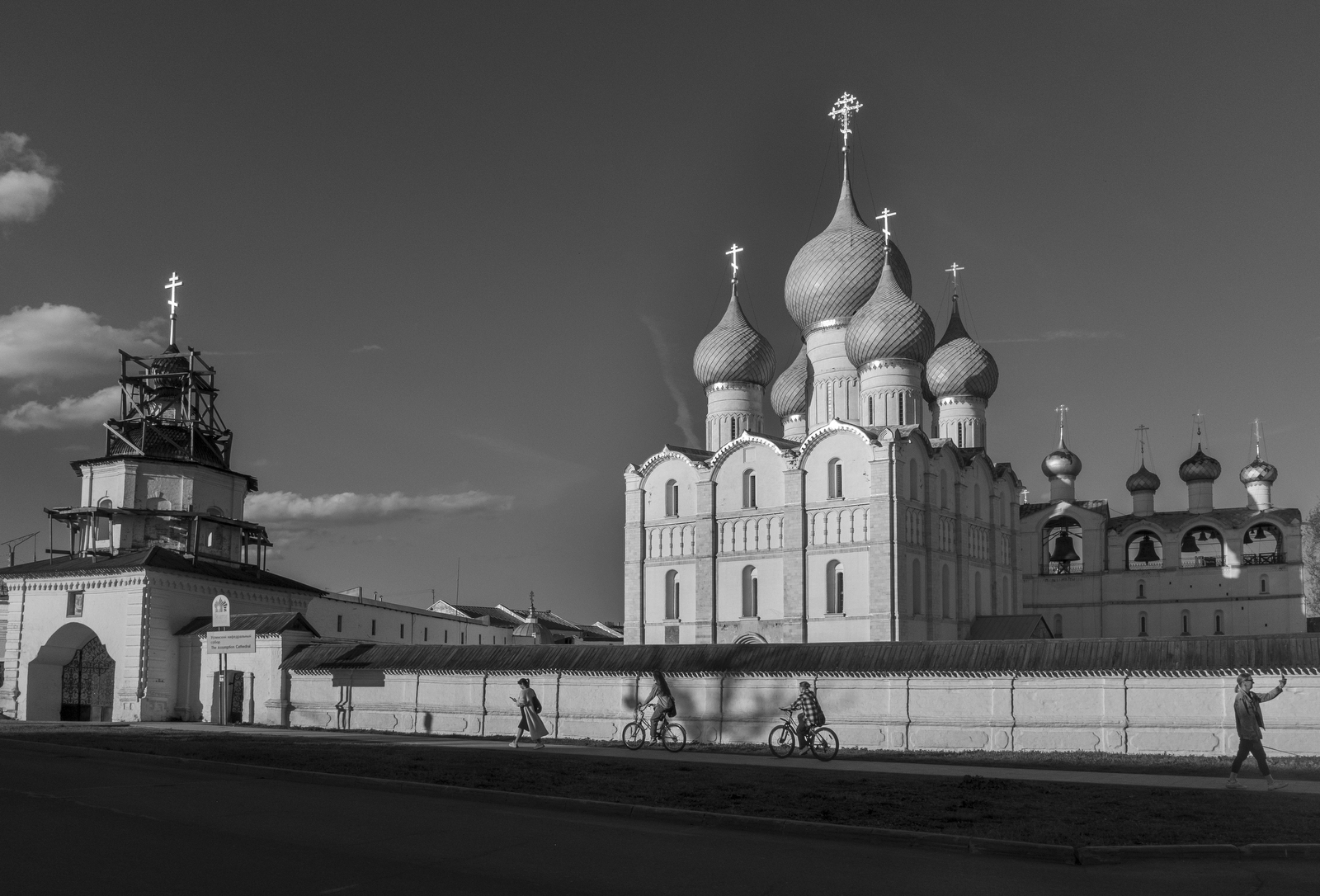
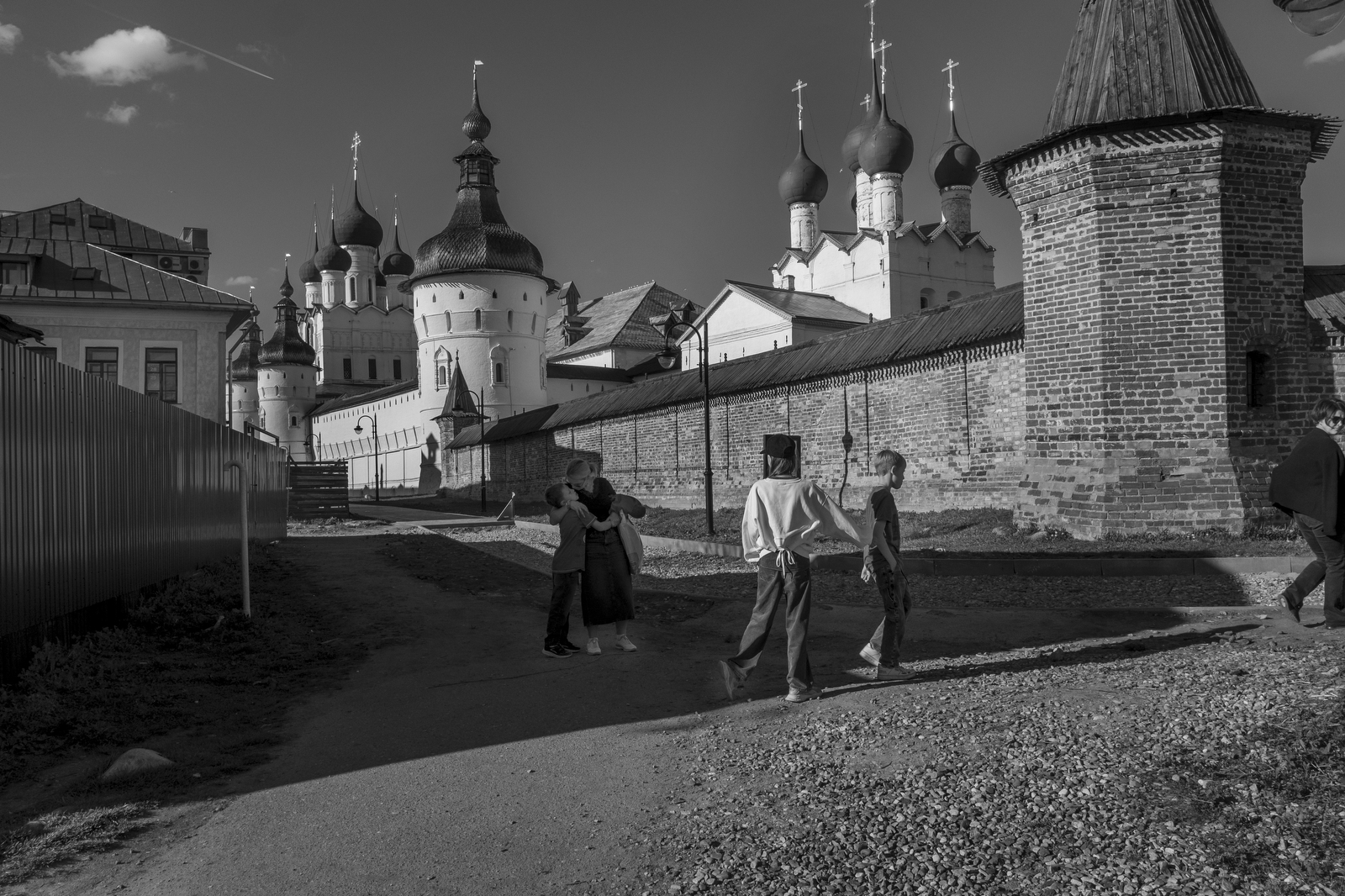
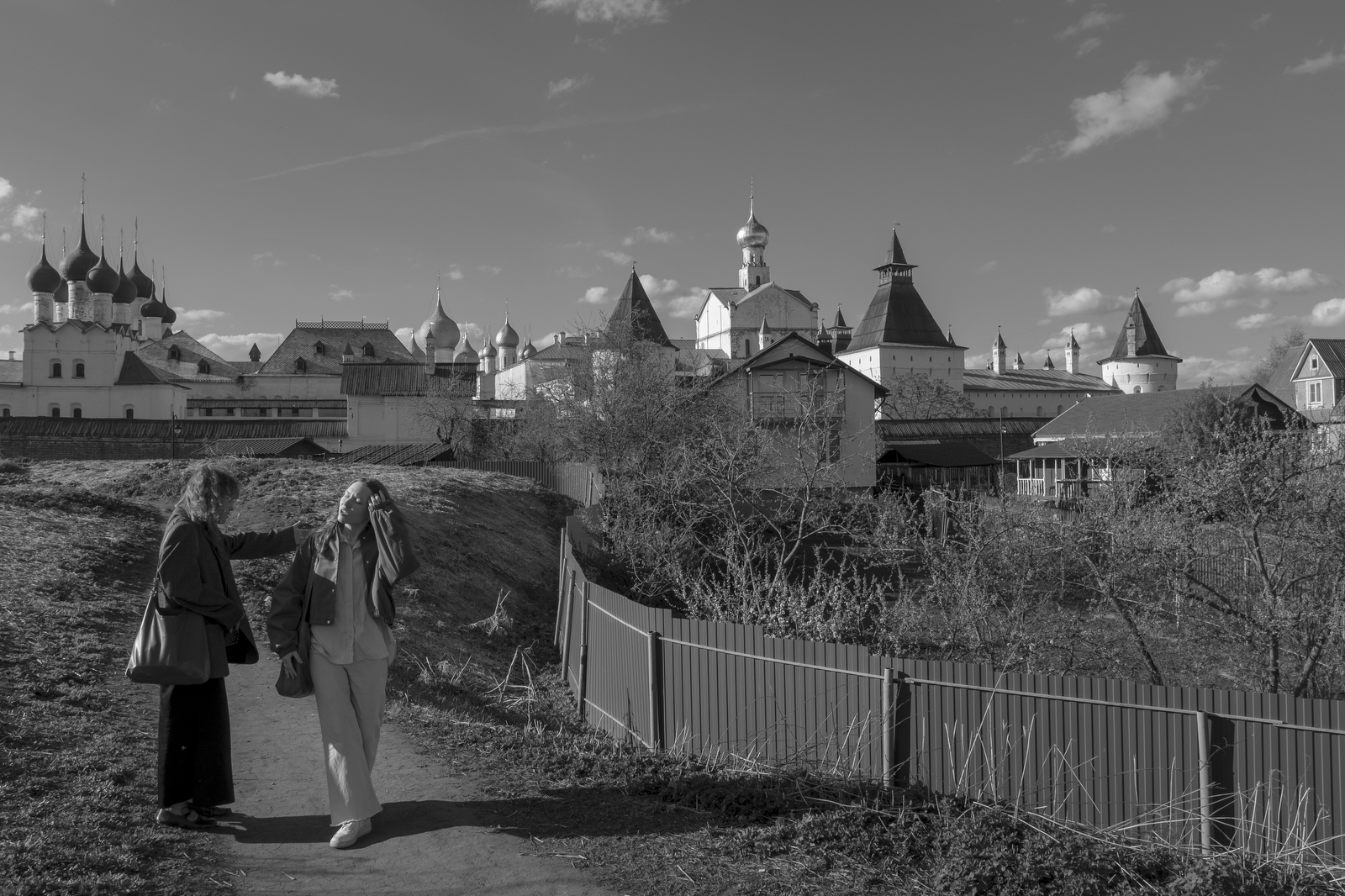
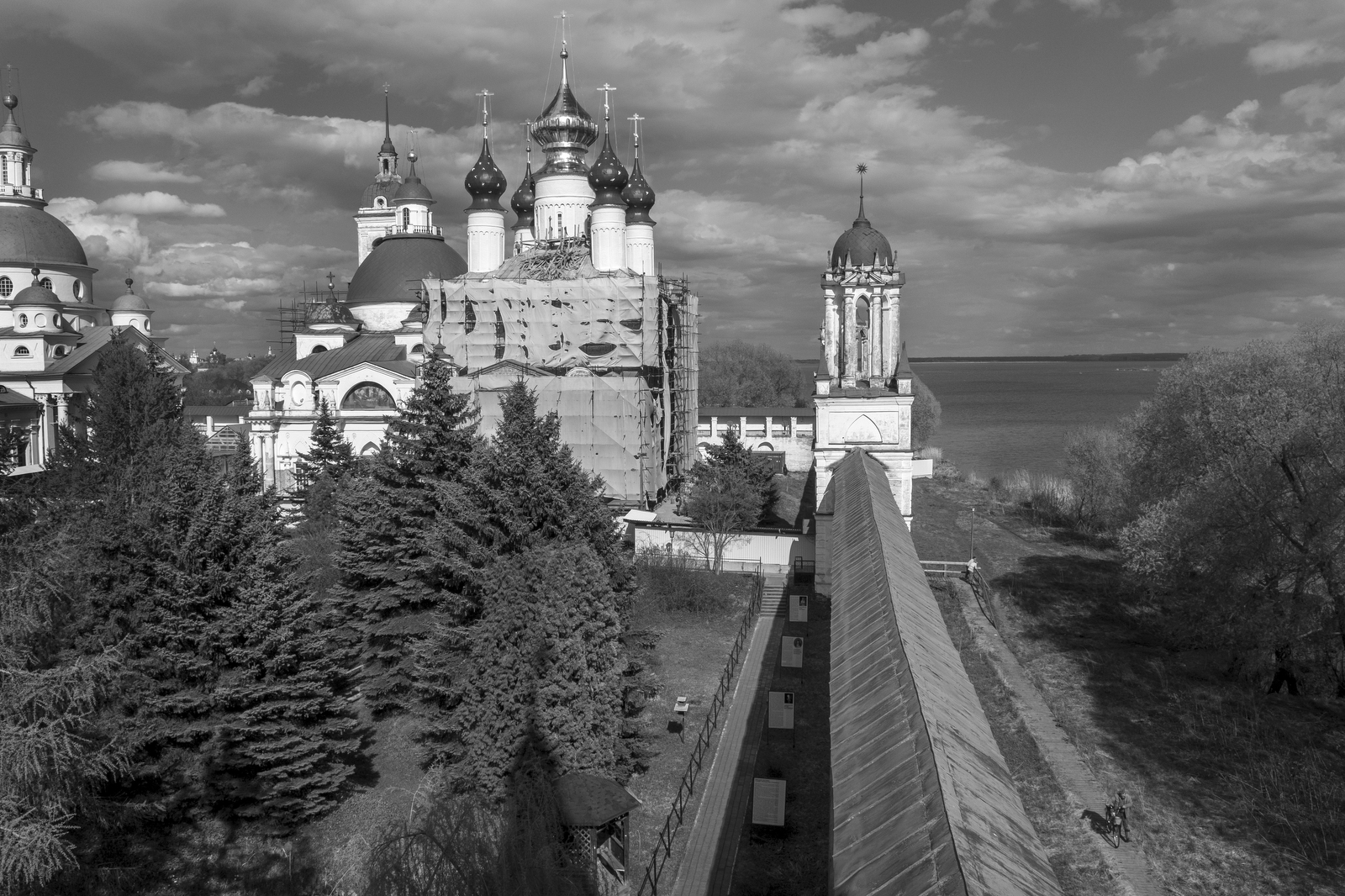
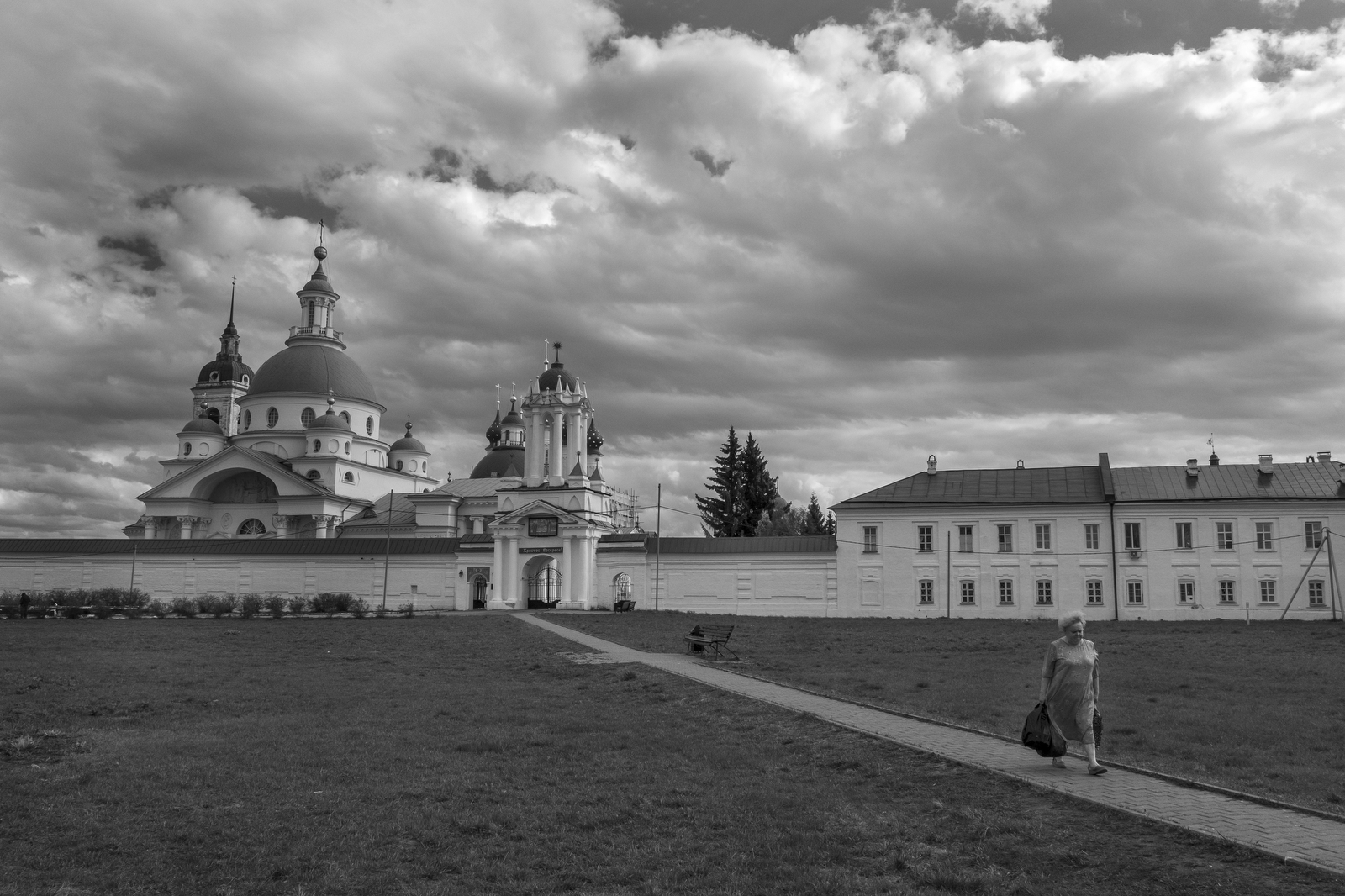
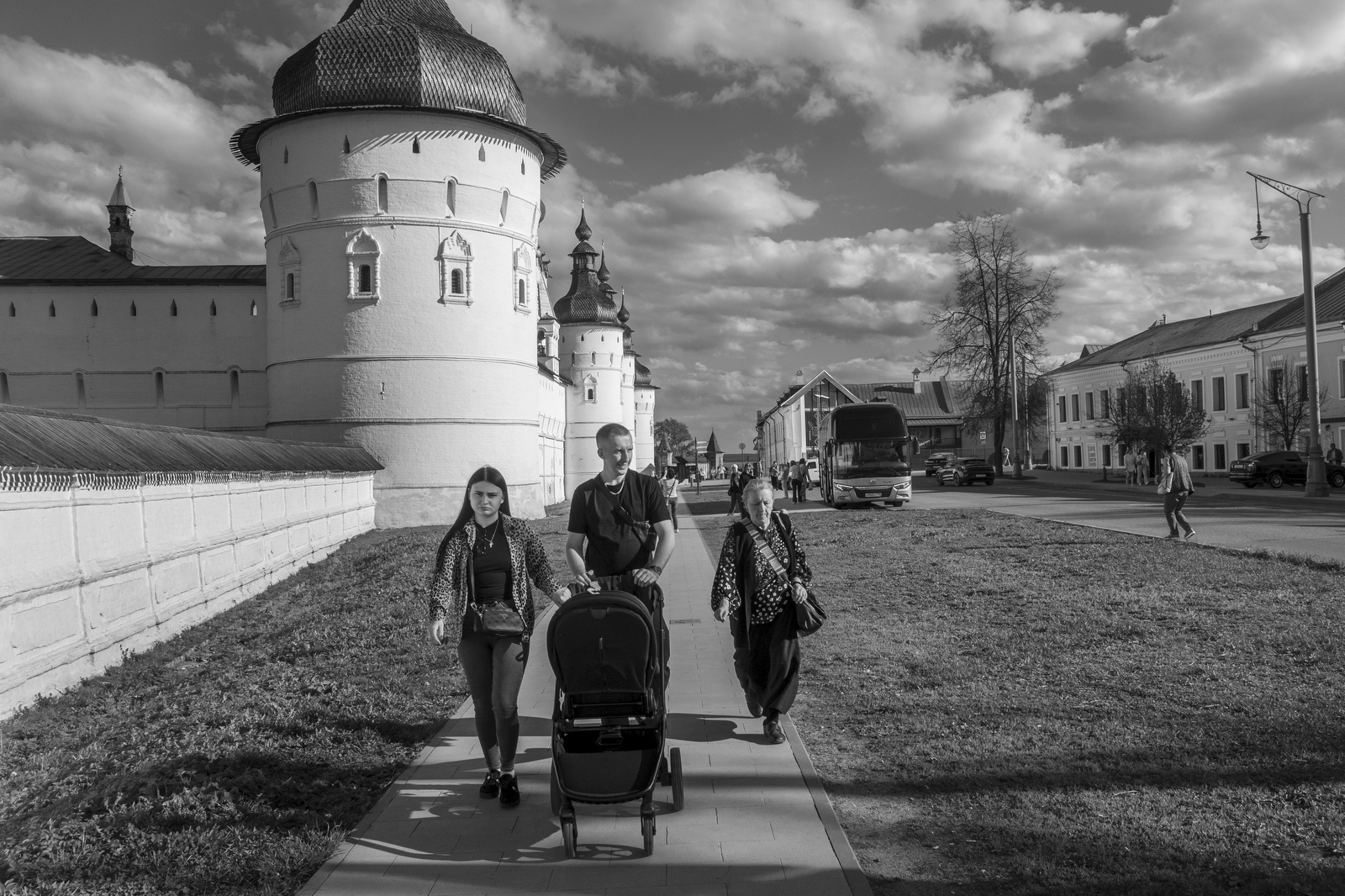

“Without the Volga, there would be no Russia,” historian Janet Hartley writes at the end of her book The Volga: A History of Russia’s Greatest River. And today I find myself asking a different question: would there be a Russia without war?
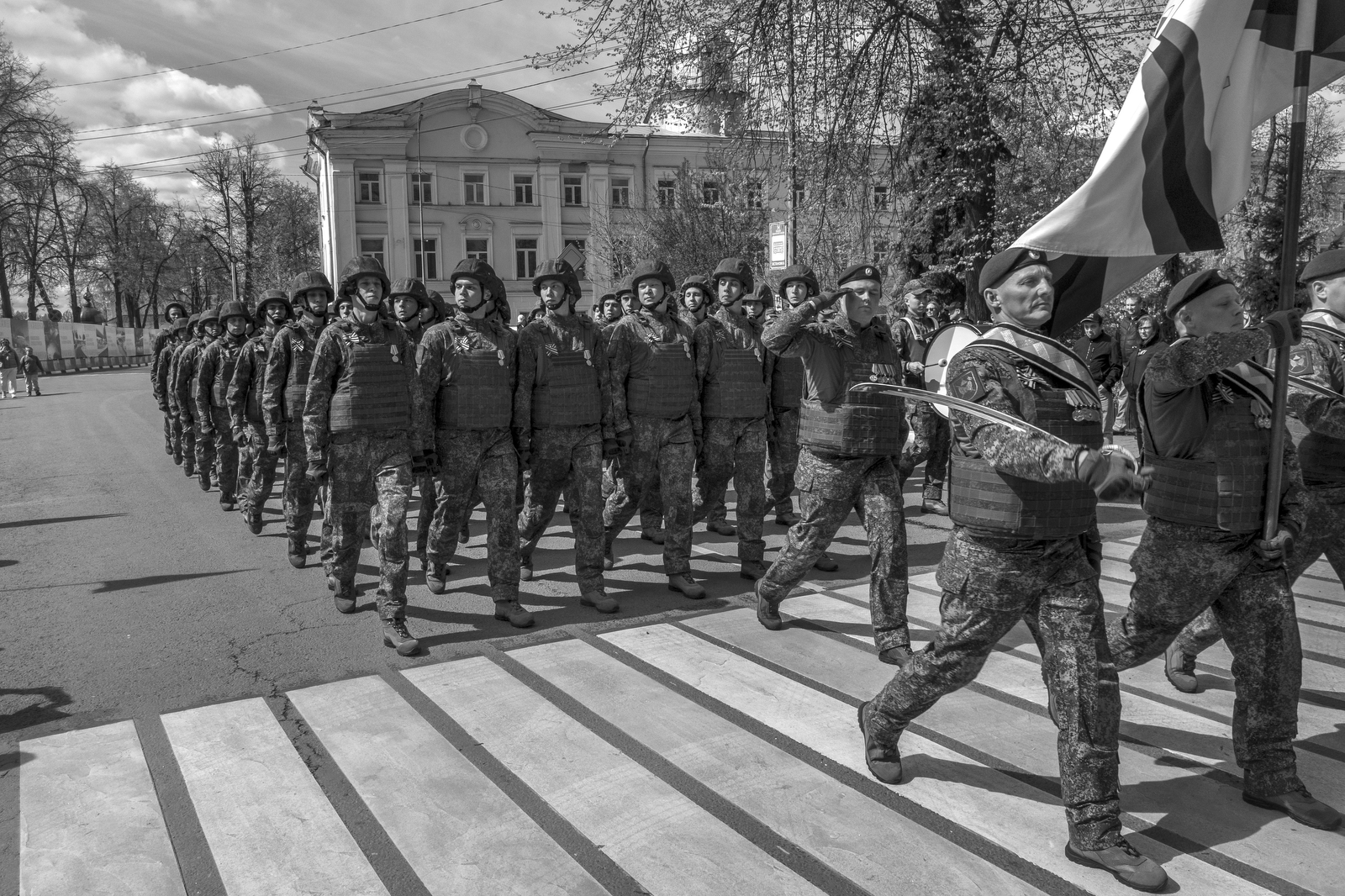
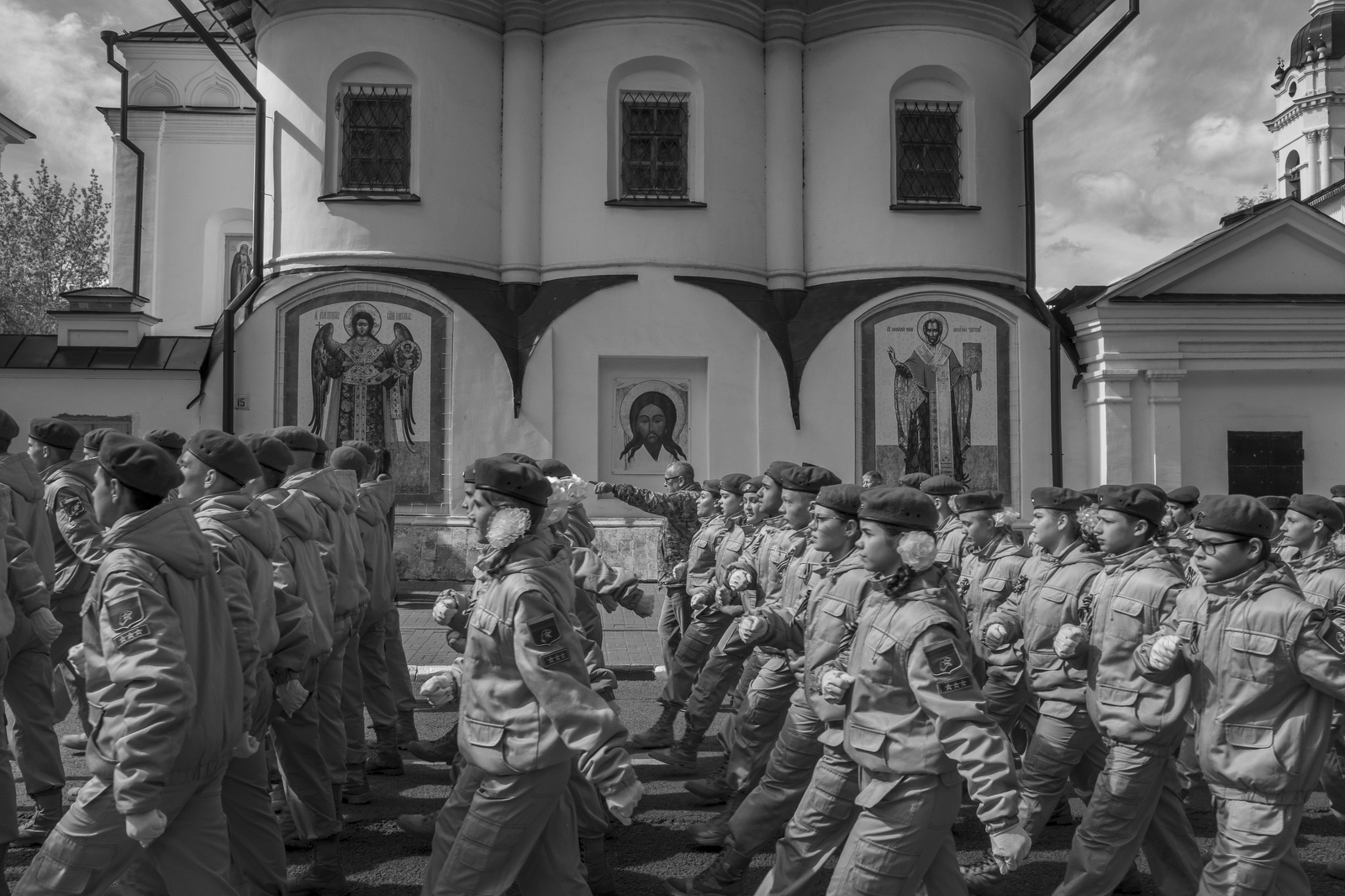
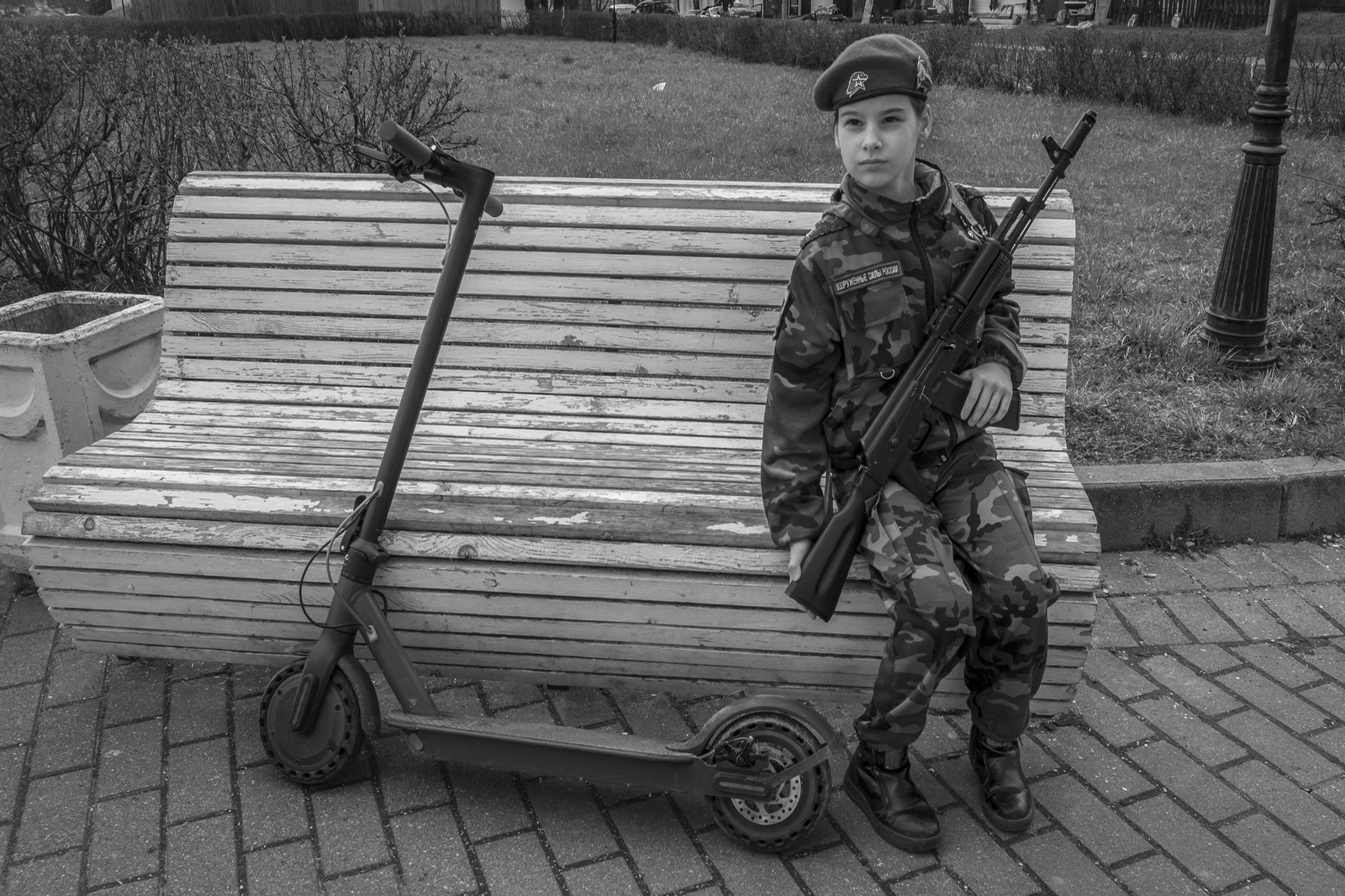
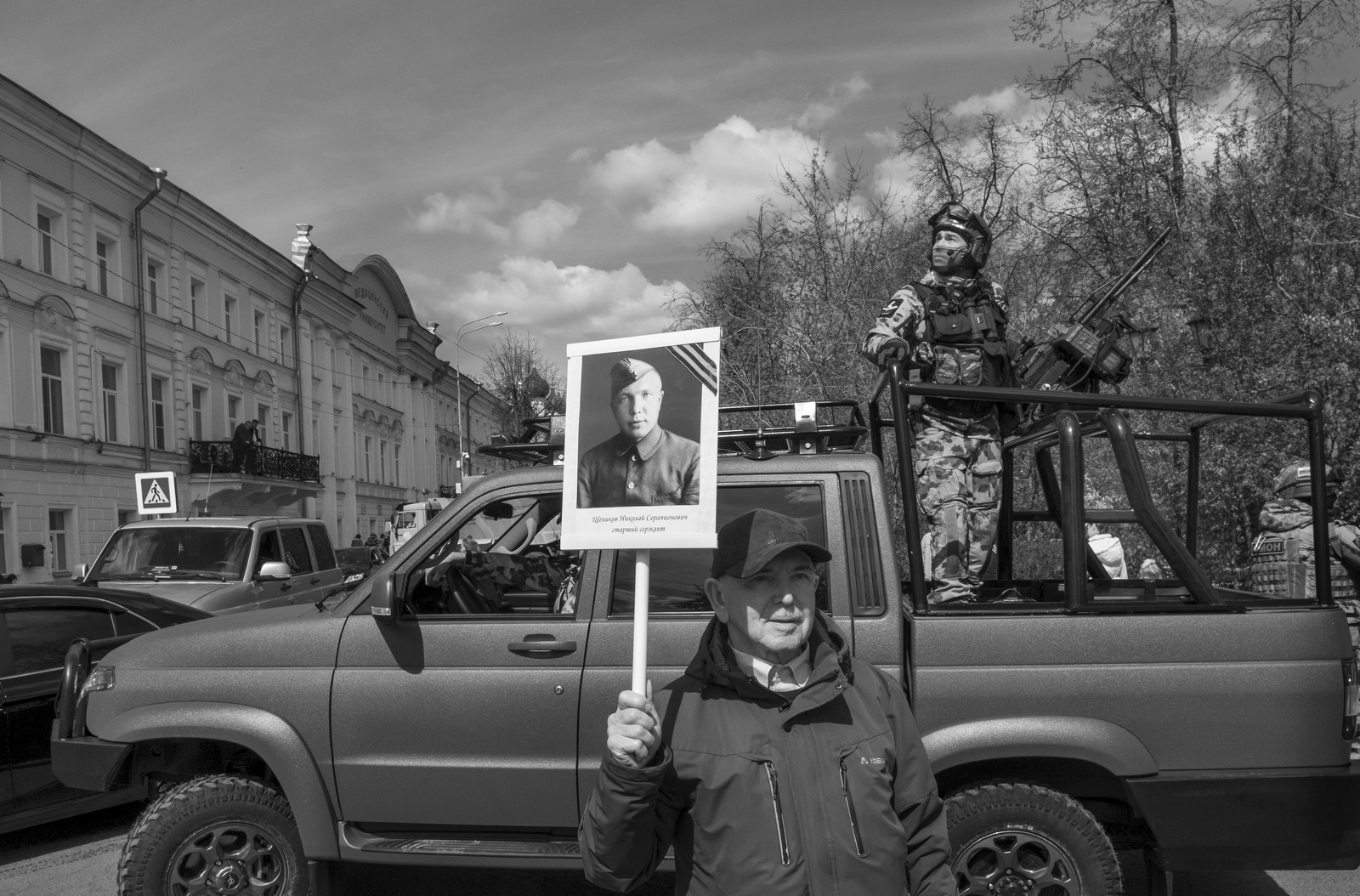
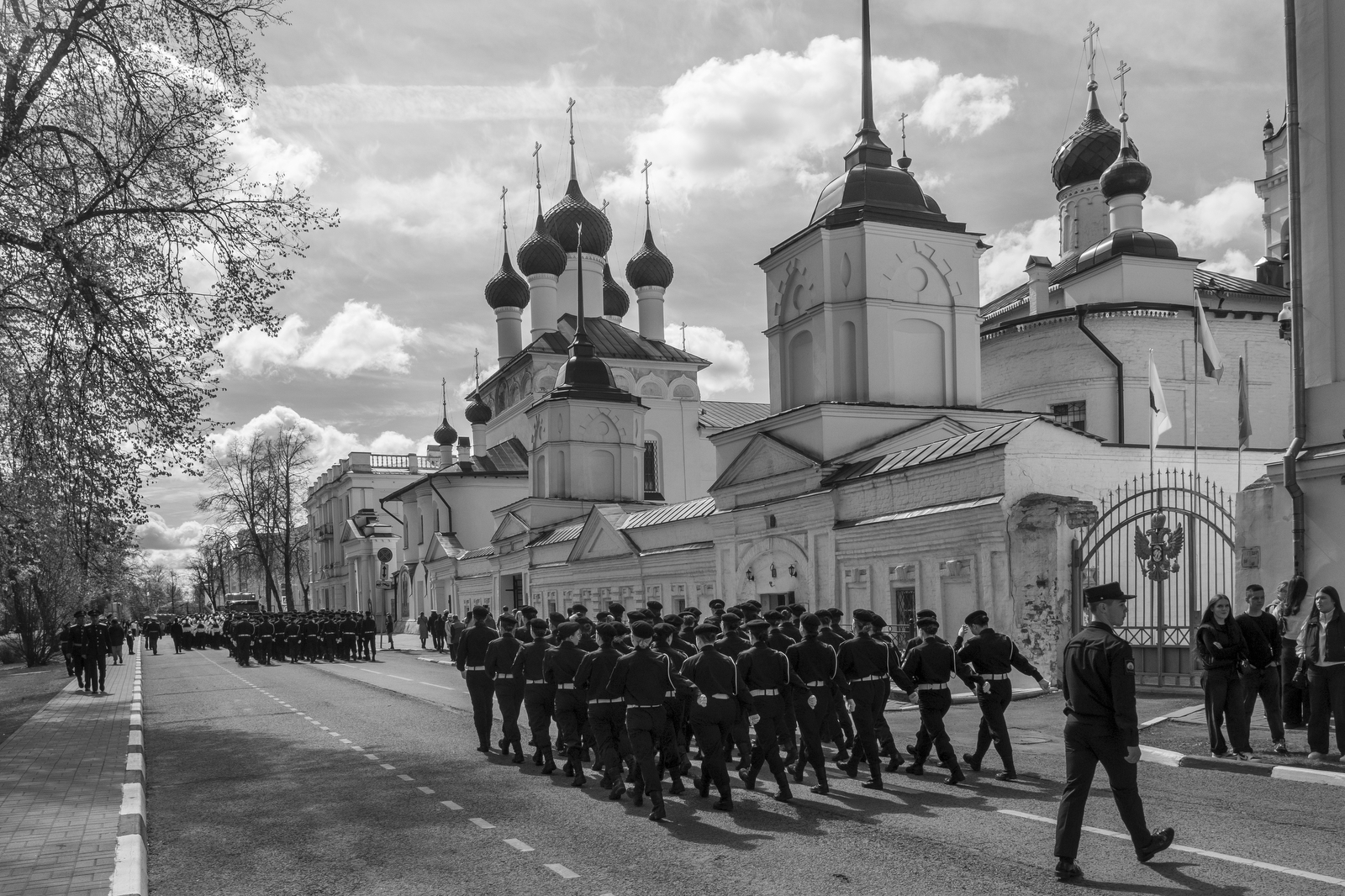
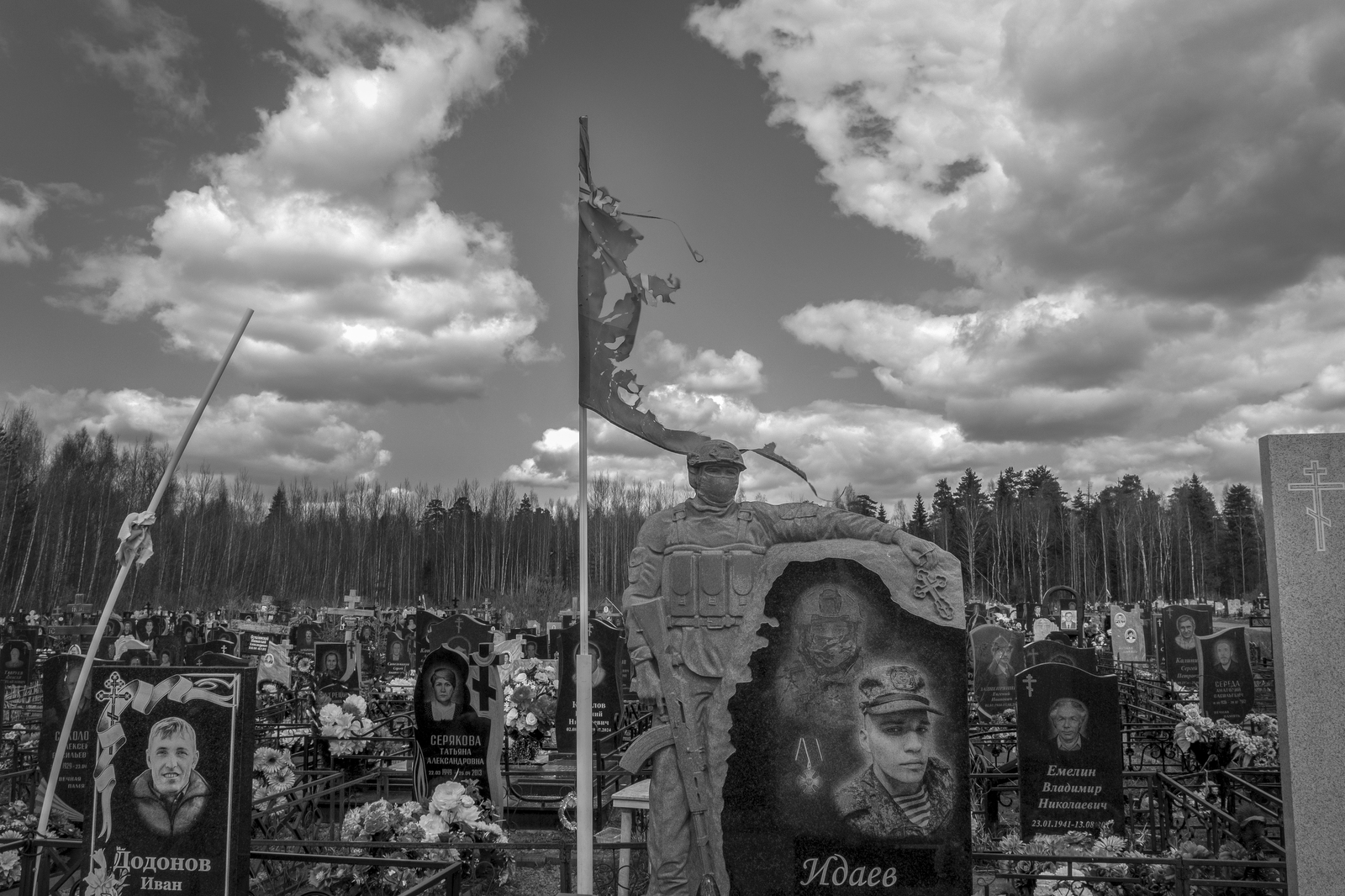
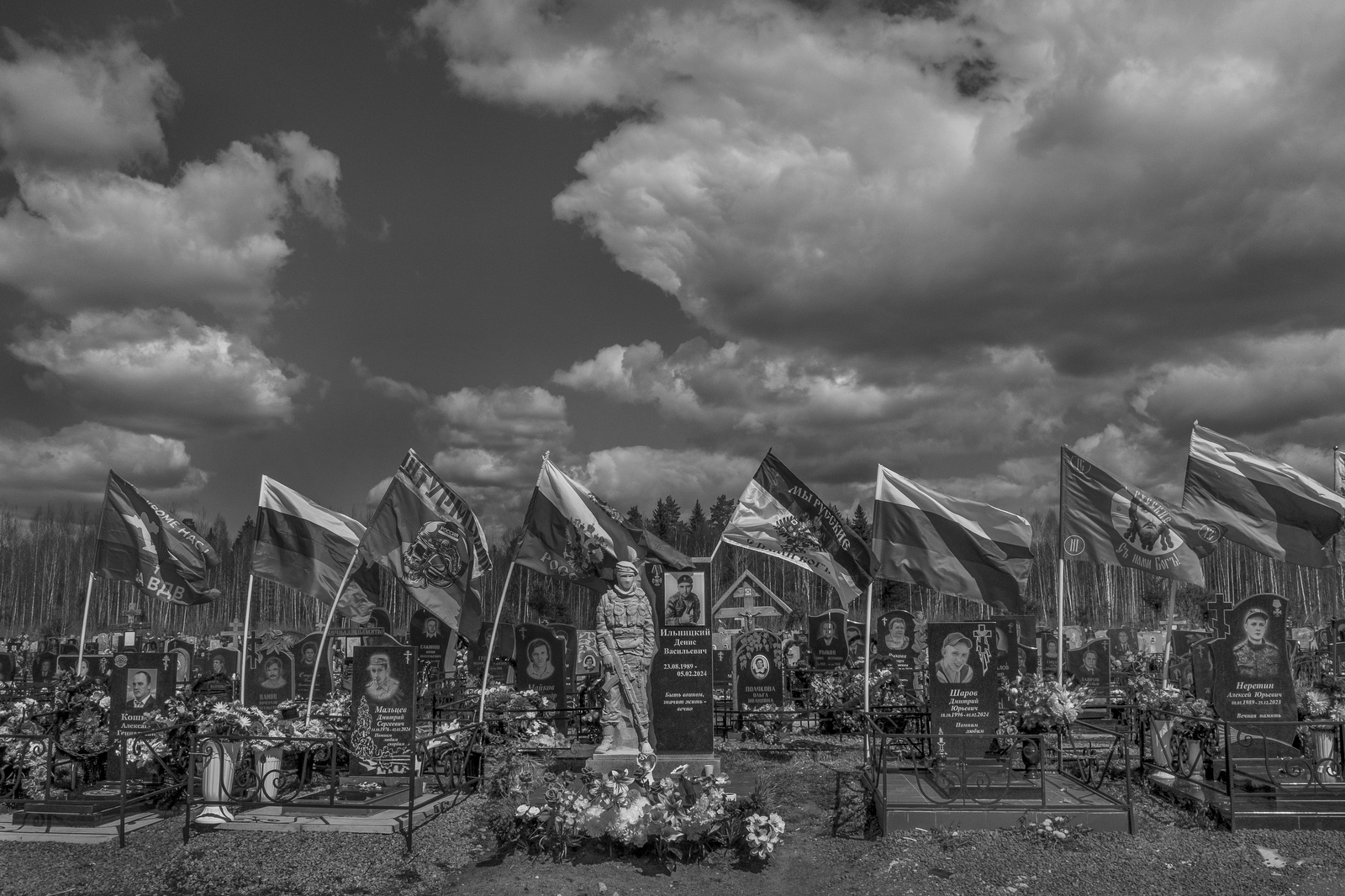
When you travel Russia’s Golden Ring today, it can sometimes feel as if the route runs not from monastery to monastery, but from cemetery to cemetery. A thousand years of history, gilded domes, holy places, postcard scenes—and beside them new graves, fresh wreaths, Russian flags over those killed in Ukraine.

From Tsarevich Dmitry, murdered in Uglich in the sixteenth century, to a soldier of the so-called “special military operation,” also buried in Uglich— whose body, fortunately for his relatives, was brought back from Ukraine and laid to rest at home.
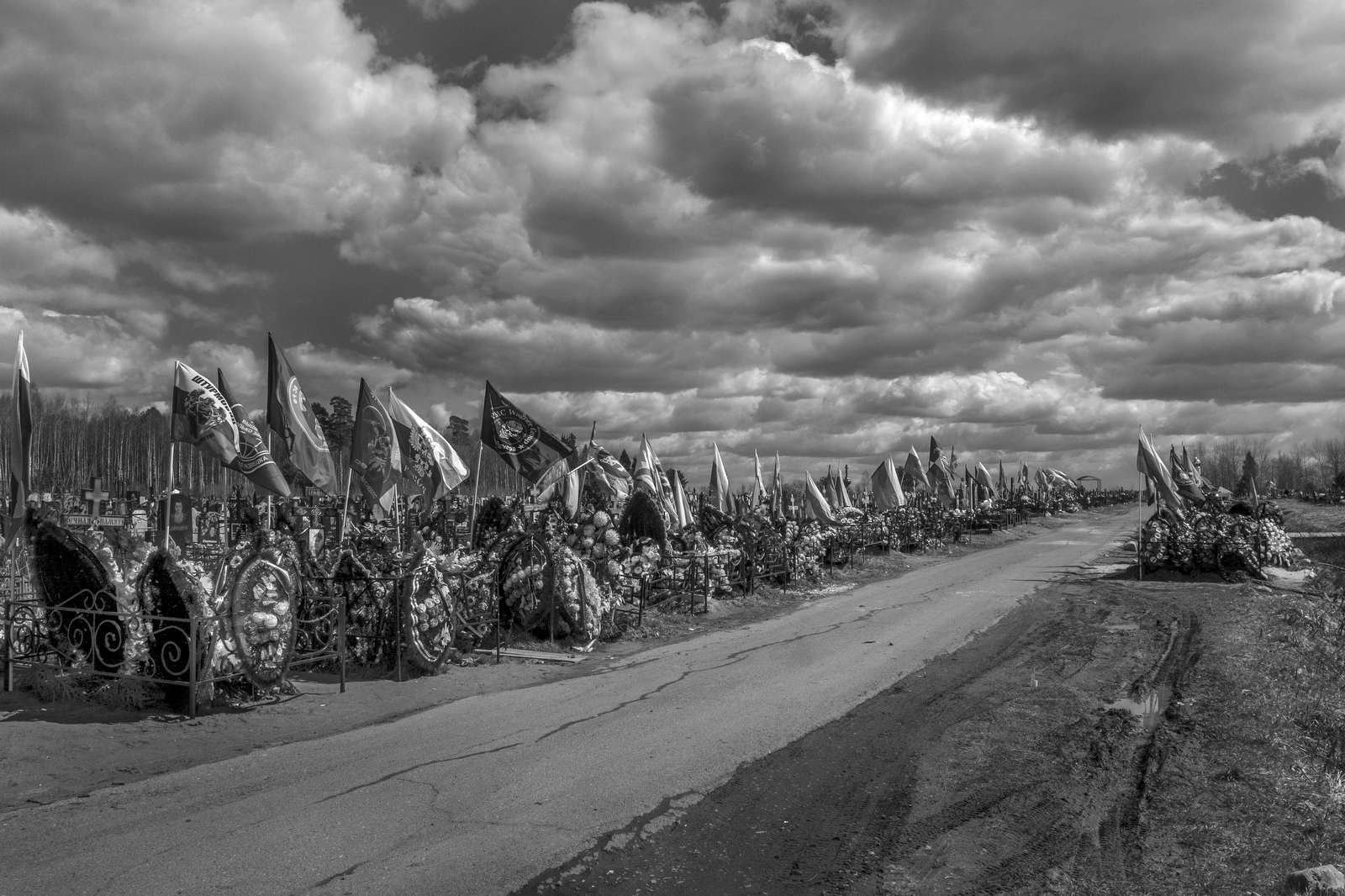
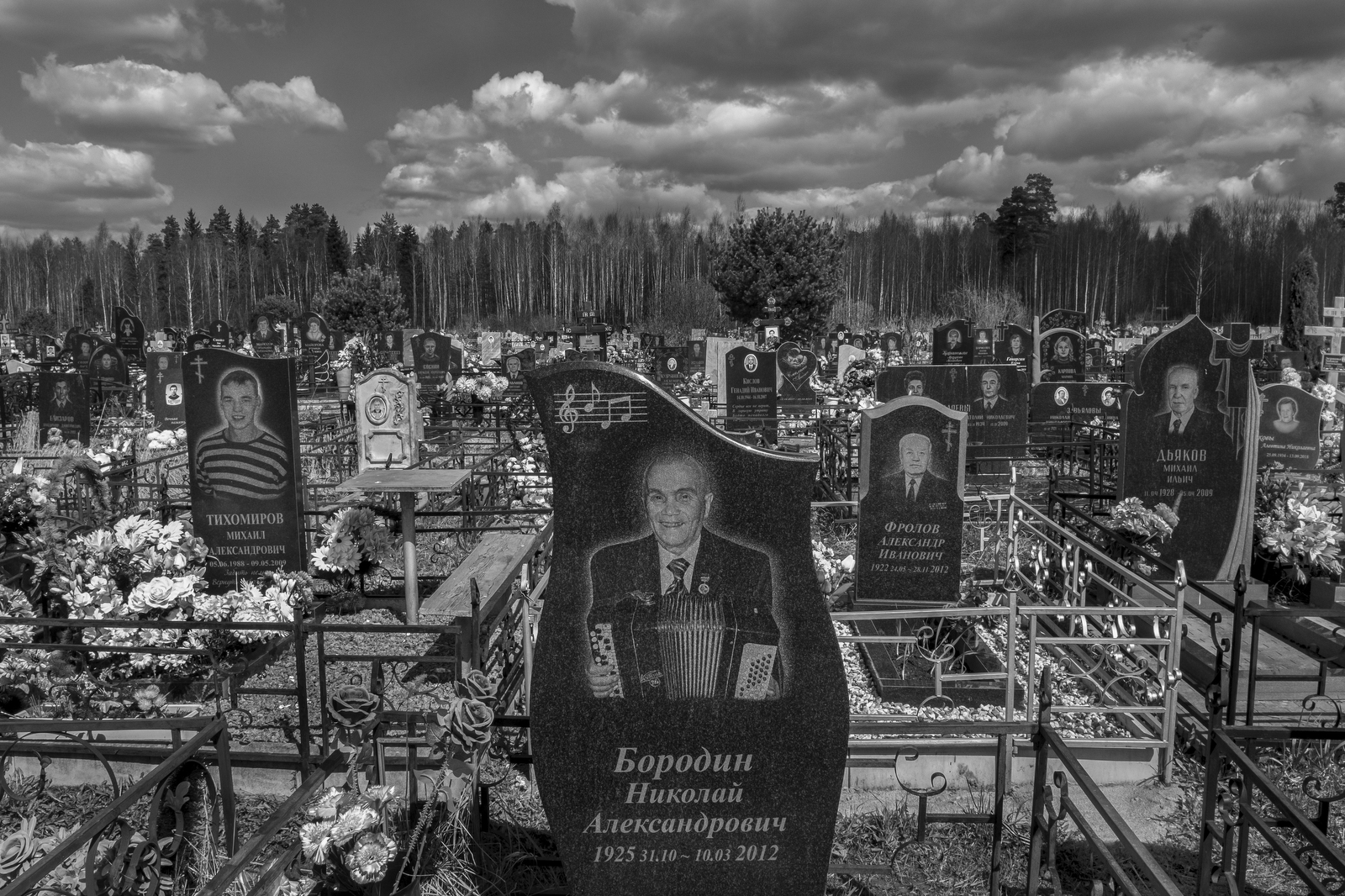
Over two weeks in the Yaroslavl region, I talked to people in the streets and “listened in and looked on,” as documentary photography demands. In those moments it felt as if Russia lives through tragedies of the past only in order to reproduce them in the future.

“We can do it again!”—a propaganda slogan that many ordinary Russians have come to like—means we can repeat all the horrors of the Second World War and be winners in our own “Patriotic” war. And so the country manufactures drama once more—through destruction, sacrifice, and war.

“He went to war because there was no work and no money in the village. They promised him good money,” an elderly woman tells me at a rural cemetery near Uglich. “There’s no work here, but my grandson wanted to build us a house on the Volga.”

“So he became a mercenary to make you happy?” I ask.

She looks at her grandson’s grave, not at me, and answers:

“Happiness, son, is when there is no war. Remember that.”

And then she begins to cry.
Photos and Captions by Oleg Klimov for Panos Picture
Available for Editorial Assignments
Photographer's Diary
Subscribe
Share the story — make the world freer: