
Photography Begins with Consciousness
Approximate reading time: 6–7 minutes. По-русски
I am always wary when well-known photographers, speaking at their pseudo-intellectual seminars for a credulous audience, solemnly declare that photography cannot be taught.
Almost any craft can be taught to almost anyone. The fact that photography was taught to workers in the Soviet system of vocational education is convincing evidence of this.
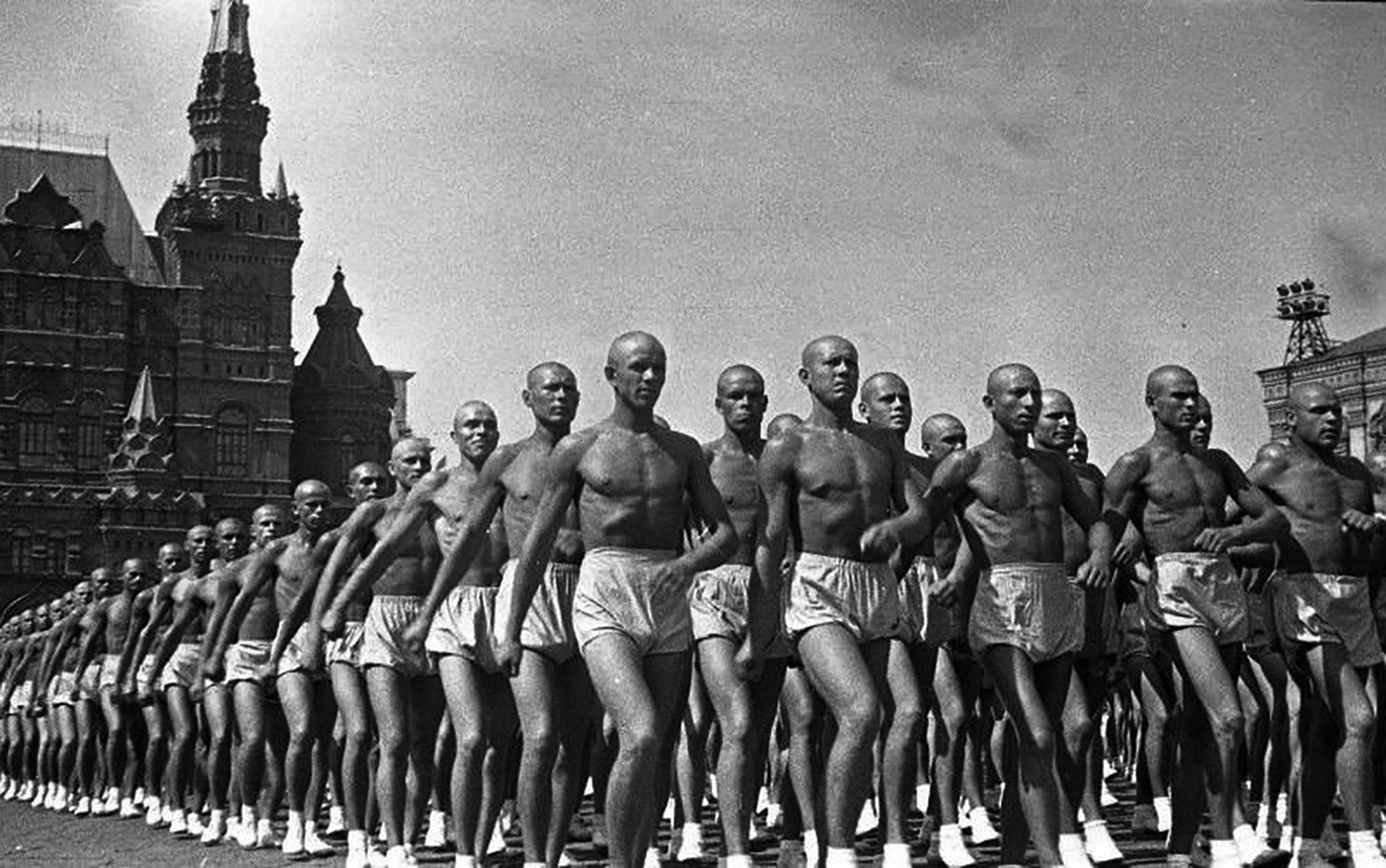
Even at the vocational-school level, learning photography contributed to the almost divine transformation of the proletarian into a member of the “decadent intelligentsia” — that very stratum of Soviet society regarded with suspicion by leaders and dictators. Such was the dialectic of Soviet photography, viewed through the lens of class analysis, historical materialism, and a modest amount of ordinary erudition.
Despite the obvious rupture between Soviet photography and the new Russian photography, the former continues to live on in the consciousness of each new generation of hunters of light and shadow. It will not disappear for a long time. Its form may change, but its content will remain essentially the same until a qualitative change takes place in the consciousness of photographers themselves.
The problem is that new forms are often borrowed mechanically. Photographers reproduce the language of Western photography without considering the cultural, historical, and social environment from which that language emerged. Western photography developed for entirely different reasons, and the direct transfer of its visual forms onto Russian reality often looks absurd, if not openly false.
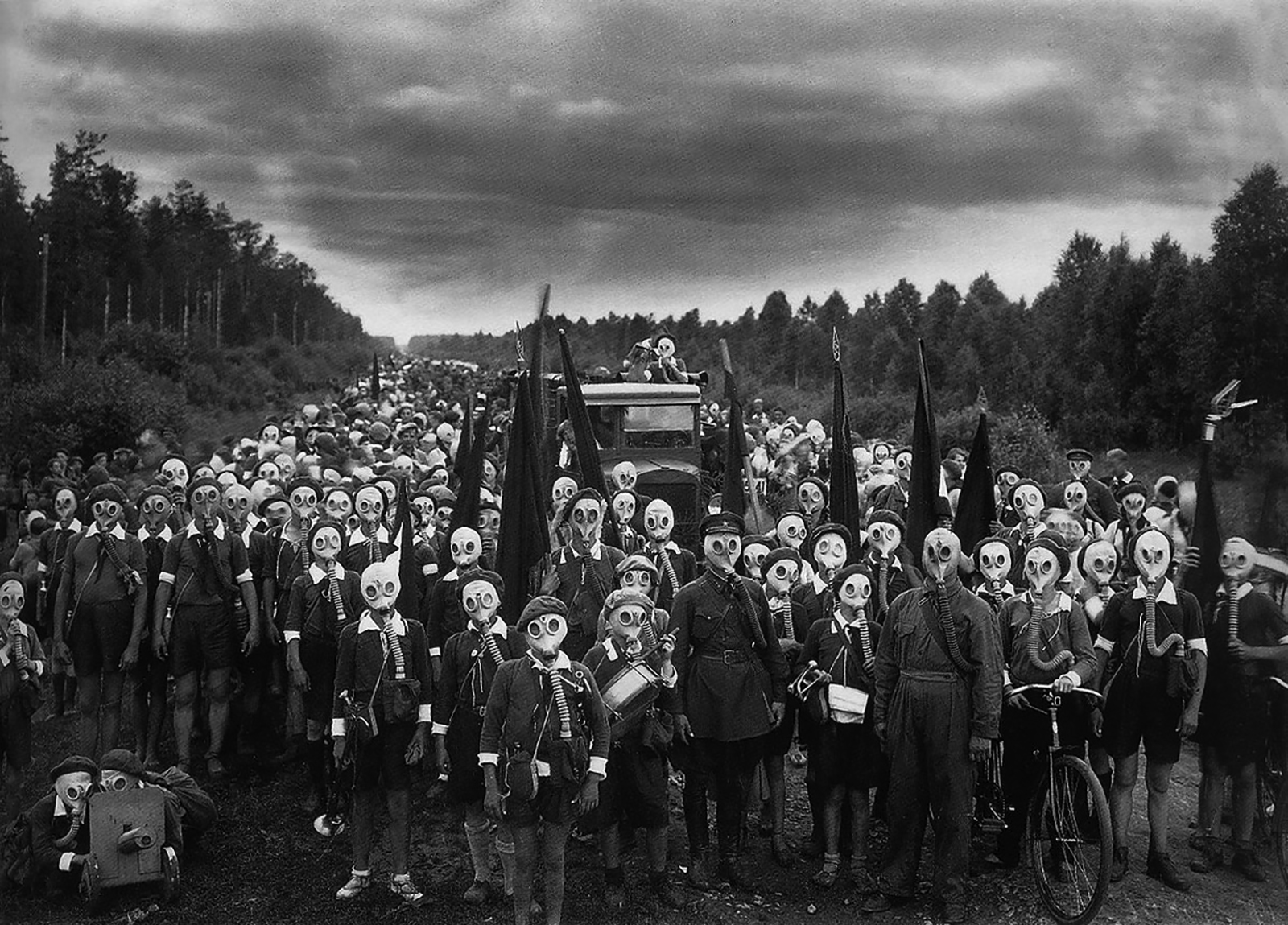
Nevertheless, in contemporary Russia there are entire photographic institutions — schools, seminars, and associations — where students are taught to photograph “the way it is fashionable to do in the West” or “the way I do it.” What is often overlooked is a simple fact: visual information is not, in itself, knowledge. Nor does imitation of someone else’s form have anything to do with originality or with the photographer’s individual development.
Information is not always knowledge, and knowledge is not yet skill. Information becomes knowledge when a person is capable of distinguishing causes from consequences. In this sense, photography exists not only to satisfy an author’s ambitions, serve the market, or support state propaganda. It can also become a means of developing the photographer as an individual, and society as a whole.
Does consciousness determine photography, or does photography determine consciousness?
It seems to me that this is one of the central questions of photographic education in Russia. Put more simply, it is the familiar problem of the chicken and the egg.
More often than not, form becomes the initial motivation and begins to shape the photographer’s consciousness, rather than the other way round. For many, therefore, only the result matters: the photograph as a finished form, that is, as visual information. The author’s process of discovery — observation, doubt, and understanding — becomes secondary.
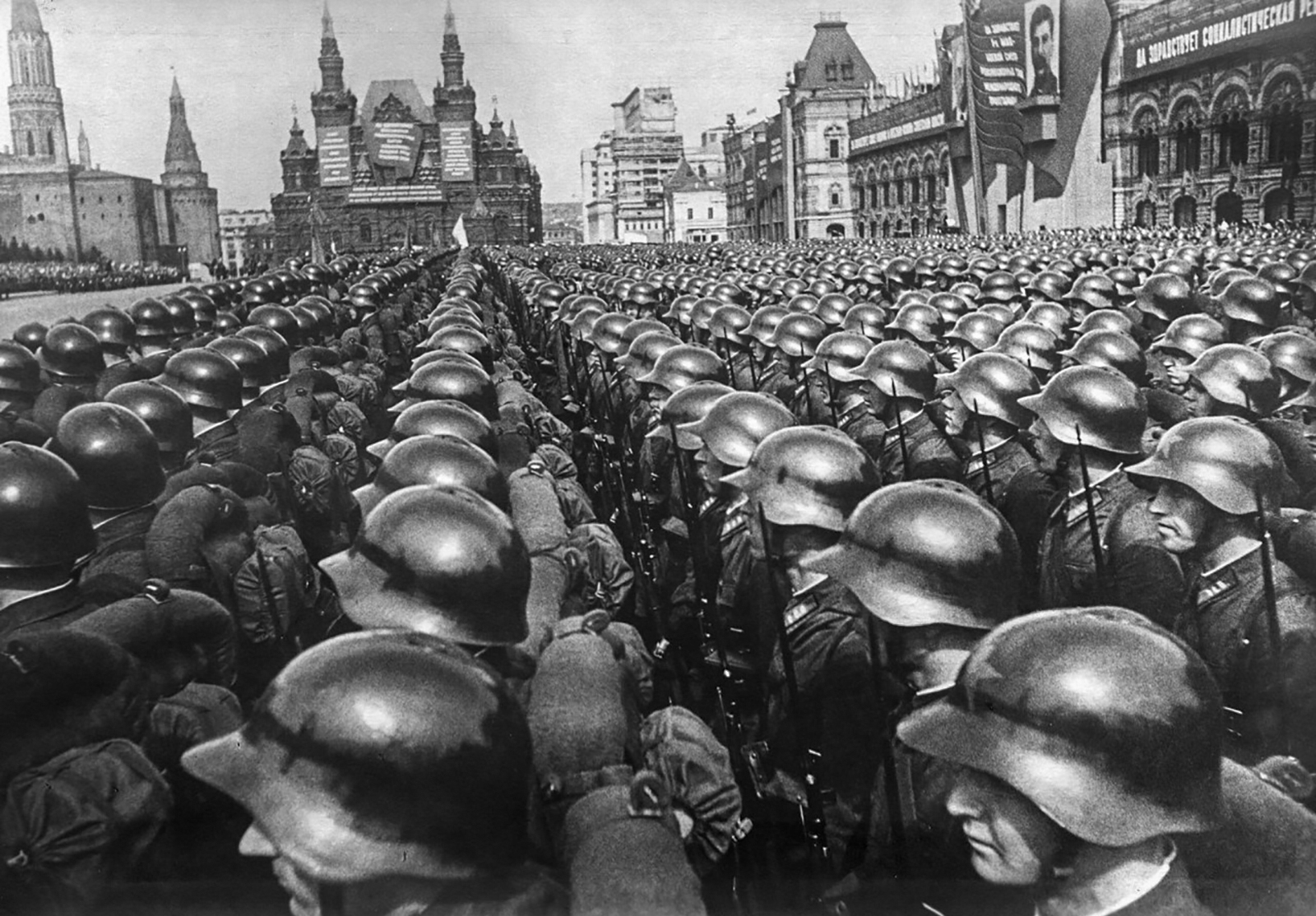
“Veni, vidi, vici” — “I came, I saw, I conquered” — is a military algorithm. At that point, the creative process ends and the wait for glory begins.
Almost anyone can indeed be taught this kind of craft — just as a soldier can be taught to hold a rifle, and a photographer a camera. But the ability to use a tool does not yet imply the ability to think.
Creative people often tend to deny cause-and-effect relationships. Perhaps this is not always important in art, especially when the process unfolds on an irrational level. But when we speak of education, discipline, and knowledge, logic and sequence are indispensable.
I have often tested students with a few simple questions:
— Why did you photograph this?
— For whom?
— Why in this particular way?
The answers were usually unconvincing:
— No reason.
— It looked beautiful.
— It was cool.
— I had nothing else to do.
— I liked it.
In recent years, another answer has appeared:
— Because I am a street photographer.
Hand on heart, I cannot imagine going out into the street simply to “photograph something.” I would not do it. I would rather go and have a glass of red or white wine.
And this has nothing to do with whether I am a professional or whether I am being paid to take photographs. It is simply that when I use words, I arrange them into meanings. Words have order, significance, and reasons behind them. The same should be true of photographs.
It is commonly said that “In the beginning was the Word,” but this does not correspond to reality. In the beginning was the image. Not on a screen, but on a rock. It was a means of communication before human beings learned to distinguish vowels from consonants and arrange them into an alphabet.
Today we have forgotten how to “read” cave paintings, but we still possess the ability to see and to make photographs, telling our own stories. Thanks to technology, more images are now produced than there are words in all the languages of the world. Yet the amount of meaning they contain is not increasing and may, in fact, be diminishing.
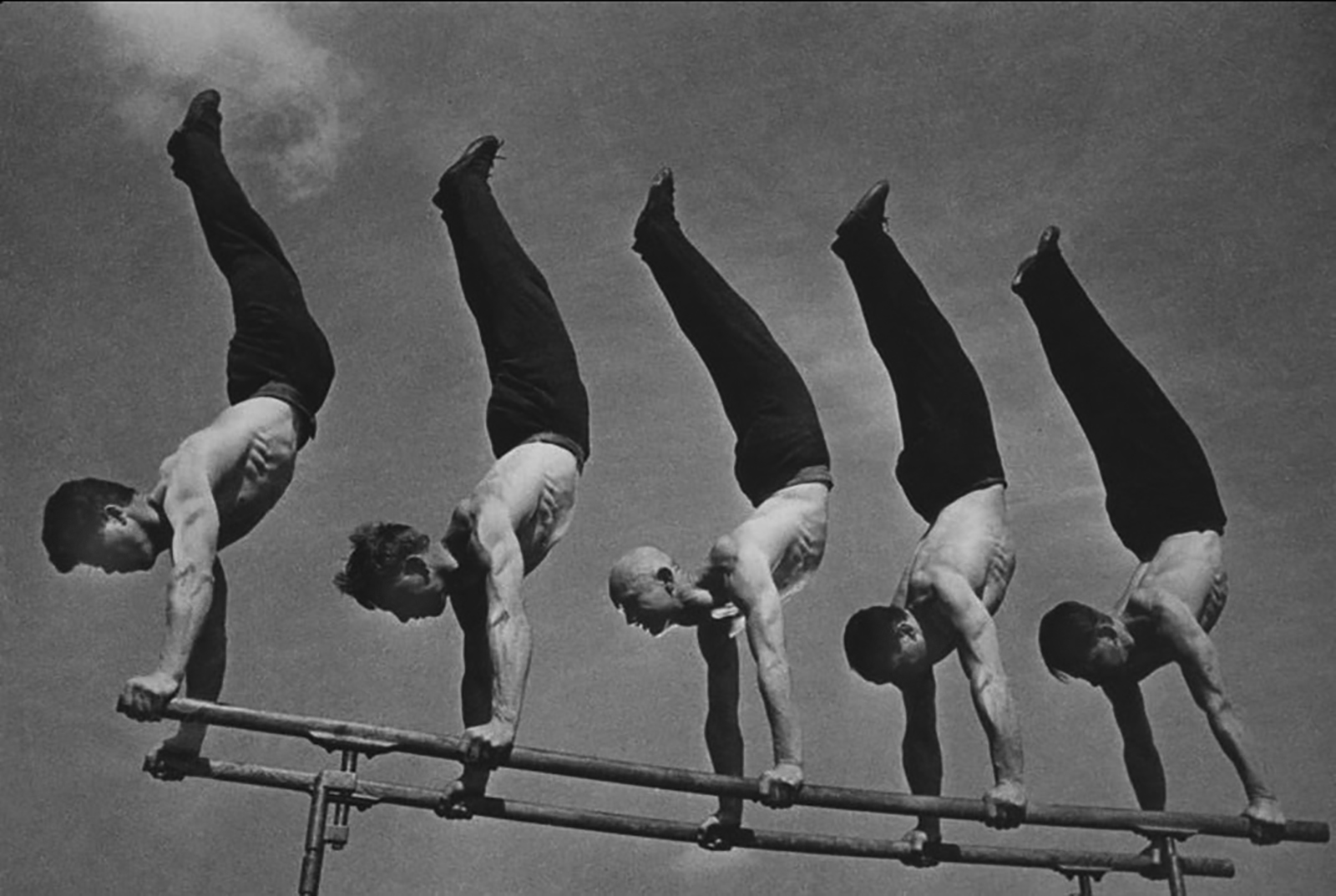
Whether you are photographing for a particular publication, project, assignment, or simply for yourself, you still need to understand the possible form the finished work might take. As in language, photography depends on order, meaning, intonation, and context. Whether you swear or use only polite expressions, you are still choosing your words.
Why not try approaching photography in the same way?
It is far more interesting than wandering aimlessly through the streets and declaring yourself a street photographer. Street photography is beautiful precisely because of its capacity to reflect life. It may contain many meanings — some consciously observed by the photographer, others irrational and hidden even from the author. But the genre should not be reduced to an excuse for personal incompetence.
There is another common phrase:
— I know how to take photographs, but I do not know how to select my own pictures.
I would argue that if you do not know how to select your own photographs, then most likely you do not know how to take them either. These are not two different processes, but one.
While photographing, you are already making choices: should you photograph Masha, Vanya, or the two of them together? Should you move closer or remain at a distance? Press the shutter now or a second later? Unless your colleagues call you a “vacuum cleaner” — someone who photographs everything indiscriminately — your choices are motivated by something: form, content, intuition, or at least curiosity.
When you edit the material you have shot, you go through the entire process of photographing once again — only now you move from the potentially unconscious to the necessarily conscious.
Without conscious choice, you will not be able to reduce the material. You will be left with hundreds of frames that no one needs and that possess no real authorial value. In that case, you are not so much a photographer as a vacuum cleaner or a surveillance camera.
Try selecting twelve photographs from two hundred. Then seven. Then three. Then one.
It is difficult work because every frame can feel to its author like a child carried to term. It is thankless work, directed against personal ambition. Yet it is precisely this labour that makes a person a photographer and an individual.
When an editor makes the selection for you, it is the editor who shapes a photographer out of your material — sometimes a photographer you are not in reality. More precisely, the editor becomes the co-author of your vision where your own vision is not yet strong enough.
The content and form of a photograph depend on the author’s consciousness, knowledge, and education. Your photographs are you.
If your knowledge extends beyond the “basic rules of composition,” your photography will develop with you. But if it merely reproduces your fixed ideas about life and the order of the world, creative development is unlikely.
What distinguishes photography from many other visual practices is that it almost always appeals to living reality. Not necessarily an objective reality, but always a changing one — if not in form, then in content.
That is why photography can and should be taught. But teaching should not be limited to operating a camera or reproducing familiar visual forms. A person must be taught to recognise causes, make choices, doubt, edit, and understand why a photograph exists.
Because photography does not begin with the camera.It begins with the photographer’s awareness of the world around them.
Oleg Klimov. Weekly Review, June 6–15, 2026. Freelancer.
Available for Editorial Assignments
Photographer's Diary
Subscribe
Share the story — make the world freer: